Amentum warns UK £5bn drone plan must prioritise integration

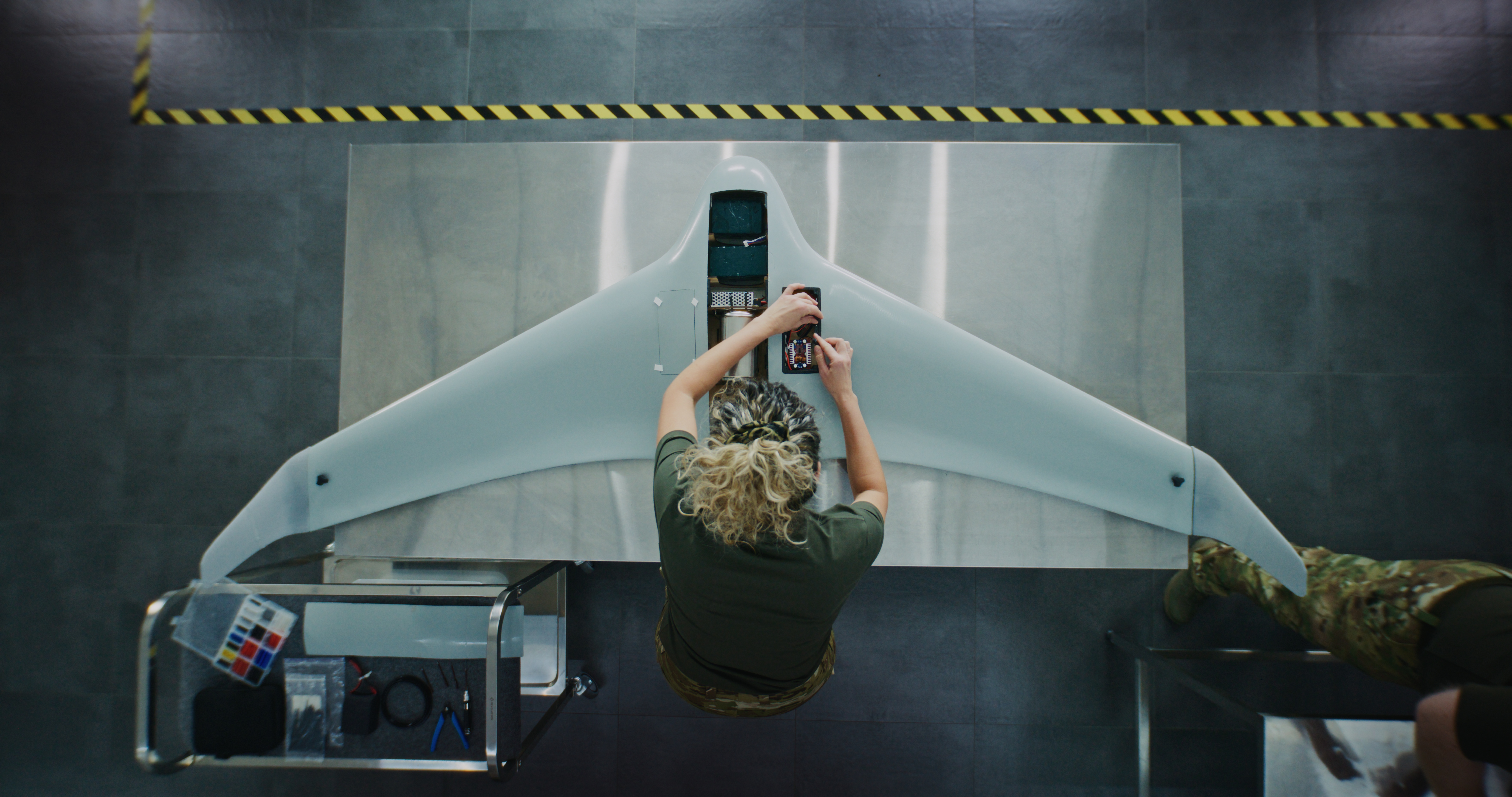
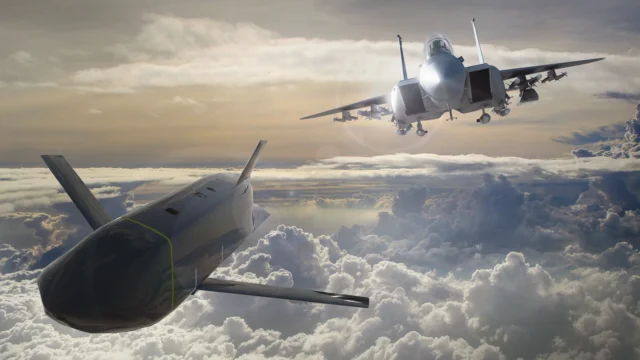
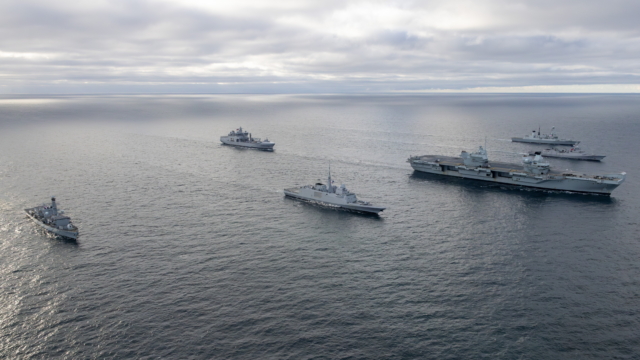
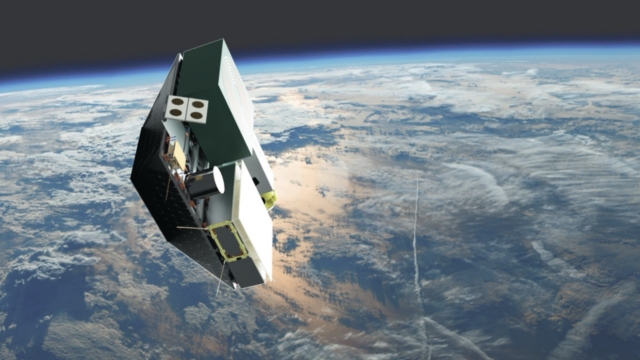
The Defence Investment Plan promises the largest investment in uncrewed systems in UK military history, spanning surveillance and attack drones, autonomous ground vehicles, Collaborative Combat Aircraft and the Royal Navy’s Hybrid Fleet.
But individual platforms are only part of the equation.
“Hardware is important, of course, but we are focused on what is common throughout: software, networks, command and control, and user interfaces,” Jules Weekes, uncrewed and counter-uncrewed systems delivery director at Amentum, told ADS Advance.
Weekes pointed to the Netherlands’ “software-first” approach, centred on common command-and-control technology, as one model for ensuring new systems can work together rather than becoming separate fleets connected only after procurement.
UK moves towards a common digital backbone
Developments suggest the MOD is increasingly confronting that challenge.
In September, Dstl revealed that the British Army had successfully tested a software-defined drone swarm in a realistic military environment, designed around autonomous systems working collectively rather than as individual aircraft.
Project PANOPTES is meanwhile seeking an integrated counter-UAS force-protection capability, with the MOD explicitly requiring open architectures, modular design and compatibility with future uncrewed ground vehicles and Army air-defence systems.
Most recently, the Army-led Accelerator 2.0 exercise connected command systems, sensors and AI-enabled decision-support tools through a shared data architecture. More than 60 vendors participated, with systems exchanging information across a common multinational data backbone.
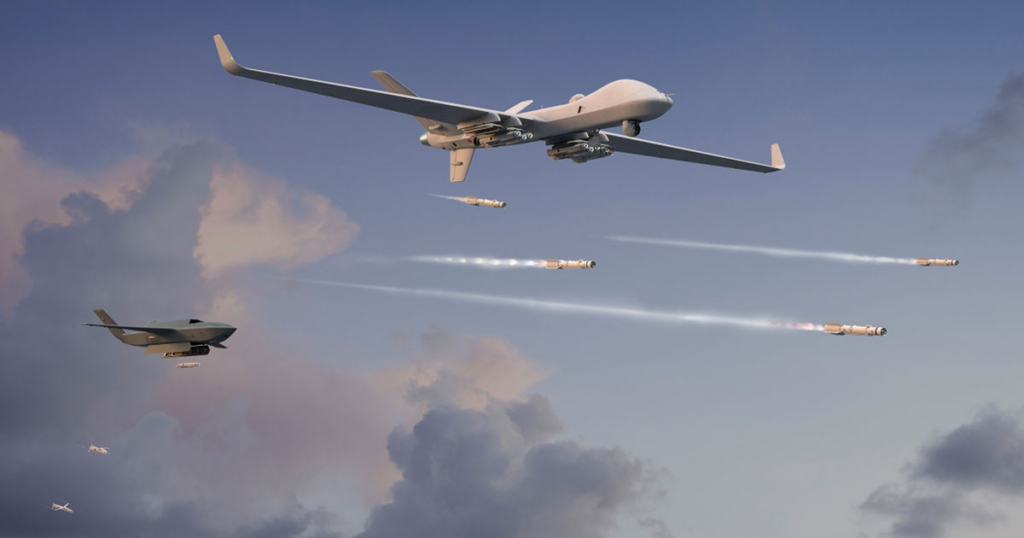
That direction reflects the Strategic Defence Review’s central principle that the future force should be “integrated by design”, with uncrewed systems networked with crewed assets through a common digital foundation.
The challenge now is ensuring procurement delivers that integration in practice.
Britain could acquire thousands of increasingly capable drones over the coming years. Their military value, however, will depend on whether sensors, effectors, autonomous platforms and commanders can exchange information quickly enough to operate as one force.
Read the full A force, not a fleet analysis in the Autumn 2026 edition of ADS Advance.
Sign up for our newsletter and get our latest content in your inbox.
Similar Reads


Sign up for our newsletter. Select all sectors relevant to you.
Related