UK records largest share of European defence manufacturing investment since 2024


The UK has attracted the largest single share of new defence manufacturing investment in Europe since the start of 2024, with British facilities accounting for 34 of the 197 new investments made across the continent during this period.
Published in a recent report by the US-based property management services firm, Cushman & Wakefield, this figure represents 17% of all defence manufacturing facility investments that were opened or announced for locations across the European continent between January 2024 – August 2026. This places the UK ahead of Germany on 27 investments, France with 26 and Spain with 12.
Cushman & Wakefield’s latest ‘Future Flows: Global Dynamics and European Industrial Real Estate’ report classifies this expansion as part of a wider acceleration in European defence production, driven by rising defence spending across Europe, as well as growing order books and government efforts to strengthen domestic defence-industrial capabilities.
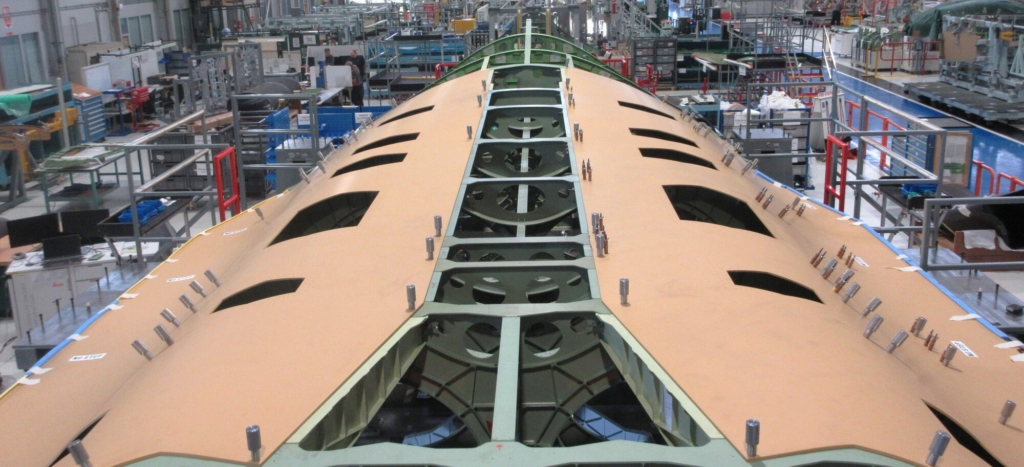
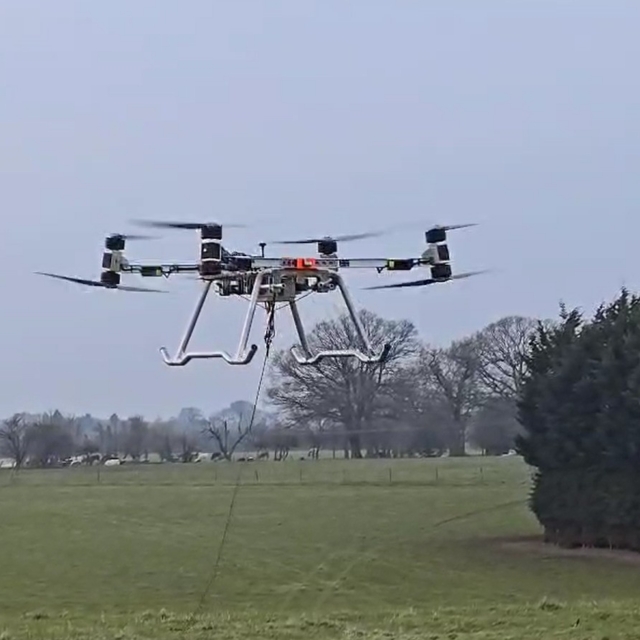
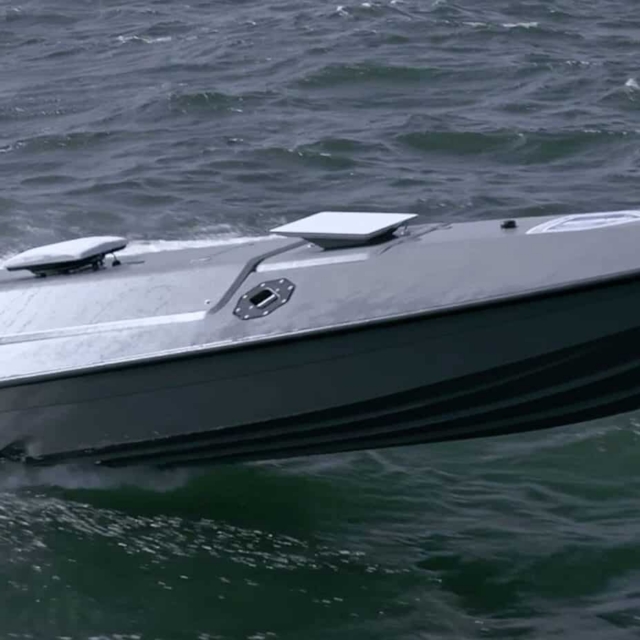
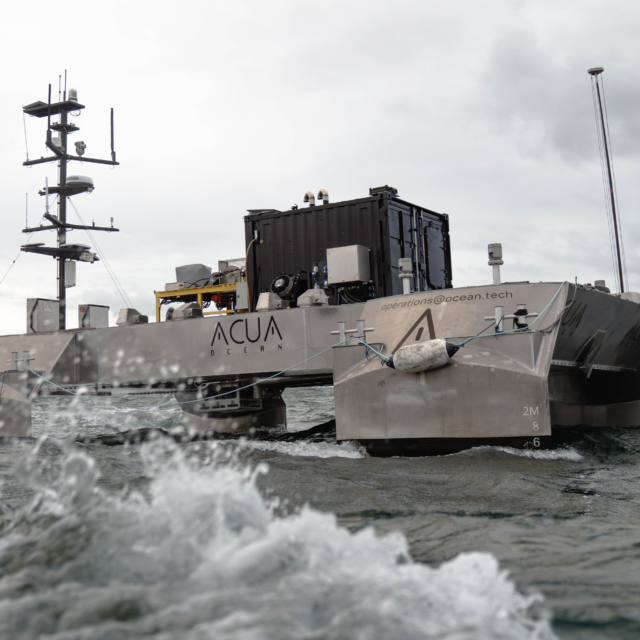
This investment is being spread across a growing network of British defence manufacturers, with major programmes focusing on the production of munitions, combat aircraft, drones, autonomous systems and naval shipbuilding.
Among the most significant companies expanding its UK manufacturing footprint is BAE Systems, which is investing in facilities supporting the production of munitions, combat aircraft and naval platforms. Another is Rolls-Royce, which is expanding its advanced manufacturing and engineering capacity to better support defence programmes.
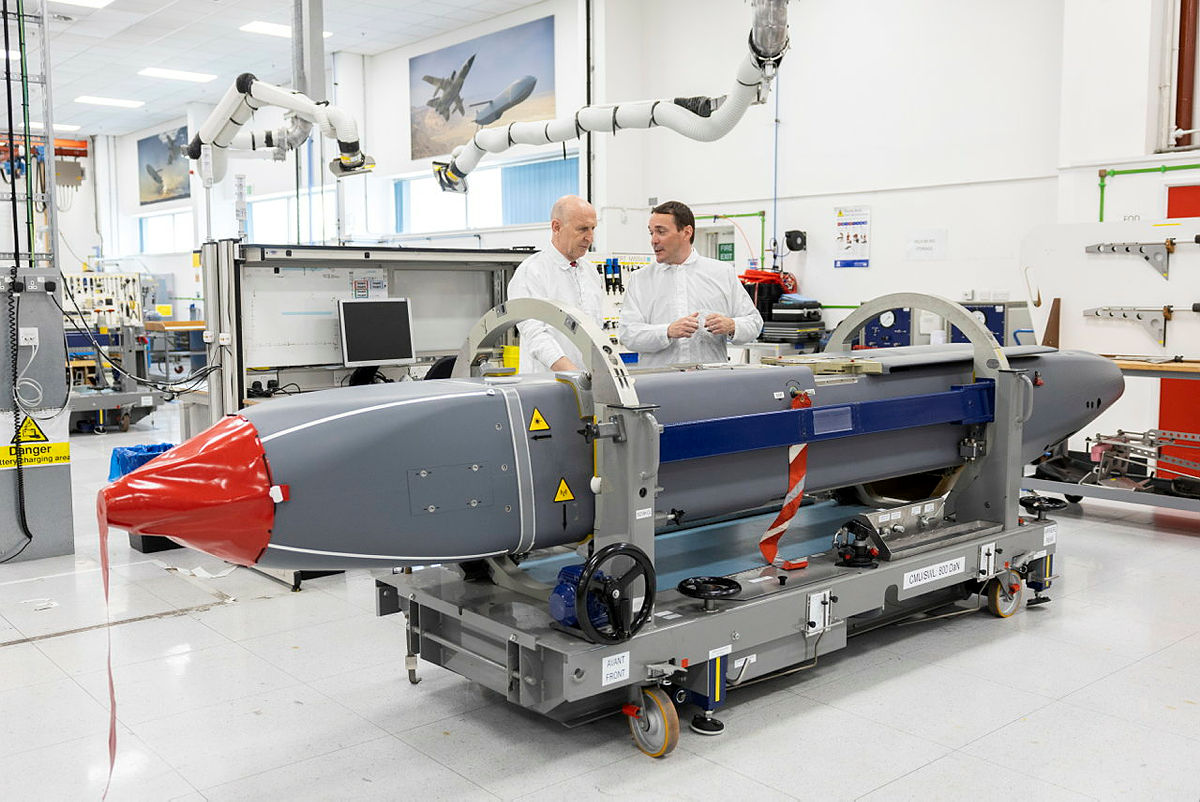
Missile and weapons production is also expanding. MBDA has been increasing its UK manufacturing capacity as demand for new air-defence and precision strike systems continues to grow, while firms across the wider supply chain invest in additional production, testing and engineering facilities.
UK leads way in drone and autonomous system manufacturing investment
The UK has been particularly prominent in emerging technologies. Ten of the 21 drone and autonomous vehicle production facilities identified across Europe since 2024 are in the UK – the largest national concentration recorded by the study. According to Cushman & Wakefield’s analysis, the UK has also attracted eight aircraft and naval manufacturing investments during this period.
This growth is reflected by new facilities and partnerships involving companies developing uncrewed aerial systems (UAS) and other autonomous technologies, as the UK seeks to increase the scale at which these systems can be designed, assembled and supplied to the UK Armed Forces.
These figures come as Westminster increases defence spending and seeks to expand domestic manufacturing capacities. Published in June, the Defence Investment Plan (DIP) committed a further £15bn to defence between FY26-27 and FY29-30, which will increase the UK’s total planned defence investment to £298bn over the next four years. Annual defence spending is expected to approach £80bn by 2029.
The munitions sector is undergoing an equally significant expansion. Westminster has committed £11bn to munitions and weapons production, with plans to establish at least six new energetics factories by 2030 to increase this manufacturing capacity.
BAE Systems is already expanding its explosives and munitions manufacturing work, including major investment at its facilities in Glascoed, South Wales, and Washington, Tyne and Wear. The firm has also unveiled plans to establish a new explosives production facility at its Glascoed site.
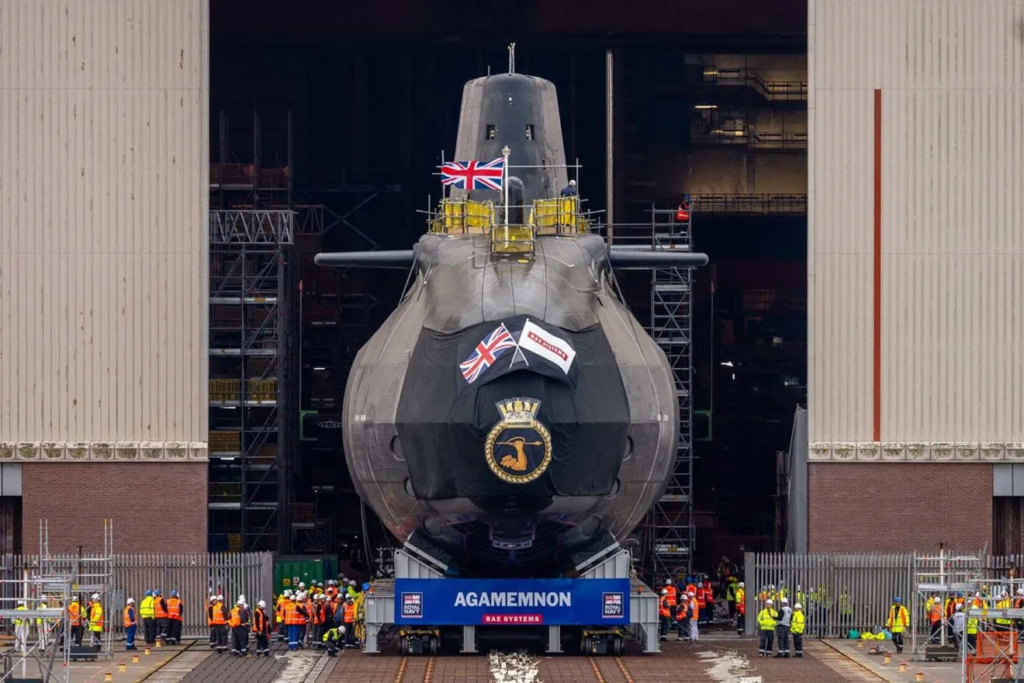
This wider industrial expansion also extends into naval manufacturing. BAE Systems’ shipbuilding operations on the Clyde remain critical to the UK’s surface and sub-surface fleet programmes, while investment in facilities and infrastructure is intended to increase production capacity and support a growing work pipeline.
Domestic defence expansion places new demands on UK industry
Cushman & Wakefield states that this expansion is already translating into substantial demand for industrial property. More than half of the European investments involve newly created facilities, with buildings of sizes ranging from 10,000-25,000m² being the most common requirement.
Defence manufacturers also require specialist infrastructure, including enhanced security, reinforced floors and, in some cases, blast protection. Those requirements can make suitable industrial sites more difficult to identify and increases the overall importance of existing locations with the appropriate infrastructure.
Tim Crighton, the head of Cushman & Wakefield’s Logistics and Industrial business across the UK and Europe, the Middle East and Africa (EMEA), said the UK was “exceptionally well positioned” to capture the next phase of defence-led industrial growth, pointing to established aerospace and naval capabilities alongside rising investment in drones and autonomous systems.
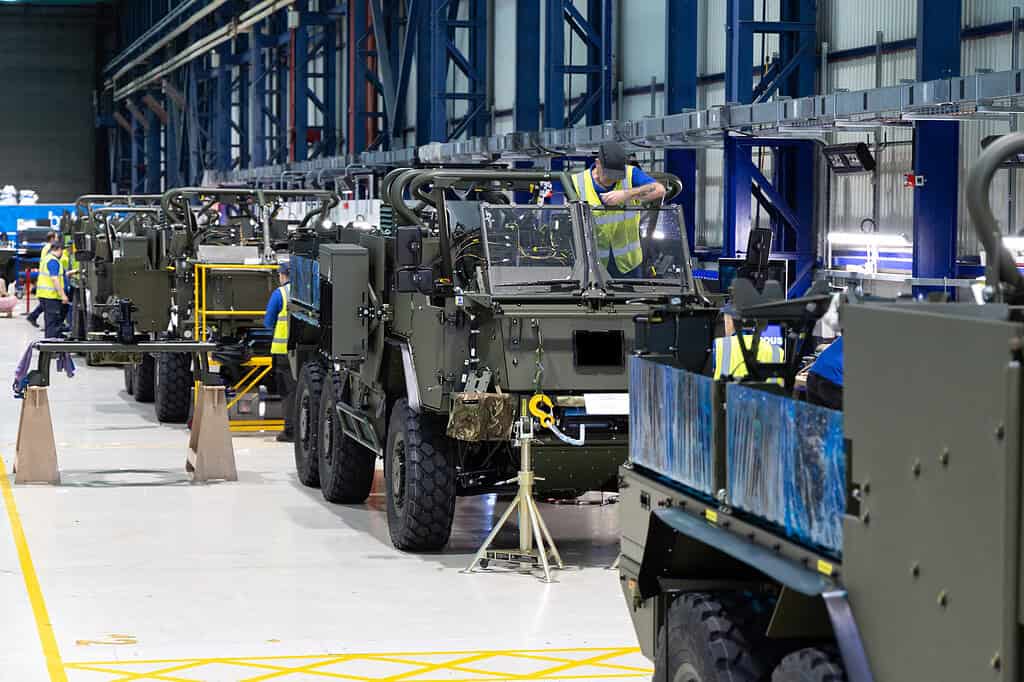
The wider European expansion is being led by the UK, Germany and France, while significant investment is also emerging in Poland, Spain, Italy, Sweden, Turkey, Belgium and the Netherlands. Artillery and munitions represent the largest individual investment category, with 52 facility investments recorded across Europe since January 2024.
The trend is also beginning to feed through into UK employment. UK Ministry of Defence (MOD) figures published in August showed defence-supported jobs in weapons and ammunition manufacturing had increased by 51% in 2024/2025, while defence expenditure supported a total 274,000 roles across UK industry.
For the UK, these figures point to a domestic defence industrial base that is being expanded not simply through large orders, but through new factories, additional production lines and increased capacity at its already established defence manufacturing facilities.
Sign up for our newsletter and get our latest content in your inbox.
Similar Reads