

Shield AI and Kraken demonstrate autonomous USV teaming in Portsmouth


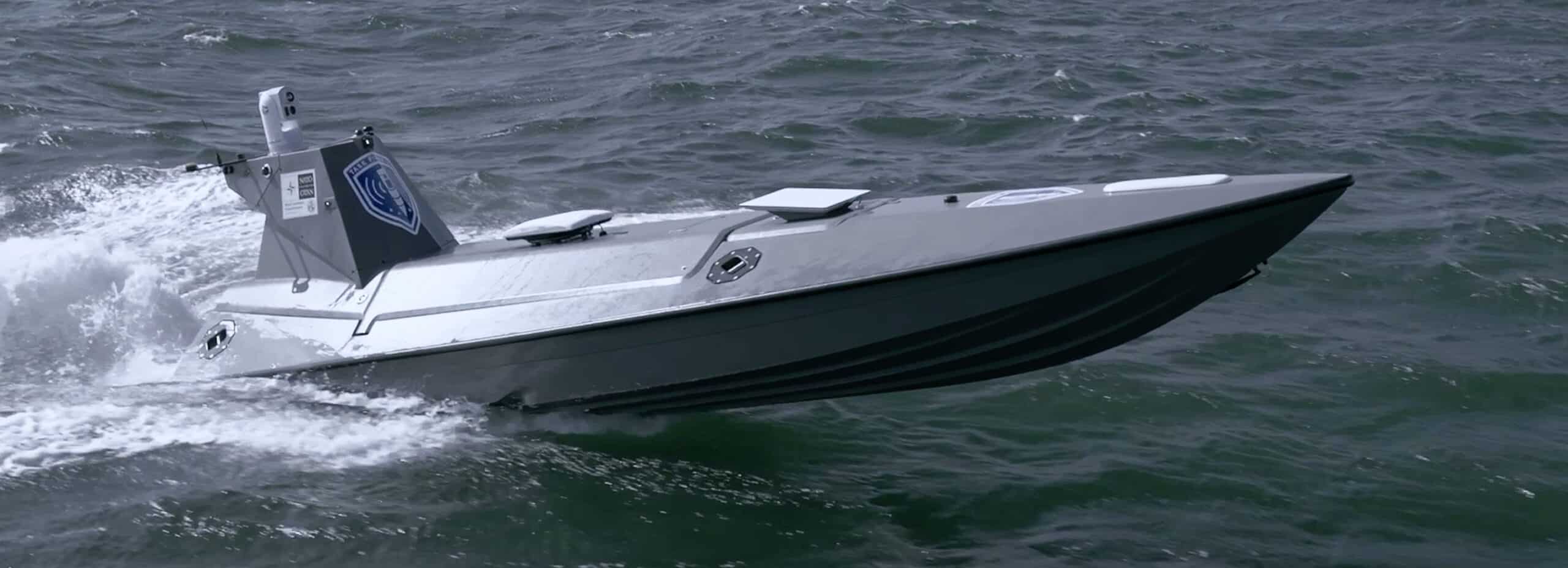
Two autonomous uncrewed surface vessels have successfully teamed up to detect, track and escort a target vessel during trials in Portsmouth. This marks US-based defence-tech company Shield AI‘s first UK demonstration of its Hivemind autonomy software.
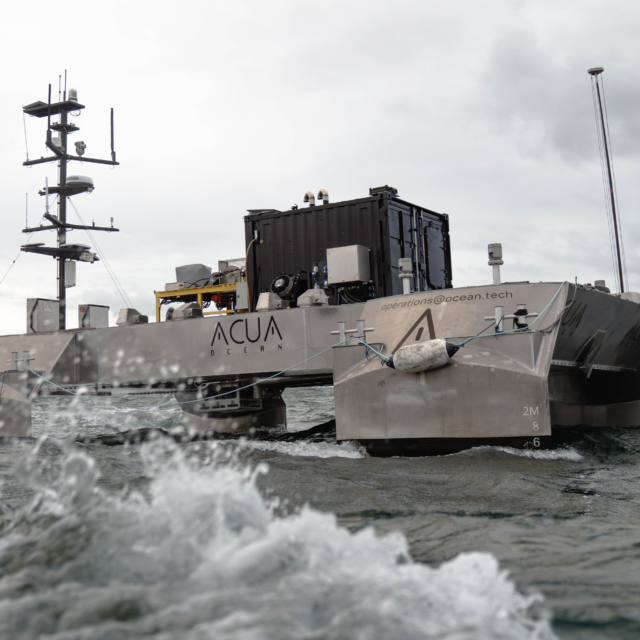
The trial, with Kraken Technology, used British-built Kraken’s modular K3 Scout uncrewed surface vessel (USV) and paired it with Shield AI’s Hivemind AI ‘brain ‘, a version of which also powers Collaborative Combat Aircraft.
The teaming demonstration showcased two Hivemind-enabled K3 Scouts “operating as an autonomous team, coordinating an intelligence, surveillance, and reconnaissance (ISR) mission.
Shield AI + @KrakenTechGroup: autonomous maritime teaming on British-built USVs
— Shield AI (@shieldaitech) September 28, 2026
Powered by Hivemind, two Kraken K3 SCOUT USVs searched an area, tracked and escorted a vessel of interest, then replanned the mission as one team. Our AI pilot enables autonomous vessels to share… pic.twitter.com/lzOGqRjfwi
Hivemind autonomously coordinated the two vessels as they searched a designated area using their onboard radars, cameras, and Automatic Identification System (AIS).
After a vessel of interest was detected and classified, Hivemind then directed the K3 Scouts to collaboratively track and escort the vessel from the operating area before autonomously resuming their search operations.
Transition to a hybrid fleet
Mal Crease, CEO and Founder of Kraken, said that the K3 Scout is built to be a “powerful force multiplier in the transition to a hybrid fleet.”
ADS Advance recently reported a setback for the company: it was found that Royal Navy K3 Scouts had incorporated components that were sending operational data to China.
Meanwhile, Christian Gutierrez, senior vice president of Hivemind at Shield AI, stated, “This collaboration with Kraken demonstrates how Hivemind enables autonomous maritime teams to operate as part of a larger, distributed force.”
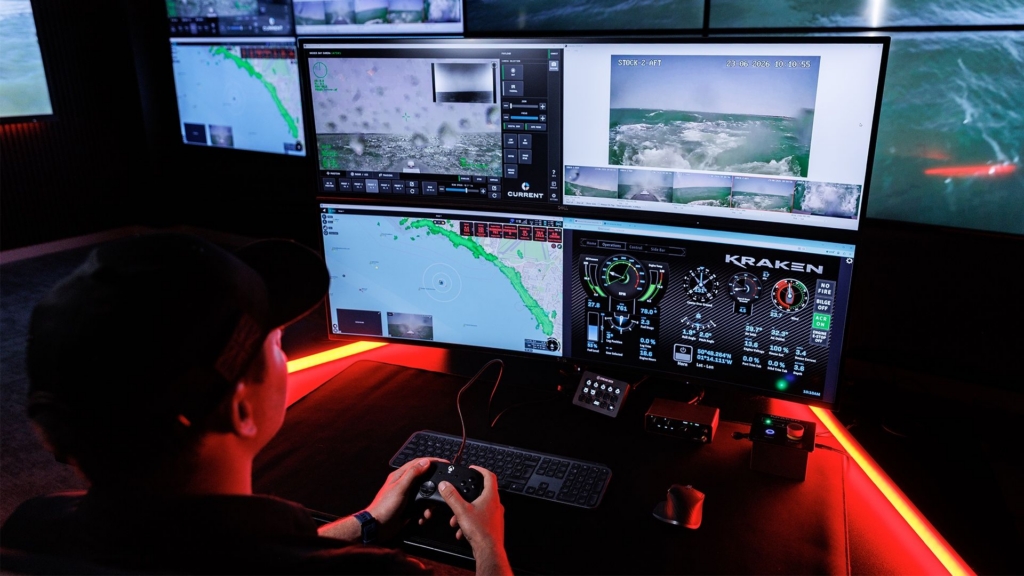
He noted that teaming USVs can help maritime operations address the vast blind spots at sea and process more data than any human operator can sift through in real time. Hivemind is designed to prioritise contacts of interest, adapt to changing conditions, and reduce crew loads.
The need to develop a networked picture
The demonstration showed how multiple autonomous systems can work together to build a common operational picture and then execute missions with greater speed, scale, and effectiveness than individual assets working independently.
The Royal Navy is now incorporating a range of autonomous assets under, on, and above the water. The service recently set a new record for having ocean gliders deployed for 64 days underwater, “hoovering up masses of data about the waters around the British Isles.”
Advanced mission software (like Hivemind) means that each autonomous craft doesn’t need to be controlled individually. Hivemind enables multiple autonomous platforms to share sensor data, adapt to changing conditions, and carry out missions.
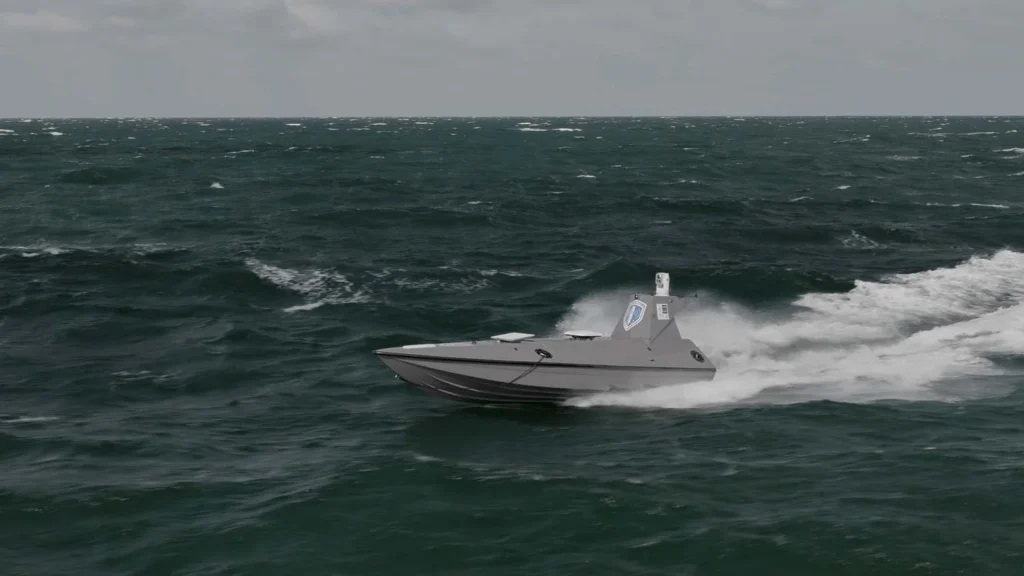
This is the basic concept of ‘swarming.’ Multiple drones are able to work together to accomplish a mission while avoiding obstacles, responding to unexpected conditions, and dynamically rerouting mission plans.
Despite the issue of its K3 Scouts sending information to China, Kraken says it plans to expand its collaboration with Shield AI, focusing on future joint trials in contested environments with the UK and NATO partners over the coming year.
Sign up for our newsletter and get our latest content in your inbox.
Similar Reads