

Royal Navy’s five ocean glider undersea drones gather Atlantic data in 64-day trial


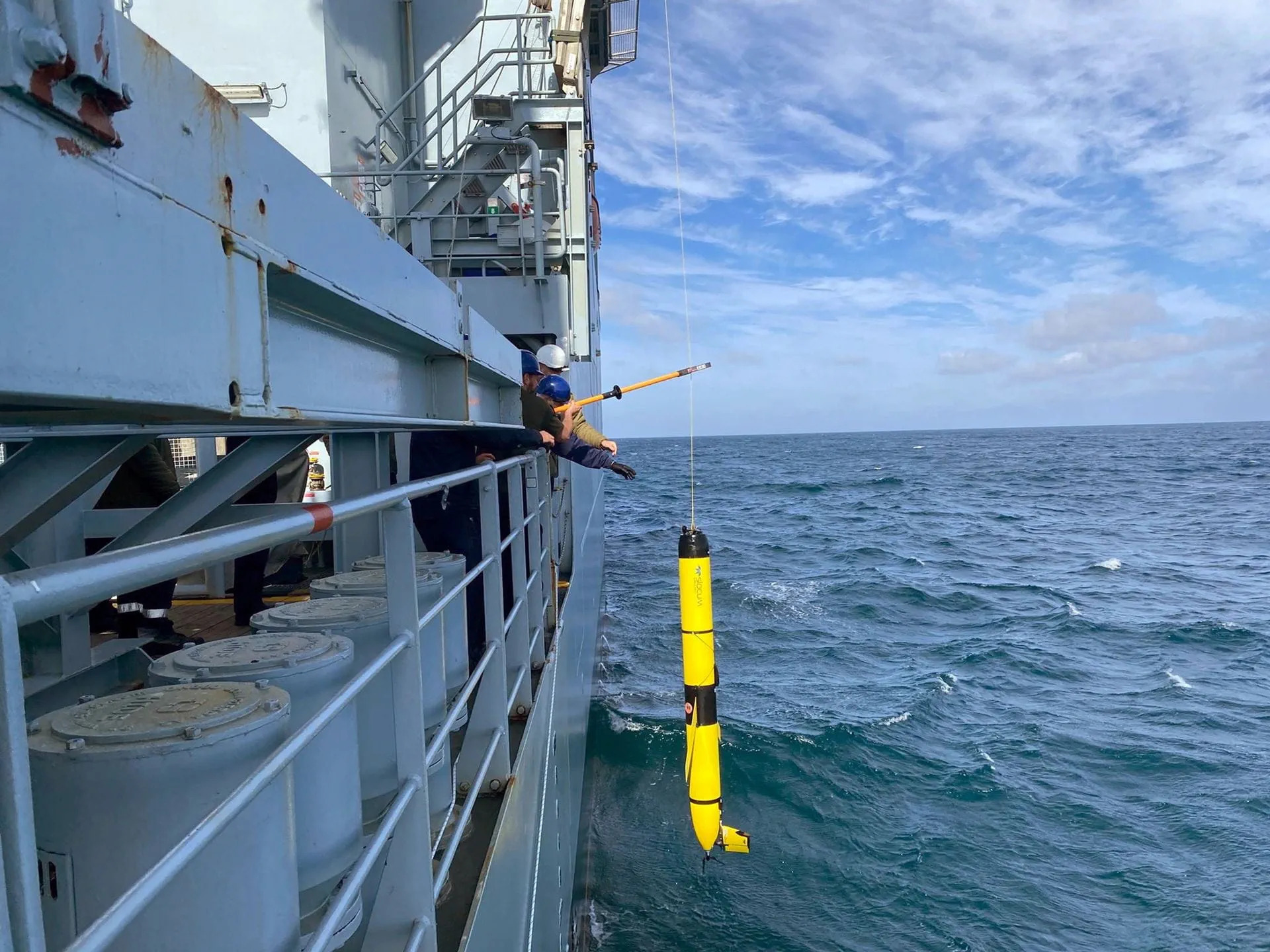
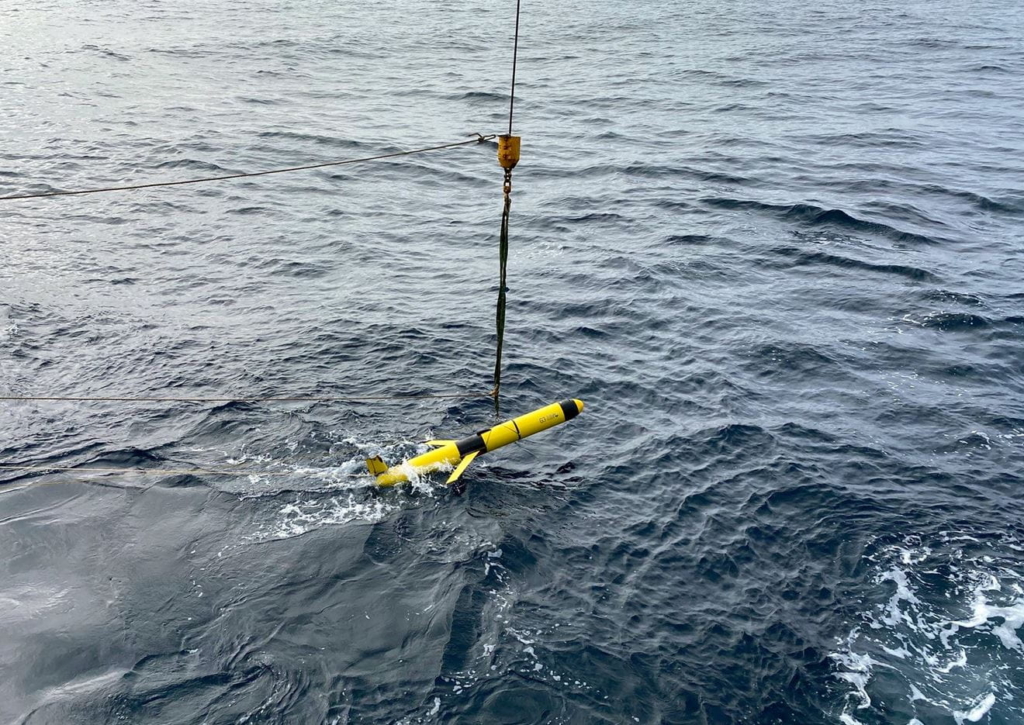
The Royal Navy has reported setting a new record for its largest and longest deployment of underwater drones. The service had five ‘ocean gliders’ deployed for 64 days underwater, “hoovering up masses of data about the waters around the British Isles.”
The coastal sea trials were led by the Devonport-based Meteorological and Oceanographic (METOC) Information Warfare Group (MIWG), and it gathered continuous oceanographic data. They gathered “reams of data” while also recording conductivity, temperature, levels of fluorescence, salinity, and more.
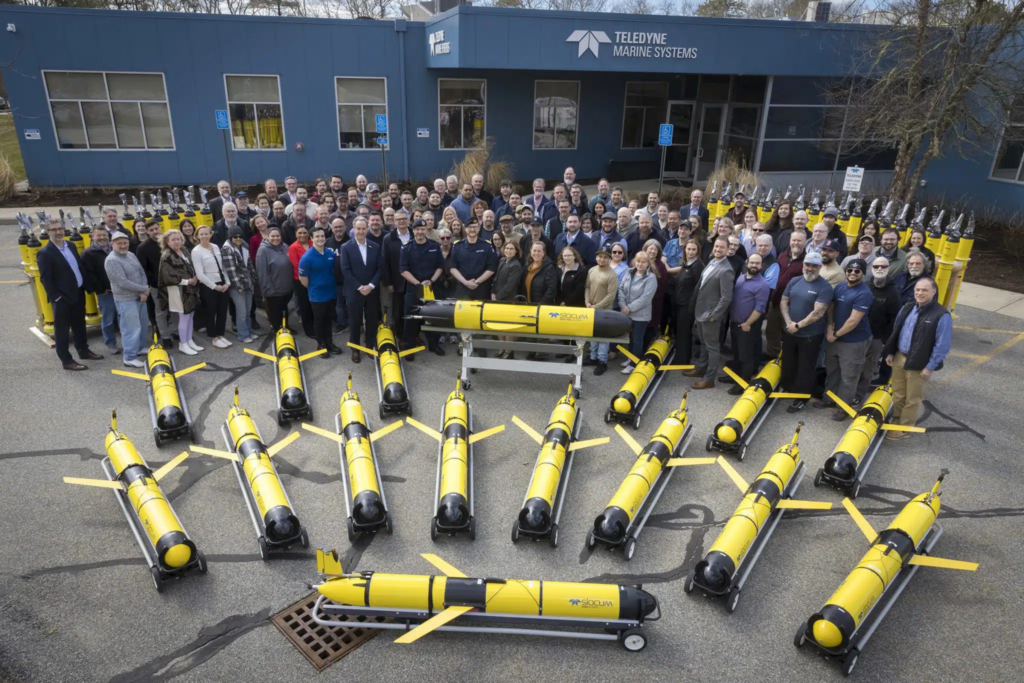
The Navy has been working with Teledyne Marine (part of the US-based part of Technologies Incorporated) for a year to deliver advanced uncrewed sensing systems to the frontline. These include Slocum gliders and APEX profiling floats, which are designed for remote persistent data collection.
An important step to becoming a hybrid navy
The five Slocum G3 gliders operated entirely independently and marked a shift from crewed operations as the Royal Navy transforms into a hybrid navy.
These underwater drones are an important component of the Navy’s Future Military Data Gathering Programme to transition meteorological and oceanographic data collection from crewed vessels to a distributed network of autonomous systems and specialist deployable teams.
Commander Neil Masson, Commanding Officer of MIWG and Head of Information Warfare METOC, said, “This deployment proves that autonomous systems are now part of how the Royal Navy gathers environmental intelligence.”
Masson also added that MIWG has delivered persistent oceanographic collection at scale, giving commanders the “information they need to gain warfighting advantage.” The Navy is working to rapidly mature these autonomous systems into an operationally credible system.
In March 2026, Teledyne reported on the contract to supply these underwater vehicles to the Royal Navy.
At the time, George Bobb, President and CEO of Teledyne, said, “This investment in autonomous ocean sensing strengthens the Royal Navy’s ability to understand and operate in an increasingly contested North Atlantic, supporting Atlantic Bastion. As we take this forward under the First Sea Lord’s Hybrid Navy agenda…”
Aiding the Royal Navy’s anti-submarine warfare capabilities
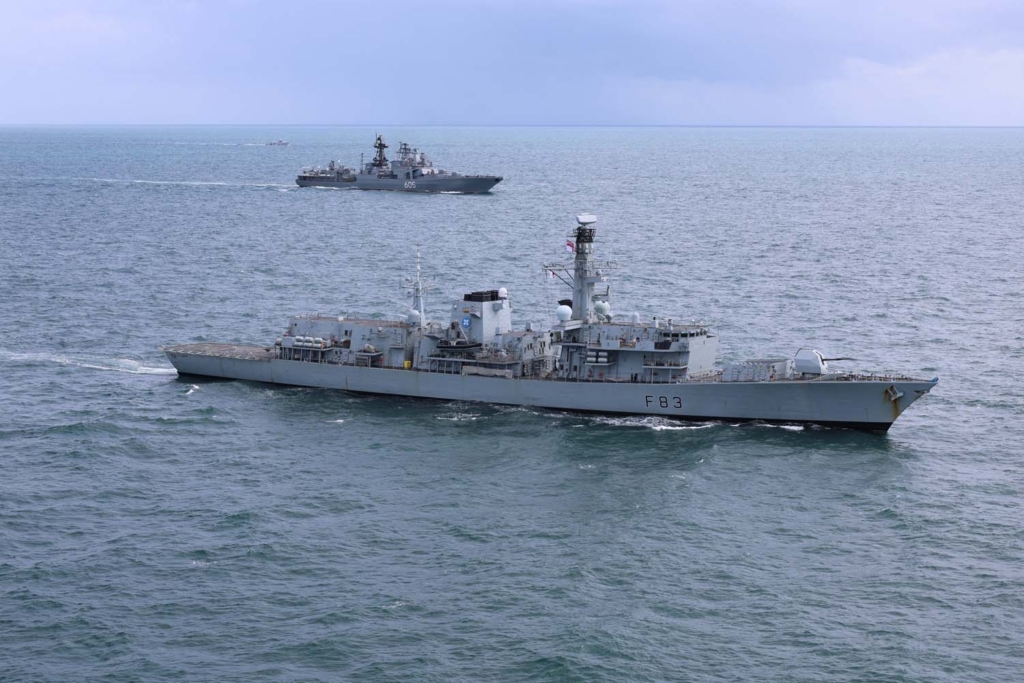
The autonomous sensing platforms are directly related to the UK’s Atlantic Bastion initiative to enhance situational awareness, resilience, and anti-submarine warfare (ASW) capabilities across the North Atlantic.
From the Cold War until now, anti-submarine warfare has been one of the Royal Navy’s most important missions around which it has been structured. The Russian submarine fleet, more than its surface fleet, is considered capable and a threat in the Atlantic.
The Royal Navy has also deployed a network of ocean-profiling floats across the Euro-Atlantic region. These provide real-time data used by both the Met Office and the UK Hydrographic Office.
In 2024 and 2025, autonomous oceanographic systems generated over 193,000 observations. This is described as equal to more than half of the total observations collected through traditional methods during the last 77 years.
Teledyne employs around 2,700 people across 18 main sites in the UK, and it has delivered more than 12,000 APEX floats and 1,290 Slocum gliders globally. Its Gavia AUV systems have been purchased by 18 navies.
Sign up for our newsletter and get our latest content in your inbox.
Similar Reads