

British Transport Police extends facial recognition trial despite zero direct arrests


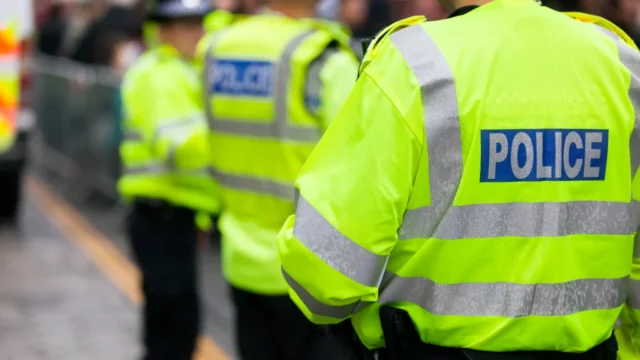
The British Transport Police is pressing ahead with live facial recognition technology on London’s transport network after a six-month trial scanned more than 500,000 faces but produced no arrests directly resulting from an alert.
The trial, conducted at London railway stations between February and July, cost £320,786 and involved 18 deployments and almost 100 hours of police officers’ time. It generated a single watchlist alert, which turned out to be an incorrect identification.
The figures were obtained through a Freedom of Information request by Liberty Investigates and first reported by The Guardian.
Despite those results, BTP has extended the pilot for a further four months and expanded deployments to selected London Underground stations. The force says the programme is intended to determine how effectively the technology can identify wanted offenders and people who may pose a risk to passengers and staff.
The extension means the technology will continue to be tested until November. BTP says deployments are intelligence-led and focused on locations where data indicates that high-harm offenders are likely to pass through.
How the BTP’s facial recognition system works
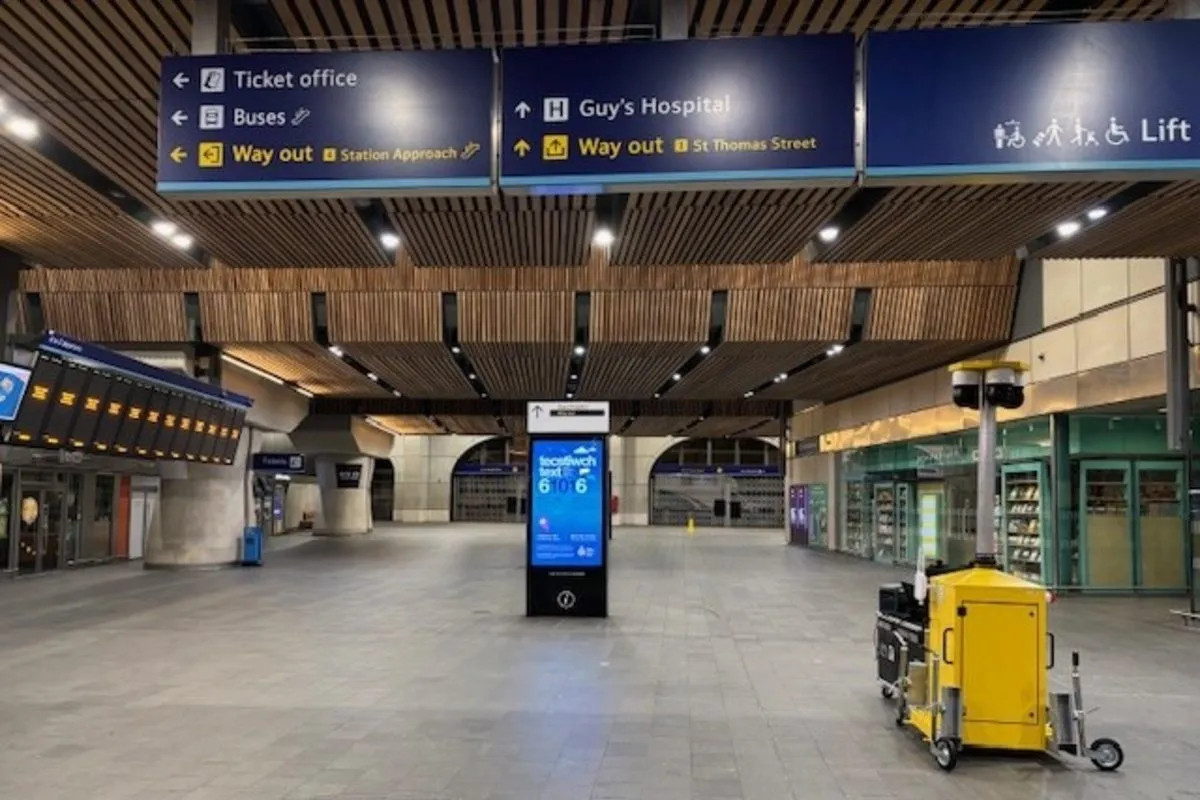
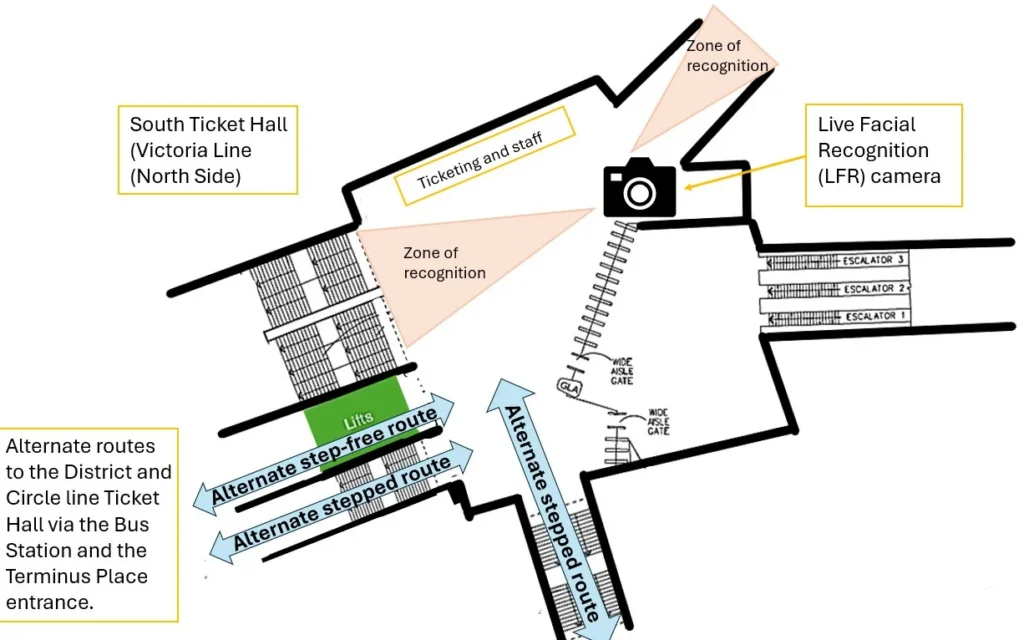
BTP is using NEC’s NeoFace M40 facial recognition technology. Cameras scan people entering a designated area and compare their faces with images held on a police watchlist.
If the software identifies a possible match, it generates an alert for an officer to review. The officer then decides whether to stop the person. BTP says the system cannot identify people who are not on the watchlist and that their biometric data is immediately deleted.
The watchlists can include people wanted by police or the courts, as well as individuals subject to court orders with specific conditions.
BTP began the pilot on 11 February at selected London transport hubs before expanding it to Underground stations in August. The force says the trial is intended to assess the effectiveness of LFR on the railway, its impact on public safety and the public response to its use.
Transport for London (TfL has backed the expanded trial. TfL said the technology would be used to identify people on police watchlists at selected stations and would specifically seek to tackle violence against women and girls, including sexual harassment and sexual offences.
Since the extension began, BTP has reported three positive alerts involving people who were subsequently confirmed to be complying with sexual harm prevention orders or other court-imposed conditions.
BTP points to associated arrests
The absence of arrests directly generated by LFR during the initial six-month trial does not mean officers made no arrests while the technology was being deployed.
BTP said officers made a number of associated arrests for offences including assault, theft, possession of an offensive weapon, breach of a criminal behaviour order and public order offences. Officers also located people wanted by courts and other police forces.
However, BTP said those arrests were not included in the technology’s performance figures because they did not result directly from an LFR alert.
“Throughout the pilot, we have continued to refine how the capability is deployed within the railway environment,” a BTP spokesperson was quoted by The Guardian.
The force said the purpose of the pilot was “to understand how the technology could most effectively support the identification of wanted offenders and individuals who may pose a risk to passengers and staff”.
Questions over effectiveness and safeguards
The results have nevertheless prompted questions about the effectiveness and proportionality of using facial recognition in busy public transport locations.
Fraser Sampson, a former UK biometrics and surveillance camera commissioner and now a non-executive director at facial recognition company Facewatch, said the circumstances in which the technology is deployed are important.
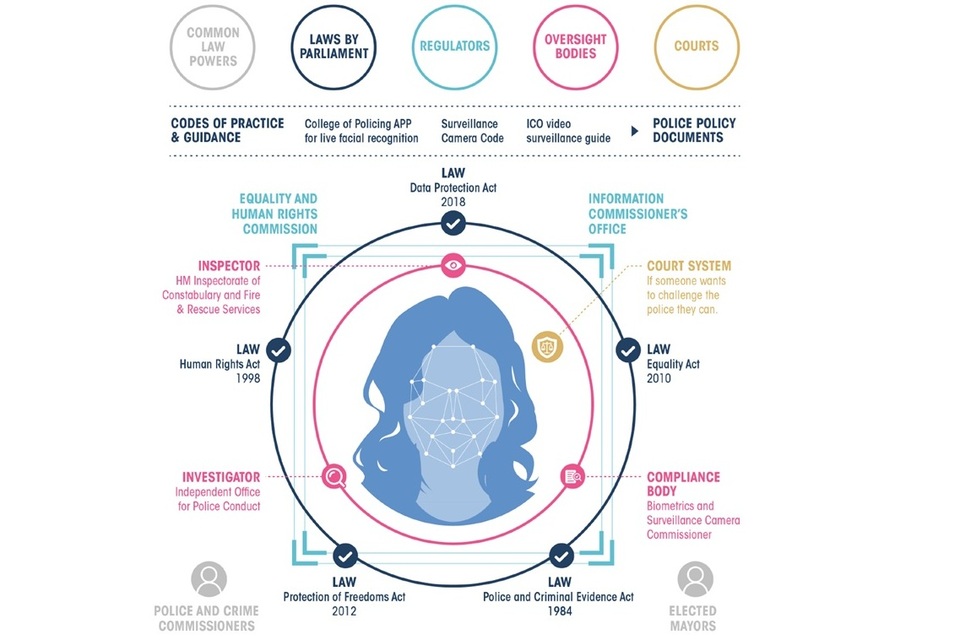
“We know the technology works, but using it in supermarkets to deter shoplifters and prevent attacks on staff is very different from deploying it to catch people on a public transport network,” Sampson said.
“Success for the police trying to catch people means people being caught. In that respect the trial doesn’t appear to have been very fruitful,” he was quoted by the newspaper.
Civil liberties groups have also raised concerns about privacy and the legal framework governing police use of the technology.
Labour MP Bell Ribeiro-Addy called live facial recognition “a serious invasion of our privacy” and said the government should suspend further rollout until stronger safeguards and a legal framework are in place, the paper said.
Sign up for our newsletter and get our latest content in your inbox.
Similar Reads


Sign up for our newsletter. Select all sectors relevant to you.
Related