Windracers ULTRA achieves first autonomous BVLOS flight in Indiana Drone Corridor

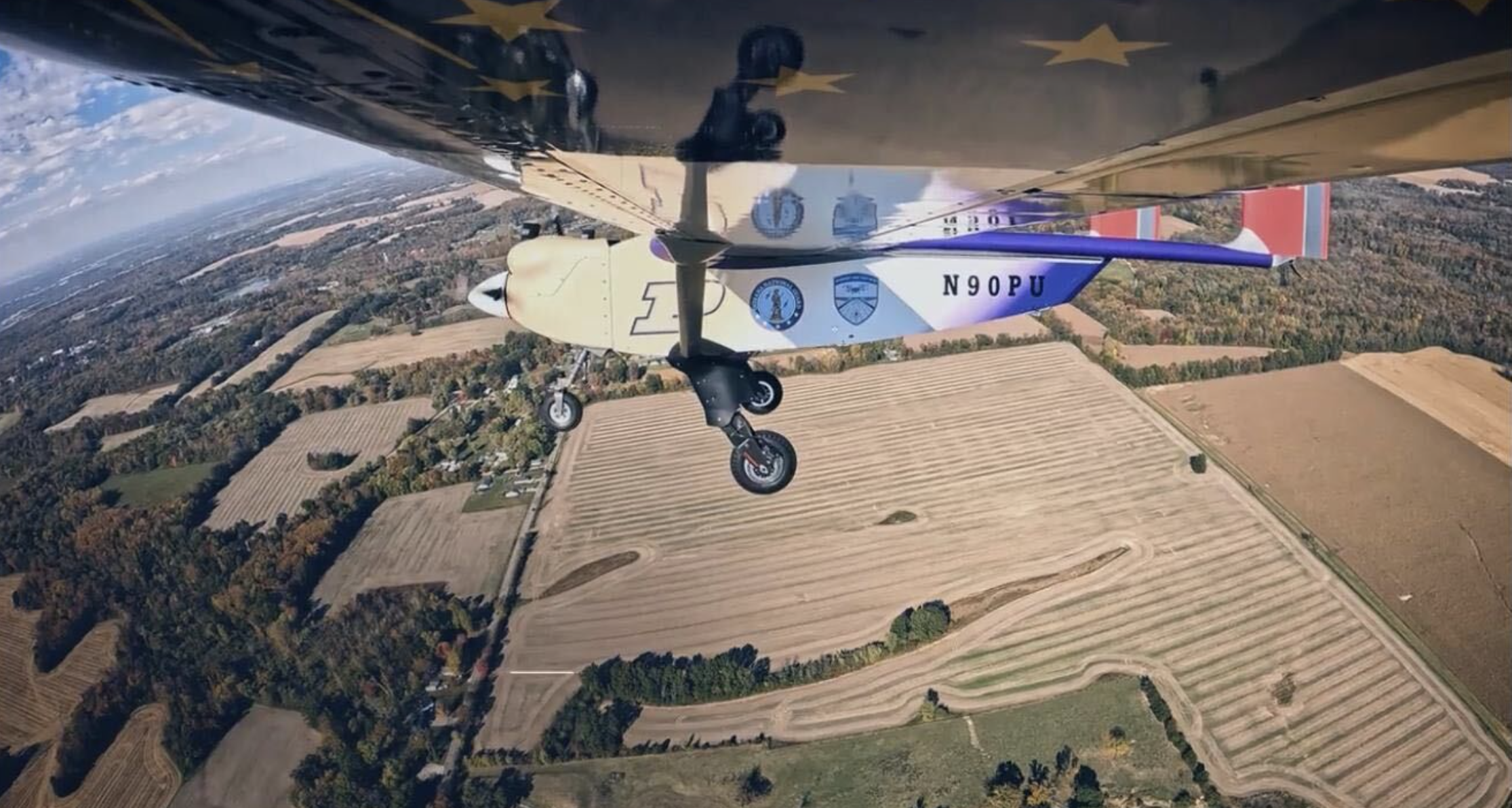
A British-made Windracers ULTRA cargo drone owned by Purdue University has become the first autonomous aircraft to complete a beyond visual line of sight (BVLOS) flight in the newly established Indiana Drone Corridor, marking a significant new milestone for uncrewed aviation testing in the US.
The milestone test flight took place on 29 October, during the official opening of the Midwest UAS Test Site of Indiana at Terre Haute Regional Airport. Covering more than 50 miles within the corridor’s 200-plus-mile airspace, the test flight ultimately demonstrated the potential of large autonomous aircraft to operate over extended distances beyond the direct visual range of ground-based operators.
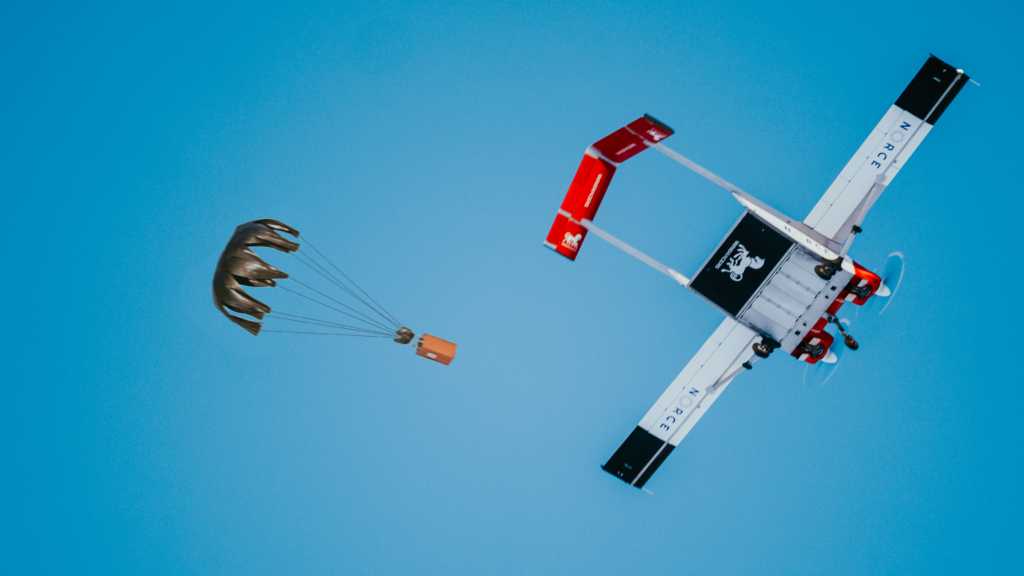
Windracers, the UK-based developer of dual-use heavy-lift autonomous cargo aircraft, announced the achievement on 2 November. The firm added that the opening ceremony was attended by Indiana Governor Mike Braun, US Senator Todd Young and US House Representative Mark Messmer, who also witnessed a demonstration of the ULTRA’s autonomous parachute-based resupply abilities.
Putting British autonomous heavy-lift aviation to the test in Indiana
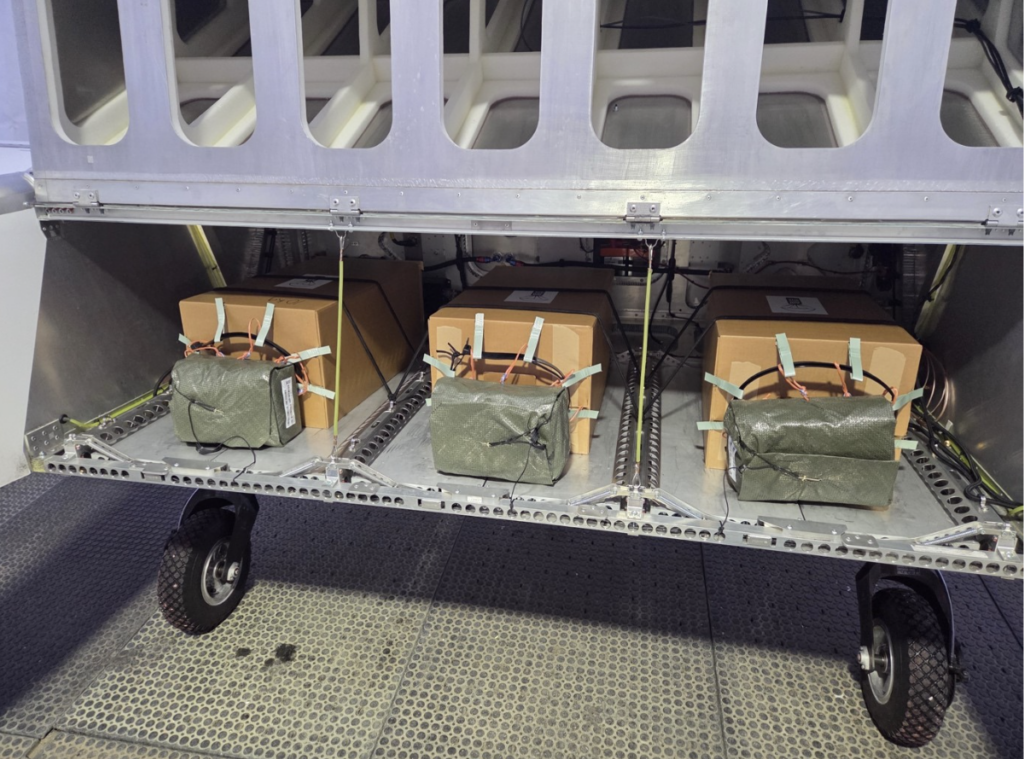
With a wingspan of 33ft (10m) and an aluminium airframe, the Windracers ULTRA uses a proprietary flight control system to operate autonomously. Its three-bay cargo drop configuration – which can carry more than 330lb (150kg) of useful payload – enables supplies to be released in flight, providing potential applications across logistical, humanitarian assistance/disaster relief (HA/DR) and defence operations.
Purdue University is working with Windracers through its Center on AI for Digital, Autonomous and Augmented Aviation (AIDA3) initiative to advance the safety and efficiency of autonomous air systems. The university intends to use the aircraft for testing and evaluating applications relevant to Indiana, particularly the delivery of emergency supplies by parachute to communities affected by seasonal flooding.
Damon Lercel, Associate Professor at the Purdue Polytechnic Institute’s School of Aviation and Transportation Technology (SATT), described the corridor’s opening as a major milestone for Indiana and the wider Midwest region.
He said: “By providing a dedicated space where industry and academia can conduct large-scale [research and development] in a real-world environment, Indiana is accelerating the future of Advanced Air Mobility (AAM)…
“The technologies developed and built here will directly improve the lives of Hoosiers, whether [it is] by reducing road congestion, enhancing emergency response capabilities, or optimising critical medical delivery services,” he added.
Laying the foundations for autonomous US drone operations
The Indiana Drone Corridor is managed by the Indiana Economic Development Corporation and Applied Research Institute (ARI), following its selection in January 2026 by the US Department of Transportation and Federal Aviation Administration (FAA) as one of two new UAS test sites.
Andrew Kossack, the President and CEO of ARI, said the initiative would connect the Midwest’s manufacturing capabilities with flight testing, defence expertise and research, helping to bring new aviation technologies to market while bolstering the region’s industrial base.
“Our ambition reaches across the region: help innovators develop their systems, prove them in relevant environments and build them here. That creates opportunities for companies and workers throughout the Midwest while strengthening America’s defence and industrial base,” he added.
For Windracers, the achievement represents its second BVLOS flight with the ULTRA in the US. On 19 August 2026, the autonomous aircraft completed a 670-mile flight in Alaska, supporting research into the safe transportation of anti-doping blood samples over long distances. That project involved the University of Alaska Fairbanks, the International Testing Agency and Sysmex America.
The Founder and Group Chairman of Windracers, Stephen Wright, said the firm welcomed Indiana’s investment in an environment where autonomous technologies could be evaluated for their efficacy, reliability and safety in real-world applications.
“Windracers is committed to advancing autonomous aviation not only to support the delivery of our customers’ missions but also as a means to develop a new segment to the global aviation industry,” he added.
With the ULTRA now operating across two FAA-designated UAS test sites, the recent Indiana milestone provides another important step towards demonstrating the practical potential of autonomous heavy-lift air mobility operations.
Sign up for our newsletter and get our latest content in your inbox.
Similar Reads


Sign up for our newsletter. Select all sectors relevant to you.
Related