Lord Coaker calls for greater UK resilience against cyberattacks and infrastructure threats

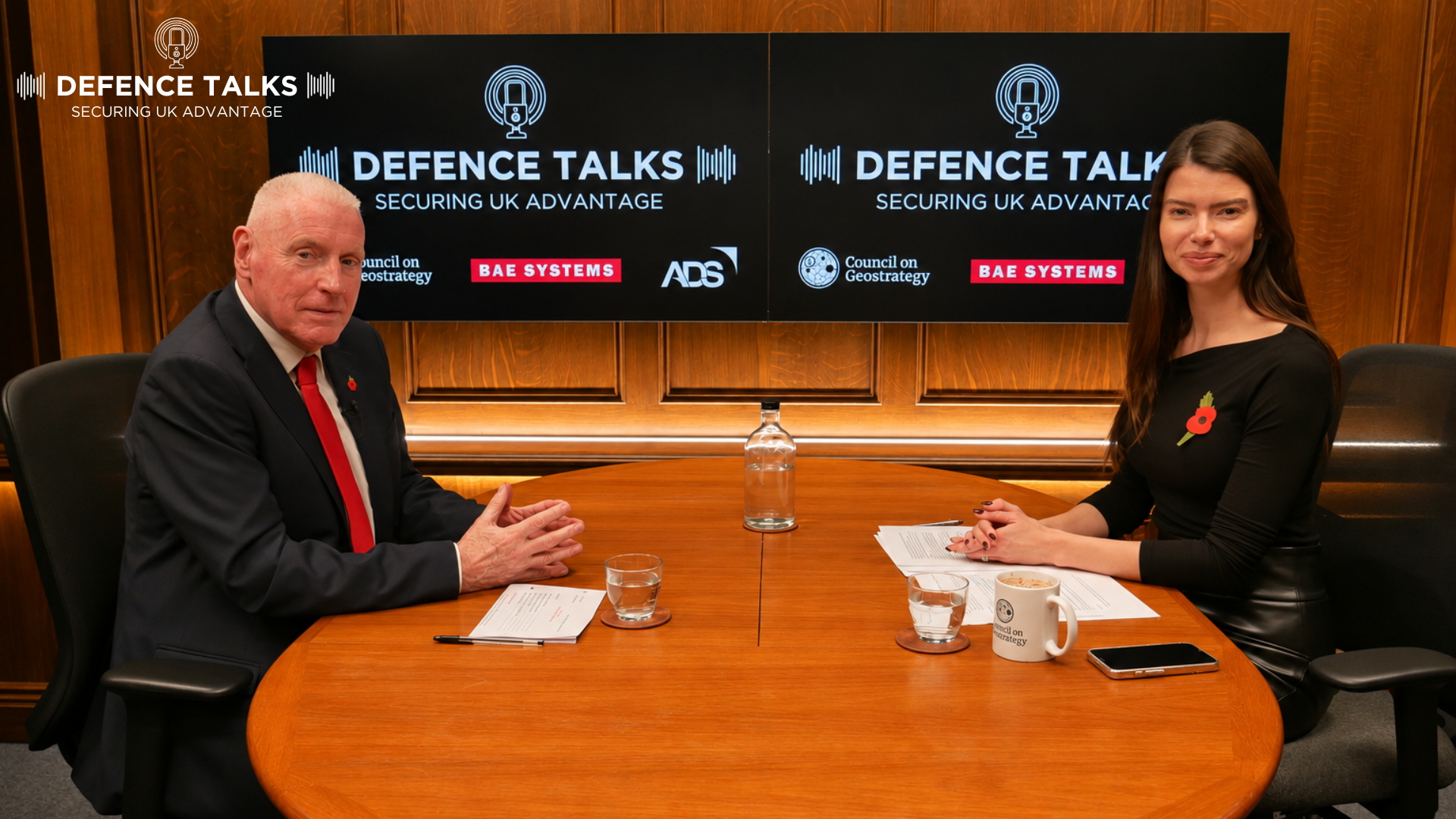
Lord Coaker, Minister of State at the Ministry of Defence, has called for greater national preparedness against cyberattacks, disruption to critical infrastructure and other security threats, as the government rolls out its three-year Be Ready campaign.
Speaking on a special Remembrance Day episode of the Defence Talks: Securing the UK Advantage podcast – from the Council on Geostrategy , in partnership with ADS Group, and BAE Systems – he stressed that modern threats extend far beyond conventional military conflict.
He told host Viktorija Starych-Samuoliene: “You prepare for war to prevent war. You don’t want war, but we know that sometimes you have to prepare for it to deal with threats.”
Lord Coaker highlighted the risks posed by cyber warfare and disruption to energy supplies.
He said: “Those threats in today’s world are not only what we traditionally see as warfare – tanks, aeroplanes, soldiers, warships – but threats to do with cyber warfare, misinformation, undersea communication cables, energy supplies, and all those aspects we sometimes call the grey zone. “
And he highlighted how developments thousands of miles away can affect UK security, adding: “Imagine if there were no ability to communicate, Or no ability to get the energy we need. We’ve seen examples recently with Iran regarding the impact on energy routes through the Strait of Hormuz that we depend upon.”
Protecting UK infrastructure and supply chains
The government’s wider resilience strategy places increasing emphasis on protecting critical national infrastructure, including communications networks, transport systems, energy supplies and digital services.
Its July 2026 Resilience Action Plan implementation report identified cyberattacks, supply chain disruption and other security threats among the risks requiring stronger national preparedness.
Lord Coaker said the government was looking at how essential systems would respond to major incidents, including threats to communications networks, data systems, transport corridors and undersea cables.
He said: “Rather than treating these scenarios as a ‘game,’ we establish realistic stress tests: if an incident occurs, how does the system respond? How do we reassure the public, and how do we ensure support reaches those who need it?
“We often imagine conflict happening abroad, but we regularly face cyber attacks domestically. We saw the disruption caused recently when supermarket refrigeration and supply systems were targeted.“
He also highlighted plans for major cross-government exercises in 2027, led by the Cabinet Office and Security Minister, to “stress test” the UK’s response to serious disruption.
Military and NHS to strengthen emergency response planning
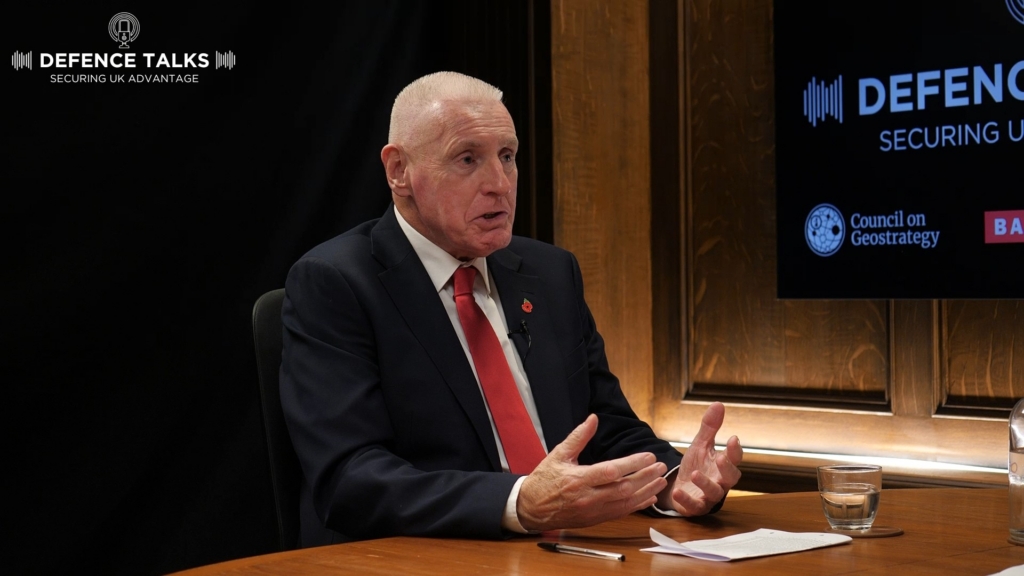
Lord Coaker also discussed plans for more regular joint exercises involving the armed forces, NHS, police and emergency services.
He said a recent exercise involving the military and NHS had tested responses to complex crises, while future planning would examine how military medical resources and civilian healthcare services could work together during conflict or national emergencies.
“Part of this involves planning how NHS staff and military medical assets would coordinate during conflict, but it also applies to civil emergencies. This includes evaluating pharmaceutical stockpiles and ensuring continuous supply lines for regular prescription medications during prolonged disruption.”
Government’s “Be Ready” campaign aims to improve national preparedness
The government’s three-year Be Ready campaign, launched by the Cabinet Office on 22 October, encourages households to prepare for emergencies, including cyberattacks, severe weather and disruption to essential services.
The initiative advises people to keep at least three days’ worth of essential supplies in case electricity, water, communications or other services become unavailable. More than 500 organisations, including businesses, charities and community groups, signed up to help distribute the advice at launch.
Asked about the finding that only 13% of people feel prepared for an emergency, he said: “That is precisely why we launched the campaign. We want that figure to rise.
“Anecdotally, the response has caused many people to think about preparedness. Evidence from supermarkets and retailers shows increased sales of tinned goods, batteries, torches, and wind-up radios, with some having to restock. It is common sense: do not be alarmed, but take sensible preliminary precautions.”
Lord Coaker pays Remembrance Day tribute
During the podcast, Lord Coaker also reflected on the personal significance of Remembrance Day, recalling his uncle, who was killed during the D-Day landings on 6 June 1944.
He said: “I often go to see his grave in France. I am reminded of that all the time, but particularly on Remembrance Sunday.
“What I think is also important is seeing so many young people involved in Remembrance events. The freedom and rights they enjoy were won by previous generations and are protected by those who serve today.”
He added: “People sometimes treat concepts like honour, duty, respect, service, and patriotism as though they are old-fashioned values. Those who served and sacrificed would tell us that these values are as vital today as they have ever been. It was through those principles that they defended democracy, freedom, and human rights.”
And he spoke about the importance of honouring serving armed forces, saying: “Sometimes we need to remind ourselves of the importance of the men and women who serve: for them to know that society is behind them, that their country is behind them, that we value what they do, and we respect and honour what they do. Solidarity, I would say, is the most important: we stand with you even if you’re thousands of miles away.”
The Defence Talks podcast from the Council on Geostrategy – in partnership with trade association ADS Group, and BAE Systems – is out now.
Sign up for our newsletter and get our latest content in your inbox.
Similar Reads



Sign up for our newsletter. Select all sectors relevant to you.
Related