Heathrow Airport defends controversial airline terminal changes following Virgin and Delta criticism
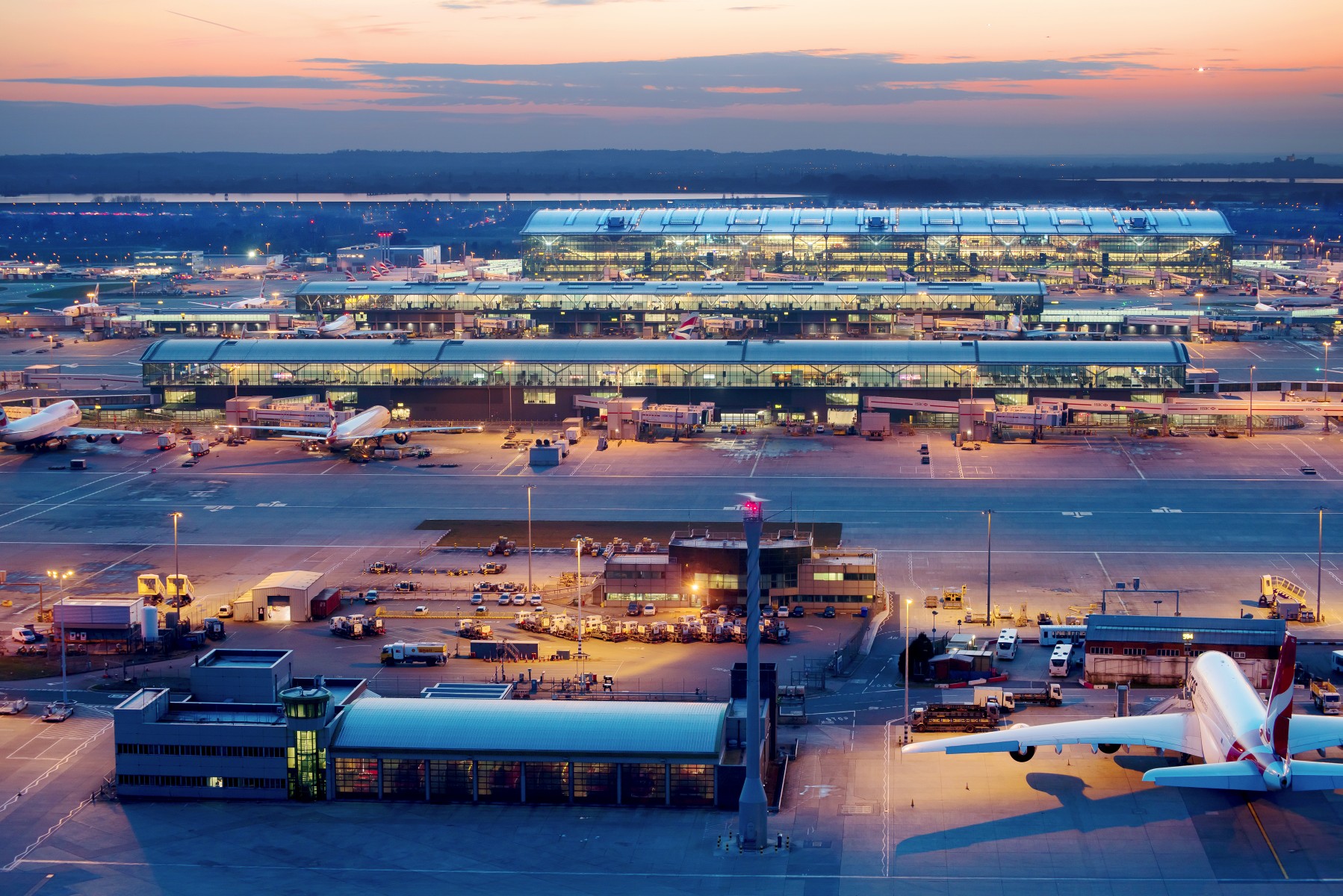
Speaking at the Airlines 2026 conference in London on Wednesday, Heathrow Airport CEO Thomas Woldbye defended his decision to relocate a handful of airlines across terminals effective 2028 in a move to better use available capacity.
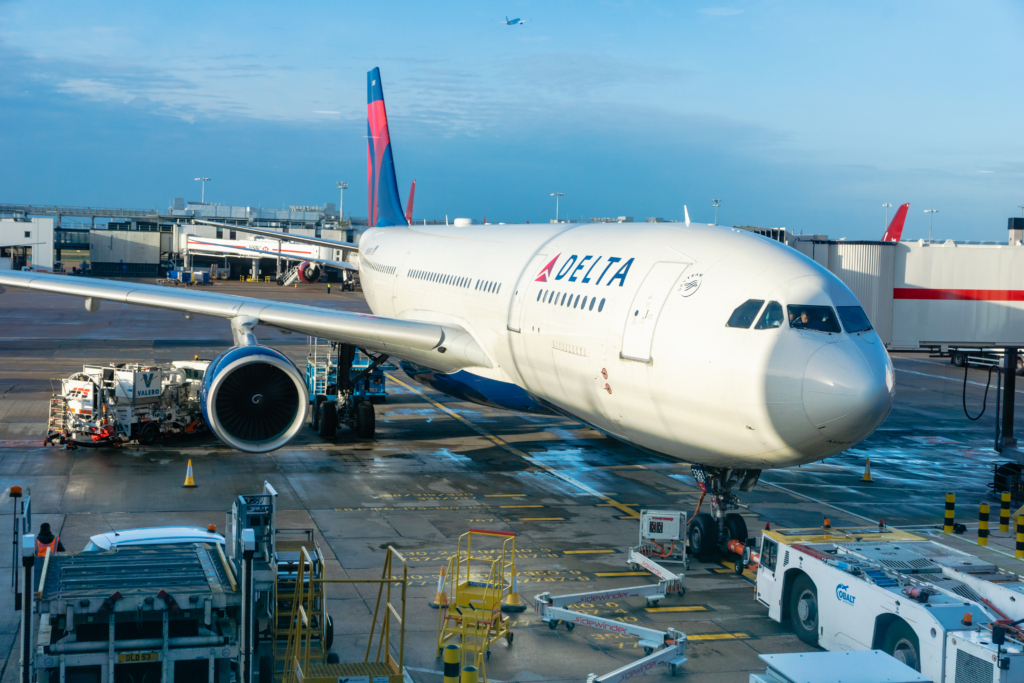
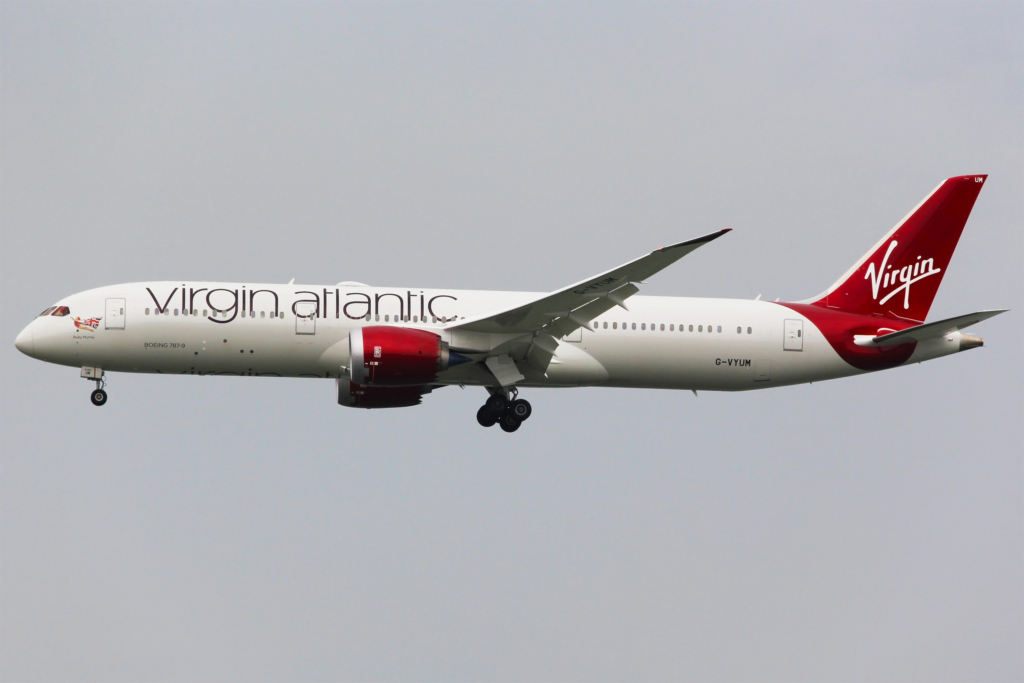
Among those affected include Virgin Atlantic and Delta Air Lines, engaged in a joint-venture, that would be separated. Under the new plans, Delta would shift from terminal 3 to terminal 4.
The aim is to increase passenger capacity
Woldbye says that these “marginal decisions” are critical in the absence of a third runway, assuring that should it be built, the two airlines would “definitely” be moved back together to ease connectivity.
Woldbye says that he has a “legal and regulatory obligation” to use all remaining available capacity at the airport. Terminal 4 remains slightly underutilised. By shifting airlines around, the airport hopes to generate space for roughly 2.5 million additional passengers per year.
“We have had a lot of consultation with our airlines,” he said. “We of course use that insight to do the best we possibly can to mitigate and we have two years to do that to mitigate the impact that it will have.”
A decision that will hurt Virgin Atlantic and Delta Air Lines
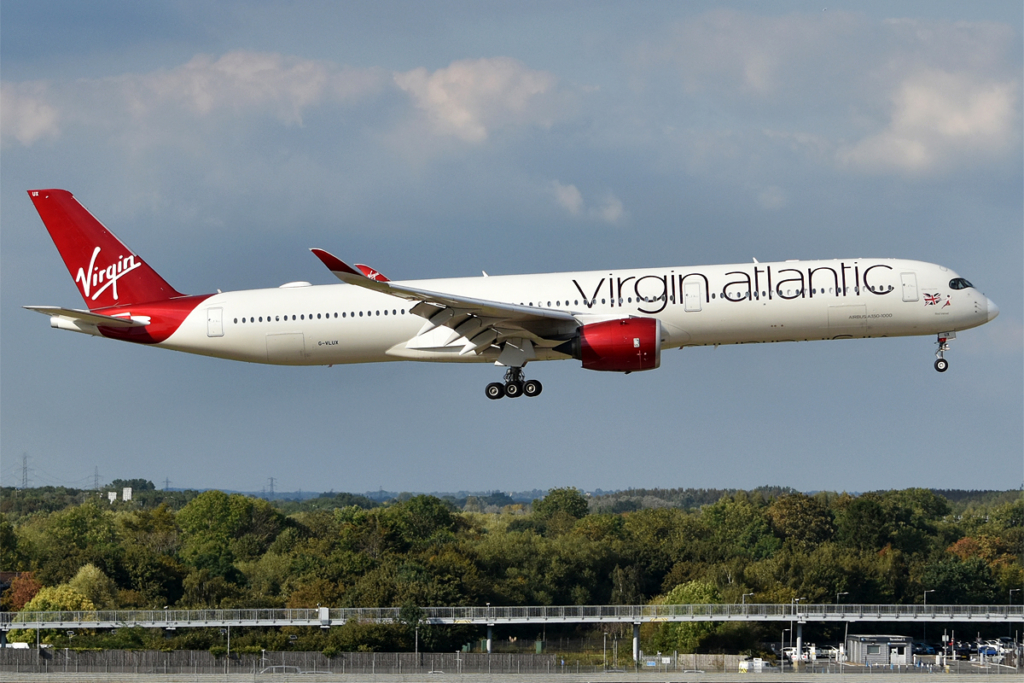
Virgin Atlantic CEO Corneel Koster was not shy in calling out the impact the decision will have on his customers and business. He slammed the plans as “outrageous” echoing earlier declarations on the topic. “It’s completely anti-competitive. It’s mindless,” he added.
“There is no way that we will ever accept this,” Koster told the conference on Wednesday.
“Heathrow refuses to engage commercially. If you know Virgin Atlantic, we’re not going to sit quietly between a rock and a hard place. We’re going to challenge this extremely hard,” he threatened.
The executive also called on the UK government to “take a closer look at this.”
An impact on connectivity and competition
The CEO highlighted the importance of connecting traffic for which the Delta-Virgin joint venture provides, particularly on the US-Africa/Asia markets and vice-versa.
His calculations suggest that the entry of Virgin Atlantic on routes otherwise operated solely by British Airways pushes fares down by 16% on average, and up to 21% in economy class.
A drop in feeder traffic through its Delta Air Lines partnership may mean that “not all routes will be viable,” he warned.
Judging an abuse of market power or anti-competitive behaviour
For its part, the UK Civil Aviation Authority (CAA) says that it will consider whatever is on its desk, but should the move be deemed anti-competitive then the decision lies with the Consumer Markets Authority.
However, the regulator does have the power to judge whether London Heathrow Airport’s market power was “appropriately deployed” in this instance or abused.
“Clearly there is a sense of credibility to having to look at how you unlock stranded capacity in your campus,” CEO of the UK CAA, Rob Bishton told the conference. “How that’s done and the engagement on that from a market power perspective is something that – if it was put in front of us – we would have to consider.”
He concluded: “These are serious issues that are being raised and all I can commit to is saying that we consider, as we have done today, that which is put in front of us and we will play our role.”
Sign up for our newsletter and get our latest content in your inbox.
Similar Reads


Sign up for our newsletter. Select all sectors relevant to you.
Related