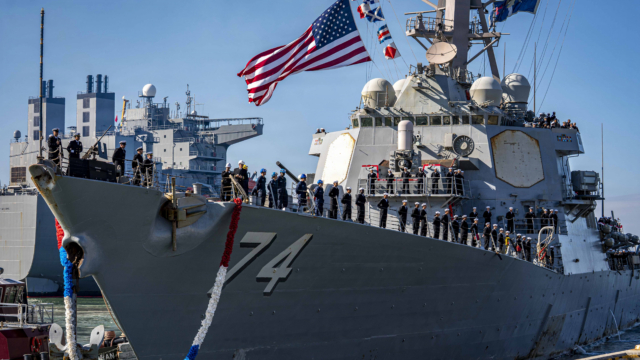
UK faces 41% rise in Russian naval activity as undersea threat grows

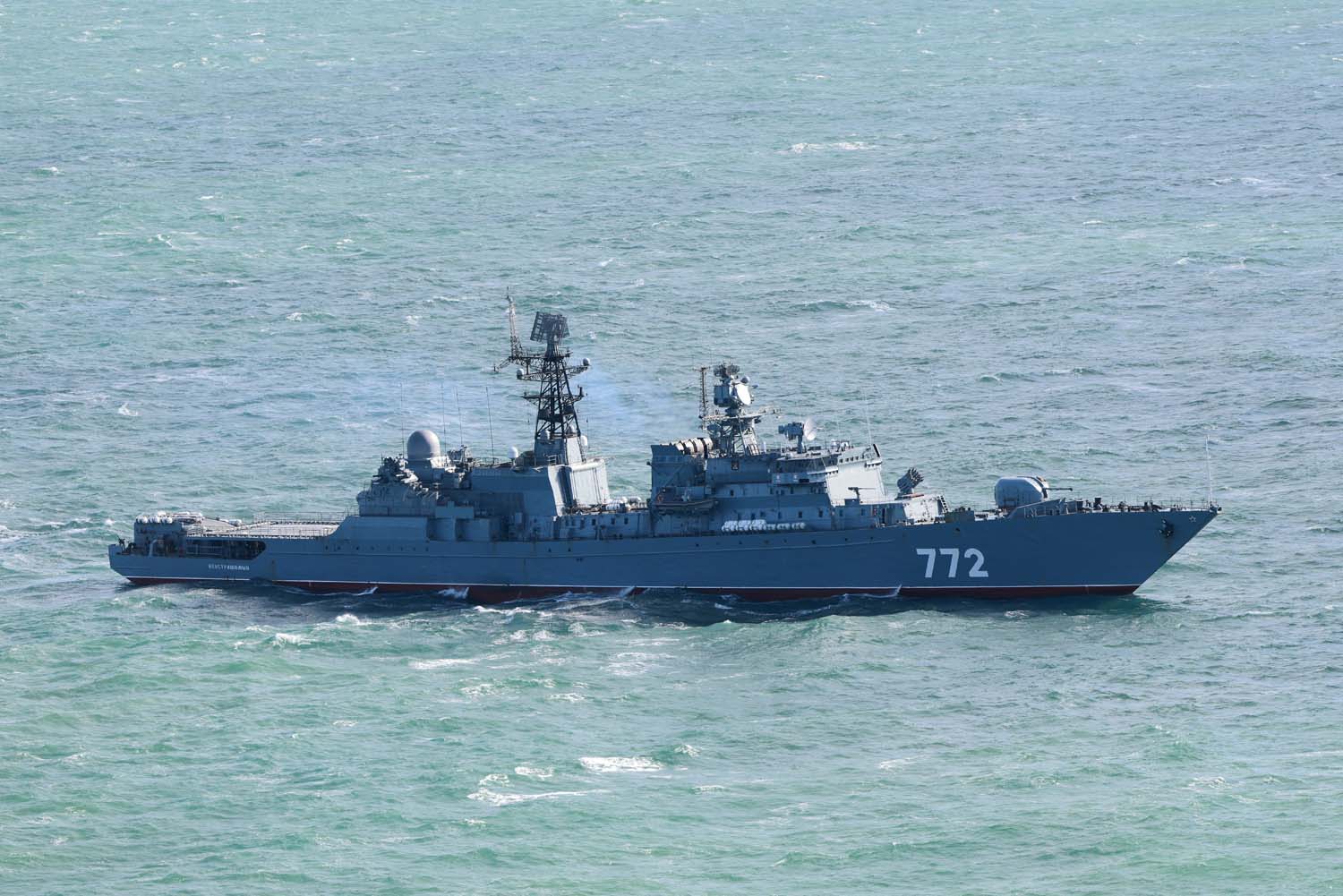
The UK government has warned of a sharp rise in Russian naval activity around British waters, as defence ministers raise concerns about Moscow’s growing military presence in the North Atlantic and High North.
Defence Secretary Wes Streeting confirmed the 41% increase in Russia’s activity within the UK’s maritime area of responsibility during his Keynote Speech at the Atlantic Future Forum in Oslo on Tuesday (10 November), saying: “Russian activity in the UK’s maritime area of responsibility is up 41% this year. And we are rising to meet this challenge.”
His comments follow a warning earlier this week from Luke Pollard, Minister for Defence Readiness, who said naval activity around the UK had risen by 41% during the first nine months of 2026.
The figures come amid growing concerns about Russian surveillance of critical national infrastructure, including underseas communications cables.
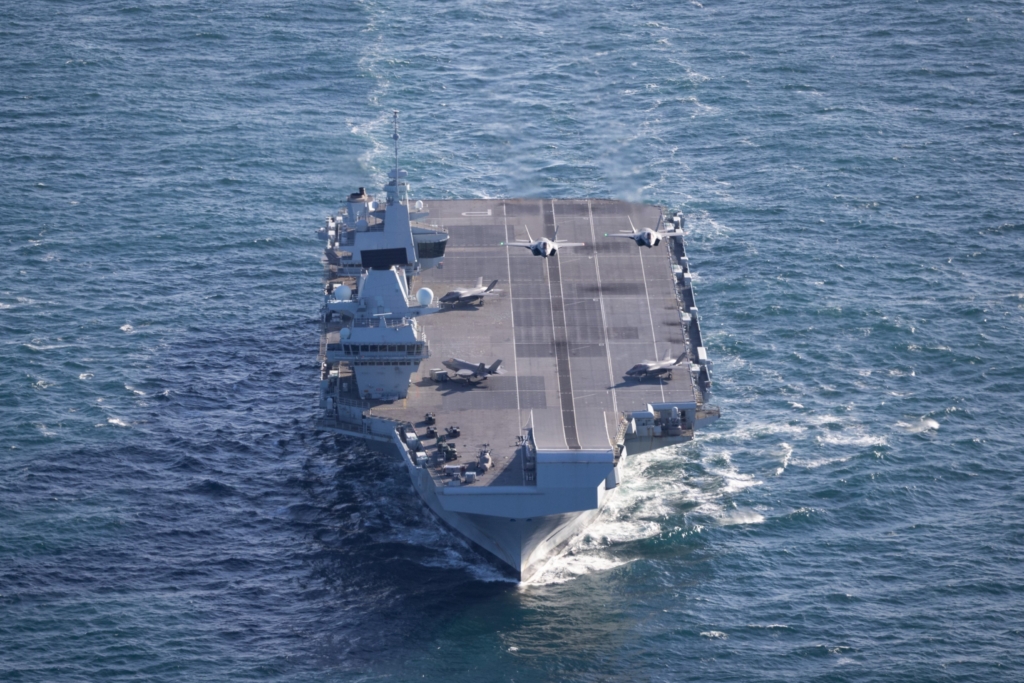
The Royal Navy is continuously monitoring the Russian fleet
Speaking aboard aircraft carrier HMS Prince of Wales, Streeting emphasised that Britain continues to “monitor the increasing presence of Russian aircraft, naval vessels and its shadow fleet.”
And he warned that Russia is strengthening its military presence in the High North, saying: “That puts the waters of the High North on the frontline of Britain’s security. High North security is homeland security.”
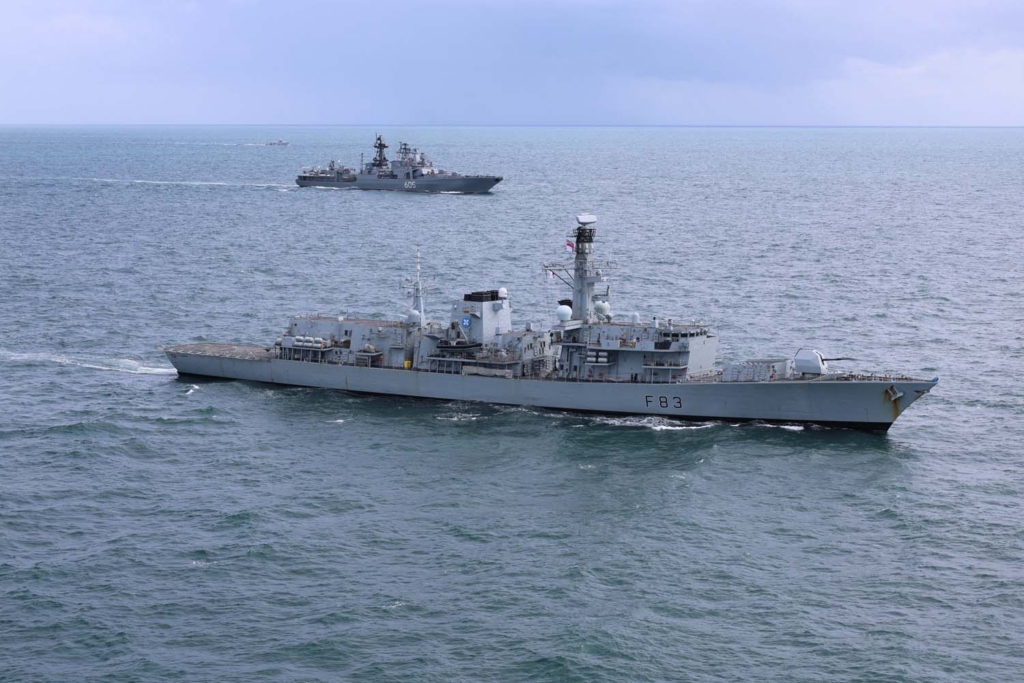
Recent Royal Navy operations have highlighted the scale of the challenge. In October, British warships and helicopters conducted three operations over 17 days, monitoring Russian intelligence vessels and warships around the UK.
It is also increasingly turning to uncrewed systems to help monitor the Russian fleet. In November, the Royal Air Force helped monitor Russian vessels with its new Protector UAVs for the first time.
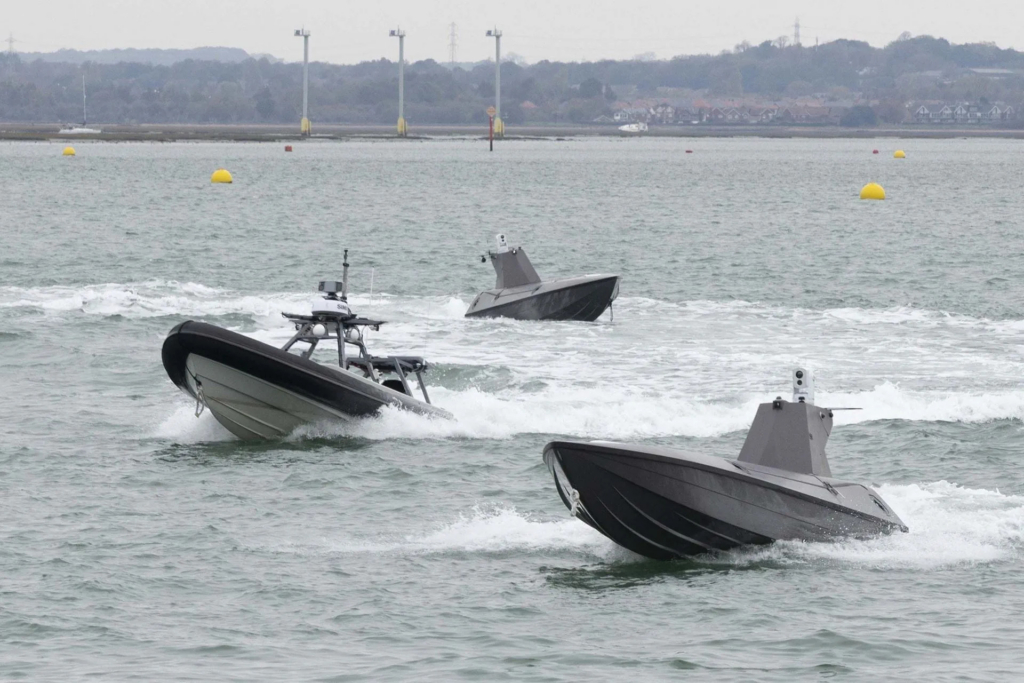
The Royal Navy is also transitioning to a hybrid navy and stood up its 1st Autonomous Squadron. This is its first squadron that will operate uncrewed boats on frontline operations.
Royal Navy remains one of the ‘most powerful’
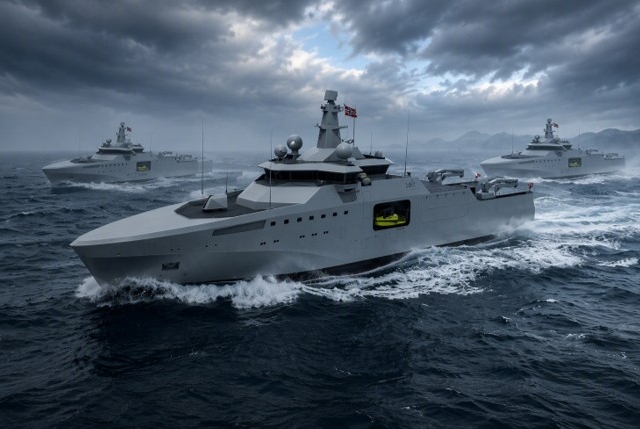
Streeting said Britain is procuring eight Type 26 anti-submarine frigates to operate alongside five Norwegian ships
This is making the Royal Navy more capable, resilient, and adaptable, and able to “tackle modern threats.” He said, “Britain still has one of the most powerful navies in the world.”
Sign up for our newsletter and get our latest content in your inbox.
Similar Reads

Sign up for our newsletter. Select all sectors relevant to you.
Related