Why technical expertise alone will not win aerospace business

Scott Pendry is Head of Aerospace Business Development and International Trade at ADS. He joined the organisation from TEKEVER and previously served as Director of External Relations at Cranfield Aerospace Solutions.
There is no shortage of technical capability across the UK aerospace supply chain. From precision engineering and advanced materials to electronics and specialist manufacturing, companies across the country have expertise relevant to some of the world’s most demanding aerospace programmes. But being capable of making something and being ready to supply it to an aerospace customer are not quite the same thing.
That distinction has come up recently in conversations with buyers and suppliers across the industry. Technical capability matters enormously, but when a customer considers bringing a new company into its supply chain, it is making a broader judgement.
It needs confidence not only that the supplier can do the work, but that it can deliver consistently, competitively and at the rate required. Technical capability may get a supplier into the conversation, but buyer readiness is about making that capability a credible supply proposition.
What buyers are really assessing
Bringing a new supplier into an aerospace programme can provide additional capacity, specialist expertise or access to new technology. But qualifying and integrating that supplier also takes time and resource. Buyers therefore have to consider the risks involved, including whether a company can maintain quality, meet delivery commitments and respond effectively when problems arise.
These questions become particularly important as aircraft production increases. Producing a component successfully is one challenge; producing it repeatedly and predictably at higher rates is another. A supplier may have excellent technical capabilities but still need to invest in equipment, develop its workforce or strengthen its production processes before it can meet a customer’s requirements.
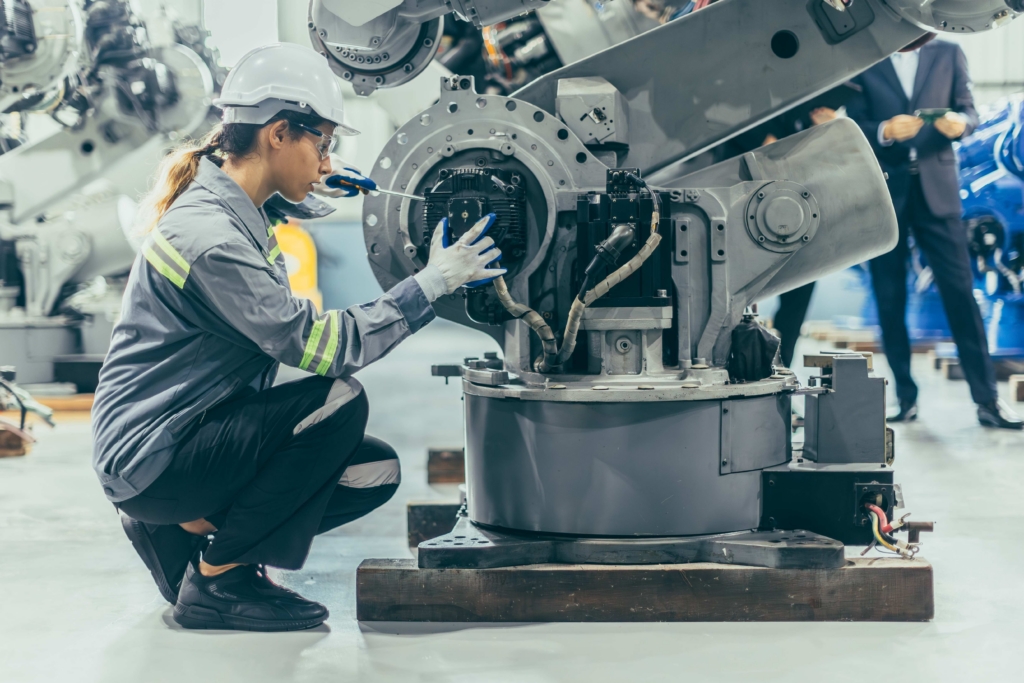
This is something that has featured in recent discussions with major aerospace manufacturers. As production rates increase, attention is increasingly focused on the ability of supply chains to deliver reliably and sustain higher output. For prospective suppliers, demonstrating how a capability can be industrialised and supported over the life of a programme can be just as important as demonstrating the capability itself.
Expectations will, of course, vary. A customer seeking immediate production capacity on an established aircraft programme may have very different requirements from one looking for an innovative technology for a future aircraft. In some circumstances, a buyer may be willing to work with a company to develop its capabilities. In others, the necessary approvals, capacity and production processes will need to be in place before an opportunity can progress.
SC21 and Aero Excellence are recognised supplier improvement programmes, providing a structured framework to help businesses understand their current performance and focus on where they need to improve. As suppliers progress, the achievement and award levels provide recognition of that improvement and evidence of their quality, delivery performance and operational maturity.
Being buyer-ready does not mean having everything in place from the outset. It means having a clear improvement journey and being able to demonstrate the progress you are making.
Start with the buyer’s requirement
There is another aspect to buyer readiness which is less about what a supplier can do and more about how it approaches potential customers.
It is natural for a company to begin by explaining its own capabilities: what it makes, the processes it operates, the technologies it has developed and the sectors it already supplies. These are important considerations, but they do not necessarily tell a customer why that company is relevant to its business.
A more useful starting point is to understand what the buyer is actually looking for. It may need additional capacity in a particular manufacturing process, an alternative source of supply, a specialist technology or a way of addressing a specific production challenge. Equally, a buyer may already have sufficient suppliers in an area where a prospective company has considerable expertise.
Understanding that context allows a supplier to explain how its capabilities might address a genuine requirement, rather than simply presenting a list of what it can do and leaving the customer to make the connection.
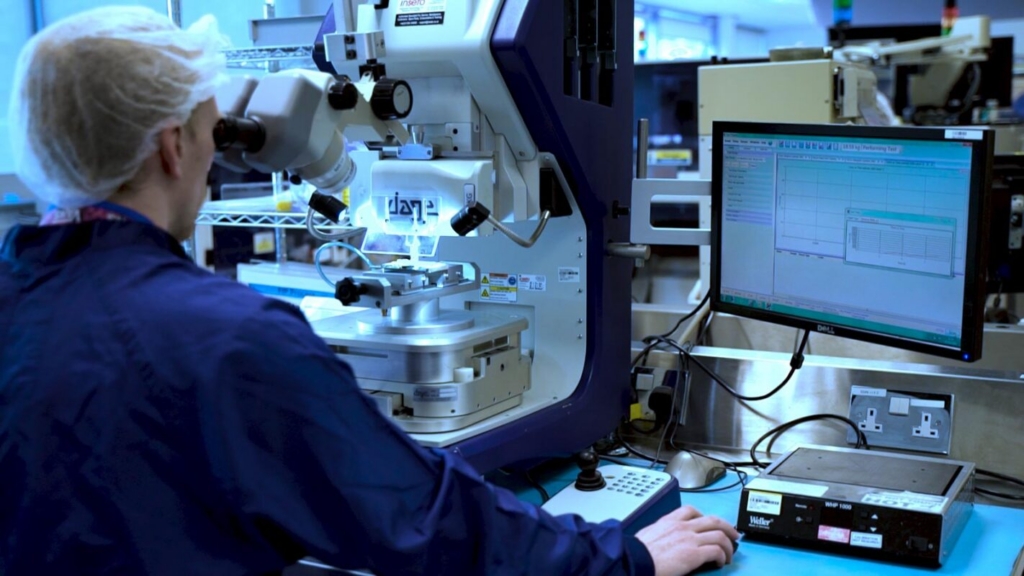
This is increasingly how we are approaching buyer and supplier engagement at ADS. The aim is to start with what customers are looking for, identify where there is relevant UK capability and then make the right connections. This approach is informing the development of targeted supplier engagement activities, including Meet-the-Buyer programmes and opportunities to bring selected companies directly into discussions with major aerospace manufacturers.
Not every supplier will be relevant to every requirement, and not every introduction will lead to new business. But a smaller number of well-matched conversations can be more valuable than a larger number of meetings where there is little prospect of a commercial opportunity.
For suppliers, this also means being prepared to ask questions as well as present their capabilities. Understanding a customer’s priorities, qualification requirements and likely timescales can help determine whether an opportunity is worth pursuing and what further investment or preparation might be needed.
Turning capability into business
The UK has considerable depth of aerospace capability, and there are opportunities for companies to develop their positions on established and future aircraft programmes, both domestically and internationally. Securing that business, however, requires more than technical expertise alone.
For companies looking to enter new aerospace supply chains, the starting point is therefore not simply to demonstrate what they can manufacture. It is to understand where their capabilities meet a real customer requirement, what would be expected of them as a supplier and what they may need to do to secure that business. That is ultimately what turns an initial conversation with a buyer into a credible commercial opportunity.
Sign up for our newsletter and get our latest content in your inbox.
Similar Reads




Sign up for our newsletter. Select all sectors relevant to you.
Related