217 days underwater: What it was like for the crew of HMS Vengeance

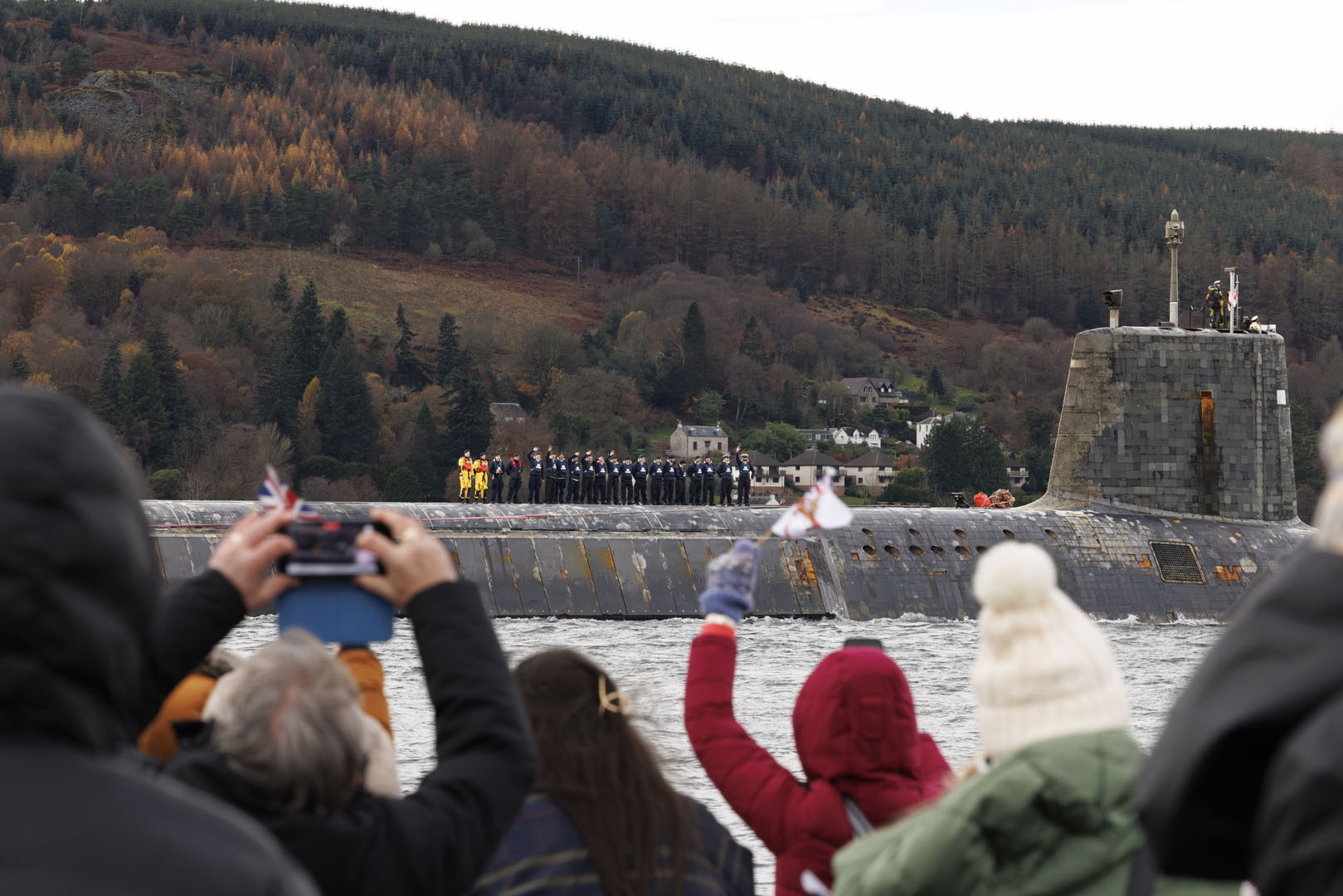
For 217 days, the 140 sailors aboard HMS Vengeance lived in one of the most isolated environments on Earth.
They saw no daylight, breathed recycled air, worked round-the-clock watch rotations and had no contact with home beyond a carefully vetted message each week.
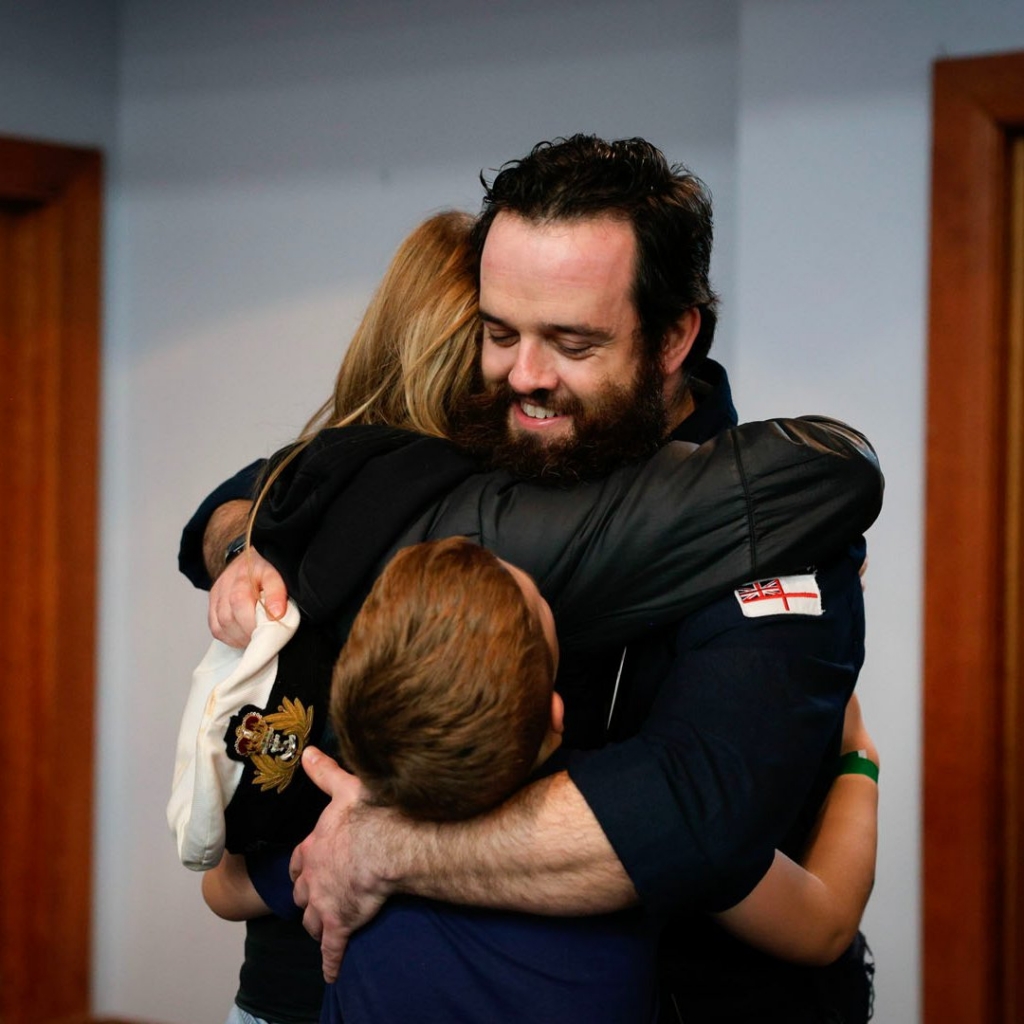
When the Vanguard-class submarine finally returned to HMNB Clyde this week, it had completed the longest patrol in Royal Navy history – a seven-month deployment that tested the limits of Britain’s nuclear deterrent force and the sailors who sustain it.
HMS Vengeance, one of four Vanguard-Class ballistic missile submarines responsible for maintaining the UK’s Continuous At Sea Deterrent (CASD), spent 217 days submerged on patrol after leaving Faslane on 12 April.
Her return was delayed by technical issues affecting the relief cycle, extending what was already a record-breaking mission.
While deterrent patrols are intentionally shrouded in secrecy, the unprecedented length of the deployment has shone a spotlight on the realities of life aboard Britain’s nuclear submarines and the growing demands being placed on an ageing fleet.
Secretive or not, the BBC reported that HMS Vengeance’s 217 days spent submerged on patrol were “record-breaking.”
The Royal Navy’s Vanguard-class submarines were originally designed for patrols of around 80 days, yet six of the last seven deterrent patrols have exceeded 200 days.
Conditions for the crew on board HMS Vengeance
Even in times of normal deployment durations, life is difficult for the crew on board. In order to remain undetected, the sub maintains radio silence throughout the patrol.
They do rise to shallower depths where they can receive encoded messages, but for the crew this is extremely limited. Submariners only receive one 120-word message (the “Familygram”) weekly, and they are not permitted to reply to their families.
Even these messages are vetted in advance to ensure they don’t contain bad news from the outside world deemed a risk of jeopardising the operational effectiveness of the crew. Sometimes, crew can listen to radio bulletins.
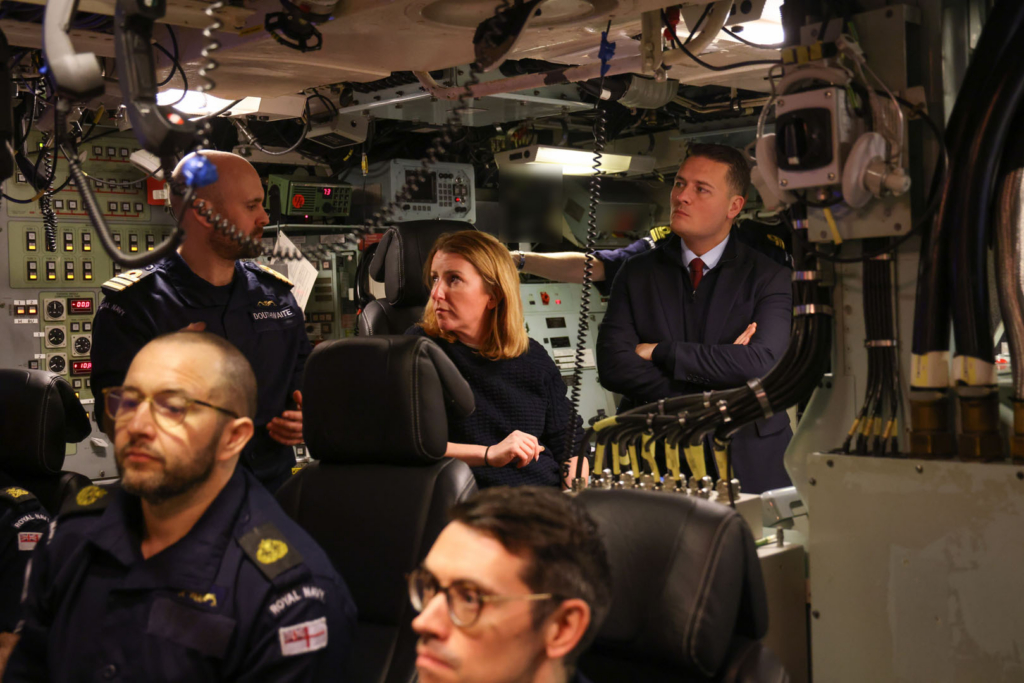
Crew works in shifts of six hours and sleeps in periods of six hours in narrow bunks.
It can also be an adjustment for submariners returning to the outside world with their senses of smell and depth perception affected.
HMS Vengeance’s condition after seven months at sea
Observing HMS Vengeance returned to port, the BBC reported, “The vessel was encrusted with marine growth, and some of its sound-absorbing tiles were missing.” These external observations are not evidence of a serious maintenance defect in the boat.
But for the crew’s living conditions, it’s what’s on the inside that is more important. Media are not permitted to tour the vessel, and so it can’t be independently reported on.
A former submarine explains that at the start of the mission and after periodic resupplies at sea, submariners eat fresh produce, eggs, fruit, and milk. As those stocks are exhausted, it tends to become canned and frozen food. Resupplies are possibly more relevant to Asute-class attack boats than Vanguards, which remain submerged.
One submariner wrote, “Cookies, cake and other stuff do get made but its at the sufferance of your cooks and chief cook.” He also mentioned there’s lobster and steak night halfway through the mission. The MoD released a brief on Astute-class submariner meals in 2017 with roasts and “bespoke meals” offered to vegetarians and vegans.
One Reddit user, apparently a retired submariner, commented on the 217-day deployment, “That is insane. My longest was 72 days and I can’t picture that.” The HMS Vanguard’s three-year-over-schedule refit is forcing the other three boats to deploy for longer.
Navy Outlook noted that HMS Vanguard’s refit appears to be at an end, and the fleet may have turned the corner despite ageing and being forced to remain in service beyond their design lives. It said, “There are tentative grounds for expecting some relief.”
The UK’s Continuous At Sea Deterrent ensures that at least one nuclear-powered and armed ballistic missile submarine is always at sea.
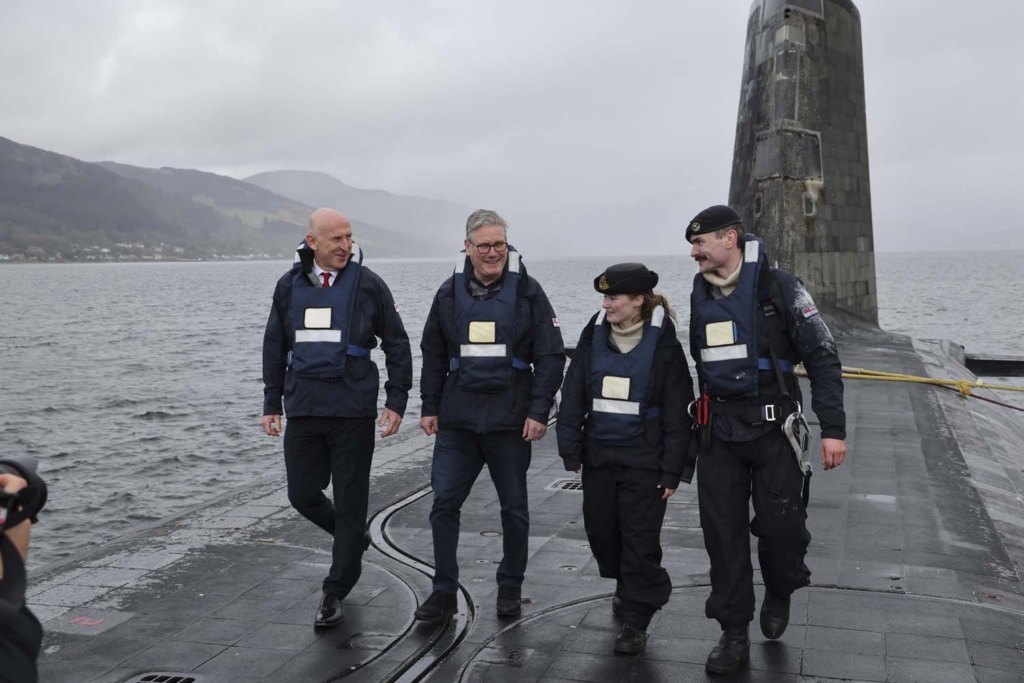
Defence Secretary Wes Streeting was at HM Naval Base Clyde to welcome the submarine and her crew. He said: “The UK’s nuclear submarines is the ultimate National Endeavour and the cornerstone of our national security. Every minute of every day, it deters our adversaries and keeps our country safe.”
Sign up for our newsletter and get our latest content in your inbox.
Similar Reads


Sign up for our newsletter. Select all sectors relevant to you.
Related