British Army reservists target replica Russian and Iranian attack drones in Finland exercise

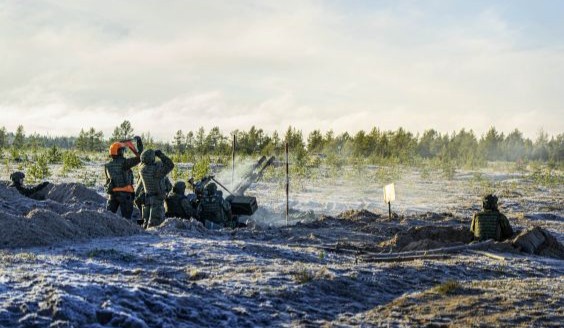
British Army reservists are firing missiles at replicas of Russian and Iranian attack drones during a major NATO air defence exercise in Finland, testing their ability to counter the types of unmanned aircraft used in Ukraine and the Middle East.
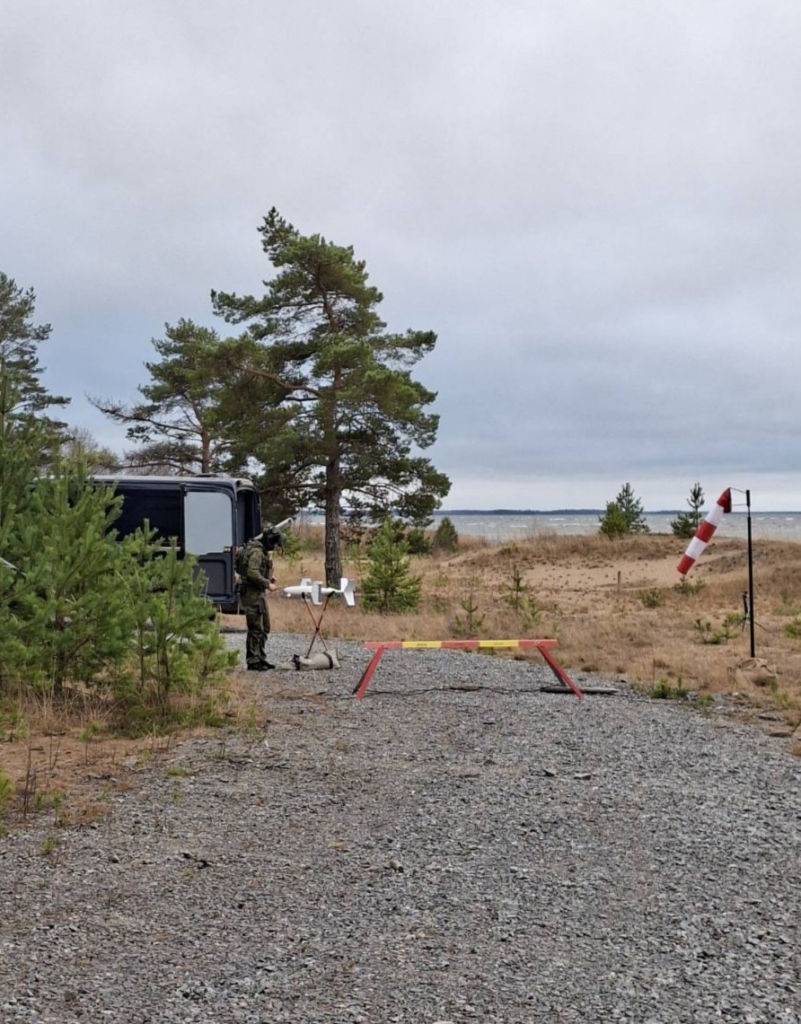
Personnel from 106 Regiment Royal Artillery are taking part in Exercise Mallet Strike 2/26 at Lohtaja, on Finland’s western coast, alongside forces from Finland, Sweden and Norway.
Around 1,500 military personnel are participating in the exercise, which runs from November 10 to 19 and combines live firing with tactical training against different types of airborne threats.
The British reservists are using High-Velocity Missiles and Light Multirole Missiles to engage aerial targets, according to a report on the exercise by London Loves Business.
The deployment also marks the regiment’s first overseas live-firing exercise.
NATO’s Joint Force Command Norfolk said the training is designed to test air defence units against multiple threats while operating in a contested electromagnetic environment, where interference can affect radar, communications and navigation systems.
British reservists practise counter-drone warfare
The involvement of 106 Regiment Royal Artillery highlights the growing importance of short-range air defence as military forces adapt to the widespread use of attack drones.
The regiment operates ground-based air defence weapons, including the Starstreak High-Velocity Missile system and the Lightweight Multirole Missile, also known as Martlet.
Starstreak is designed to intercept fast-moving aerial targets, including helicopters and aircraft. It uses three high-speed darts guided towards the target by a laser beam.
Martlet is a smaller missile that can be used against a range of aerial threats, including drones. It gives air defence crews another option when dealing with targets that may not require a larger missile.
The use of replicas of Russian and Iranian attack drones is particularly relevant to the changing nature of aerial warfare.
Russia has extensively used Iranian-designed Shahed-type one-way attack drones against Ukraine, while other unmanned aircraft are employed for reconnaissance, surveillance and attacks on military positions.
Such weapons present a challenge because they can approach at low altitude and may be launched in large numbers. Air defence units must identify the targets quickly and decide which weapons to use.
The cost of interception is another consideration. Using an expensive surface-to-air missile against a relatively inexpensive drone can become difficult to sustain during prolonged operations.
Testing NATO’s integrated air defence
Mallet Strike is intended to assess more than the accuracy of individual missile crews.
NATO said the exercise is testing how different air defence units detect threats, exchange information and coordinate their responses while electronic interference complicates operations.
A contested electromagnetic environment can involve attempts to jam radar, disrupt radio communications or interfere with satellite navigation signals.
These conditions make it harder for air defence crews to maintain an accurate picture of incoming threats, particularly when several targets appear simultaneously.
Integrated air defence allows radar operators, command centres and missile units to share information so that the most suitable weapon can be assigned to a particular target.
The exercise gives personnel from the four participating countries an opportunity to practise those procedures together and identify potential difficulties when operating equipment and communications systems from different armed forces.
Finland tests new drone interception methods
Finnish forces are also examining alternatives to conventional missile-based air defence.
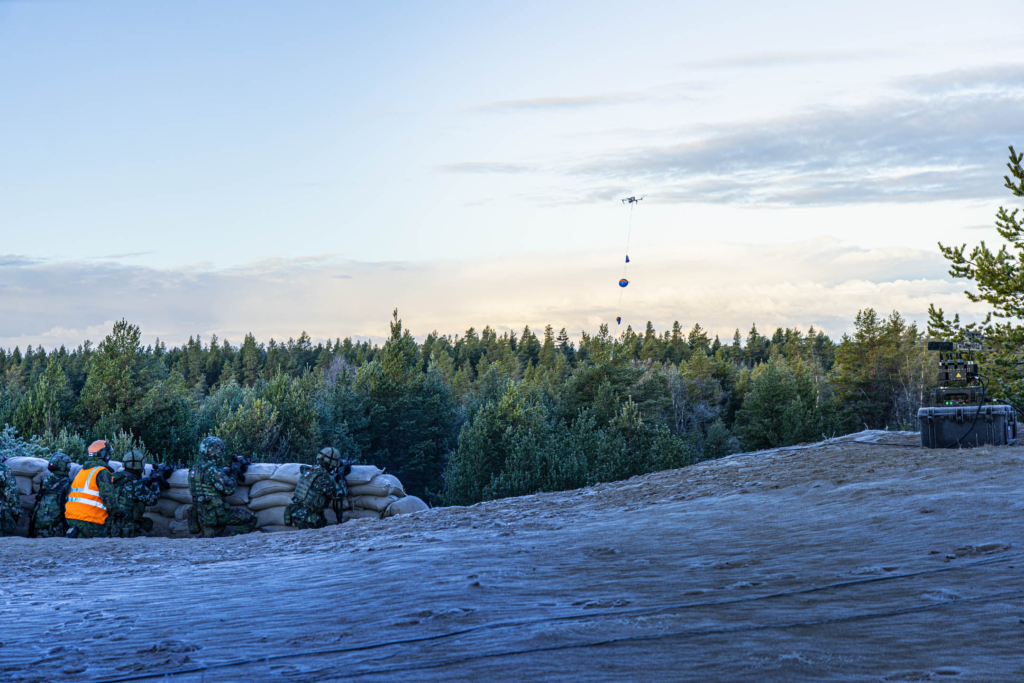
During Mallet Strike, Finland successfully used an interceptor drone to engage another unmanned aircraft, according to Finnish broadcaster Yle.
The trial reflects growing interest in using relatively inexpensive drones to destroy hostile unmanned aircraft before they reach their targets.
Interceptor drones could provide another layer of protection alongside missiles, guns and electronic warfare systems.
Finland’s participation is significant because of its long border with Russia and its expanding role in NATO’s northern European defence arrangements.
The country joined NATO in April 2023, followed by Sweden in March 2024. Their membership has increased opportunities for joint training and coordination between Nordic and other allied forces.
The Lohtaja exercise also provides an opportunity to train in northern European terrain and weather conditions, which can complicate the deployment and operation of air defence equipment.
Live firing formed part of the initial phase of Mallet Strike, with subsequent training focusing on tactical operations and coordination between participating units.
Sign up for our newsletter and get our latest content in your inbox.
Similar Reads


Sign up for our newsletter. Select all sectors relevant to you.
Related