Hexagon and Red Bull look beyond engineering degrees to find manufacturing’s future talent

A classics graduate working in finance and a criminology student might not be the obvious faces of manufacturing’s future. For Hexagon, that was precisely the point.
Joshua Cavendish and Poppie Collins took the top two places in this year’s Future Skills Challenge, an online competition designed to reveal abilities that could provide a foundation for careers in engineering and manufacturing.
More than 13,600 people from 71 countries entered the challenge, developed with Oracle Red Bull Racing and British Mensa. Its ten questions tested participants’ ability to interpret race data, apply logic and solve problems, without requiring previous engineering, manufacturing or competitive gaming experience.
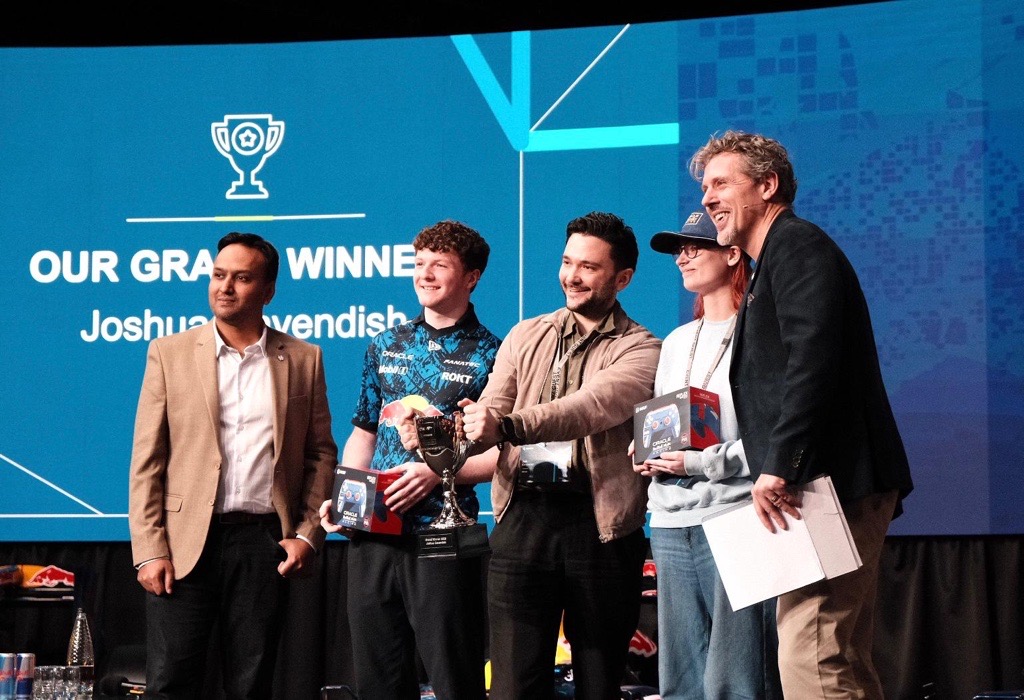
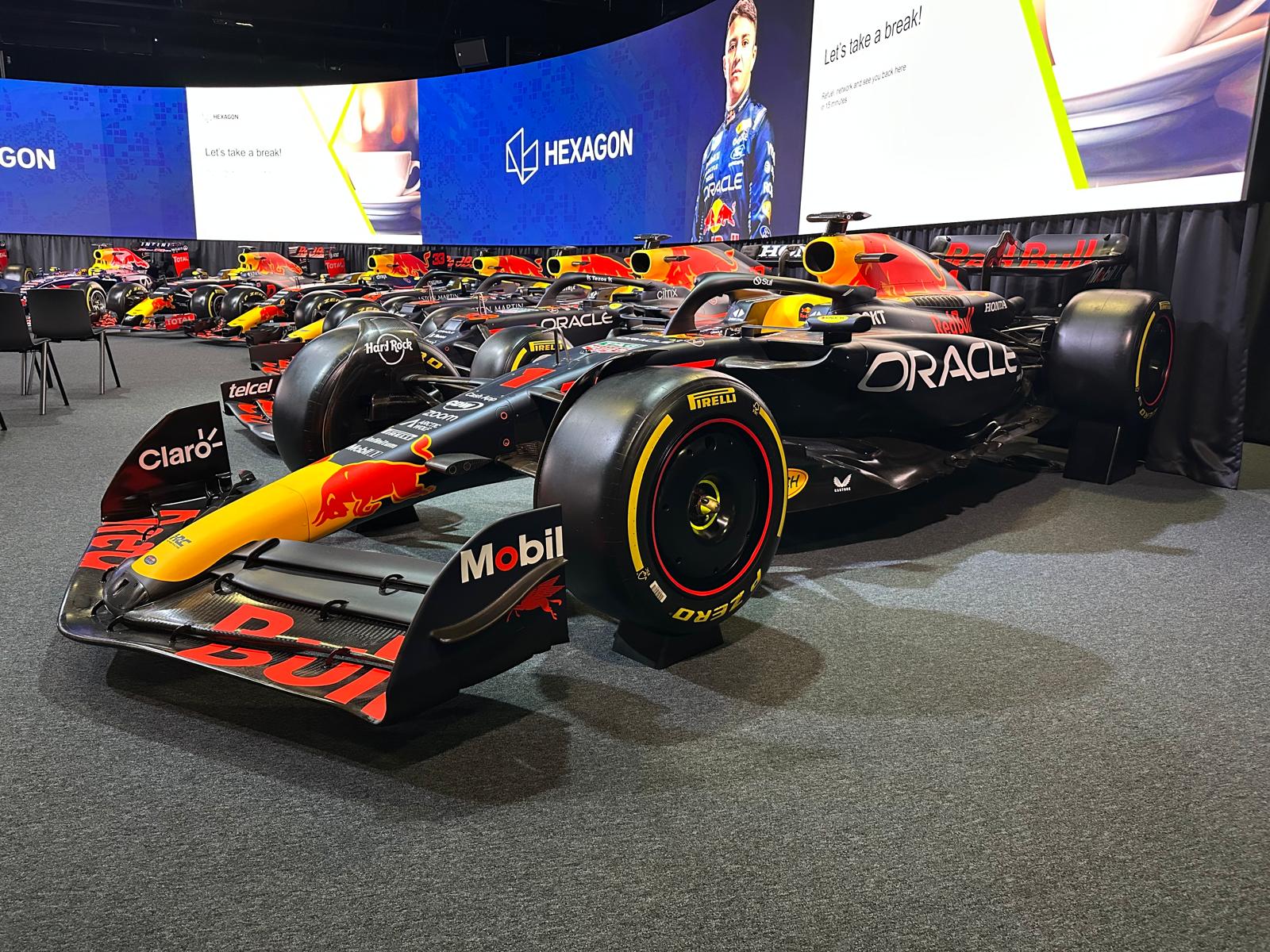
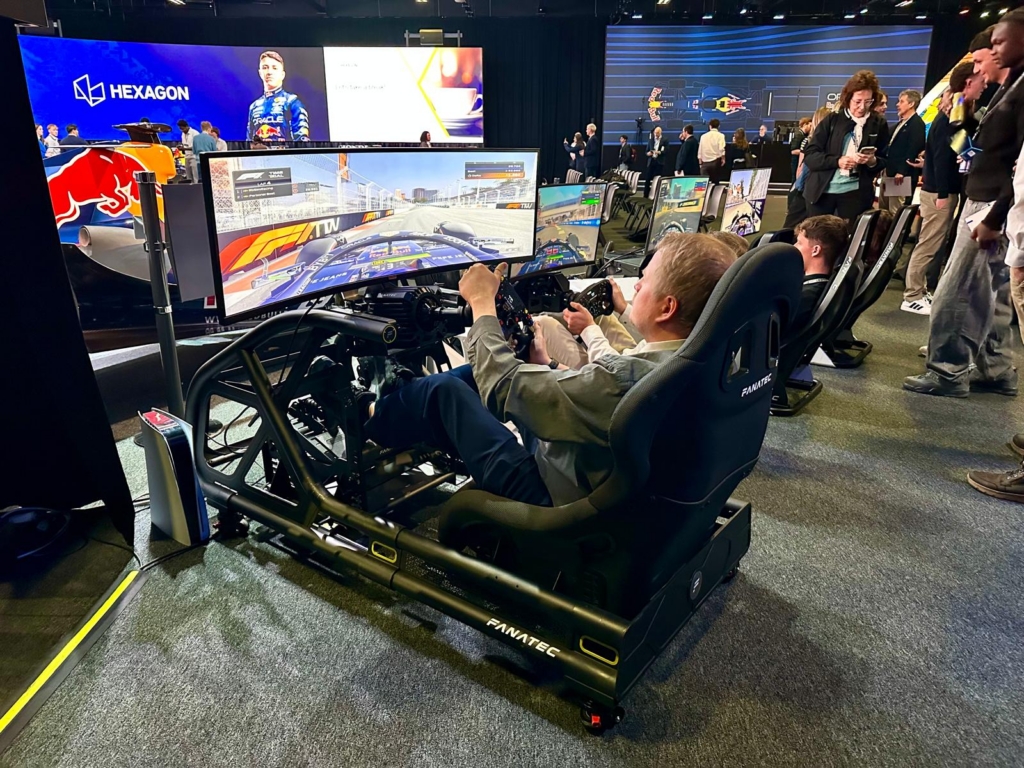
The winners were announced at Hexagon’s Future Skills event at the Red Bull Technology Campus in Milton Keynes on 17 November. Students and people exploring their career options joined employers and industry representatives for discussions, sim racing and factory tours intended to make modern manufacturing — and the people behind it — more accessible.
Finding potential beyond the engineering CV
For Cavendish, who studied classics and previously played chess for England, the challenge drew on familiar skills in an unfamiliar setting.
“With my language degree, I never considered a career in manufacturing,” he said.
Collins, a criminology and criminal justice student and motorsport fan, discovered the competition through Red Bull’s fan platform. The experience prompted an interest in learning how engines are designed and made.
Both had skills relevant to manufacturing, but neither had considered a career in the sector before entering the challenge.

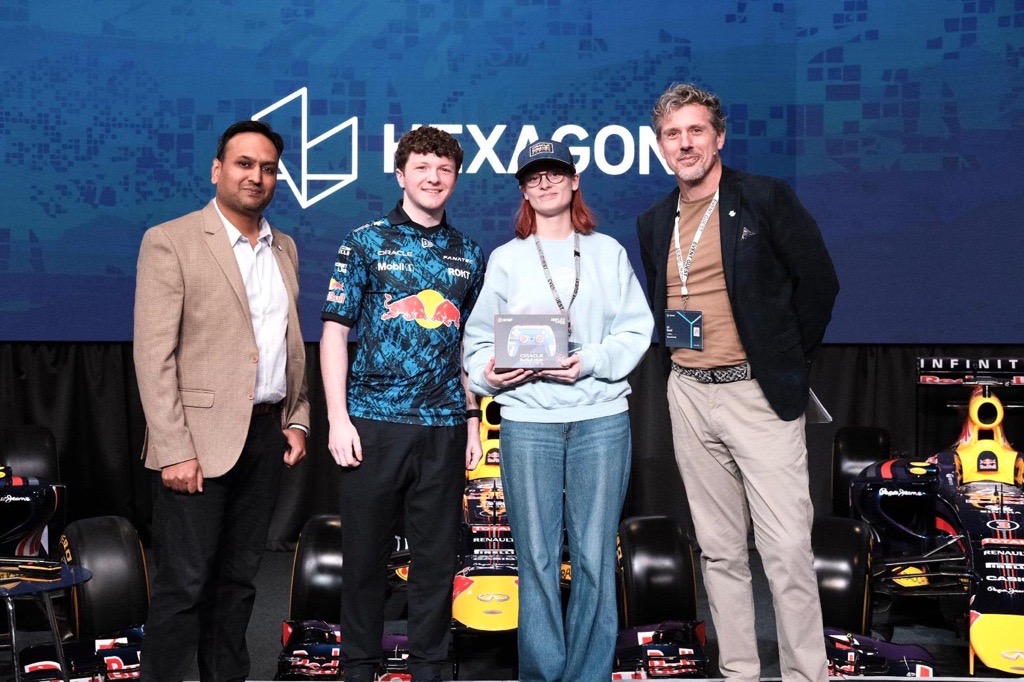
“As manufacturing becomes more data-driven, it needs people who can interpret data, solve production problems, and use new technology with sound engineering judgement,” said Siddhant Gupta, Hexagon’s vice president for EMEA. “Now in its second year, the Future Skills Challenge helps young people see how abilities developed through gaming, study, or other interests could be the starting point for a career in the industry.”
The challenge provides a starting point for that exploration. Turning aptitude into professional expertise requires technical training, practical experience and employers willing to invest in development.
Even Red Bull feels the skills shortage
Behind the appeal of Formula One, the discussions revealed recruitment challenges familiar to manufacturers across aerospace, defence and their supply chains.
Mike Hughes, head of quality and manufacturing engineering at Oracle Red Bull Racing, described difficulties filling inspection and engineering vacancies, with consequences for how quickly his team could process information and provide feedback to engineers.
“Even as Red Bull, we struggle to attract those people in,” he said.
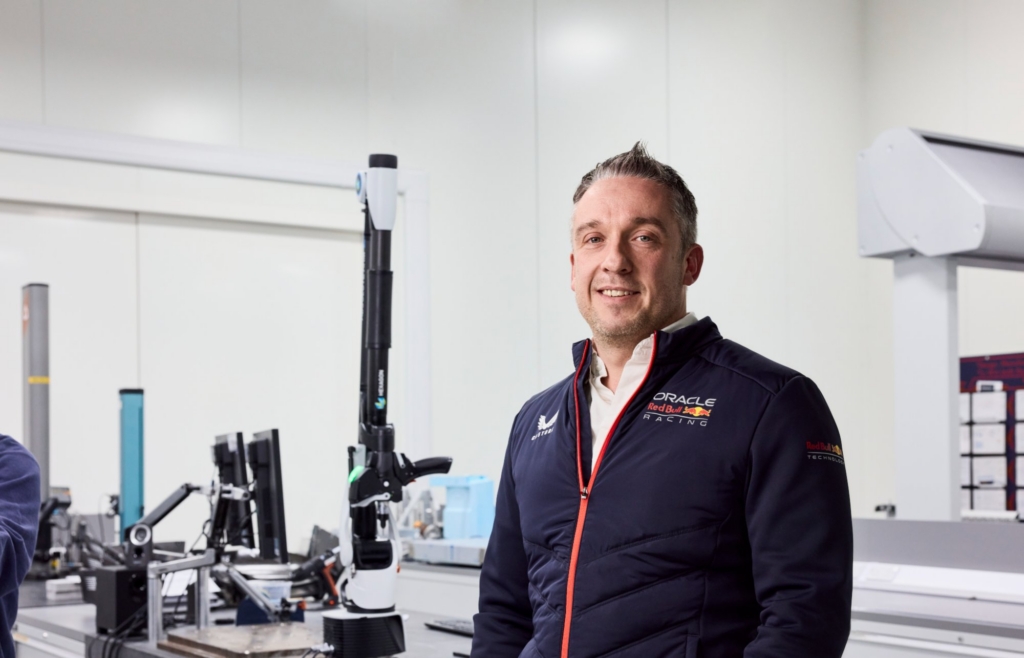
Hughes said manufacturers still need machinists, assembly technicians and inspectors, even as they adopt new technology. Their knowledge of how parts are made and measured helps them judge whether an AI-generated result makes sense.
“What we need is people who really understand the process and really understand what good output from AI looks like,” he said.
Red Bull has begun using Level 4 AI apprenticeships to develop those skills, with two employees starting the training. Hughes sees this as a way to help staff draw more useful insights from inspection data and give engineers better information to work with.
Giving candidates a chance to show what they can do
Several speakers argued that widening access also requires employers to rethink how they recognise ability.
Carolyn Bain, a talent acquisition business partner at Oracle Red Bull Racing, described using practical assessments and less formal “walk and talk” interviews to help candidates demonstrate strengths that might remain hidden in a conventional interview.
“Not everybody thrives in a one-on-one or a one-on-three, you know, over-a-desk situation,” she said. “You put a spanner in their hands, and my God, they come to life.”
The approach reflects a broader distinction between the qualifications essential for a particular role and the abilities that an employer can help someone develop.
Bain also described considering career changers for junior positions, where relevant transferable skills could provide a foundation for learning something new.
Gupta argued that employers have a role in creating those opportunities.
“Employers can help close that gap by broadening the gates: looking beyond familiar recruitment routes, recognising potential in more backgrounds, and providing the technical training and practical experience that turn that potential into expertise,” he said.
Showing where a manufacturing career can lead
Personal career stories helped make those possibilities tangible.
Alexia Williams MBE, a programme lead at Rolls-Royce speaking in a personal capacity, described progressing from a degree apprenticeship through in-service engine work and submarines to future products.
Moving between teams had helped her discover which work she enjoyed and understand how different parts of the business fitted together.
“I call myself a generalist,” she said. “I purposely don’t specialise in a thing, and I think that’s actually one of my biggest benefits.”
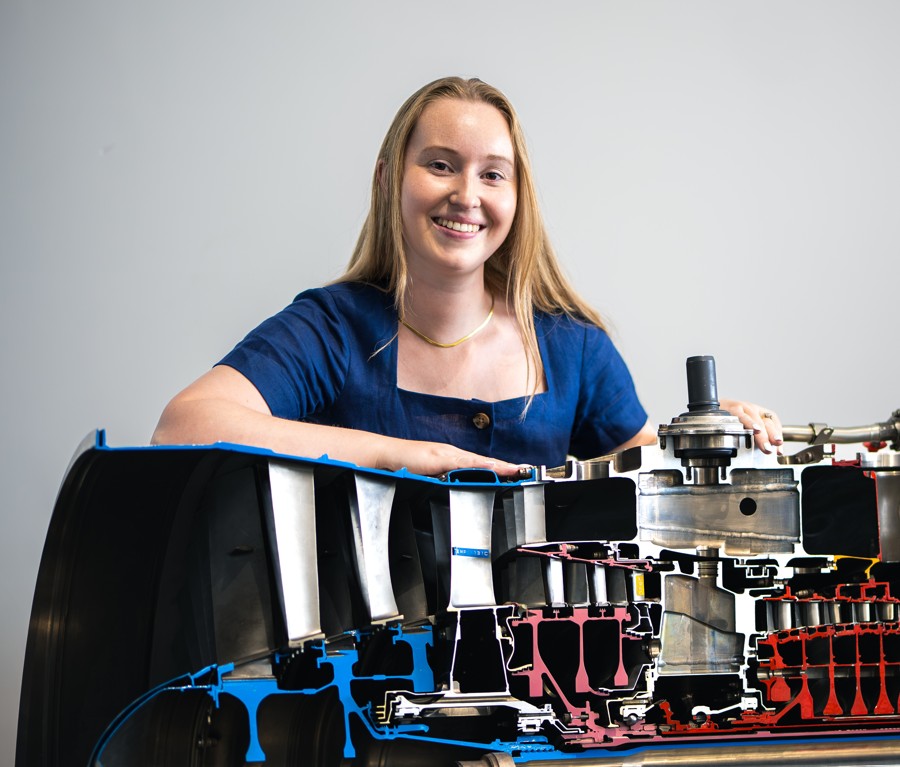
Her advice was to explore: “Move around, travel around, see different people, try different parts of engineering, because actually there might be a role or something that you find that you didn’t even know existed.”
The same principle applied beyond the best-known employers. Discussions repeatedly returned to smaller manufacturers, whose work contributes to major programmes but whose names may be unfamiliar to prospective recruits.
For aerospace and defence, that creates an opportunity to make careers across the supply chain more visible, helping people look beyond the company name on the finished aircraft, engine or vehicle.
Turning interest into a practical next step
Hexagon plans to build on the challenge through a free online Introduction to Manufacturing event for people considering their first career, a change of direction or a return to work.
Short sessions will combine career stories, practical examples and advice. An accompanying online resource will bring together recordings, careers information and further learning opportunities.
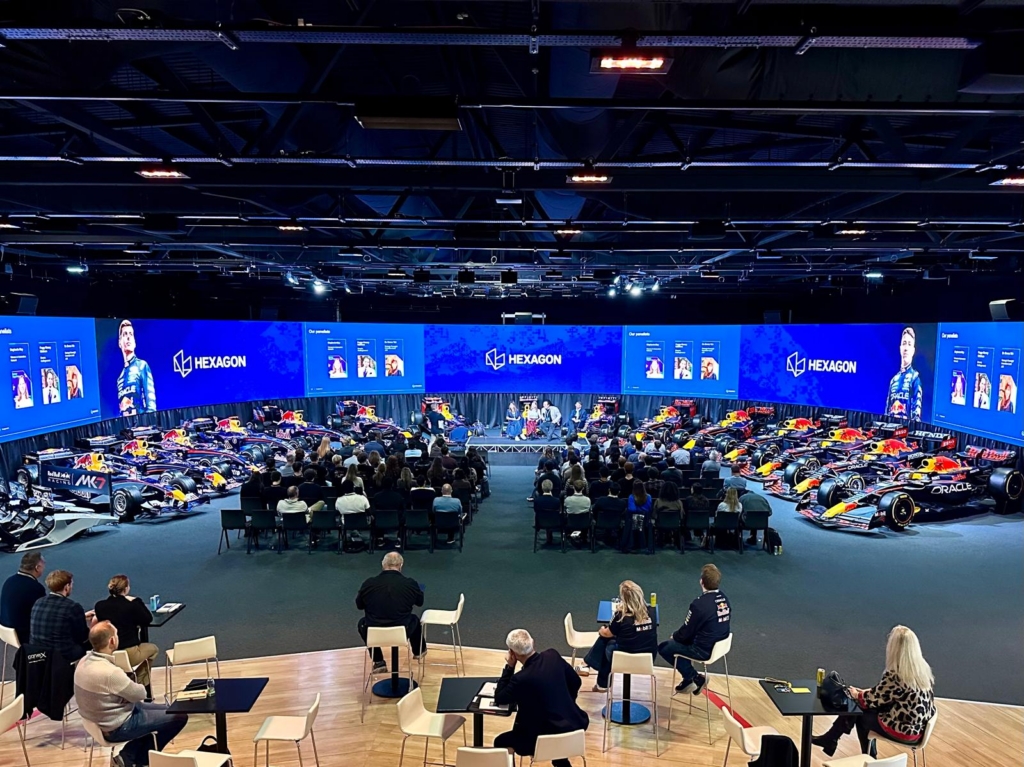
Planned Hexagon contributions include free foundational training covering computer-aided manufacturing, metrology, quality control and non-destructive testing.
“People are unlikely to consider a career if they cannot picture the work or see where their interests might fit,” Gupta said. “Someone who enjoys solving problems, using data, or working creatively with technology may never have connected those interests with manufacturing.”
The next step is to give those who left Milton Keynes interested in manufacturing somewhere to take that interest, whether through training, work experience or a first job.
Sign up for our newsletter and get our latest content in your inbox.
Similar Reads



Sign up for our newsletter. Select all sectors relevant to you.
Related