Rolls-Royce secures Royal Brunei Trent 1000 XE order for Boeing 787-9s

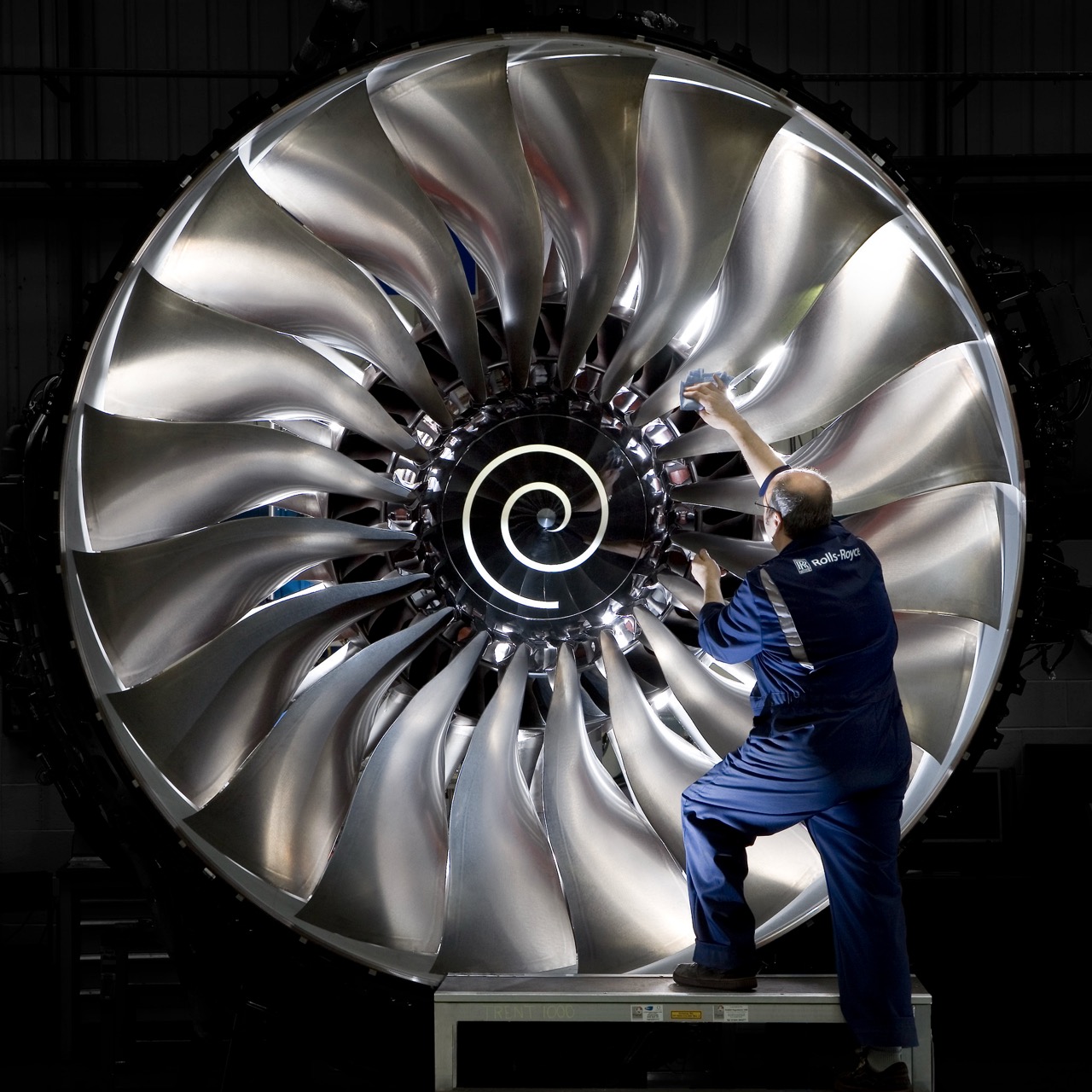
Rolls-Royce has announced an order from Royal Brunei Airlines for eight Trent 1000 XE engines to power four Boeing 787-9 Dreamliners, as Brunei’s flag carrier moves to a larger Dreamliner variant to renew its widebody fleet.
Ewen McDonald, Chief Customer Officer, Rolls-Royce, said: “The decision demonstrates growing market confidence in the Trent 1000 XE. Through our ongoing transformation, we are delivering significant improvements in engine durability, including up to triple time on wing, reduced maintenance requirements, and greater certainty in fleet planning.”
Royal Brunei adds longer 787-9s to Dreamliner fleet
The airline became the first 787 Dreamliner operator in Southeast Asia in 2013 and operates five Trent 1000-powered 787-8s.
Royal Brunei and Boeing announced the purchase of 787-9 aircraft at the Singapore Airshow in February 2024. Boeing said the order would allow Royal Brunei to carry more passengers and cargo while extending its reach.
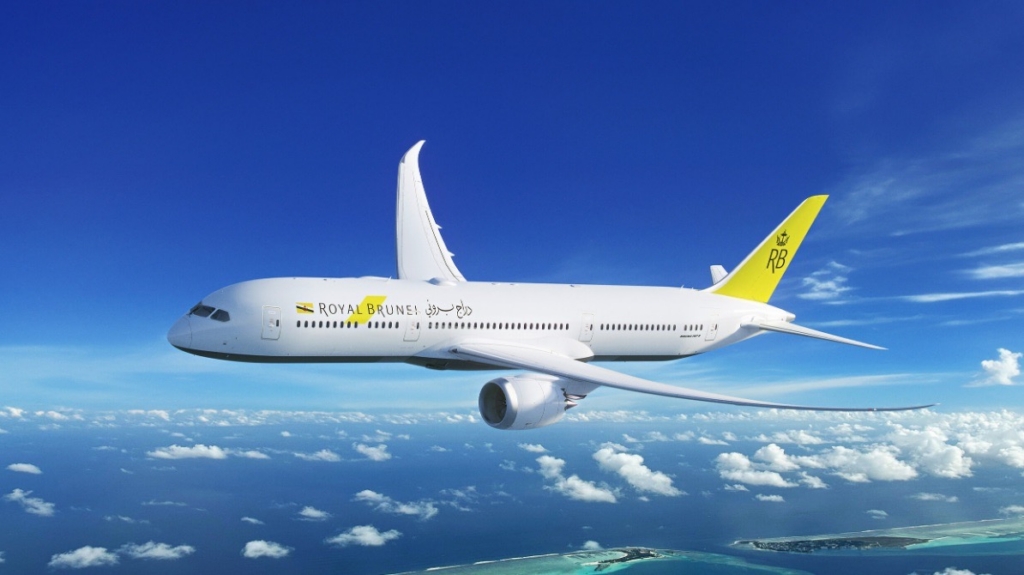
The 787-9 is just over six metres longer than the 787-8. Boeing lists a range of up to 8,300 nautical miles for the 787-9, compared with up to 8,000 nautical miles for the 787-8.
Colonel Norsuriati binti Haji Sharbini, Royal Brunei Airlines’ interim chief executive, said of the airline’s selection of the Trent 1000 XE engine for the new aircraft: “The Trent 1000 XE represents an important evolution of a platform we know well, bringing enhanced durability and improved maintenance characteristics that, alongside Rolls-Royce’s long-term service support, will help strengthen our operational resilience and fleet availability.”
Longer intervals between engine removals
The XE has upgrades from Rolls-Royce’s two-phase Trent 1000 durability programme, including a redesigned high-pressure turbine blade. Rolls-Royce says the redesign increases cooling airflow by 40% and distributes it more evenly across the blade surface, reducing temperatures in one of the engine’s hottest parts.
The manufacturer says the XE can stay on the aircraft up to three times as long as the Trent 1000 TEN before removal. Longer intervals between removals can reduce the need for spare engines to keep aircraft in service during overhaul. Rolls-Royce also reports a 0.2% improvement in specific fuel consumption compared with the TEN, which it attributes to optimising the clearance between the turbine blade tips and the surrounding casing.
Rolls-Royce drew on experience with the same blade design in the Trent 7000, which powers the Airbus A330neo. The company says that application has yielded more than three million flying hours of service data since the blade entered use in 2022. The company obtained certification of the phase-two blade in December 2025, and incorporated it into new and existing engines beginning in 2026.
Rolls-Royce expands Trent maintenance capacity
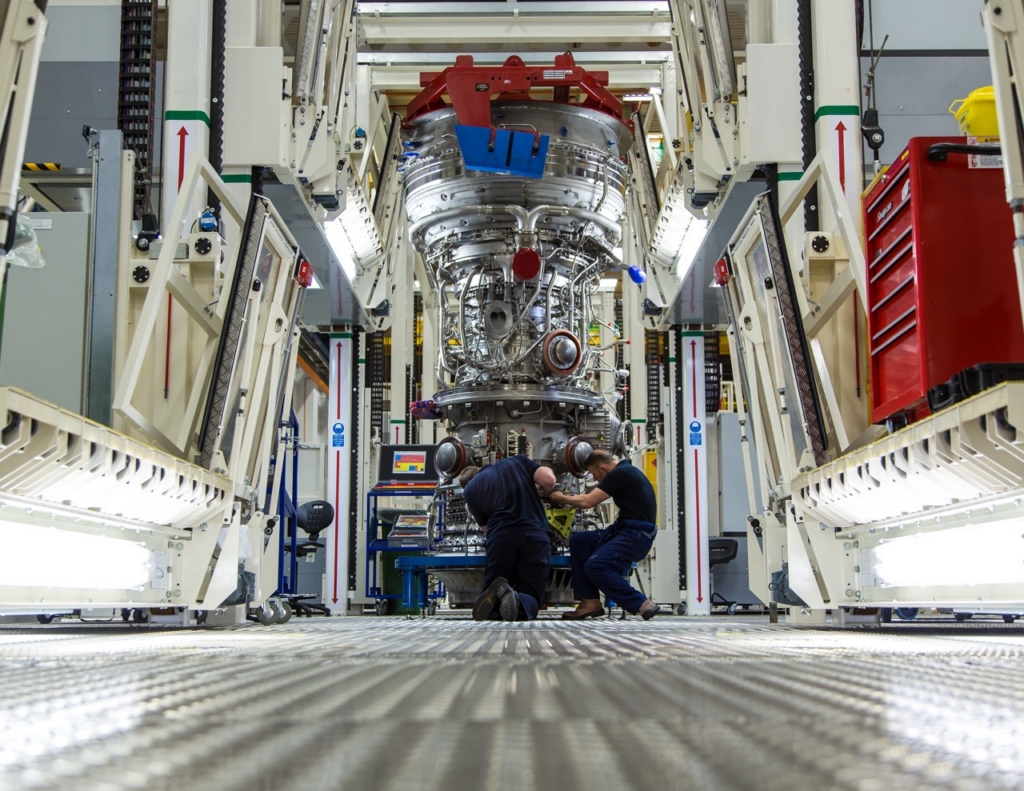
Rolls-Royce assembles and tests Trent 1000 engines at its Derby production facility. The company has also added dedicated Trent 1000 repair and overhaul capacity in the UK, Germany and Singapore, where it can bring existing TEN engines up to the XE standard during shop visits. The expansion sits alongside a broader £1 billion commitment to developing and upgrading the Trent engine family.
TotalCare will cover Royal Brunei’s new engines. Under that service model, airlines pay per engine flying hour, and Rolls-Royce manages off-wing maintenance, taking on the cost risk of planned and unplanned shop visits covered by the agreement.
The Royal Brunei order follows LATAM Airlines’ April selection of the Trent 1000 XE for three 787s, marking the carrier’s return to Rolls-Royce for its new Dreamliners. In July, Tajikistan’s Somon Air signed a memorandum of understanding for four XE engines for two 787s.
Sign up for our newsletter and get our latest content in your inbox.
Similar Reads



Sign up for our newsletter. Select all sectors relevant to you.
Related