Cranfield Aerospace ends Project Fresson and shifts to hydrogen drones

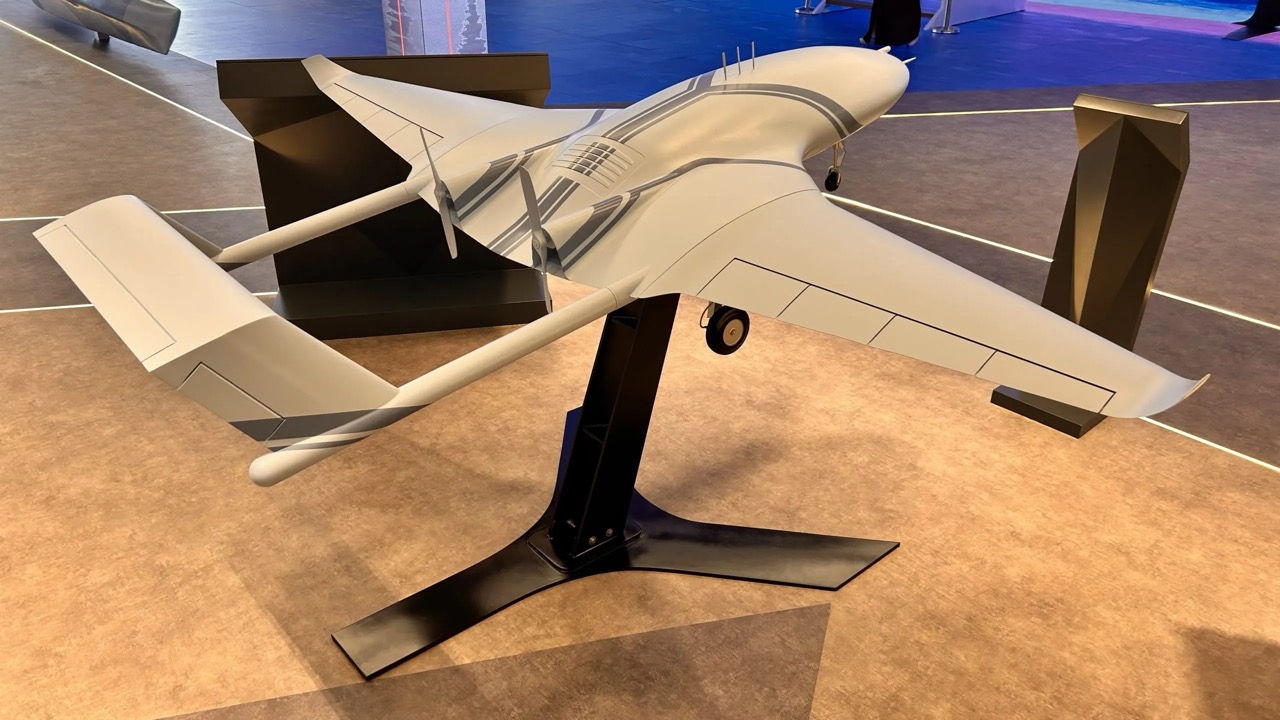
Cranfield Aerospace Solutions has ended Project Fresson, its plan to convert a nine-passenger Britten-Norman Islander to hydrogen-electric power. The UK company will use the fuel-cell technology developed under the programme in Stingray, a family of uncrewed aircraft aimed at civil and defence markets.
The directors confirmed the shift in a strategic report accompanying accounts filed with Companies House on 11 November 2026, covering the period from October to September 2025.
The directors said they had moved away from Project Fresson and “the zero emission passenger flight objective” as part of a restructuring intended to improve the company’s long-term outlook, by “targeting wider markets and segments”.
A UK-backed Islander conversion
Project Fresson aimed to demonstrate how hydrogen fuel cells could power an existing aircraft used on short regional routes. The consortium planned to replace the Islander’s conventional propulsion with electric motors fed by fuel cells, using the nine-passenger aircraft as the basis for a retrofit.
The project received support through the Aerospace Technology Institute Programme, a joint UK government and industry investment in civil aerospace technology.
Prospective airline interest was noted as recently as January 2025. German regional airline start-up Evia Aero signed a letter of intent for 15 new Islanders from Britten-Norman, with plans to convert them using Cranfield’s powertrain.
Evia Aero intended to use the converted aircraft on short regional routes. The latest Cranfield filing gives no update on the proposed conversions or the future of the Islander demonstrator.
Fuel-cell work moves to Stingray
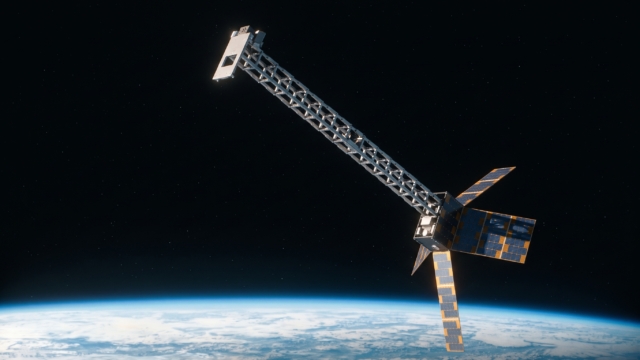
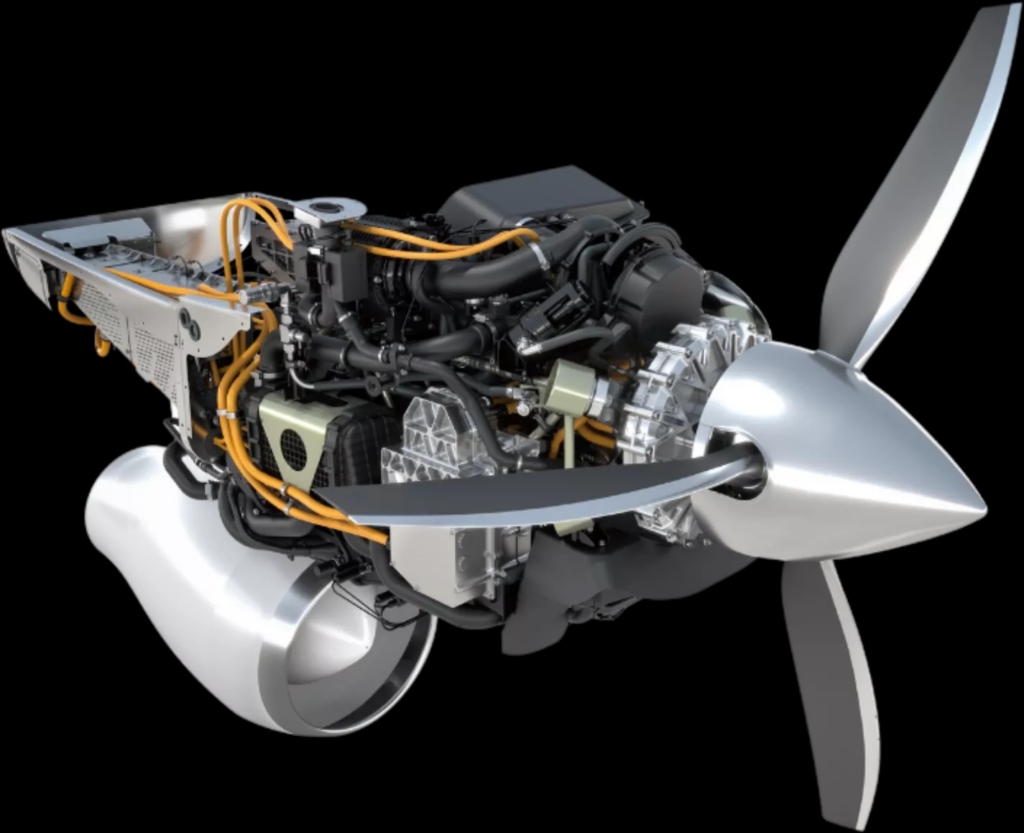
Cranfield is carrying forward its modular hydrogen-electric powertrain, known as Genesis. For Stingray, Cranfield plans to combine that propulsion system with airframes designed for long-range, long-endurance and high-altitude missions.

The company unveiled the ST-5 Stingray, a hybrid wing-body aircraft with a 5.5-metre wingspan, at the Dubai Airshow in November 2025. It also signed a memorandum of understanding with the UK’s National Oceanography Centre to explore using the aircraft for ocean monitoring. The partners are assessing what it would take to collect observations over coastal waters and the open ocean ahead of a possible joint airborne demonstration.
The accounts had forecast a demonstrator flight in early 2026. Aviation International News reported that Cranfield cancelled a planned June demonstration and that chief technology officer Paul Clarke told invitees the aircraft had completed its first flight test that week. Cranfield has yet to announce the date or location of that flight publicly.
Further investment needed
The directors say Stingray will need fresh investment, though they expect the parts of the business outside research and development to become profitable. Cranfield received £3.5 million through convertible loan notes during the reporting period to support research and development, restructuring and a new factory for its Axsim motorsport simulator business.
Revenue rose to £6.9 million from £1.9 million the previous year, mainly from Axsim. Cranfield recorded a net loss of £4.5 million, up from £4.3 million, with the directors citing research and development costs for Stingray and Genesis, as well as the shift away from Fresson. The company also took steps to restart its aerospace design consultancy, its main business before Fresson.
Sign up for our newsletter and get our latest content in your inbox.
Similar Reads

Sign up for our newsletter. Select all sectors relevant to you.
Related