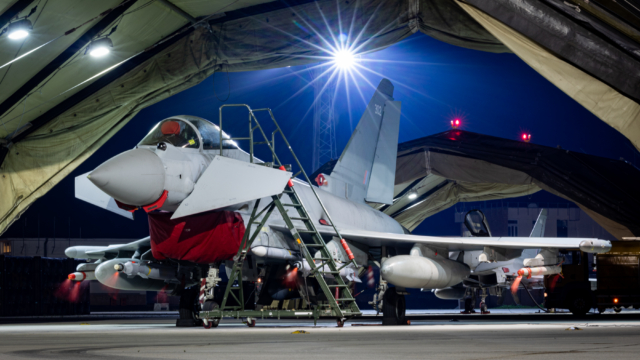
Who are the UK’s Strategic Reservists and which veterans can be called up?

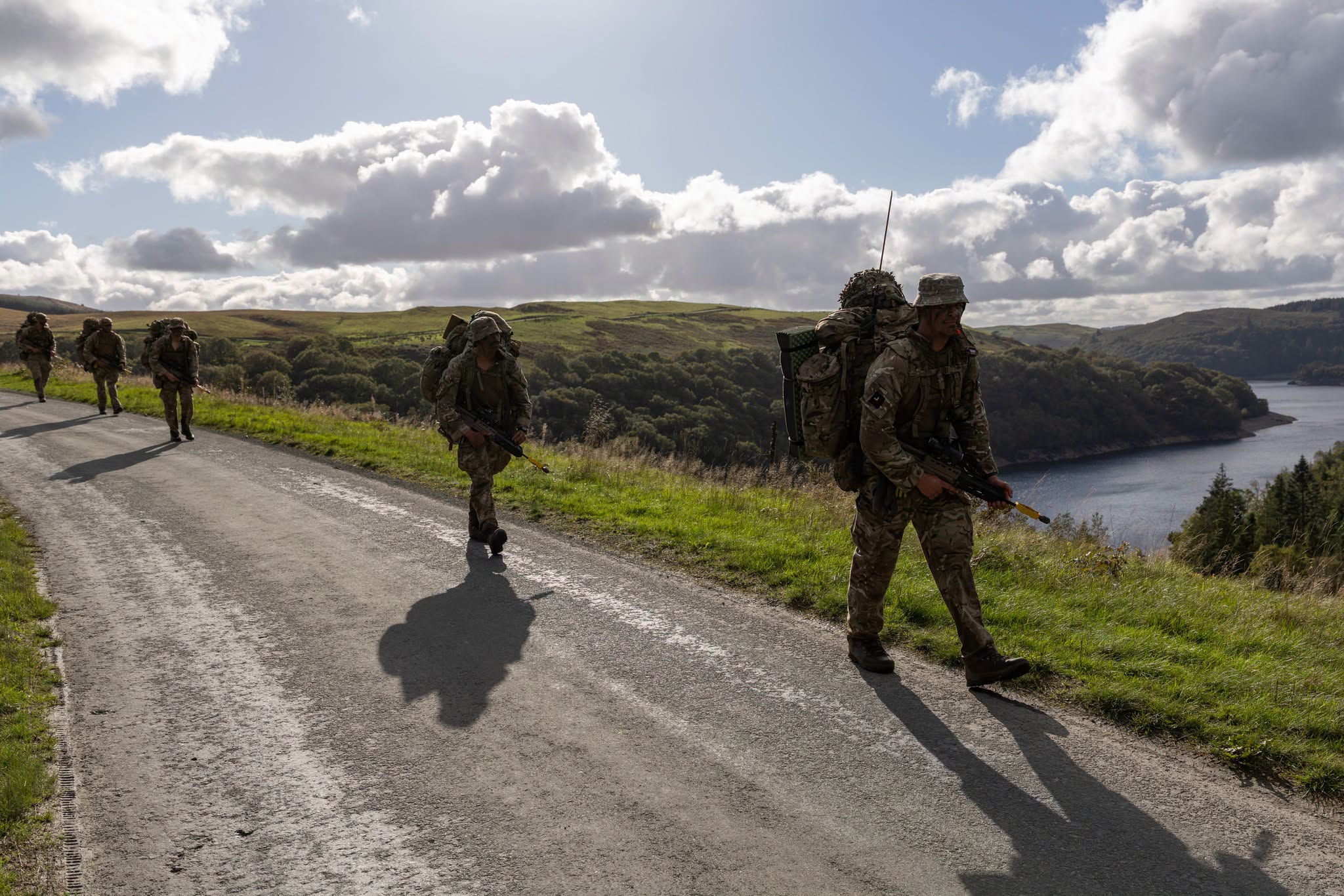
The UK Ministry of Defence has written to around 100,000 former Armed Forces personnel to update their details as part of plans to test the UK’s ability to mobilise personnel in a crisis.
The move has raised questions about who belongs to the Strategic Reserve, which veterans remain legally liable for recall after leaving service and how proposed changes to the law could affect future mobilisation.
Why is the MoD contacting veterans?
Those being contacted belong to what the MoD calls the Strategic Reserve. They are distinct from the UK’s nearly 32,000 active volunteer reservists who regularly train alongside serving military personnel.
The Royal Air Force (RAF) puts the size of the Strategic Reserve at approximately 95,000 people across the services.
However, not every veteran belongs to the Strategic Reserve. Nor does receiving a letter from the MoD mean that an individual is being mobilised.
New guidance issued by the MoD makes this clear: “Most veterans do not have a Strategic Reserve liability.”
What are the different types of reservists?
The UK’s Armed Forces draw on several categories of personnel beyond their full-time regular forces.
The most familiar are volunteer reservists. These are serving military personnel who generally combine civilian employment with part-time military duties. They undertake training, attend exercises and can be mobilised to support military operations.
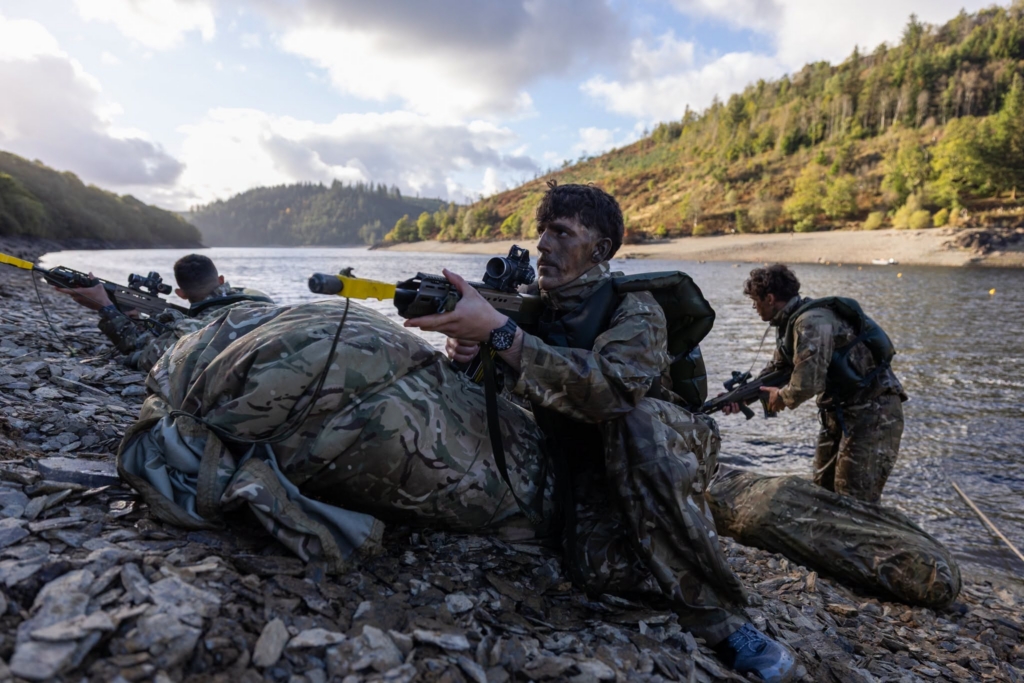
The Army Reserve, formerly known as the Territorial Army, is perhaps the best-known example. The Royal Naval Reserve, Royal Marines Reserve and Royal Auxiliary Air Force perform similar functions within their respective services.
Volunteer reservists do not necessarily have previous experience in the regular Armed Forces. They can join directly from civilian life, undergo military training and develop specialist skills.
They are paid for their military duties and can serve alongside regular personnel on operations in the UK and overseas.
Members of the Strategic Reserve, by contrast, have already left their previous military service. Many will have spent years working in civilian professions and may no longer have regular contact with the Armed Forces.
What is the Strategic Reserve?
The Strategic Reserve consists of two principal groups, the Ex-Regular Reserve and the Recall Reserve.
Members of the Ex-Regular Reserve are former regular personnel who retain certain military obligations after leaving full-time service. Depending on their terms of service, these can include training and liability for mobilisation.
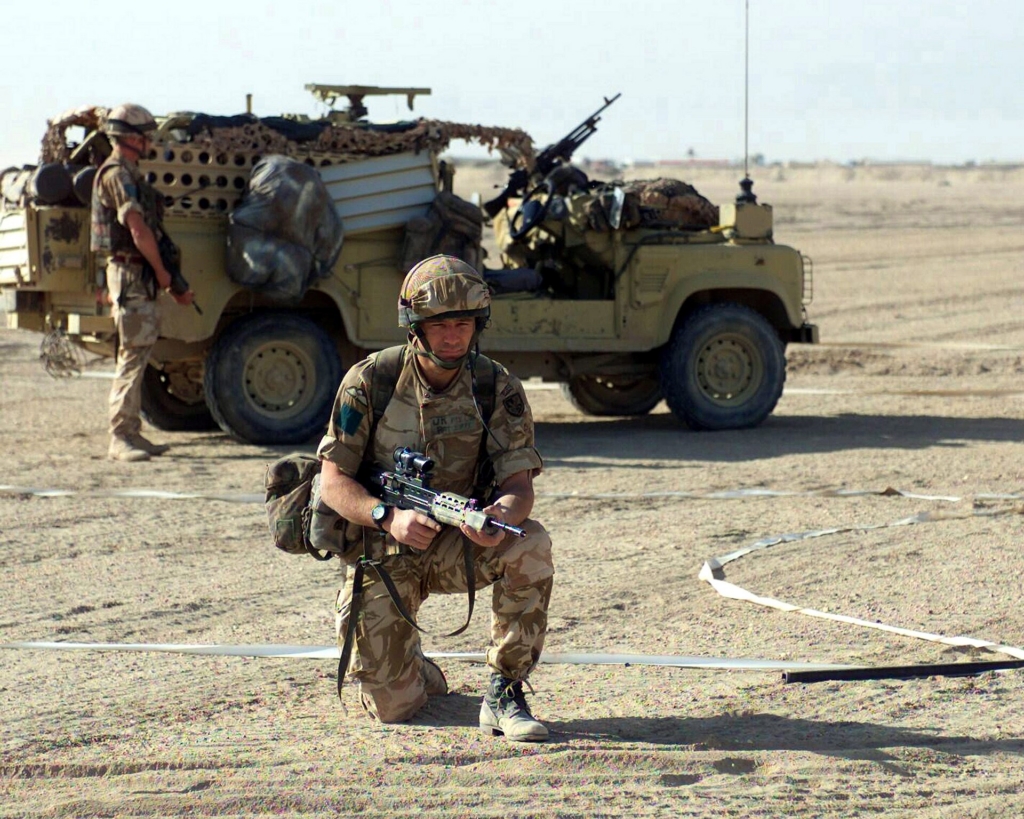
The Recall Reserve comprises former personnel who remain legally liable to return to military service under specified circumstances. Certain former volunteer reserve officers also retain recall obligations.
Unlike active volunteer reservists, members of the Recall Reserve do not routinely undertake military training.
A veteran can therefore be a Strategic Reservist without belonging to an active reserve unit or attending regular military exercises.
Others will have completed all their military obligations and have no legal liability to return.
The MoD has not provided a detailed public breakdown of the recipients of its latest letters by service or reserve category.
Who can be called back into military service?
The legal framework governing the mobilisation of reservists is set out in the Reserve Forces Act 1996.
The legislation distinguishes between calling out members of the reserve forces and recalling eligible former personnel.
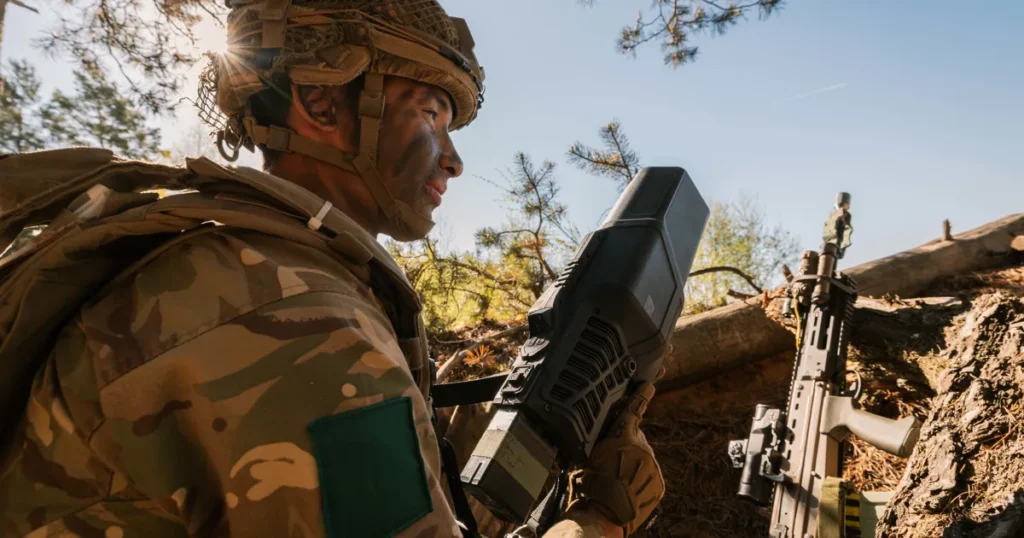
Serving reservists can be mobilised under several circumstances, including national emergencies and when warlike operations are being prepared or conducted.
Section 68 of the Act provides powers to recall eligible former personnel when there is imminent national danger, a great emergency or an actual or anticipated attack on the UK.
The government is seeking to widen these recall powers through legislation currently before Parliament.
How many years after leaving can a veteran be recalled?
Under existing legislation, the length of recall liability differs between the services.
Former Army and RAF personnel below officer rank can generally remain liable for recall for up to 18 years after leaving regular service, while the corresponding period for former Royal Navy and Royal Marines personnel is six years.
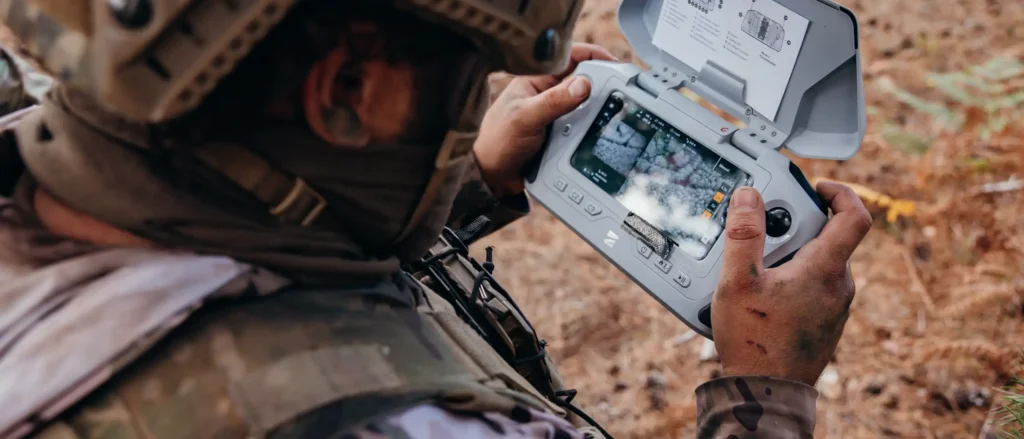
An upper age limit of 55 applies to these statutory recall arrangements.
A soldier who leaves the Army at the age of 30 could, therefore, remain liable for recall until the age of 48. Someone who leaves at 45 would normally reach the upper age limit before completing the 18-year period.
Officers are subject to different provisions. Individual liabilities also depend on when personnel served and the conditions under which they joined and left the Armed Forces.
Veterans can check their obligations by consulting their Certificate of Service, although the MoD has acknowledged errors affecting some certificates issued to personnel who left between 2006 and 2015.
Those uncertain about their status have been advised to contact their former service.
Why the government wants to raise the recall age to 65
The Armed Forces Bill 2026 proposes some of the most significant changes to reserve liability in decades.
The legislation would raise the upper recall age for former personnel below officer rank from 55 to 65 and extend the recall period for eligible former Royal Navy and Royal Marines personnel from six to 18 years.
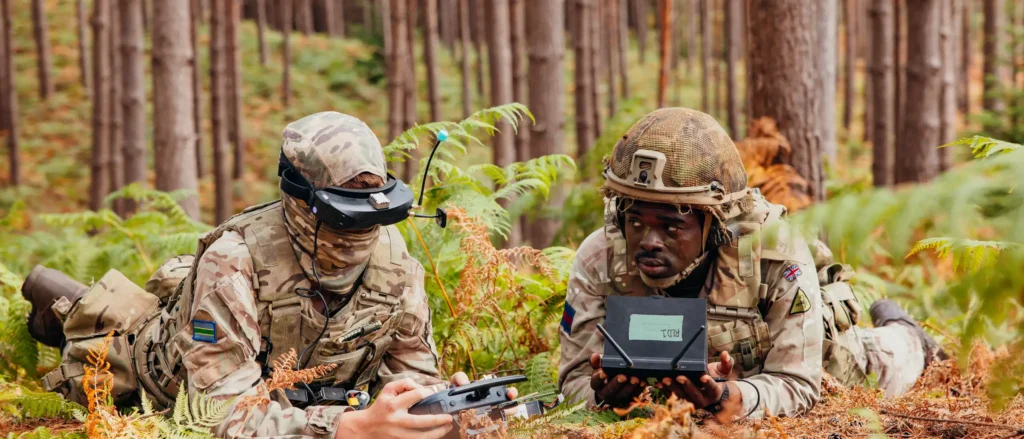
It would also introduce recall liability for former volunteer reservists below officer rank.
Another significant change would allow eligible former personnel to be recalled when warlike operations are being prepared or conducted, rather than waiting until the circumstances meet the existing threshold for recall.
However, the proposed changes would not automatically extend the obligations of existing veterans.
Under arrangements outlined by the MoD on 26 November, existing veterans and Strategic Reservists would have to opt in to the revised terms. Personnel currently serving would have an opportunity to opt out.
The legislation remains subject to parliamentary approval and subsequent implementation. The British Army expects the measures to begin coming into force from spring 2027 onwards.
Can a veteran refuse to return?
Being part of the Strategic Reserve does not mean a veteran automatically has to return to service without question if they are recalled.
According to MoD guidance, people who receive a mobilisation notice can ask for their circumstances to be reviewed. Factors such as family commitments, health concerns, financial hardship or the impact on their civilian job may be taken into account.
Employers can also ask for a mobilisation to be delayed or cancelled if losing a member of staff would cause serious harm to the business or public service they support.
The MoD says each case would be considered individually. There is no automatic exemption for particular professions, but Defence would weigh the importance of a person’s civilian role against the military requirement for their recall.
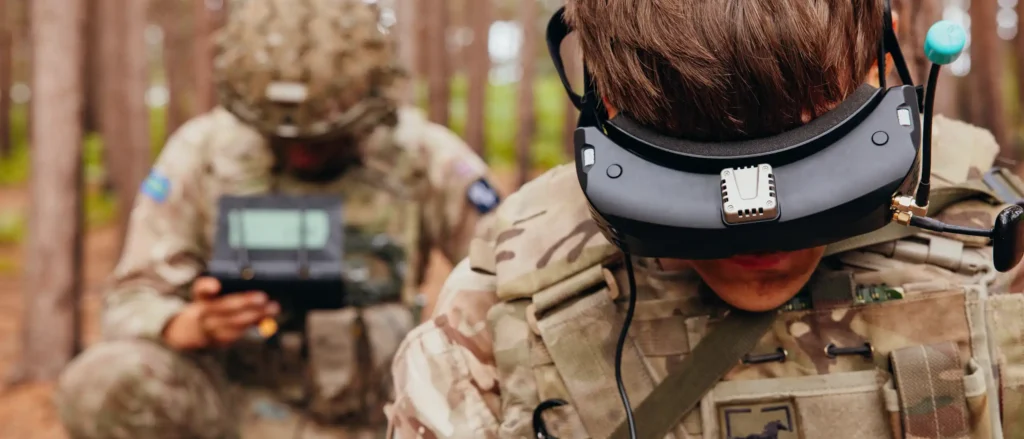
In practice, any decision to recall members of the Strategic Reserve would be taken only in exceptional circumstances.
The MoD has stressed that the current exercise is about updating records and understanding available skills, rather than preparing for an imminent mobilisation.
Why does the MoD want veterans’ civilian skills?
The 2025 Strategic Defence Review recommended revitalising the Strategic Reserve and testing the UK’s ability to mobilise personnel during a crisis.
Defence is particularly interested in the professional experience former military personnel have gained since leaving service, including expertise in cyber security, intelligence, medicine and communications.

In his letter to former RAF personnel, Chief of the Air Staff Air Chief Marshal Sir Harv Smyth acknowledged that many recipients might be surprised to learn about their continuing obligations.
“Any decision to call out or recall members of the Strategic Reserve would be set against a very high bar,” he said.
The MoD plans to invite up to around 1,000 Strategic Reservists to participate voluntarily in NATO’s Exercise Steadfast Defender in spring 2027, alongside regular forces and active reservists.
The exercise will help Defence assess its ability to contact former personnel and bring them back into service if required.
Does this amount to conscription?
No. Strategic Reserve obligations arise from previous voluntary military service.
The proposed legislation does not introduce compulsory military service for the wider population, nor does it give the MoD powers to recall every veteran.
The current exercise is intended to establish who remains available, how they can be contacted and what skills they could contribute.
As the RAF stated on 26 November, there are no current plans to mobilise the Strategic Reserve
Sign up for our newsletter and get our latest content in your inbox.
Similar Reads



Sign up for our newsletter. Select all sectors relevant to you.
Related