Lanarkshire AI Growth Zone gains £300m investment as Dell establishes Scottish base
More jobs, investment and training opportunities are on the way for Lanarkshire as the AI Growth Zone secured a landmark £300 million investment package and Dell Technologies announced it will establish a base in the area.
This is a major boost for Lanarkshire and Scotland, demonstrating how the UK Government’s AI Growth Zones aim to support a stronger economy, good jobs and reindustrialisation in communities right across the UK.
UK AI Minister Kanishka Narayan said: “AI is already helping scientists discover new medicines, supporting better public services and helping businesses get more done. The countries that build the infrastructure behind this technology will be the ones that attract investment, create jobs and help shape the industries of the future.
“That’s why today’s announcements matter. They will help ensure Scotland is at the forefront of one of the biggest economic opportunities of our time, bringing investment, reindustrialisation and opportunities to communities like Lanarkshire. For local people, that means more than new buildings and technology. It means the chance to develop new skills, access new careers and benefit from the growth and investment that AI can bring.”
How AI is driving development across multiple industry sectors
The wider development is expected to support more than 3,400 jobs, alongside skills and training opportunities to help local people access careers in technology, engineering, construction and the growing AI sector.
Artificial intelligence is already helping key sectors to develop new solutions and become more productive, as well as supporting better public services. As more organisations adopt the technology, countries that have the infrastructure needed to support it, will be best placed to attract investment, grow new industries and create good jobs.
The Lanarkshire AI Growth Zone was created to ensure Scotland secures a share of those opportunities. By bringing together energy, infrastructure and local talent, it is helping attract companies that might otherwise invest elsewhere while creating jobs and opportunities closer to home.
Attracting business, investment and talent to the region
Today’s announcements are a sign this is already happening. The investment includes a £202 million guarantee from the National Wealth Fund, helping unlock a total £300 million financing package from ING, ABN AMRO, Santander, the Scottish National Investment Bank and Siemens Financial Services.
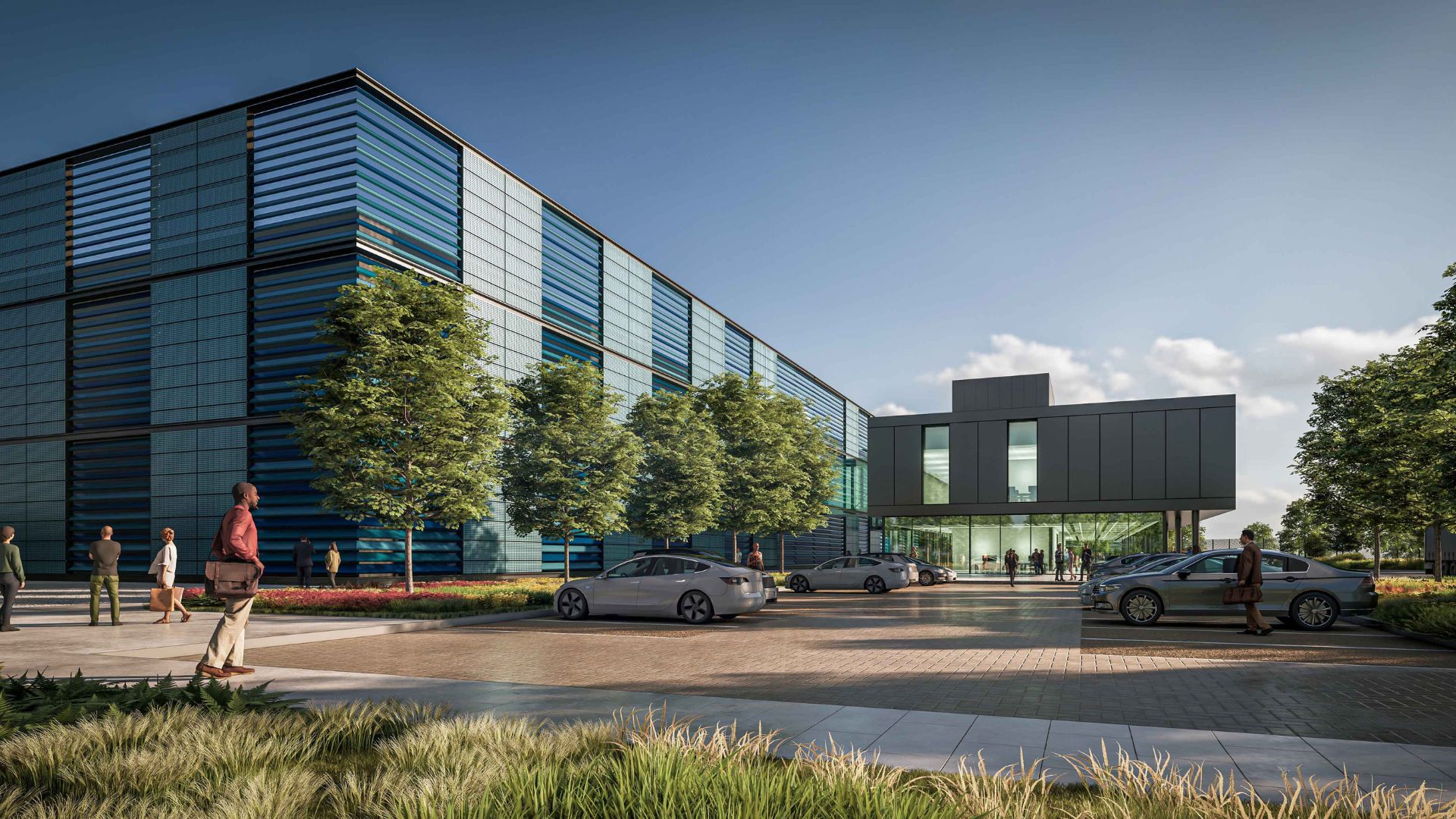
The money will enable developer DataVita to expand its existing DV1 datacentre and construct a second, creating jobs during construction and operation, whilst providing the infrastructure needed to attract more businesses and investment to Scotland in the years ahead.
Danny Quinn, Managing Director at DataVita, said: “There is plenty of talk about AI infrastructure just now. This project is being delivered: work is well advanced on site, every megawatt is contracted and the first facility completes this year. DataVita delivers AI infrastructure end to end, from the energy that powers it through to the applications that run on it. We have been doing this in Scotland for more than 10 years. The UK needs its own AI capability, built here and run here and we are grateful to the National Wealth Fund and our lenders for backing a project that is already delivering it.”
Scottish Government Economy Secretary Stephen Flynn said: “This investment marks a milestone in the creation of Scotland’s first AI Growth Zone in North Lanarkshire. I welcome the economic growth it is set to deliver across the region, including more than 3,400 new jobs and private investment totalling more than £8 billion.
“We will continue to work closely with DataVita and Growth Zone partners to realise the full economic and employment opportunities of this investment over the coming years.”
Advancing AI innovation, skills and collaboration
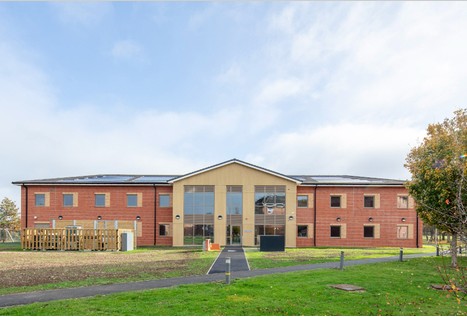
Dell Technologies has revealed that it will move to Mercury House in Lanarkshire’s AI Innovation Park, which will be the new home for the company’s Scottish team.
Steve Young, Senior Vice President and UK Managing Director for Dell Technologies, said: “AI is creating new opportunities for organisations across every sector. Realising its potential depends on having the right infrastructure, skills and partnerships in place. Our Scottish team moving to Lanarkshire means we will join a growing community of organisations helping to advance AI innovation, skills and collaboration. Being part of that ecosystem will help us strengthen relationships across Scotland while continuing to support customers and partners across the UK on their AI journeys.”
UK Business Secretary Jonathan Reynolds said: “This investment and Dell’s decision to back brilliant talent in Lanarkshire, is proof that our AI Growth Zones are already playing their part in reindustrialising Britain and delivering good growth in every postcode. By using the National Wealth Fund to unlock private finance, we’re transforming Scotland into an AI powerhouse, delivering high-skilled jobs, training and new opportunities that people can access on their doorstep.”
Scottish Secretary Douglas Alexander said: “Securing £300 million in backing for Lanarkshire shows the UK Government’s clear determination to drive prosperity across every part of Scotland. The compute power built here will power the next generation of scientific advances and greener energy solutions, while giving local people the skills and careers needed to run them.”
Work is well underway and the site remains on track to be among the first AI Growth Zones in the UK to see cutting-edge chips installed.
Developing AI Growth Zones across the UK
The UK’s AI Growth Zones are designed to ensure communities with the energy resources needed to power AI infrastructure can benefit from the jobs, investment and growth the technology creates.
Oliver Holbourn, National Wealth Fund CEO, said: ”New compute capacity is key to unlocking the UK’s future, yet private finance can be difficult to secure for emerging infrastructure at this scale. The National Wealth Fund’s guarantee is helping address that gap, giving lenders the confidence to invest.
“By laying the foundation for the wider Lanarkshire AI Growth Zone, we are helping support innovation and local economic opportunity, while delivering critical compute capacity for the UK’s sovereign AI ambitions.
Lanarkshire is a site particularly well placed for this mission thanks to its abundant energy supply and strategic position within Scotland’s electricity network. The site’s energy needs will be met mainly by renewables.
Sign up for our newsletter and get our latest content in your inbox.
Similar Reads





Sign up for our newsletter. Select all sectors relevant to you.
Related