

Building resilience in aviation supply chains

In aviation, resilience has become just as important as efficiency when it comes to the supply chain. Brian Sartain, Chief Operating Officer at Ontic, explores the key challenges impacting supply chain resilience, and how Ontic works to overcome them, in order to deliver a lifetime of flight for its customers.
Across the industry, supply chains are under sustained pressure from rising demand, constrained capacity, inflationary cost pressures and a tightening talent market. These forces are affecting every part of the aerospace ecosystem, from raw materials and specialist machining to electronics and highly engineered assemblies. For operators and OEMs alike, the challenge is no longer simply securing parts – it is securing long-term confidence in supply.
That challenge is especially acute in a highly regulated industry like aviation, where performance, certification and safety requirements leave little room for substitution or delay. Unlike many other industries, aerospace cannot simply switch suppliers overnight or redesign components without significant cost, time and regulatory consequence. Resilience, therefore, depends on building supply chains that are proactive, adaptable and engineered for the long term.
The pressure points shaping aviation supply chains
Capacity remains one of the most immediate concerns. Aerospace demand has rebounded strongly, with production volumes at or above pre-pandemic levels in many areas. This means producing volumes that some suppliers have never produced, and much of the supply chain has struggled to scale to these levels. Highly specialised suppliers are being asked to support growing demand across both established and newer platforms, often with finite resources and limited room to expand quickly.
For aviation businesses, that creates a difficult environment. Critical suppliers may prioritise higher-volume programmes, while lower-volume but still essential product lines can become harder to support. In practice, this means resilience is no longer just about having approved suppliers in place – it is about ensuring those suppliers are the right fit for the demand profile, technical complexity and life-cycle expectations of the platform.
At the same time, inflation continues to add strain. Cost increases are being felt across materials, energy, labour and logistics. For more specialised aerospace applications, the challenge can be even sharper. Some parts rely on mature material specifications, hard-to-source alloys or restricted minerals that are becoming more difficult or more expensive to procure. Geopolitical shifts and regulatory changes only add to that complexity, requiring businesses to continuously reassess sourcing strategies and supplier risk.
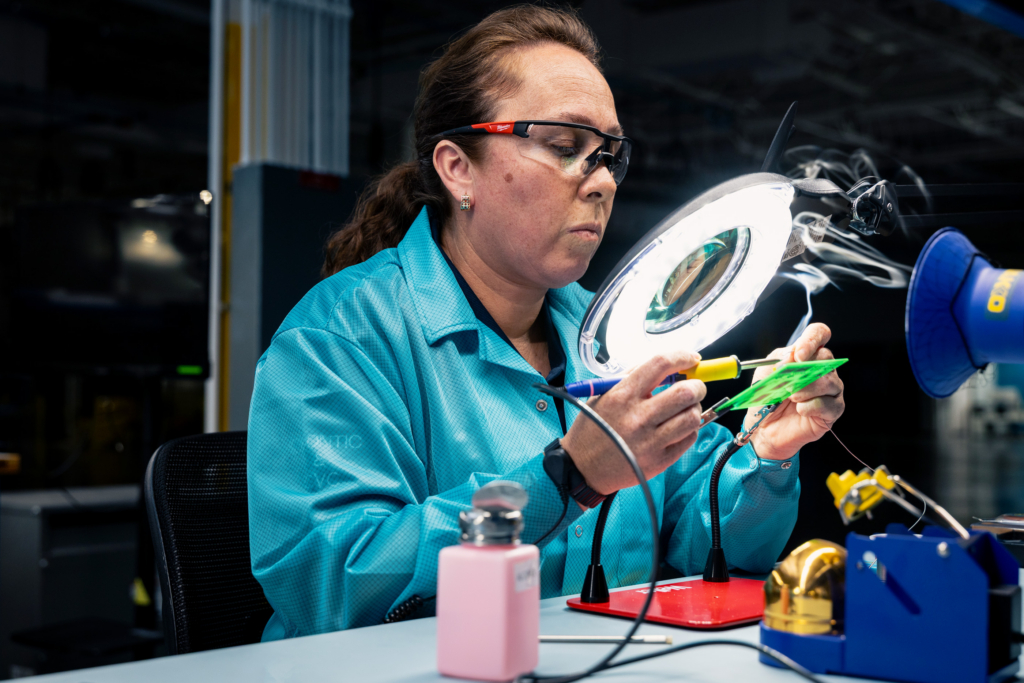
Then there is talent. Aerospace depends on niche skills that are not easily replaced: machinists capable of working to extremely tight tolerances, technicians able to programme complex equipment that is sometimes purpose-built and 40 years old, engineers who understand both traditional and modern technologies, and supply chain specialists who can identify risk before it becomes disruption. In many regions, that talent is in short supply. When skills are scarce, supplier capacity tightens further, lead times extend and resilience weakens.
Why resilience demands a more proactive model
These pressures are not temporary. They point to a more structural reality: aviation supply chains must now be managed with a longer-term, more interventionist mindset.
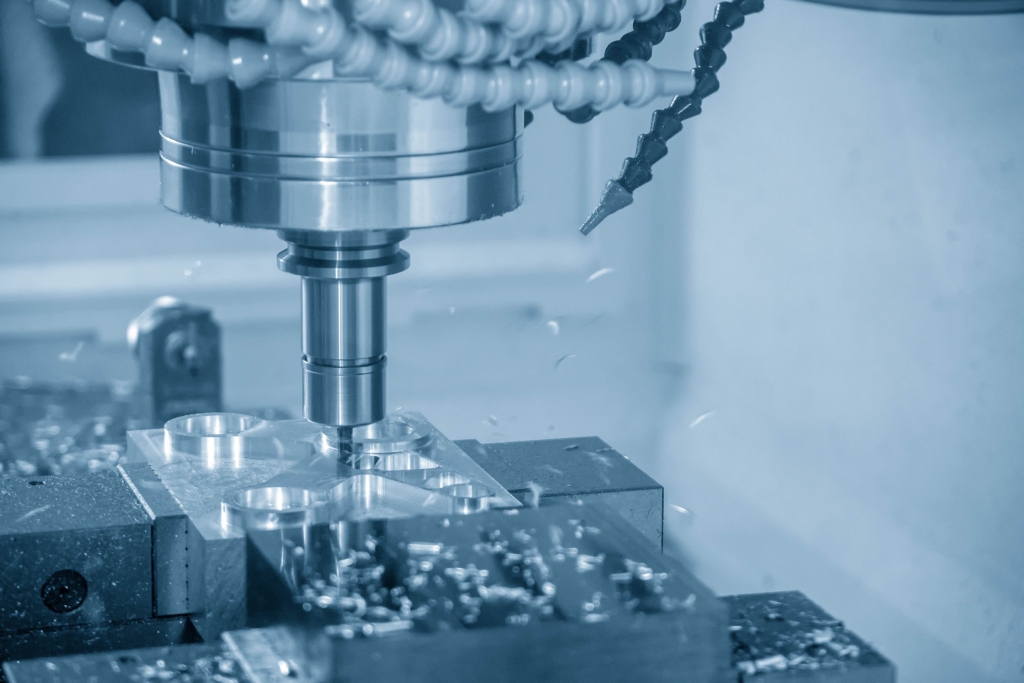
The key challenge is that not all products are equally easy for the supply base to support. Some are high-complexity, low-volume components with highly specific applications. Others rely on technologies or manufacturing methods that much of the wider market has moved on from. In those cases, fragility is not just a matter of cost or lead time – it is a matter of whether the capability still exists at all.
That is where resilience becomes a strategic choice rather than an operational slogan. It requires companies like Ontic to identify risk early, understand where obsolescence may emerge, assess whether the supply base is still economically viable, and act before a production issue reaches the customer.
A proactive approach matters because problems such as obsolescence are only truly disruptive when they arrive unexpectedly. If businesses can review bills of material, evaluate ageing technologies, analyse supplier health and plan alternative routes in advance, they can often prevent supply disruption before it affects the aircraft manufacturer or the operator.
How Ontic responds
For Ontic, overcoming supply chain fragility means more than monitoring suppliers – it means actively shaping the supply chain around the products and platforms we support.
That starts with building supply chains that are right-sized for a high-mix, low-volume environment. Rather than relying on supplier networks designed for very different production profiles, Ontic works to identify partners that can support the specific scale, complexity and long-term needs of the product lines in its care. In some cases, that means finding new suppliers. In others, it means investing in category expertise, strengthening market visibility and moving quickly to qualify alternative sources before disruption occurs.
It also means tackling obsolescence proactively. Ontic does not simply wait for a part to become unavailable and then react. Our business reviews technologies, materials and sources of supply early in the life of a programme, identifying where future risks may sit and developing solutions before they become operational issues.
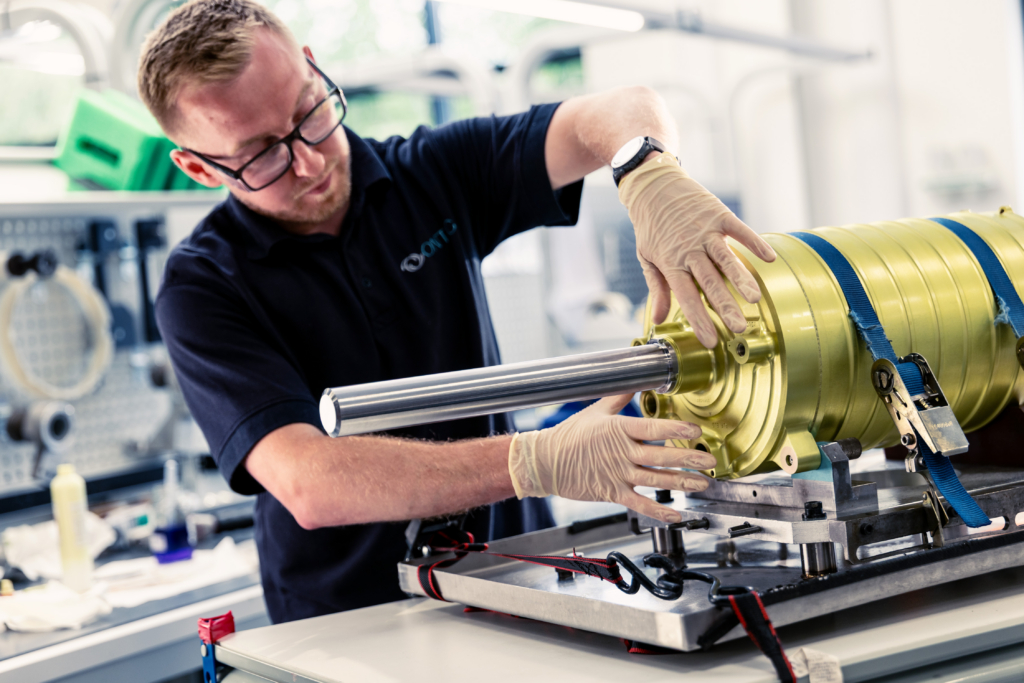
Because we acquire mature technologies, they have often been neglected, and as part of our “LIFT” process, we give that bill of materials a fresh look and scrub for resilience when we induct it. That can include redesigning a component using current technology so that it replicates the performance of the original, helping customers avoid the far greater cost and disruption of requalifying an entire system or aircraft.
When Ontic invests to help customers
One of the clearest tests of supply chain resilience comes when the market no longer wants to support a critical part at all.
There are occasions in aviation where the economics for the wider supply base simply do not stack up. A component may be essential to continued operation, but the demand may be too low, the process too specialised or the expertise too rare for an external supplier to remain interested. At that point, resilience depends on whether someone is willing to step in.
This is where we believe our approach stands apart. When necessary, Ontic will invest its own engineering, manufacturing and supply chain resources to keep critical products available. That may mean developing replacement solutions, re-establishing manufacturing capability, or vertically integrating activity that the external supply chain can no longer support. It is a significant commitment, but one that can save customers far greater expense.
In some cases, Ontic’s investment can help customers avoid costly redesign and requalification programmes that could otherwise run into the tens of millions. More importantly, it helps protect fleet availability, programme continuity and long-term operational confidence. Put simply, when the alternative is disruption, delay or a major recertification burden, targeted investment in resilience becomes a practical and valuable choice.
A broader lesson for the industry
Aviation’s supply chain challenge is often described in terms of disruption, but the bigger issue is preparedness. Capacity, inflation and talent pressures are forcing the industry to make more deliberate decisions about where resilience comes from and who is prepared to invest in it.
The strongest supply chains will be those that do not wait for problems to become crises. They will combine early visibility, technical problem-solving, supplier realignment and, where needed, a willingness to bring capability closer in order to secure continuity.
For Ontic, that is what supply chain resilience looks like in practice: anticipating risk, finding solutions early and, when customers need it most, investing to keep critical aircraft parts in service and platforms flying.
Sign up for our newsletter and get our latest content in your inbox.
Similar Reads



Sign up for our newsletter. Select all sectors relevant to you.
Related