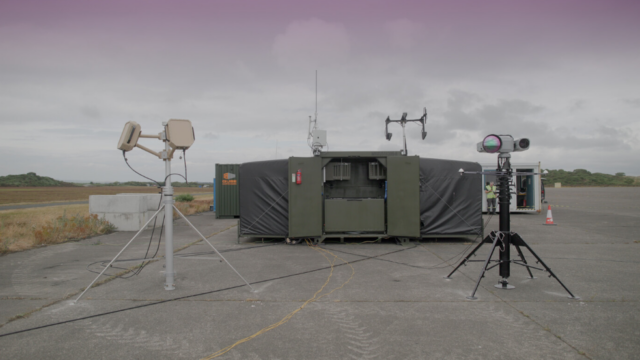


BAE Systems offers a sneak peek into near-complete GCAP Tempest demonstrator


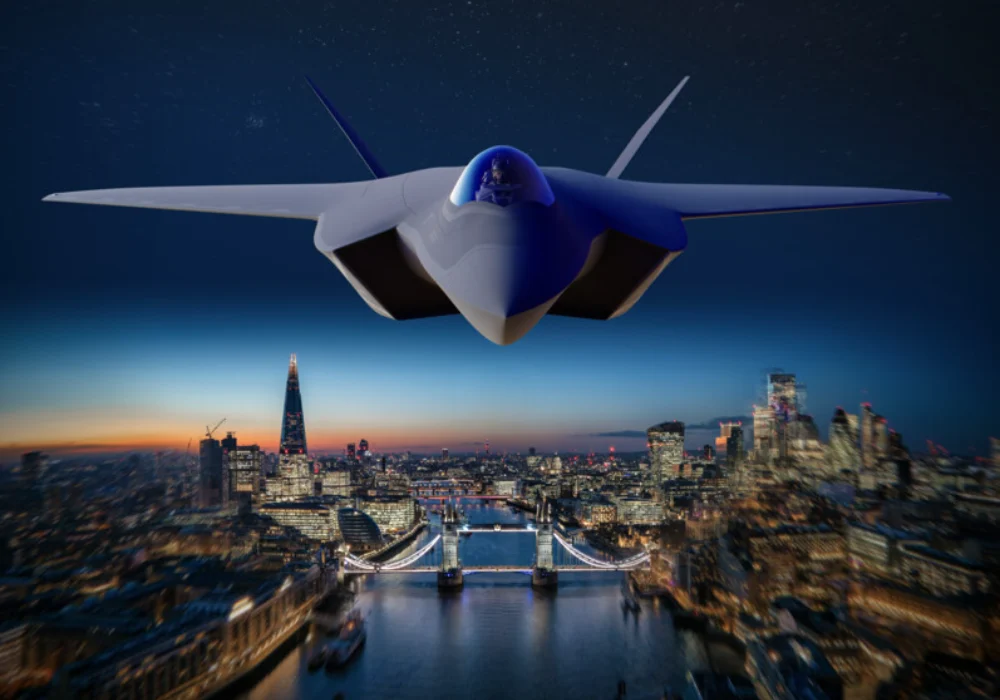
Aviation Week has reported that the Combat Air Flying Demonstrator for the Tempest/GCAP 6th-generation fighter jet programme is now 75% complete.
This measure of completeness is by volume, with major structural sections mostly built over the last 12-18 months. The demonstrator remains scheduled to conduct its first flight in late 2027 ahead of entering service around 2035.
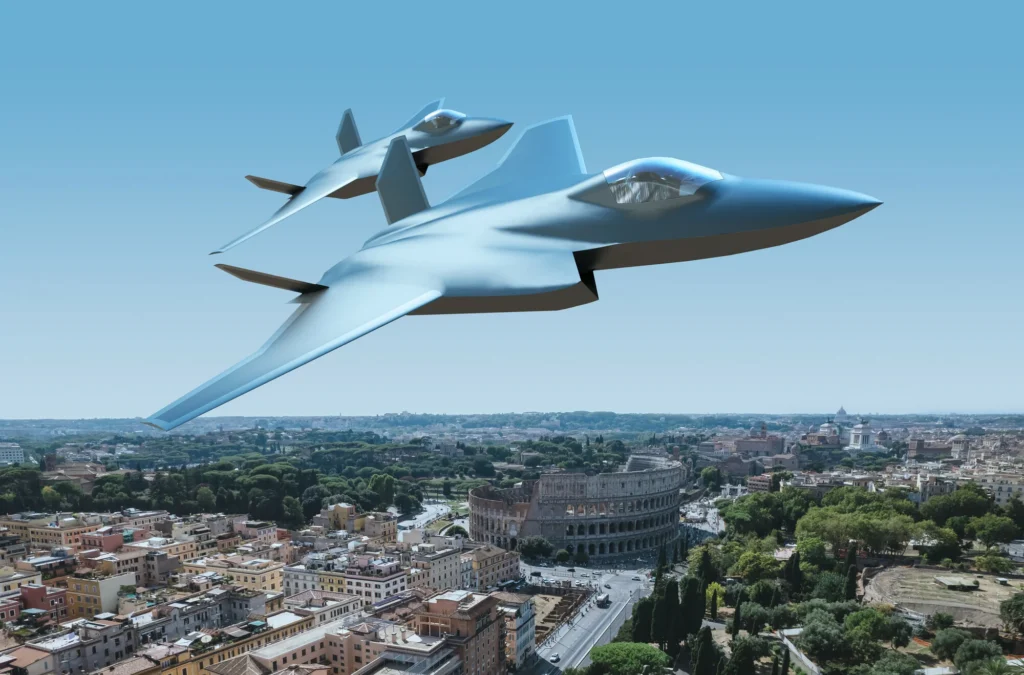
Aviation Week was one of a few trade publications permitted to see the front, centre, and rear fuselage sections of the next-generation demonstrator at BAE’s site in Samlesbury, England. The large double-delta wings are currently being constructed at BAE’s Warton facility.
The publication writes that the “size suggests the demonstrator could carry around twice the internal weapons volume of the F-35’s relatively shallow bays and potentially accommodate larger-diameter stores.” It adds that the aircraft appears to be around a third longer than the Eurofighter Typhoon it is intended to replace.
The demonstrator is to be powered by a pair of Eurojet EJ200 engines.
World’s only export-oriented next-generation fighter jet
GCAP is being jointly funded and developed by the UK, Japan, and Italy to replace their respective Eurofighter Typhoons and Mitsubishi F-2 (F-16 derivative) fighter jets. While the US and China have the capacity to develop specialised next-generation fighter jets specifically for their own requirements (e.g., F-47, J-36), this is infeasible for smaller nations.
Through the Global Combat Air Programme, we’re bringing together technical and industrial expertise to develop an aircraft that can perform in the most demanding operating environments ✈️
— BAE Systems Air (@BAESystemsAir) May 20, 2026
See how we're doing this 🔗 https://t.co/n3T2xU1e8A pic.twitter.com/8TgGKMuQz7
GCAP is now the only fully-fledged next-generation fighter jet being built for the export market. Trump has suggested the F-47 will be offered for export, but that is the decision of later administrations, and its high cost and specialisation are likely to make it niche. It is plausible that the primary competitor of GCAP will be the future ‘Block 5’ F-35 variant.
Aviation Week reported that the fuselage taking shape (called the cigar) will be moved to Warton next year, where it will be mated with the wings and vertical stabilisers.
While tailless designs and renders have emerged from China and the US, GCAP is being designed with large stabilisers, reflecting a different role and design philosophy.
An excellent month for GCAP
The past few weeks have offered a significant boon for GCAP. The United Kingdom’s new Defence Investment Plan commits £8.6 billion to GCAP over the next four years. This is more than the £6 billion that had been expected and overcomes one of the greatest sources of concern for the programme.
Japan is known to be sensitive to any slippage in the planned in-service date (2035) and has been uneasy with the United Kingdom’s slow-walking funding. The announcement removes fears that the UK would delay the programme.
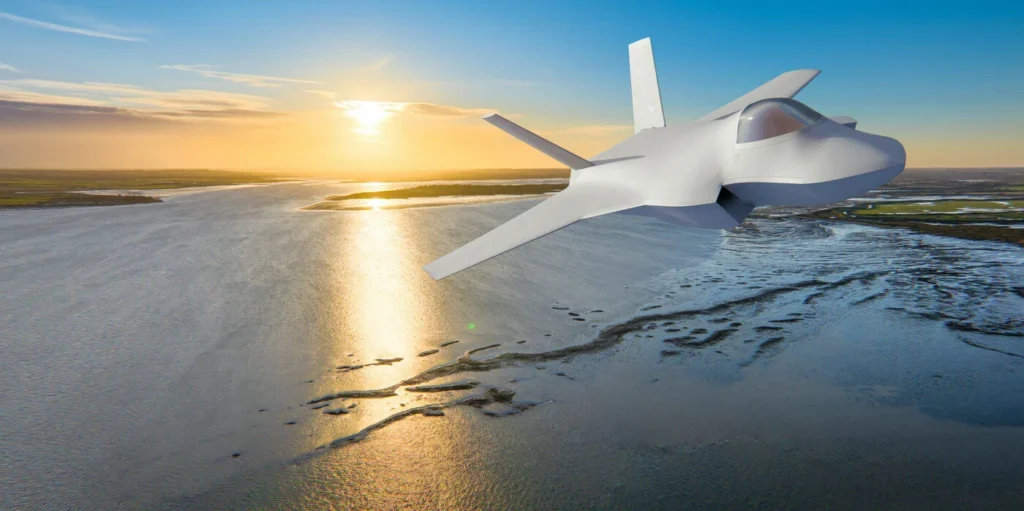
Meanwhile, Canada has thrown another curveball with its defence minister saying Ottawa is “interested in learning more about” GCAP after a meeting in Tokyo. Canada is unlikely to be able to join as an equal development participant, but could join as a partner and offer increased confidence in the fighter jet’s export potential and its business case.
Unlike the United States’ heavily specialised F-47 air dominance next-generation fighter, GCAP is being designed as a multirole air superiority fighter specifically with an eye for exports. India, Australia, Saudi Arabia, and Germany are also known to be interested in the programme.
In the latter’s case, Germany officially terminated its rival FCAS programme with France and Spain last month, leaving GCAP as the only fully-funded, fully-fledged next-generation European fighter jet programme.
Joining the GCAP programme in some capacity is seen as one of Germany’s leading options, along with developing a fighter with Sweden and/or Spain or relying on an expanded fleet of F-35s with advanced future unmanned combat drones.
Sign up for our newsletter and get our latest content in your inbox.
Similar Reads


Sign up for our newsletter. Select all sectors relevant to you.
Related