

Project SEAN to launch electric aircraft trials across Scotland’s Highlands and Islands in 2027


Scotland will begin demonstration flights of an all-electric aircraft across the Highlands and Islands in 2027 under a new programme designed to test whether zero-emission aviation can become a practical part of regional transport.
The initiative, known as Project SEAN, has secured £1.5 million from the UK Department for Transport and will bring together airlines, airports, aircraft manufacturers and infrastructure partners to evaluate electric flight operations in real-world conditions.
Rather than focusing solely on the aircraft, the programme will examine how electric aviation can be integrated into existing regional air services serving some of Britain’s most remote communities.
Led by Bristow Helicopters, the consortium includes BETA Technologies, Highlands and Islands Airports Limited (HIAL), Highlands and Islands Transport Partnership (HITRANS), Electric Aviation Maven and Skyports Infrastructure.
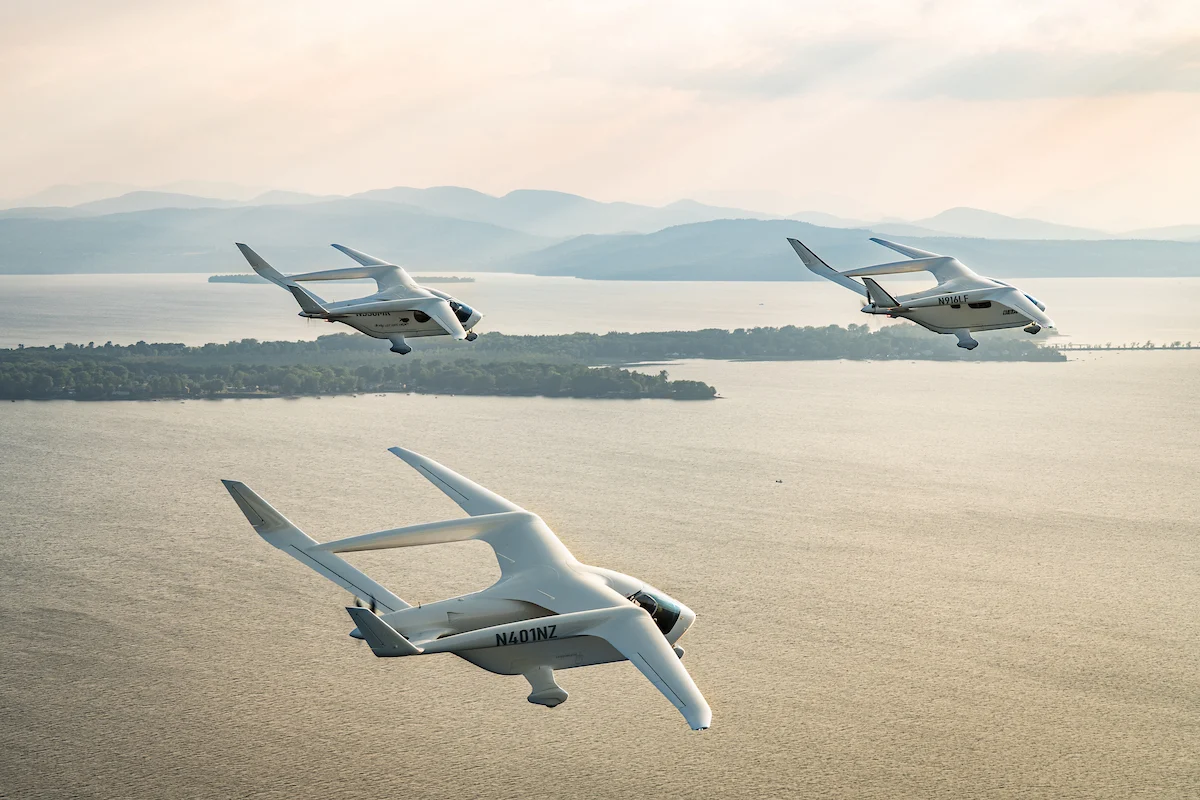
Over a planned three-month programme, the partners will operate BETA Technologies’ ALIA CTOL (CX300) aircraft from Inverness Airport to regional airports, including Wick John O’Groats Airport.
The flights will support passenger, cargo and medical service scenarios while collecting operational data to assess how electric aircraft perform in day-to-day regional operations.
Project SEAN will use CX300 to evaluate how electric aviation can operate across Scotland
Unlike many technology demonstration programmes, Project SEAN is centred on operational experience rather than laboratory testing.
The consortium will study aircraft performance, charging requirements, airport readiness, turnaround times and operational procedures to understand what will be needed before electric aircraft can enter commercial service.
The ALIA CTOL (CX300) has been selected because it operates from conventional runways, allowing the programme to use existing airport infrastructure instead of building dedicated facilities.
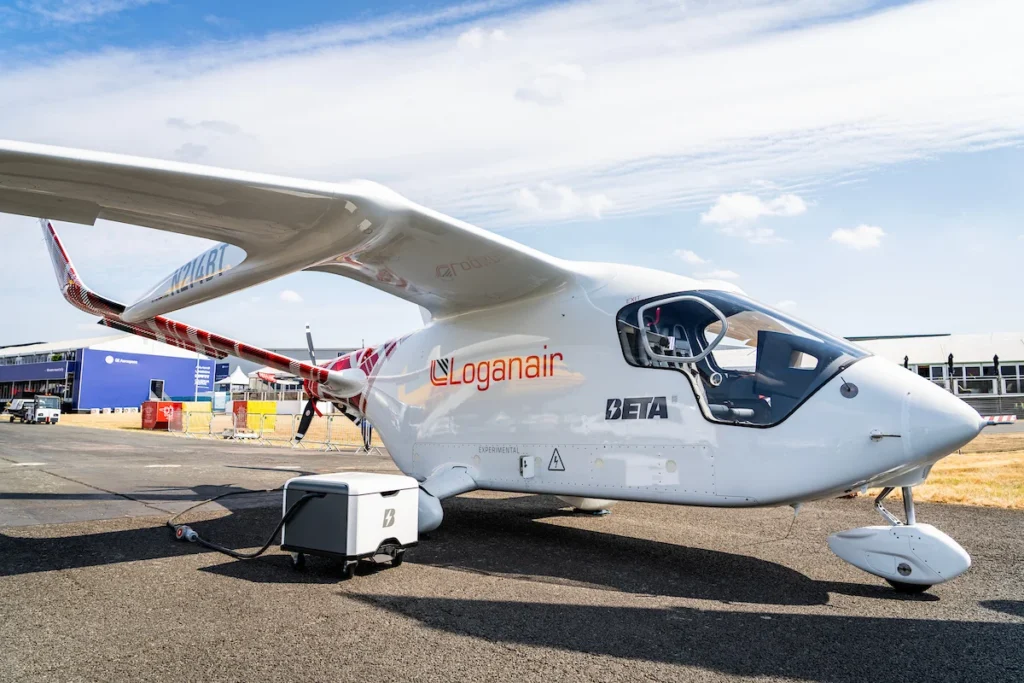
That approach reflects the project’s wider objective of understanding how electric aircraft can fit into today’s regional aviation network with the least possible disruption.
Simon Meakins, Project SEAN consortium lead for Bristow, said the programme marked an important step for regional aviation.
“Project SEAN brings together organisations committed to exploring how electric aviation can support regional connectivity while reducing emissions across Scotland’s Highlands and Islands,” Meakins said.
He said the government funding would allow the project to move beyond planning.
“With support from the Department for Transport, we can now move from planning to executing real-world demonstration flights and generating practical insights that will help inform the future of electric aviation in Scotland and beyond,” he added.
The consortium expects the programme to provide operational evidence that can support future commercial deployment while improving transport links for communities spread across Scotland’s island and coastal regions.
The demonstration flights will test airport readiness, charging infrastructure and day-to-day operations
The flights are intended to answer practical questions facing electric aviation rather than simply proving that the aircraft can fly.
Engineers and operators will evaluate charging infrastructure, aircraft turnaround procedures, maintenance requirements and airport operations alongside the aircraft’s performance on regional routes.
The programme will also examine how electric aircraft could support a range of missions, including scheduled passenger services, cargo transport and medical logistics.
Those findings are expected to help shape future certification, infrastructure planning and commercial operations.
Project SEAN forms part of the Department for Transport’s wider Zero Emission Flight Demonstrator programme, which is supporting eight projects aimed at accelerating the introduction of electric and hydrogen-powered aircraft in the UK.
The wider programme covers aircraft demonstrations as well as charging systems, hydrogen refuelling technologies and airport infrastructure designed to support future low-emission aviation.
Moving from feasibility studies to operational electric flight demonstrations
Project SEAN builds on several years of work to prepare Scotland’s Highlands and Islands for the next generation of regional aviation.
Much of that work has been carried out through the Sustainable Aviation Test Environment (SATE) programme, which has examined how electric, hydrogen-powered and autonomous aircraft could be introduced into one of Europe’s most geographically challenging air transport networks.
The programme has already explored airport infrastructure, charging requirements, regulatory frameworks and future operating models. It has also supported trials involving autonomous cargo aircraft and studies into hydrogen-powered aviation.
Project SEAN represents the next stage of that work by moving from feasibility studies to operational flying.
The demonstrations also complement wider industry plans already taking shape in Scotland. Loganair has announced its intention to introduce at least five electric aircraft from 2029, making the operational lessons from Project SEAN directly relevant to future regional services.
For Bristow, the programme also reflects the company’s broader expansion beyond offshore helicopter operations into advanced air mobility and sustainable aviation.
The company believes regional electric aircraft could provide an efficient alternative on shorter routes where conventional aircraft face increasing pressure to reduce emissions.
While questions remain over certification, economics and infrastructure investment, the significance of Project SEAN lies in its practical approach.
Sign up for our newsletter and get our latest content in your inbox.
Similar Reads





Sign up for our newsletter. Select all sectors relevant to you.
Related