

Brize Norton runway works become real-world test of RAF dispersed air operations


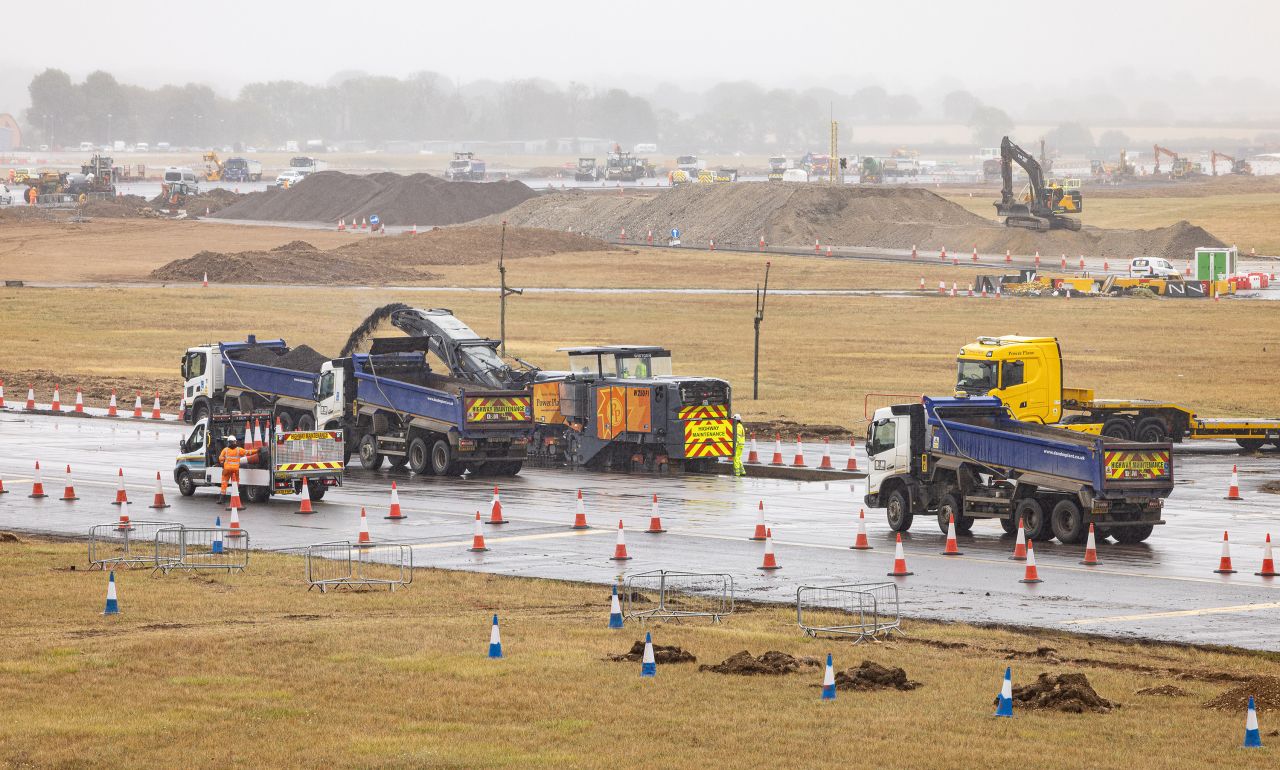
Major runway resurfacing work at RAF Brize Norton is progressing as the Royal Air Force (RAF) continues to operate its Air Mobility Force from dispersed locations across the UK under Project Mace.
The runway at the Oxfordshire base is undergoing a major reconstruction as part of a planned 20-year infrastructure cycle. With the runway unavailable, around 40 aircraft and hundreds of personnel have been relocated to alternative locations, while construction activity continues at Brize Norton.
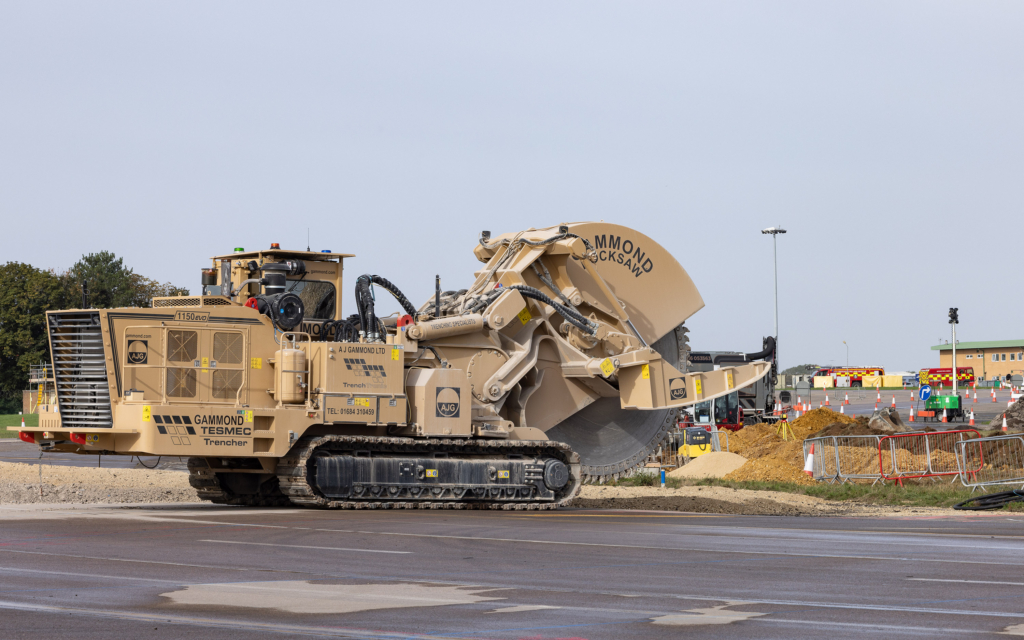
According to the RAF, much of the existing infrastructure had been removed by the end of August, with the programme now moving into the reconstruction phase. Favourable weather during July and August has also supported progress, while the dispersal of aircraft and personnel was completed ahead of schedule.
Gp Capt Andy McIntyre, who served as Commander Air Wing for the RAF’s Air Mobility Force until early September, said: “Project Mace is all driven by the 20-year refurbishment, resurfacing of the Brize runway. With the runway not available, we’ve had to continue operations by dispersing our fleets across other locations.”
Dispersed air mobility operations put ACE into practice
Glasgow Prestwick Airport in Scotland and MOD Boscombe Down in Wiltshire are among the principal locations supporting ongoing dispersed operations, with East Midlands Airport in Leicestershire, London Stansted Airport in Essex and Bournemouth Airport in Dorset also contributing.
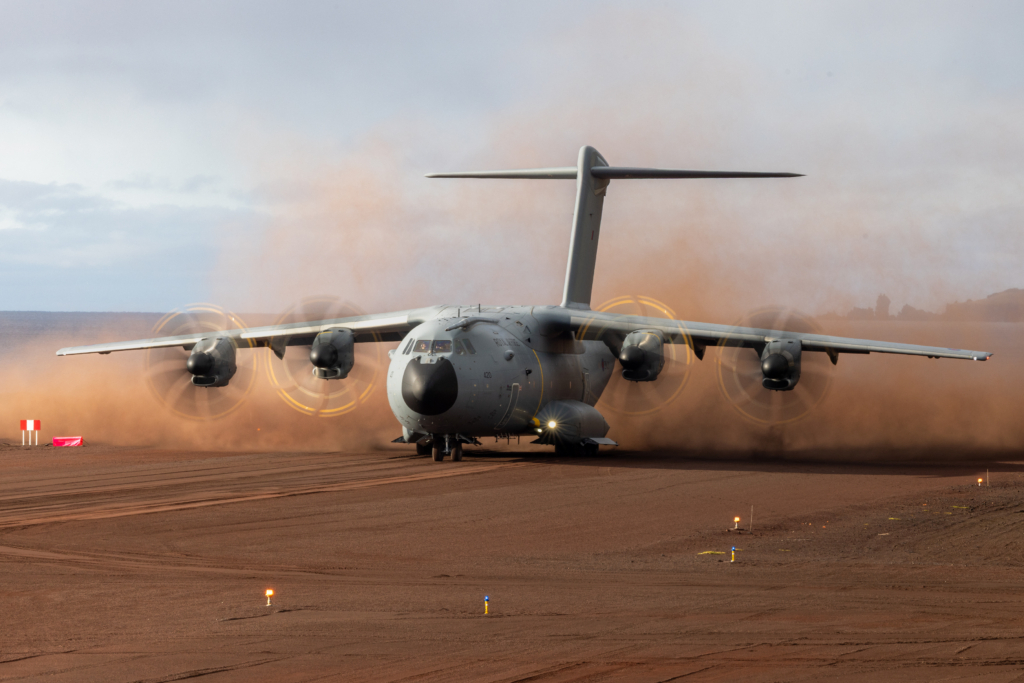
While the RAF’s eight-strong Boeing C-17A Globemaster III and 22-strong Airbus A400M Atlas C1 fleets have been primarily moved to Boscombe Down, both types have occasionally conducted operations to and from Bournemouth Airport since runway resurfacing work began at Brize Norton.
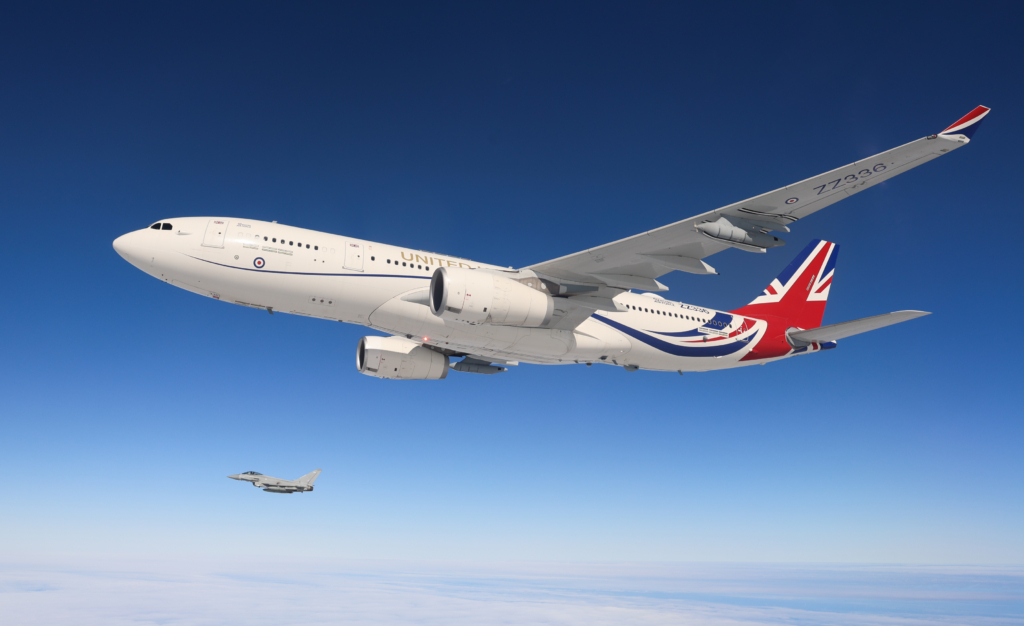
Meanwhile, the RAF’s 14-strong Airbus A330-243MRTT Voyager KC2/KC3 tanker-transport fleet has been dispersed across Glasgow Prestwick Airport, East Midlands Airport and London Stansted Airport.
This approach allows the RAF to maintain air mobility output while simultaneously testing its ability to operate from multiple dispersed locations under the Agile Combat Employment (ACE) concept.
Largely conducted by the RAF, NATO and US Air Force (USAF), the ACE concept is an operational scheme of manoeuvre where air forces shift activities away from large, centralised main operating bases to a dispersed network of smaller, forward-deployed locations.
Designed as both a proactive and reactive strategy for wartime operations, the ACE concept aims to outpace hostile targeting cycles and increase aircraft and crew survivability against modern ballistic/cruise missiles, hypersonic weapons, one-way attack (OWA) drones and intelligence-gathering threats.
This rapid, unpredictable repositioning with a limited external footprint aims to confuse and complicate enemy reconnaissance, intelligence-gathering and long-range strike calculations.
Rebuilding the critical hub of the RAF’s air mobility operations
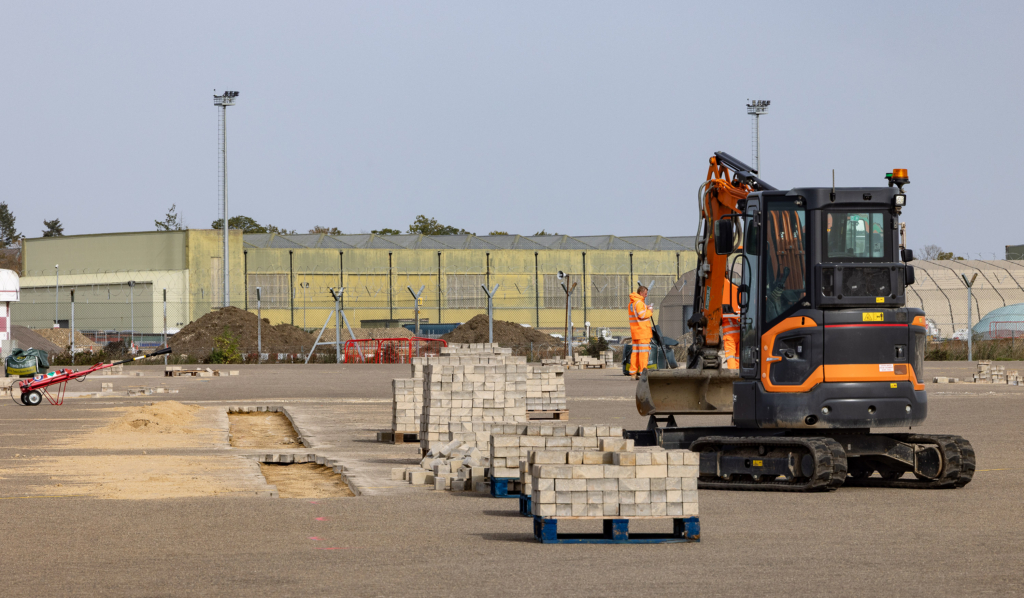
The ongoing infrastructure programme centres around the replacement of Brize Norton’s existing 3km runway alongside wider airfield improvements.
Earlier phases of Project Mace focused on the installation of two on-site asphalt plants, designed to strengthen supply chain resilience and provide greater control over material production. Construction is scheduled to continue over the coming months, with completion expected in 2027.
This work is being delivered within the wider Mace Vector programme, which formally began with the handover of the runway at Brize Norton to contractors in July. The programme also encompasses taxiway refurbishment, as well as the installation of airfield lighting, drainage and support infrastructure upgrades.
For the RAF, the project is providing both essential infrastructure renewal and a practical demonstration of dispersed operations. The Air Wing at Brize comprises around 1,600 personnel, with air operations/movements, engineering, medical, contractor and civilian teams all contributing to the effort.
McIntyre said the project had demonstrated the adaptability of the Air Mobility Force, adding: “It’s down to every individual and the way that every individual has worked together as one whole team. I’m hugely grateful to everyone for that.”
Aircraft are expected to return to Brize Norton once the runway resurfacing programme has been completed, with the wider objective of providing a more resilient air mobility hub capable of supporting RAF operations for decades to come.
Sign up for our newsletter and get our latest content in your inbox.
Similar Reads

-22092026-640x640.jpg)