Met launches handheld facial recognition pilot for frontline identity checks
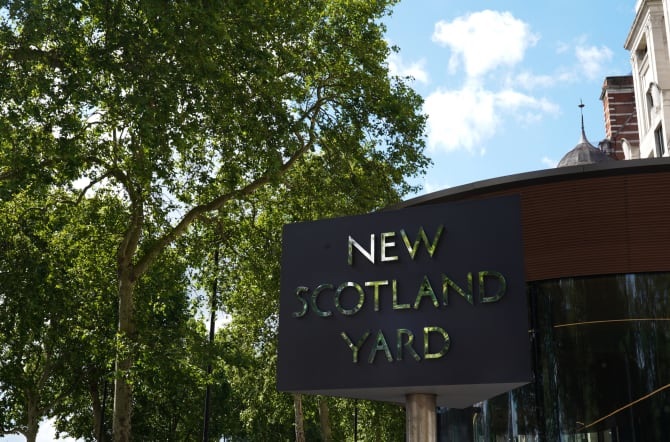
The Metropolitan Police has launched a six-month pilot of a new handheld facial recognition tool that can help officers confirm a person’s identity and identify people who are wanted by police more quickly.
The introduction of Operator Initiated Facial Recognition (OIFR) marks the latest expansion of facial recognition technology within UK policing, bringing biometric identity checks directly into the hands of frontline officers.
The Met says the technology will improve identification, safeguarding and operational efficiency.
How does the facial recognition tool work?
The pilot is being trialled by 100 trained officers across custody suites and frontline policing teams.
Using a Met-issued smartphone, officers can take a photograph of an individual and compare it against the force’s custody image database.
The system only returns a result where it finds a match above a threshold informed by independent testing. If no sufficiently strong match is found, no result is returned.
How rapid identification can help police
By establishing a person’s identity more quickly, OIFR helps alert officers to known risks such as a history of carrying a weapon, trying to escape or attempting to self-harm and reduces unnecessary time in custody.
Commander Nick John, the Met’s lead for OIFR, said: “OIFR gives officers another way to establish who they are dealing with. It can help us identify wanted offenders more quickly, protect vulnerable people and alert officers to known risks, such as a history of knife possession.

“Every potential match is reviewed by a trained officer alongside all the information available to them, to ensure the picture taken matches the person in the custody photo.”
Earlier this week, on the first day of the pilot, officers were called to reports of a drunk woman walking into traffic who was unable to identify herself. Using OIFR, they were able to establish her identity, access relevant safeguarding information and ensure she received medical attention.
Why close monitoring should ensure the technology is only used where and when appropriate
The Met says OIFR is “not a tool for officers to take pictures of people at random”.
Instead, the the technology can only be used in specific circumstances where there is a “lawful and proportionate need to establish an individual’s identity”.
These include situations where a person is suspected of committing a recordable offence and either refuses to provide their details or is believed to have supplied false information, as well as following arrest or detention where officers are legally permitted to take an image.
Commander John added: “OIFR operates to a strict matching threshold informed by independent testing and can only be used in limited circumstances. Officers must first exhaust other reasonable ways of establishing a person’s identity.”
The pilot forms part of the force’s wider technology strategy, which has seen increasing deployment of facial recognition tools across London as police seek to improve operational efficiency and support crime prevention and offender detection.
Sign up for our newsletter and get our latest content in your inbox.
Similar Reads


Sign up for our newsletter. Select all sectors relevant to you.
Related