

CAA cuts red tape to accelerate airspace modernisation and support drone innovation



The UK Civil Aviation Authority (CAA) is simplifying the process for changing UK airspace to speed up modernisation and make it easier to accommodate drones and other new types of aircraft.
The regulator has revised CAP1616, the framework airports, air navigation service providers and other sponsors must follow when proposing changes to the design of UK airspace.
The new rules take effect on 1 October 2026, alongside updated government Air Navigation Directions and Guidance.
The UK needs an airspace system that can handle commercial aircraft, general aviation and growing numbers of unmanned aircraft without creating unnecessary regulatory barriers to trials and new services.
Airspace changes should become quicker and more proportionate
Under the revised CAP1616 process, regulatory requirements will more closely match the scale and potential impact of a proposed change.
The CAA says this should reduce unnecessary work for lower-impact proposals while retaining safety oversight, evidence requirements and consultation where communities could be affected.
“Following recent changes to Government policy, the UK’s airspace must continue to evolve to support a changing aviation sector, from modernising existing operations to accommodating new technologies and users. The revised CAP1616 process provides a simpler and more proportionate framework for making these changes,” said Giancarlo Buono, the CAA’s Director of Safety and Airspace Regulation.
“By tailoring requirements to the scale and impact of proposals, we can reduce unnecessary burdens and help organisations make progress, whilst keeping a consistent focus on safety, evidence and impact.”
The existing CAP1616 airspace change process can take years for some proposals to progress from initial discussions to a final decision. Version 6 will apply to new airspace change proposals submitted from 1 October.
The CAA is also introducing a more streamlined route for short-term activities, potentially making it easier to establish temporary arrangements needed for trials and emerging aviation operations.
Why drones make airspace reform increasingly important
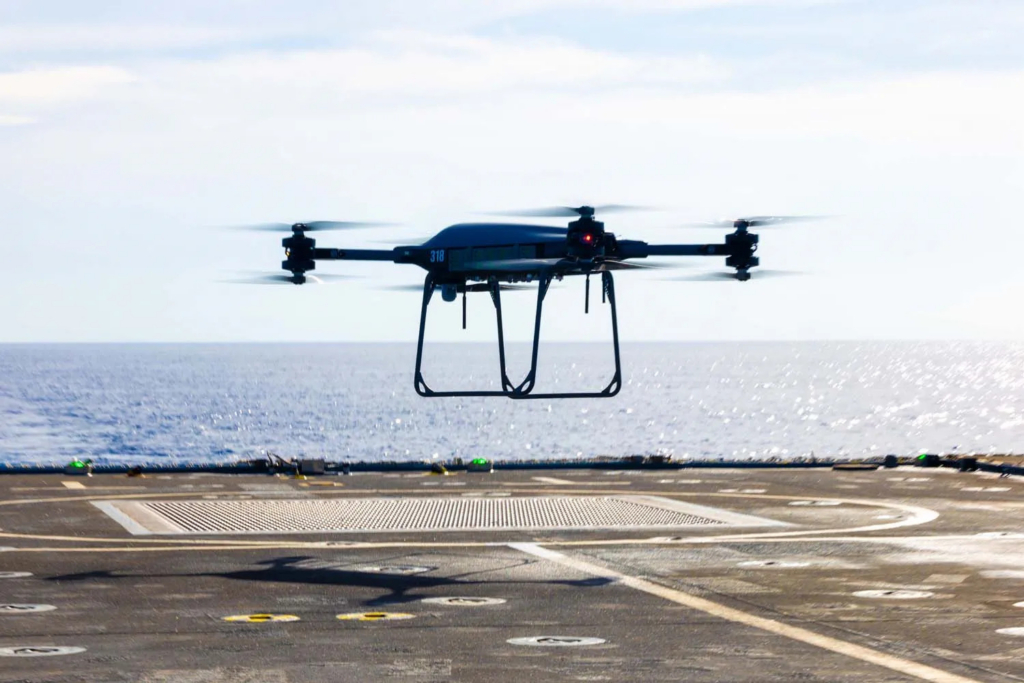
Drones operating beyond visual line of sight, or BVLOS, create a fundamental challenge: how to allow remotely piloted aircraft to share airspace safely with conventional aircraft at scale.
The CAA’s long-term objective is to move away from relying on segregated areas created specifically for individual drone operations and towards greater integration with other airspace users. Its BVLOS airspace policy concept describes a transition from segregated operations through managed accommodation and ultimately towards integrated operations.
That requires several pieces of the regulatory and technological system to develop together.
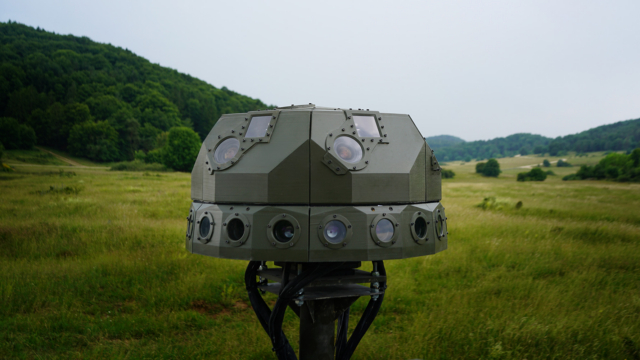
Detect-and-avoid technology, for example, is intended to perform some of the collision-avoidance functions normally provided by a pilot looking outside the cockpit. The CAA describes mid-air collision risk as one of the biggest barriers to expanding BVLOS drone operations and has been developing requirements for detect-and-avoid systems.
Electronic conspicuity – allowing aircraft and other airspace users to identify and locate each other electronically – is another part of the programme. The regulator is currently consulting on a potential UK-wide electronic conspicuity mandate, which closes on 22 September 2026.
The CAA has also developed a Future of Flight BVLOS Roadmap covering operational scenarios intended to enable increasingly sophisticated unmanned aircraft operations through 2027 and beyond.
Modernising airspace could also help conventional flights
The reforms are part of the broader UK Airspace Modernisation Strategy, which covers changes to airspace design, technology and operations through 2040.
For airlines, one objective is to use limited airspace capacity more efficiently. Modern flightpaths and navigation technology can let aircraft follow more efficient routes and help reduce delays from congestion.
The revised process will immediately affect proposed changes around London, where some of Britain’s busiest airports operate within one of the world’s most complex areas of controlled airspace.
Government policy has also changed. The 2026 Air Navigation Directions, published by the Department for Transport in August, replace the 2023 directions from 1 October and establish the framework under which the CAA manages and approves airspace design changes.
The government said its changes are intended to support the CAA in implementing airspace modernisation.
Faster does not mean consultation disappears
Streamlining the process could raise concerns among communities affected by changing flight paths, particularly around major airports.
However, the CAA says consultation remains a fundamental part of CAP1616. Its Airspace Change Portal publishes information on proposals and consultation responses, while allowing people to search for proposed changes near a postcode or location.
The wider reforms being introduced around the UK’s new airspace design arrangements also retain requirements to engage local communities and consider environmental effects.
As the number and variety of aircraft competing for UK airspace grows, airspace designed primarily around conventional aviation will increasingly need to accommodate drones, advanced air mobility and other emerging operations alongside airline traffic.
Simplifying how that airspace can change supports the infrastructure needed to turn drone trials into routine operations.
Sign up for our newsletter and get our latest content in your inbox.
Similar Reads





Sign up for our newsletter. Select all sectors relevant to you.
Related