Edgewing awarded £4.6bn to advance GCAP sixth-generation fighter

The contract will move the UK, Italy and Japan’s next-generation combat aircraft into its next major design phase, strengthening the UK’s future combat air sector.

GCAP Tempest
Photo: RAF

The UK, Italy and Japan have signed a £4.6 billion contract to take the Global Combat Air Programme into its next major design phase, giving fresh certainty to one of Britain’s most important defence industrial programmes.

The contract has been awarded through the GCAP Agency to Edgewing, the trinational industry joint venture established to lead the design and development of the next-generation combat aircraft.

For the UK, the announcement comes only days after the Defence Investment Plan confirmed £8.6 billion of funding for GCAP over the next four years, underlining the programme’s place at the centre of Britain’s future combat air strategy.

GCAP moves into next design phase

GCAP brings together the UK, Japan and Italy to develop a sixth-generation combat aircraft, targeted to enter service from 2035. The aircraft is expected to operate alongside Typhoon, F-35 and autonomous systems as part of a next-generation Royal Air Force.

The new contract will support the next stage of aircraft design by establishing key requirements and progressing testing work. It will also help move the programme deeper into the advanced concept, assessment and detailed design activity needed before full-scale development.

BAE Systems GCAP Tempest demonstrator
Photo: BAE Systems

Edgewing brings together BAE Systems in the UK, Leonardo in Italy and Japan Aircraft Industrial Enhancement Co Ltd. The company is headquartered in Reading and has been established as the trinational prime contractor and design authority for the GCAP aircraft.

Minister for Defence Readiness and Industry Luke Pollard said the contract was “a major step forward towards delivery” and said GCAP would support thousands of highly skilled jobs across the UK.

GCAP contract strengthens UK combat air industry

The Ministry of Defence said GCAP and the UK’s future combat air system already help support 4,500 jobs across the country, with a supply chain of around 600 organisations.

The programme is also intended to strengthen sovereign industrial capability in areas such as digital engineering, advanced manufacturing, propulsion, sensors and data systems.

Much of the industrial significance lies in the technologies being developed around the aircraft, as well as the fighter itself. The MoD said the programme has already delivered advances in digital engineering and advanced manufacturing, including the use of AI, robotics, augmented reality and additive manufacturing to accelerate design, testing and production.

That makes GCAP a defence programme, but also an industrial strategy test case. It is designed to preserve high-end combat air skills in the UK while sharing cost, development risk and technology across three partner nations.

The Defence Investment Plan also committed more than £1.1 billion of new funding to upgrade and sustain the RAF’s Typhoon force into the 2040s, £2.2 billion for additional F-35s and £300 million to begin developing a new UK autonomous combat aircraft.

Together, those investments point to a future RAF built around crewed fighters, uncrewed systems and digitally connected combat air capabilities, with GCAP as the long-term centrepiece.

Related

Dowty to open UK Innovation Centre in Gloucester
Next-gen propeller systems
Dowty to open UK Innovation Centre in Gloucester
A £19 million investment from GE Aerospace will enable Dowty to open an Innovation Centre in the UK that will advance the development and pre-production of next-generation propeller systems and other innovative aerospace technologies.
Aerospace Member News

18 Nov 2026

Gatwick awards slots to GOL as airline eyes international growth
GOL Linhas Aéreas Airplane
Gatwick awards slots to GOL as airline eyes international growth
Brazil's largest low-cost carrier has secured coveted Gatwick slots for summer 2027, strengthening its long-haul ambitions and signalling potential growth in UK-Brazil connectivity.
Aerospace

18 Nov 2026

Engineering and defence jobseekers lower career ambitions, survey finds
Engineer male advance robotic machine designer team talking with electronic component part supplier business consulting in heavy machinery industry concept.
Engineering and defence jobseekers lower career ambitions, survey finds
Research from Tribepad finds that more than half of rejected jobseekers in engineering, manufacturing, aerospace and defence have lowered their ambitions.
Aerospace Defence

18 Nov 2026

92% of UK defence firms surveyed plan to use more domestic suppliers as procurement concerns persist
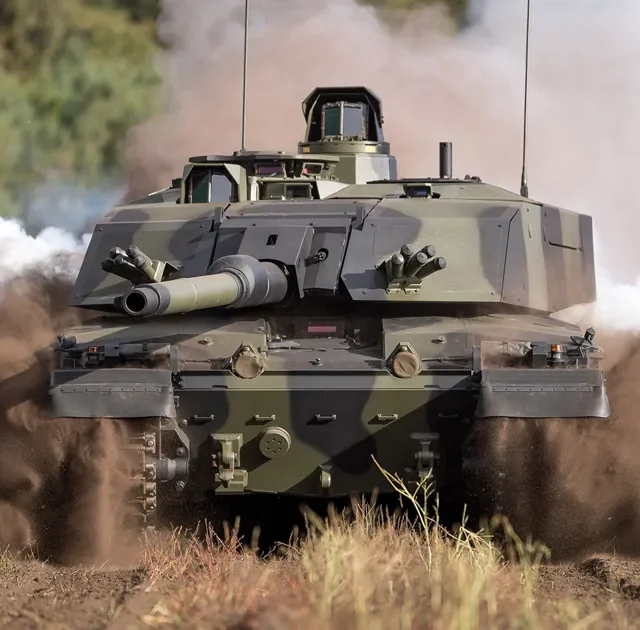
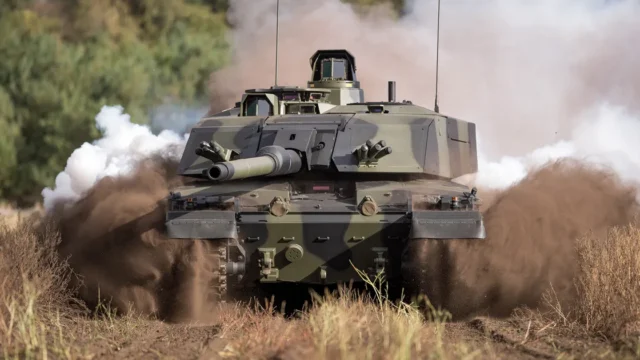
British-Army-Challenger-3-tank
92% of UK defence firms surveyed plan to use more domestic suppliers as procurement concerns persist
UK defence firms plan to work with more domestic suppliers over the next year, but changing contract requirements and lengthy decisions remain concerns.
Defence Security

18 Nov 2026

Four UK SMEs bring AI, aircraft and recycled materials to Leonardo’s drone swarm trials
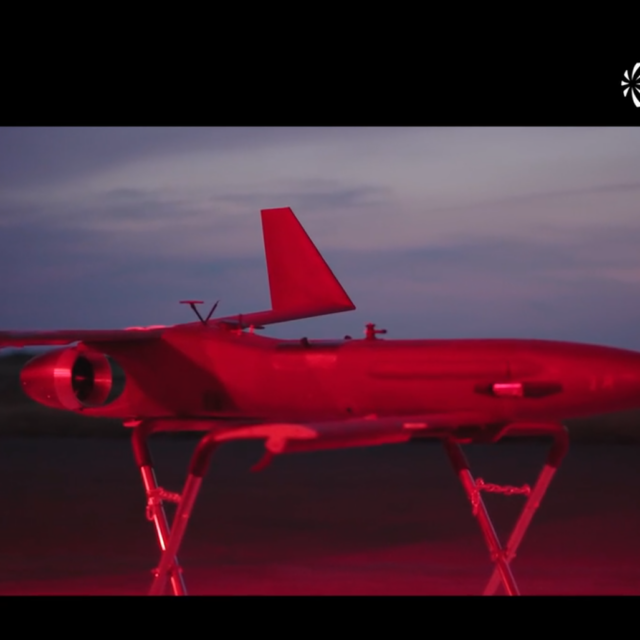
Sovereign Hunter Leonardo UK
Four UK SMEs bring AI, aircraft and recycled materials to Leonardo’s drone swarm trials
Volander, Faculty, Uplift360 and Applied AGI supplied the aircraft and software behind Sovereign Hunter, which went from contract to flight trials in six months.
Defence Member News

18 Nov 2026

Engineering and defence jobseekers lower career ambitions, survey finds
Engineer male advance robotic machine designer team talking with electronic component part supplier business consulting in heavy machinery industry concept.
Engineering and defence jobseekers lower career ambitions, survey finds
Research from Tribepad finds that more than half of rejected jobseekers in engineering, manufacturing, aerospace and defence have lowered their ambitions.
Aerospace Defence

18 Nov 2026

University of Surrey develops electronic eye to monitor solar storms
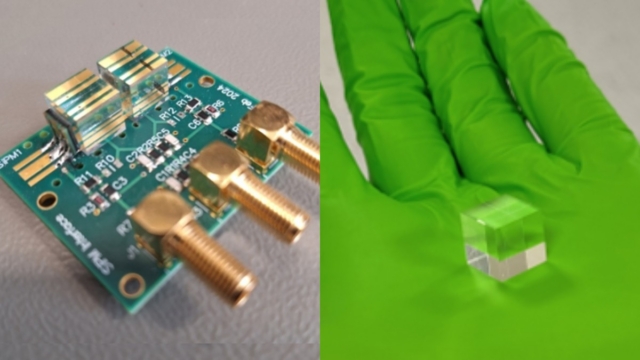
HEPI prototype ‘electronic eye’ sensor
University of Surrey develops electronic eye to monitor solar storms
Under a £400,000 contract with the European Space Agency (ESA) and the UK Space Agency (UKSA), a team of researchers at the University of Surrey will develop an ultra-compact monitor to reveal the effects of radiation from solar storms on space infrastructure, aircraft and terrestrial systems like satellites.
Aerospace Space

18 Nov 2026

BAE Systems selected as NASA PRIMA partner
NASA’s PRIMA far-infrared space observatory, built on BAE Systems’ Evolve+ platform.
BAE Systems selected as NASA PRIMA partner
Alongside a number of international space industry providers, BAE Systems will support NASA’s PRIMA mission to survey the history and evolution of the universe and bridge current scientific gaps.
Member News Space

18 Nov 2026

First Light Fusion and STFC’s CLF partner on FLARE fast ignition
First Light Fusion team at STFC’s Central Laser Facility (CLF)
First Light Fusion and STFC’s CLF partner on FLARE fast ignition
A new collaboration between First Light Fusion and STFC’s Central Laser Facility (CLF) will develop the rapid heating stage of FLARE, advancing its progress towards low cost, high gain inertial fusion.
92% of UK defence firms surveyed plan to use more domestic suppliers as procurement concerns persist
British-Army-Challenger-3-tank
92% of UK defence firms surveyed plan to use more domestic suppliers as procurement concerns persist
UK defence firms plan to work with more domestic suppliers over the next year, but changing contract requirements and lengthy decisions remain concerns.
Defence Security

18 Nov 2026

Your business has been hacked: What should happen in the first 24 hours?
Cyber security operations
Your business has been hacked: What should happen in the first 24 hours?
A cyber attack can stop operations within minutes. New NCSC guidance explains the critical decisions businesses must make in the first 24 hours.
Security

18 Nov 2026

HM King Charles opens new National Cyber Force HQ
HM King Charles III opens new NCF HQ at Ribble House, Samlesbury, Lancashire.
HM King Charles opens new National Cyber Force HQ
The new headquarters of the National Cyber Force (NCF) at Ribble House in Lancashire has been officially opened by HM King Charles III, where he gained insights into the vital role of the NCF in strengthening the UK’s cyber capability.
Defence Security

17 Nov 2026