General Atomics

How extreme heat is disrupting aircraft operations – and what we can do about it

Extreme heat can affect everything from take-off performance and turbulence to ground operations. As temperatures rise, airlines, airports and regulators are adapting to a hotter operating environment.

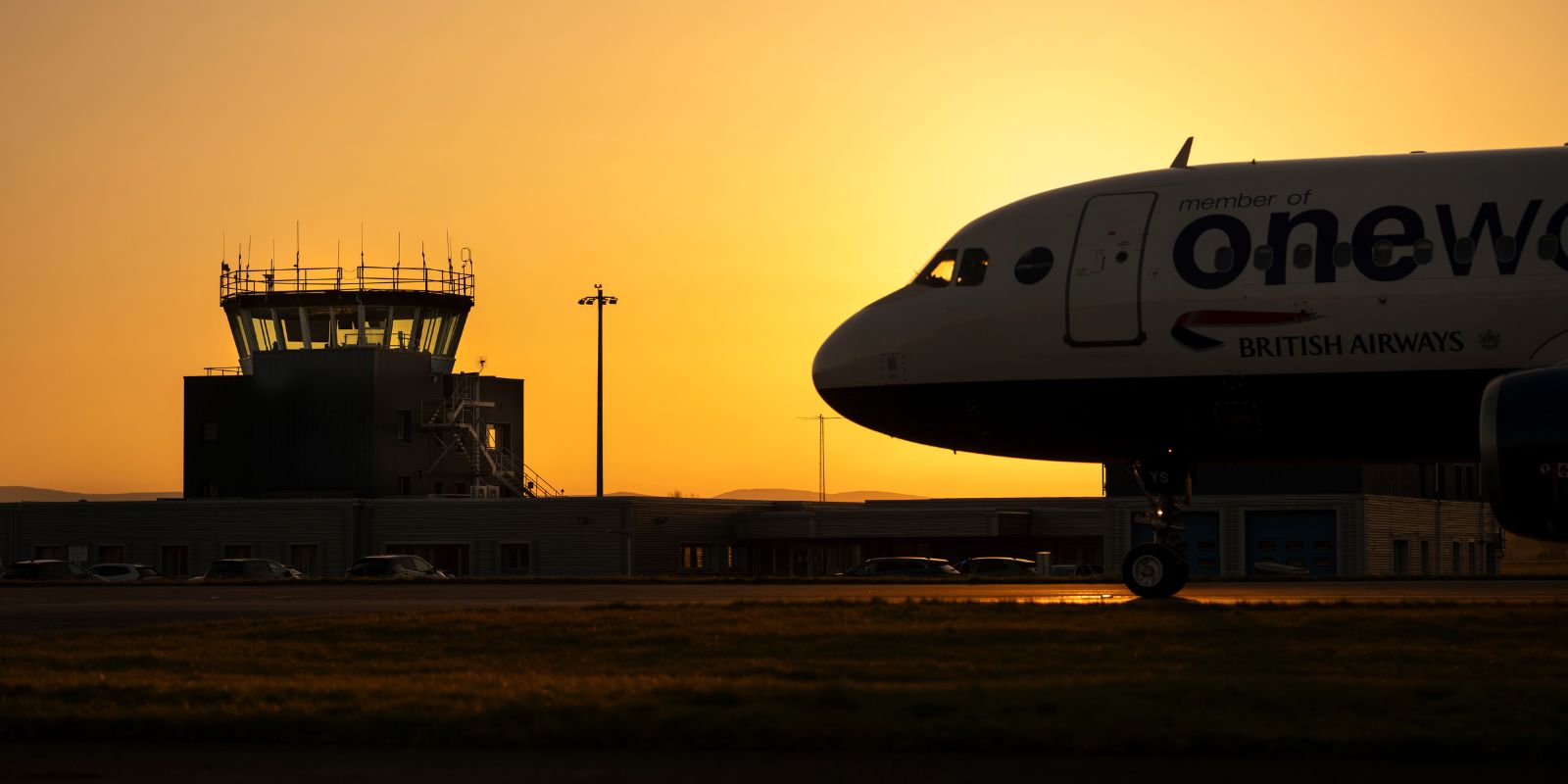
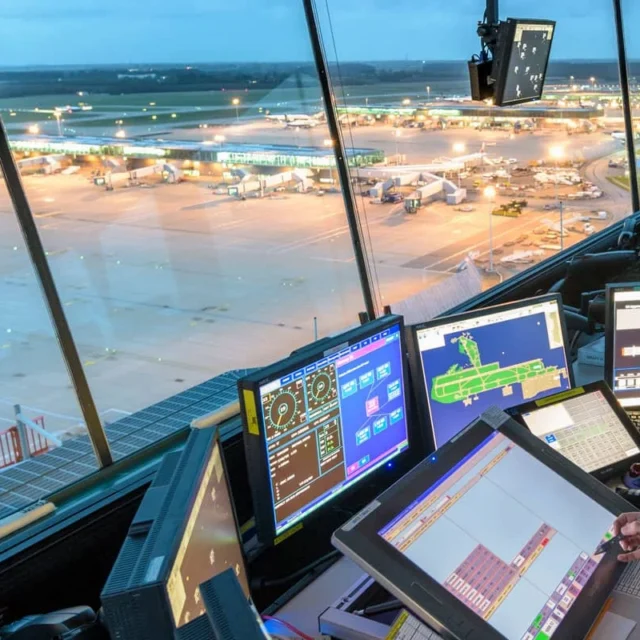
NATS photo of a sunset
Photo: NATS

Hot weather can create a challenging operating environment for commercial aircraft, with high temperatures affecting aircraft performance and potentially forcing carriers to reduce payloads or delay departures.

The fundamental issue is air density. As temperatures rise, air becomes thinner, reducing the lift generated by the wings and the thrust available from the engines. 

Aircraft therefore need more runway to accelerate to take-off speed, while their climb performance can also deteriorate.

Calculating aircraft performance 

The effect is particularly pronounced at airports with short runways or those located at higher elevations, where the air is already less dense. 

The combination of temperature, atmospheric pressure, airport elevation, runway length, aircraft weight and wind speed and direction is collectively assessed by the flight crew before departure to establish the maximum permitted take-off weight.

In extreme weather cases or at particularly performance-limited airfields, that can mean passengers needing to be offloaded. 

If performance calculations show that an aircraft cannot safely depart at its planned weight, an airline may also reduce cargo, or carry less fuel, if, for example, the original plan was to tanker fuel. 

Operators also have the option of delaying the departure until temperatures fall if asking passengers to volunteer for a later flight has not worked. 

For flight crews, extreme heat also means tighter performance margins during take-off and climb. 

So, with periods of extreme heat becoming more frequent, even in traditionally temperate regions of the world, and particularly during peak summer periods, temperature-related performance restrictions are likely to become an increasingly familiar feature of airline operations.

Higher temperatures mean more turbulence

In addition, high temperatures can contribute to more thermal operations as warm air rises rapidly off the land, meaning a take-off can feel turbulent.

Approaches and departures may therefore require greater attention to aircraft energy, climb performance and weather conditions, with resultant risks such as overspeeding of the flaps after a sudden gust. 

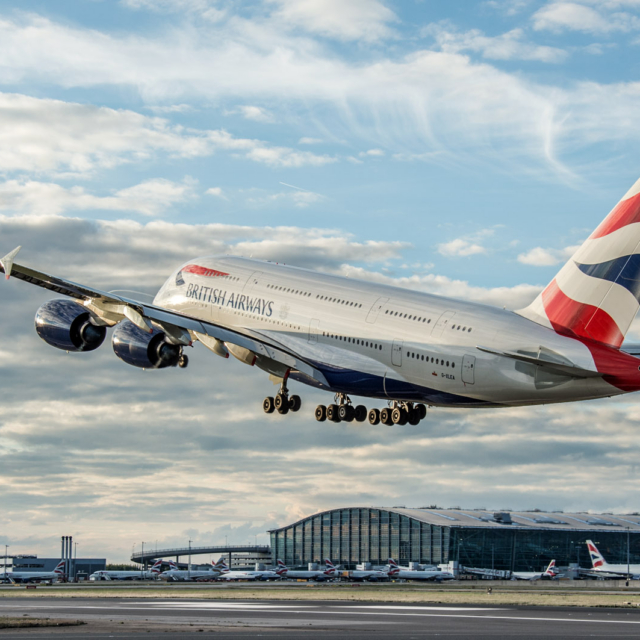
Photo: Shutterstock

While not specific to the departure phase of flight, research from the University of Reading recently found that severe clear-air turbulence has become more frequent on major air routes over the past four decades.

The study links the increase to stronger windshear in the jet streams, driven by climate change. 

Unlike turbulence associated with storms or clouds, clear-air turbulence is invisible to weather radar and can be difficult to forecast. 

Researchers found that windshear at typical cruising altitudes has increased by 15% since 1979, while climate models indicate that turbulence capable of causing injuries could become two to three times more common by 2100.

Managing heat on the ground

The operational effects extend beyond the airborne phase of the flight. Aircraft sitting on hot aprons can place greater demands on their cooling and air-conditioning systems.

Where airports cannot provide cooled air from a ground unit, this means that the aircraft will need to run its auxiliary power unit and PACKs, resulting in higher noise emissions for the airport. 

The challenge extends to the technical limitations of the aircraft, with high temperatures also affecting the operation of the avionics ventilation system. 

What the UK aviation regulator is doing to help

The UK aviation industry is far from immune to these changes, and like other countries has had to consider how infrastructure and operations will need to adapt as climate change alters the environment in which airports and aircraft operate.

The Civil Aviation Authority (CAA) has identified rising temperatures, more severe storms and sea-level rise among the climate-related risks that could affect airport infrastructure, air traffic management and passenger safety.

Adaptation measures can range from physical changes to airport infrastructure to relatively simple operational adjustments, the CAA said. 

Airports may need to strengthen flood defences and improve resilience planning, while additional green space can help mitigate rising temperatures across airport sites. 

The agency said employers may also need to reconsider working conditions and uniforms for staff operating outdoors as temperatures increase.

The CAA is working with the Department for Transport (DfT), AirportsUK and industry through the UK Aviation Climate Adaptation Working Group, which aims to share best practice and improve preparedness across the sector.

Related

GA-ASI, MBDA to integrate SPEAR weapons onto MQ-9B and Gambit 6 drones
This digital rendering shows both GA-ASI's uncrewed MQ-9B and Gambit 6 platforms launching a swarm of MBDA-built SPEAR missiles during a mission. Image: GA-ASI
GA-ASI, MBDA to integrate SPEAR weapons onto MQ-9B and Gambit 6 drones
General Atomics and MBDA have teamed up to integrate the SPEAR missile family onto uncrewed MQ-9B SkyGuardian and Gambit 6 aircraft as part of a new agreement.
Apollo agrees £5.7bn easyJet takeover deal as Castlelake walks away
easyJet Airbus A320neo taking off
Apollo agrees £5.7bn easyJet takeover deal as Castlelake walks away
easyJet’s board has backed Apollo’s £7.15-a-share proposal after Castlelake stepped aside, but shareholder, regulatory and court approvals are still required.
Aerospace Most Read

6 Aug 2026

Women in Aviation sets sights on expansion in UK and beyond
women in manufacturing apprenticeship
Women in Aviation sets sights on expansion in UK and beyond
Lynda Coffman, CEO of Women in Aviation International, shares her mission to create a global network where women can progress their aviation careers.
Aerospace Insights

6 Aug 2026

First MEWSIC electronic warfare system delivered to the MoD as Royal Navy capability advances
An F-35B landing on HMS Prince of Wales, one of the Royal Navy wearships on which MEWSIC is set to be installed. Image: U.K. MoD © Crown copyright 2024
First MEWSIC electronic warfare system delivered to the MoD as Royal Navy capability advances
The first production MEWSIC electronic warfare system has been delivered to the UK MoD, advancing the Royal Navy's next-generation electronic warfare capability.
Defence

7 Aug 2026

RAF Typhoons scrambled 49 times during NATO Air Policing mission in Romania
A Typhoon FGR4 (serial ZK364) from the RAF's No 3(F) Squadron taxis to the runway at the 86th Air Base in Borcea, Romania, before launching for a 'Tango' QRA training scramble on 7 April 2026. Image: MOD Crown Copyright/AS1 Ben Webb
RAF Typhoons scrambled 49 times during NATO Air Policing mission in Romania
After 49 Quick Reaction Alert (QRA) scrambles and 1,500 alert hours, British Typhoons have concluded their latest deployment in support of NATO’s enhanced Air Policing (eAP) mission in Romania.
Defence Most Read

7 Aug 2026

What UK SMEs need to know about the GCAP Tempest fighter programme
BAE Systems Tempest with loyal wingman drones
What UK SMEs need to know about the GCAP Tempest fighter programme
How the GCAP/Tempest programme seeks to harness the innovative power of hundreds of high-tech SMEs and start up companies across Britain.
Defence

7 Aug 2026

MDA Space to provide lunar landing sensors for ESA’s Argonaut mission
MDA Space secures contract for ESA Argonaut mission
MDA Space to provide lunar landing sensors for ESA’s Argonaut mission
Advanced 3D sensors from MDA Space UK are set to help the European Space Agency's Argonaut spacecraft land safely on the Moon.
Member News Space

6 Aug 2026

SSTL racks up smart storage solution
A smart racking solution from Altus has helped Surrey Satellite Technology Limited (SSTL) integrate its materials management processes.
Member News Space

5 Aug 2026

Seraphim Space deploys first capital from £137m C share raise
The investments have been made in businesses involved in key areas that are driving the next phase of growth within the space sector.
Member News Space

4 Aug 2026

Breakthrough UK device to combat global prison drug epidemic
foster+freeman drug detection tool for prisons
Breakthrough UK device to combat global prison drug epidemic
Designed to instantly detect synthetic cannabinoids smuggled into secure facilities, the rapid detection tool - invented in Bath and manufactured in the West Midlands - is set for immediate global export.
Security

7 Aug 2026

New retail crime reporting technology helps Met Police bring shoplifters to justice
New Scotland Yard sign
New retail crime reporting technology helps Met Police bring shoplifters to justice
The Metropolitan Police have introduced new technology to help officers identify, arrest and prosecute more shoplifters.
Security

6 Aug 2026

NATO moves beyond air policing as Black Sea defence mission evolves
UK Royal Air Force Eurofighter Typhoons tax on the runway of Borcea Air Base in Romania. The UK Royal Air Force has concluded its NATO enhanced Air Policing deployment (eAP) safeguarding NATO airspace on the Alliance's south-eastern flank.
NATO moves beyond air policing as Black Sea defence mission evolves
The completion of the RAF’s latest deployment to Romania marks more than another fighter rotation, as NATO integrates traditional air policing into a broader defensive network built to counter missiles, drones and increasingly complex threats.