Heathrow expansion faces renewed opposition from London Mayor and Friends of the Earth


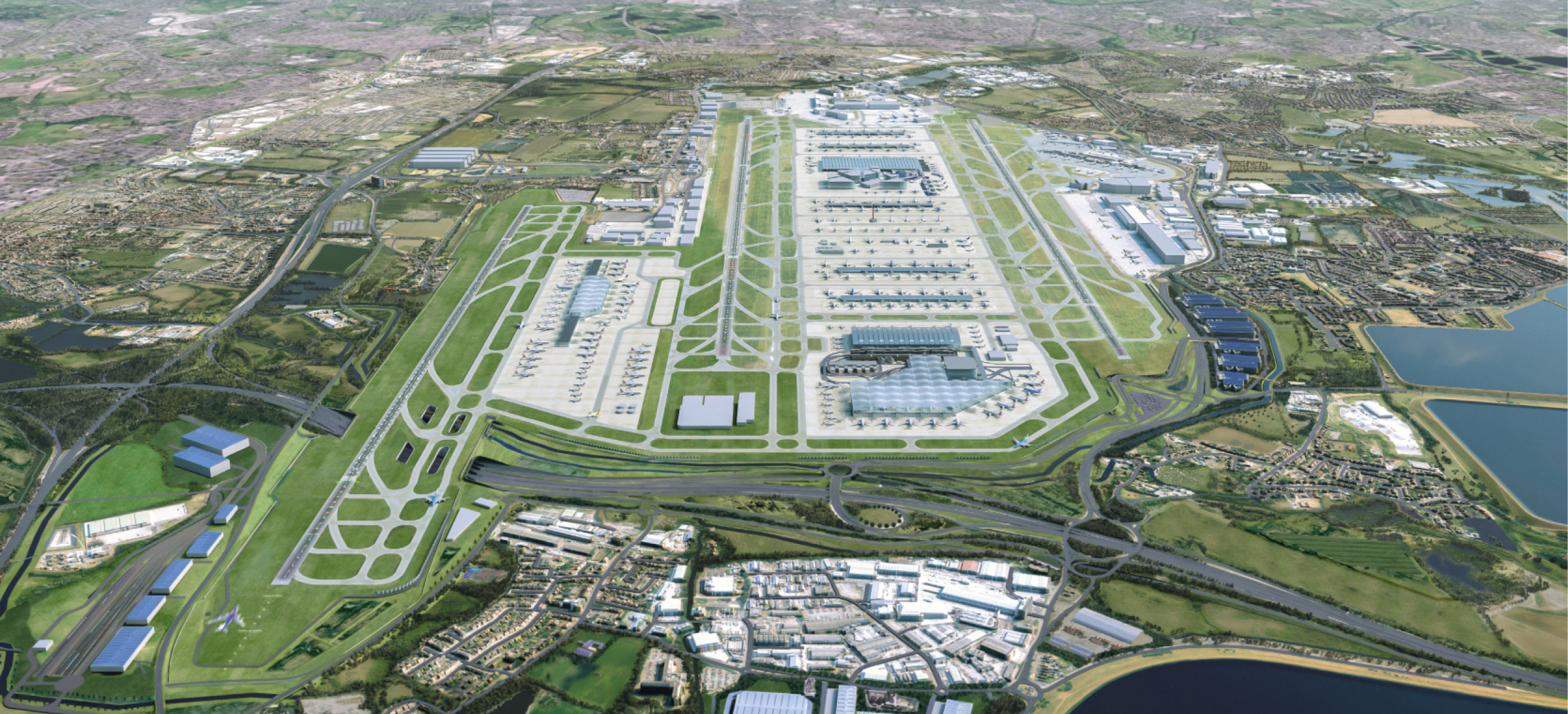
Plans to expand London Heathrow Airport with a third runway are facing continued opposition from London Mayor Sadiq Khan and environmental campaigners, as the Government moves ahead with proposals that it says could deliver significant economic growth.
As reported by the BBC, Khan has maintained his opposition to a third runway, arguing that the case for expansion has not been adequately established and that the environmental and infrastructure consequences for London remain serious. His latest concerns have focused particularly on aircraft noise, night flights and the impact of increased passenger numbers on the capital’s transport network.
The mayor’s opposition to the expansion of Heathrow is not new. In January 2025, Khan said he remained opposed to a new Heathrow runway because of its impact on noise, air pollution and the UK’s ability to meet its climate-change targets. He also said he would scrutinise Heathrow’s proposals closely, particularly their effect on communities around the airport and on London’s transport infrastructure.
His criticism has become sharper as the expansion proposals have developed. The Evening Standard reported in August 2026 that Khan believes the Government has not sufficiently made its case for Heathrow expansion and has relied heavily on evidence dating from 2015.
Environmental impact is still riding high on the opposition agenda
Noise has become a particularly contentious issue. Heathrow’s proposed spending on noise-reduction measures for local homes has reportedly fallen from £241 million to £52 million.
Khan has also warned that the proposed restrictions on night flights could have unintended consequences, potentially allowing airlines to concentrate flights immediately before and after the restricted period. He argues that this could result in a substantial increase in night flights despite the proposed restrictions.
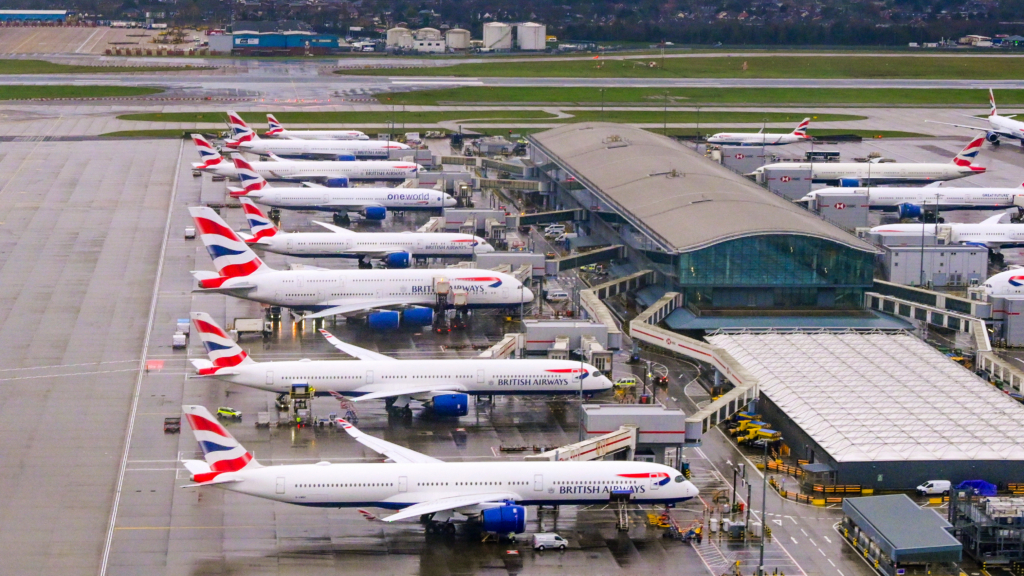
The issue matters beyond the communities immediately surrounding Heathrow. An expanded airport would require additional transport capacity to handle substantially more passengers. Transport for London has therefore argued for improved rail connections linking Heathrow with areas south and west of London, including Surrey and Berkshire, to prevent additional pressure on the existing network.
Friends of the Earth takes an even broader view, arguing that Heathrow expansion is fundamentally incompatible with the UK’s climate commitments.
In July 2026, the environmental organisation published an extensive assessment entitled ‘15 reasons why Heathrow airport expansion is wrong.’ It argues that the Government’s own figures do not justify the project economically or environmentally.
Friends of the Earth estimates that the economic benefit would amount to around £2 billion by 2056 (the equivalent to only 0.05 per cent of GDP) and says this would be outweighed by the project’s social and environmental costs.
The organisation also disputes the argument that Heathrow expansion would spread prosperity throughout Britain. It says at least three-quarters of the projected economic benefit would go to London and the Southeast, while some jobs could simply be displaced from other regions. Friends of the Earth consequently questions whether the £33 billion expansion represents a good use of resources.
Climate change remains a focus point
Climate change is at the heart of the group’s opposition. Friends of the Earth says Government projections indicate that aviation emissions following Heathrow expansion could be 81% higher in 2050 than the level its climate advisers consider compatible with achieving net zero. It also argues that assessments of aviation’s climate impact fail adequately to account for contrails and other non-CO2 effects.
The environmental consequences would not stop at carbon emissions. Friends of the Earth estimates that an additional quarter of a million flights a year could worsen air pollution, while around 900,000 additional people could be exposed to aircraft noise at levels associated with health impacts.
It says more than 750 homes and community facilities could also be demolished to make way for the runway and associated infrastructure.
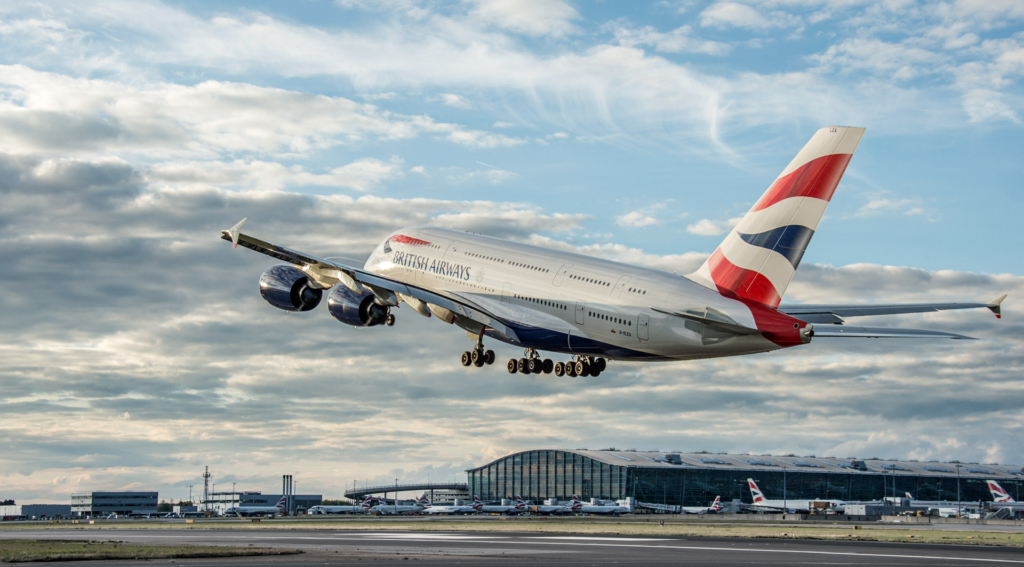
The campaign group has continued to press the Government to reject the runway. In August 2026, as the UK experienced severe heatwaves, drought and wildfires, Friends of the Earth’s head of policy, Mike Childs, explicitly called on Prime Minister Andy Burnham to reject the Heathrow third runway as part of a stronger response to the climate emergency.
The dispute therefore reflects two vastly different assessments of Heathrow’s future. The Government sees additional airport capacity as part of a strategy to stimulate economic growth and strengthen Britain’s international connectivity. Khan accepts the importance of Heathrow to London’s economy but argues that expansion must not come at the expense of public health, climate targets or the quality of life of London’s communities.
Friends of the Earth goes further, arguing that the economic case is too weak to justify the environmental consequences.
With the Government continuing to develop its policy framework for the third runway, the central question is increasingly whether promised economic benefits can be reconciled with Britain’s climate commitments and the concerns of communities living beneath Heathrow’s flight paths.
Sign up for our newsletter and get our latest content in your inbox.
Similar Reads


Sign up for our newsletter. Select all sectors relevant to you.
Related