

More than a shipwreck: How the discovery of HMS Tiger could change UK law


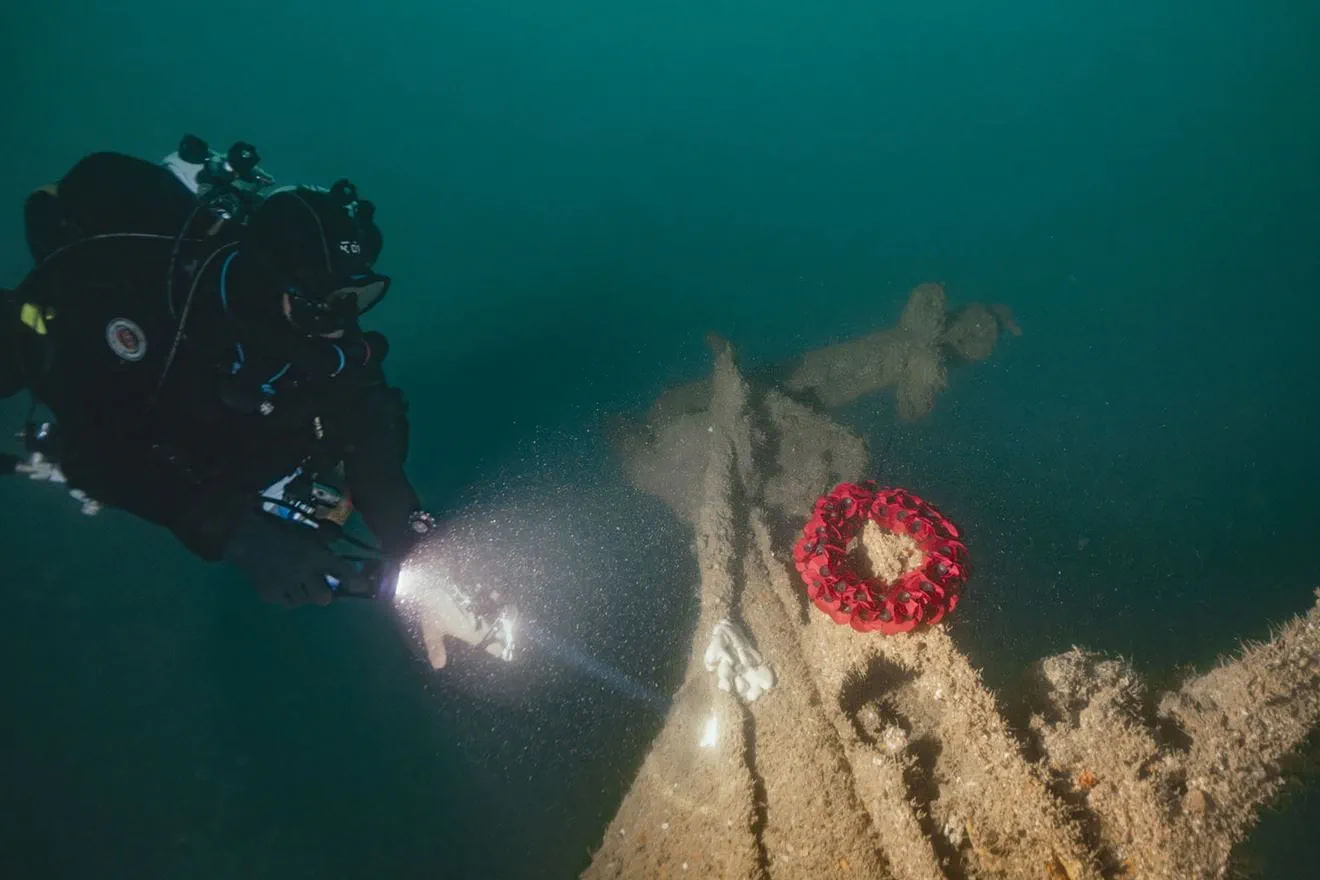
For 118 years, nobody knew exactly where HMS Tiger came to rest after a collision that tore the Royal Navy warship in two. Now the missing destroyer has been found off the Isle of Wight.
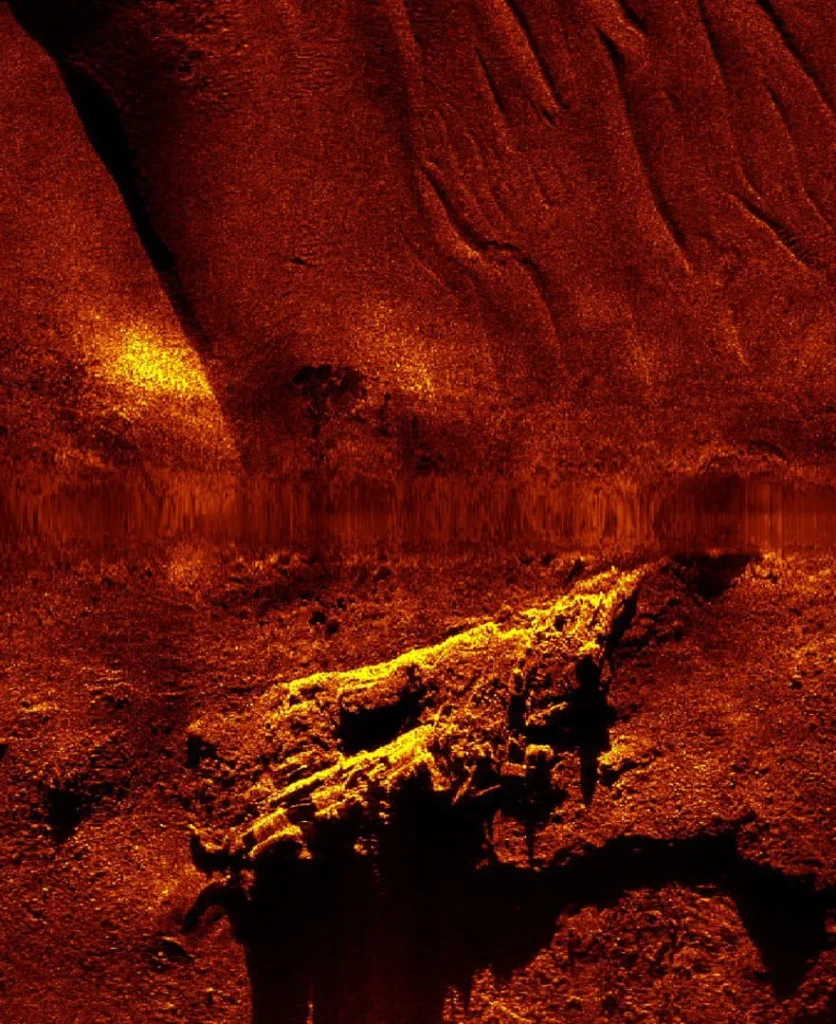
The wreck was located by ProjectXplore, a team of shipwreck historians and divers that spent five years working through archival material to establish where the 1908 disaster took place. The discovery comes as Parliament considers changes to UK law that could give newly discovered military wrecks protection from the moment they are found.
That makes the timing particularly significant for HMS Tiger.
The proposed changes are part of the Armed Forces Bill, which would expand the protection available to military wrecks and create a new route for sites to be designated as protected places.
How HMS Tiger was lost in a catastrophic Royal Navy collision
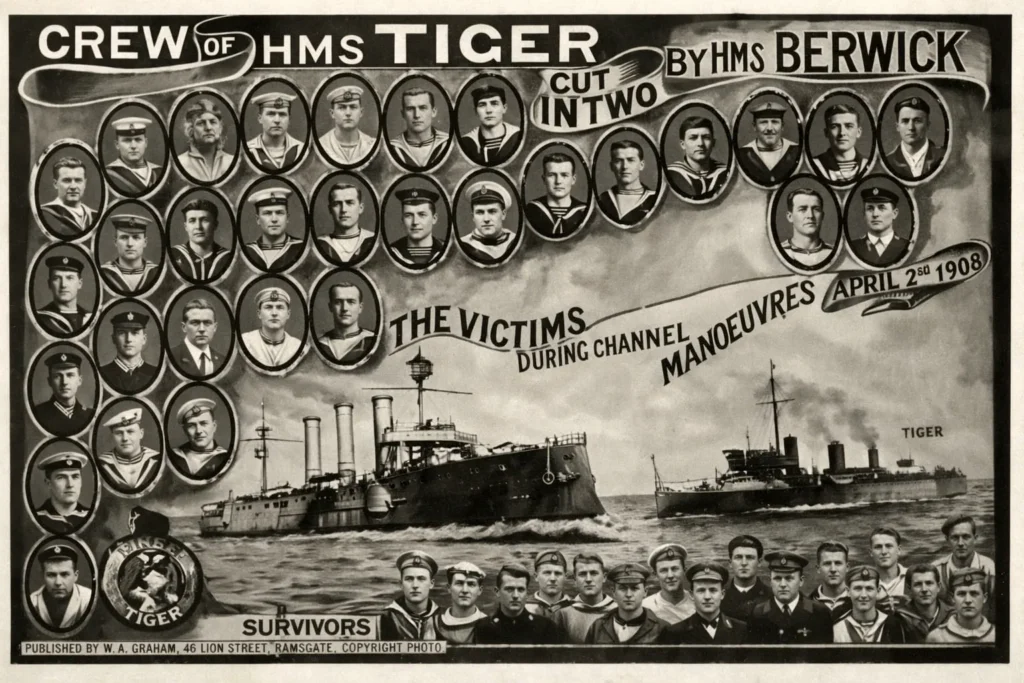
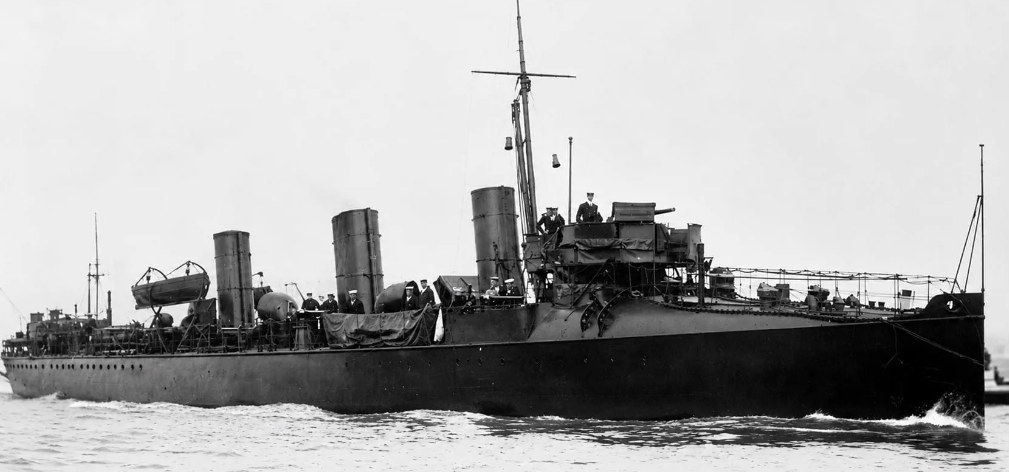
Tiger was a torpedo boat destroyer operating with the Royal Navy during a training exercise in 1908. During night manoeuvres, the ship strayed into the path of the much larger cruiser HMS Berwick.
There was no time for either ship to take evasive action.
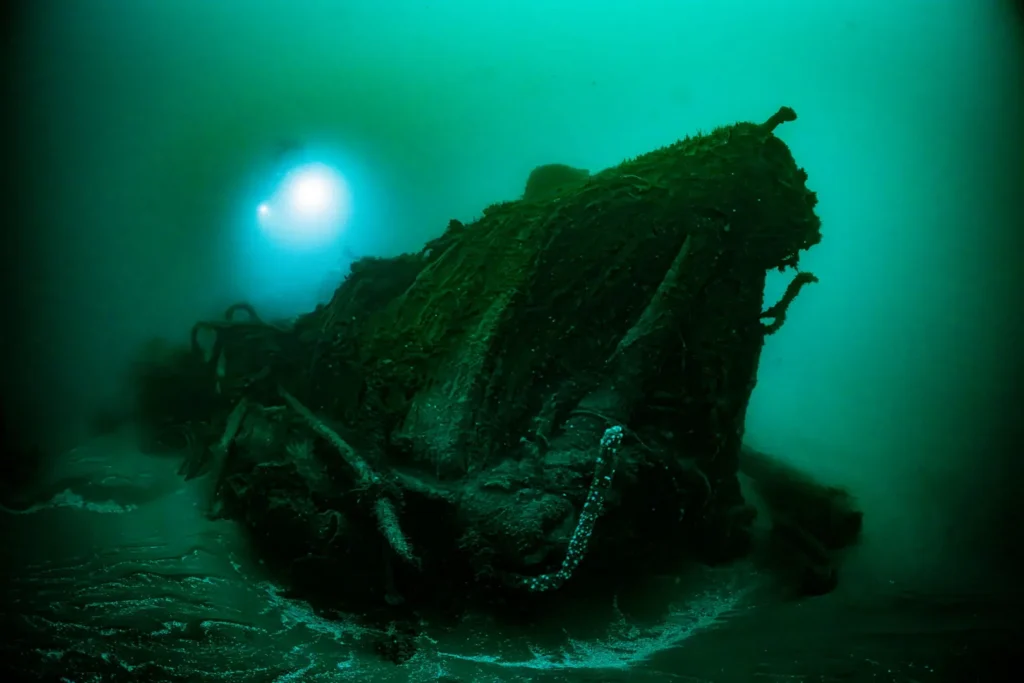
Berwick, weighing about 10,000 tons, struck Tiger in the middle. The destroyer, which weighed about 400 tons, was cut clean in two.
The bow sank almost immediately. The captain and a number of the crew went down with it. The stern remained afloat for about three minutes before disappearing beneath the water.
There were 57 people aboard HMS Tiger. Fewer than half survived.
The loss quickly became national news. The disaster made the front pages, King Edward VII sent a telegram of sympathy and commemorative postcards were produced in memory of the crew.
But the ship itself remained missing. For more than a century, the location of the wreck was unknown.
How divers solved a 118-year HMS Tiger mystery
ProjectXplore did not find Tiger by simply searching the seabed.
Leo Fielding and Dan McMullen, the group’s co-organisers, spent five years piecing together information from historical records before narrowing down the likely location of the wreck.
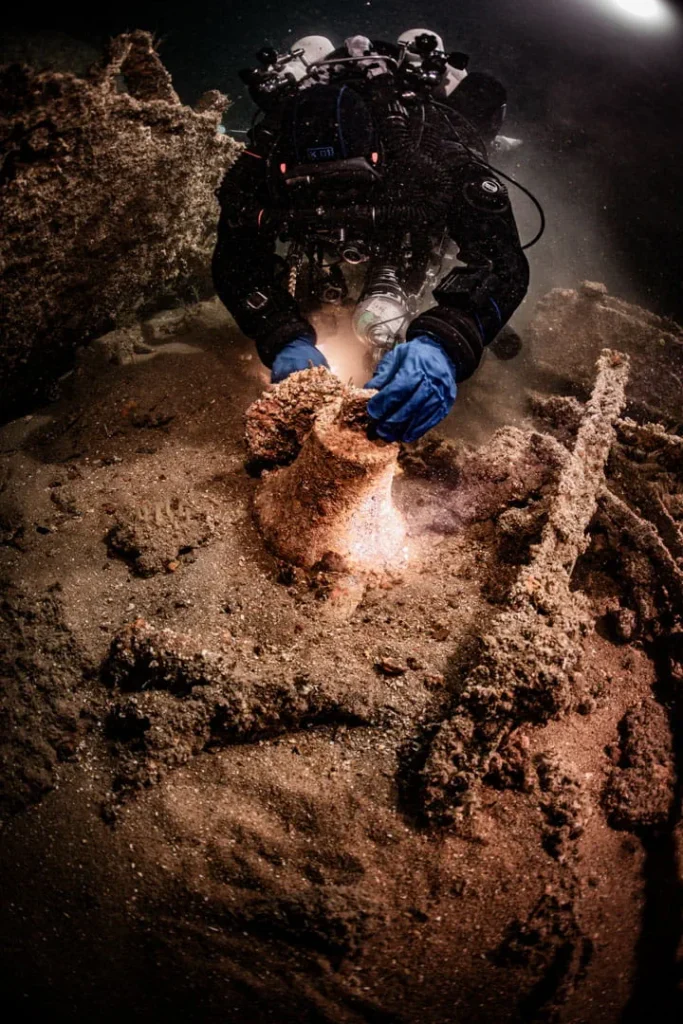
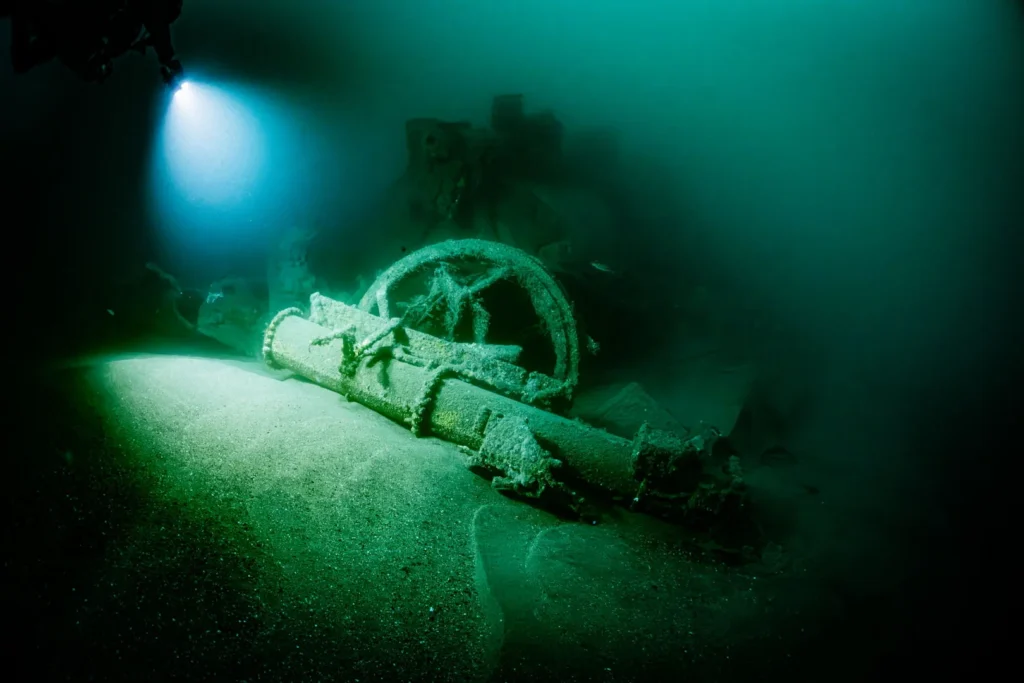
The work eventually led them to the remains of the destroyer.
The pair described the discovery as the culmination of years of research.
“It has been the privilege of a lifetime to research, discover and document the wreck of HMS Tiger.”
They said they hoped the work would ensure that HMS Tiger, its story and the memory of those connected with the ship would endure for future generations.
The team has already made another significant discovery. ProjectXplore also found the wreck of cruiser HMS Nottingham in the North Sea last year.
For Tiger, however, the discovery has an added significance because of what is happening in Parliament.
Why HMS Tiger could help change UK wreck laws
The Government is seeking to strengthen protection for military shipwrecks through the Armed Forces Bill. Under the proposed changes, newly discovered military wrecks could be given a “protected place” designation from the time they are found.
That would change an important part of the existing system.
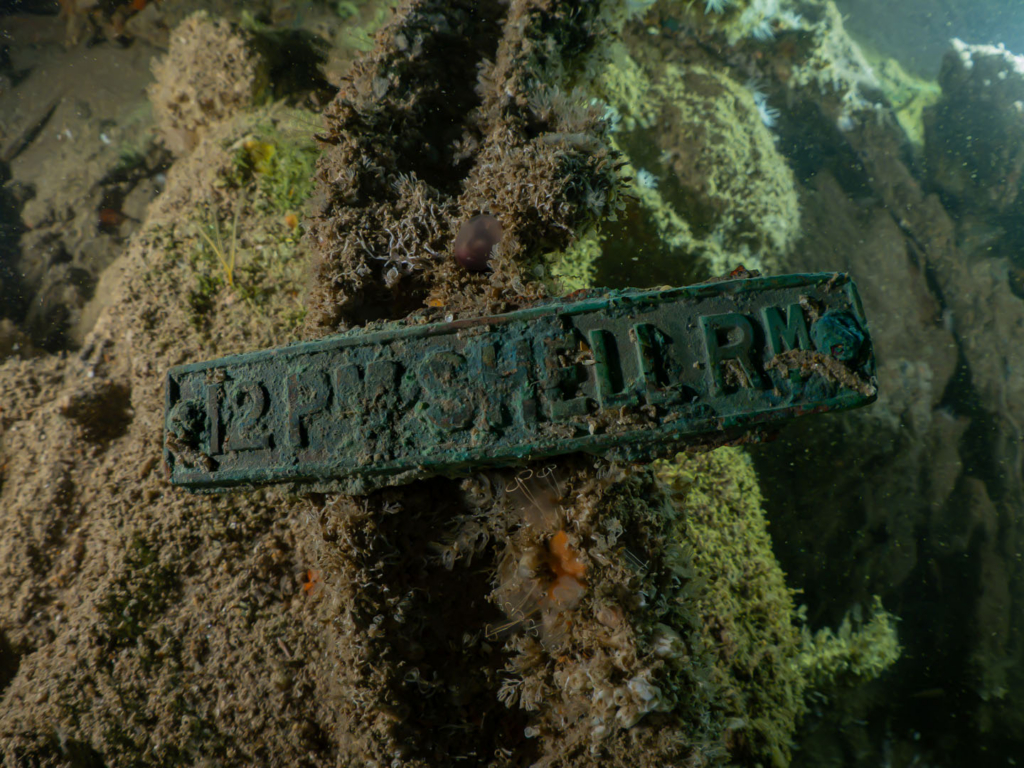
At present, dozens of military shipwrecks are protected under the Protection of Military Remains Act. But the current legislation only allows protection for vessels lost within the previous 200 years.
The proposed changes would extend that protection to much older military wrecks.
That could bring military vessels dating back as far as the Spanish Armada within the scope of the legislation, including ships belonging to former enemies of Britain.
The proposed expansion would also cover certain merchant vessels that were sunk while carrying out military service under Admiralty orders.
For a newly discovered wreck such as HMS Tiger, the proposed system would mean that the site could receive protection at the point when its location becomes known.
What new military wreck protections would mean for divers
Protection would not mean putting HMS Tiger off limits. Under the proposed approach, divers would still be able to visit protected military wrecks. The principle would be “look but don’t touch”.
It would become an offence to disturb a protected military wreck or remove items from the site without permission. That allows divers to see and document wrecks while leaving the ships, objects and remains on the seabed.
Royal Navy Deputy Fleet Wreck Officer Lieutenant Commander Jen Smith said the approach would benefit both maritime heritage and the diving community.
“Divers are still able to visit these sites and witness history first hand, which is key to ensuring that these ships and their crews are not forgotten.”
She added that divers should enjoy the sites, learn from them and pay their respects without disturbing them. The distinction is important. A military wreck can be a place that people want to explore, but it can also be the final resting place of service personnel.
Protecting war graves beneath the sea
The proposed legislation is not only about preserving pieces of naval history. HMS Tiger carries the memory of the people who died when the destroyer was lost.
Minister for the Armed Forces Louise Sandher-Jones said Defence has a responsibility to preserve Britain’s maritime heritage and remember those who died while serving their country.
“These protections go further to ensure that these vulnerable and nationally significant monuments are protected from day one of discovery, giving lost sailors the dignity and respect they deserve.”
That is particularly relevant to Tiger. For 118 years, there was no known wreck site to protect. Now there is.
ProjectXplore has welcomed the proposed amendments to the Armed Forces Bill, saying they would provide a stronger framework for protecting wrecks of historical and archaeological importance.
“We believe they represent a constructive step forward in protecting the United Kingdom’s maritime heritage and ensuring that wreck sites of historical and archaeological significance are appropriately safeguarded.”
What happens next for HMS Tiger
The story of HMS Tiger began with a few minutes of confusion during a night exercise.
A small destroyer moved into the path of a much larger cruiser. There was no time to avoid the collision. The impact split Tiger apart, killed more than half of those aboard and sent the ship to the seabed.
Then the wreck disappeared from view for 118 years.
ProjectXplore’s discovery brings the physical remains of HMS Tiger back into the story. The proposed changes to the Armed Forces Bill could determine what happens to those remains now that they have been found.
For the divers who spent five years searching the archives, the discovery closes a long-running mystery.
For the Royal Navy, it brings another lost ship and its crew back into public memory.
And for HMS Tiger itself, after more than a century hidden beneath the sea, its next chapter may be one of preservation rather than disappearance.
Sign up for our newsletter and get our latest content in your inbox.
Similar Reads



Sign up for our newsletter. Select all sectors relevant to you.
Related