HMS Venturer delivery slips to 2028 as Royal Navy faces frigate shortage

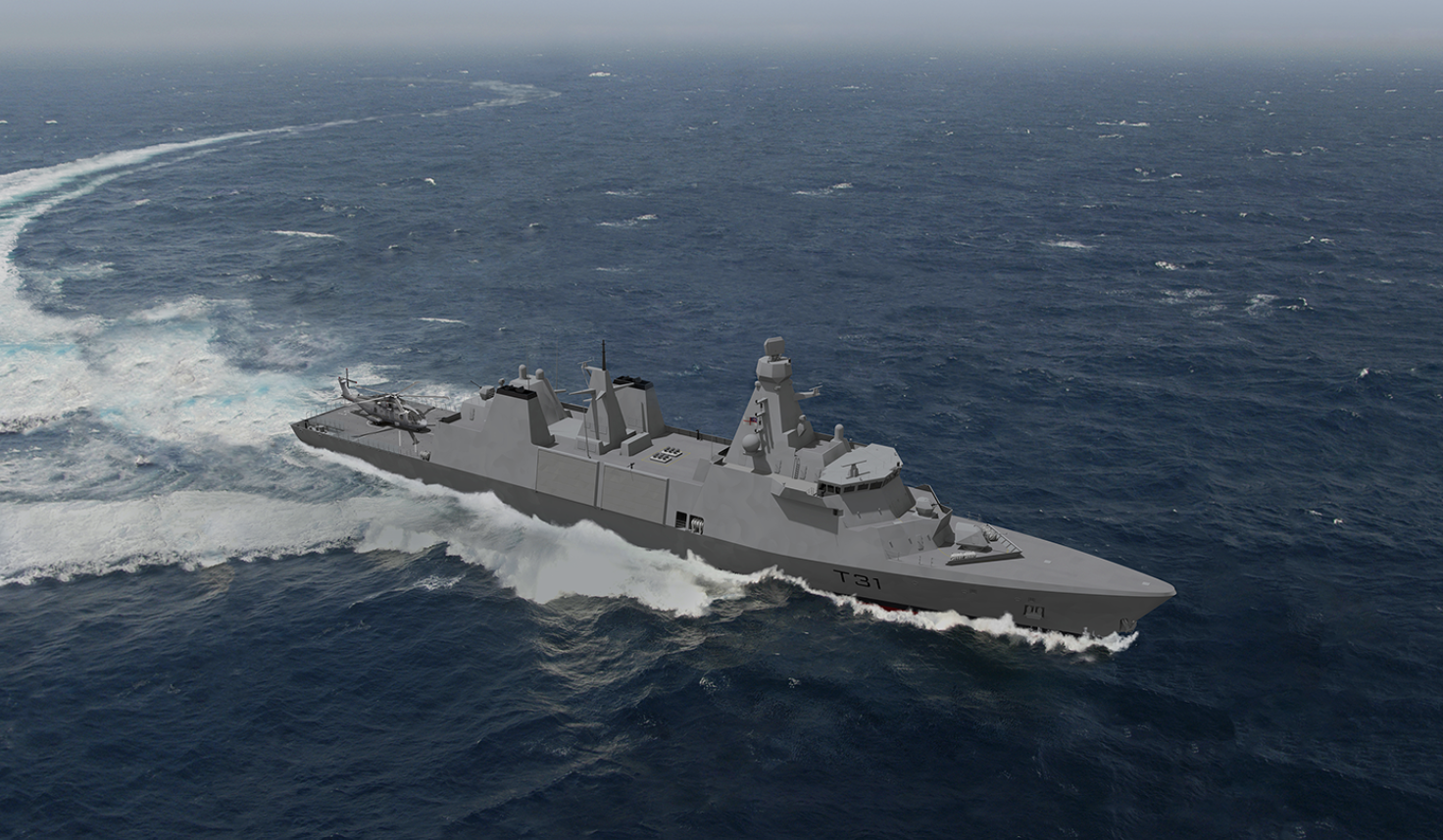
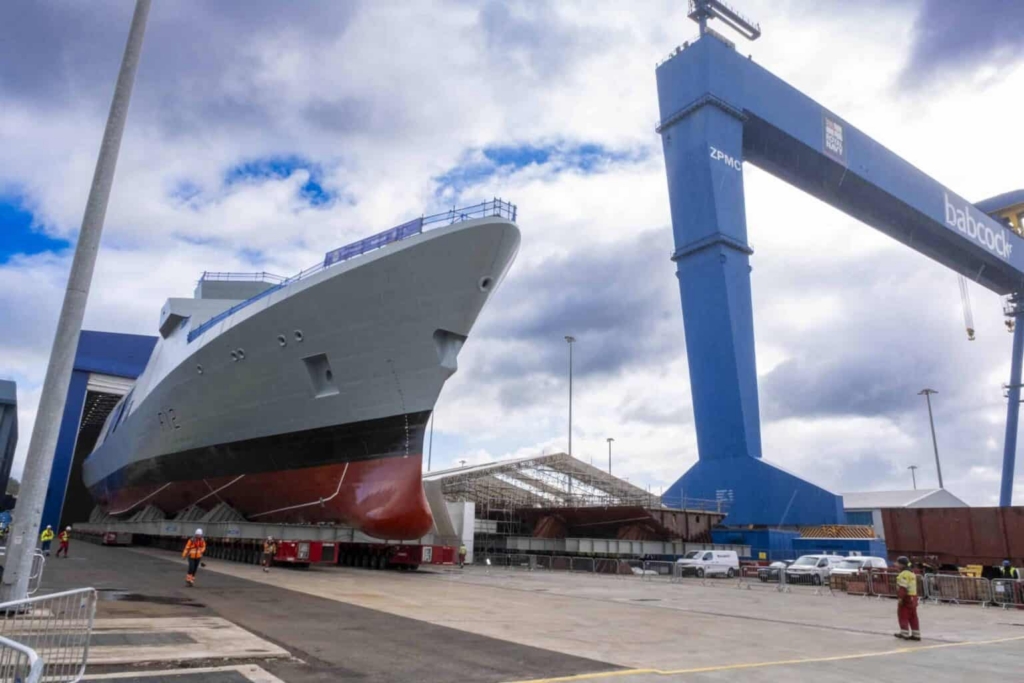
Babcock has confirmed that the Royal Navy’s first Type 31 frigate, HMS Venturer, is now expected to be delivered in 2028, around two years later than originally anticipated. The admission highlights mounting challenges for Britain’s warship-building industry, prompting renewed consideration of whether production can be accelerated to address the Navy’s growing shortage of operational frigates.
According to Navy Lookout, Babcock’s marine chief executive, Sir Nick Hine, has acknowledged delays across the five-ship programme, citing inflation, rising labour and energy costs, supply-chain pressures and disruption caused by the COVID-19 pandemic and war in Ukraine. Construction difficulties affecting the first two vessels have added to the pressure, with Babcock absorbing significant additional costs under its fixed-price contract.
The company is attempting to limit the impact on subsequent ships, but the revised timetable raises questions about the government’s ability to deliver new warships quickly enough to maintain the Royal Navy’s operational capabilities.
Could Rosyth accelerate Type 31 frigate construction?
The Royal Navy is considering options to increase the pace of Type 31 construction at Babcock’s Rosyth shipyard in Scotland. Potential measures include recruiting additional workers and introducing longer or additional shifts, including weekend working, to increase output.
Such changes would require further investment and sufficient skilled labour but could help recover some lost time. The urgency reflects growing concern about the availability of the Navy’s ageing Type 23 frigates, which the Type 31 programme is intended to help replace.
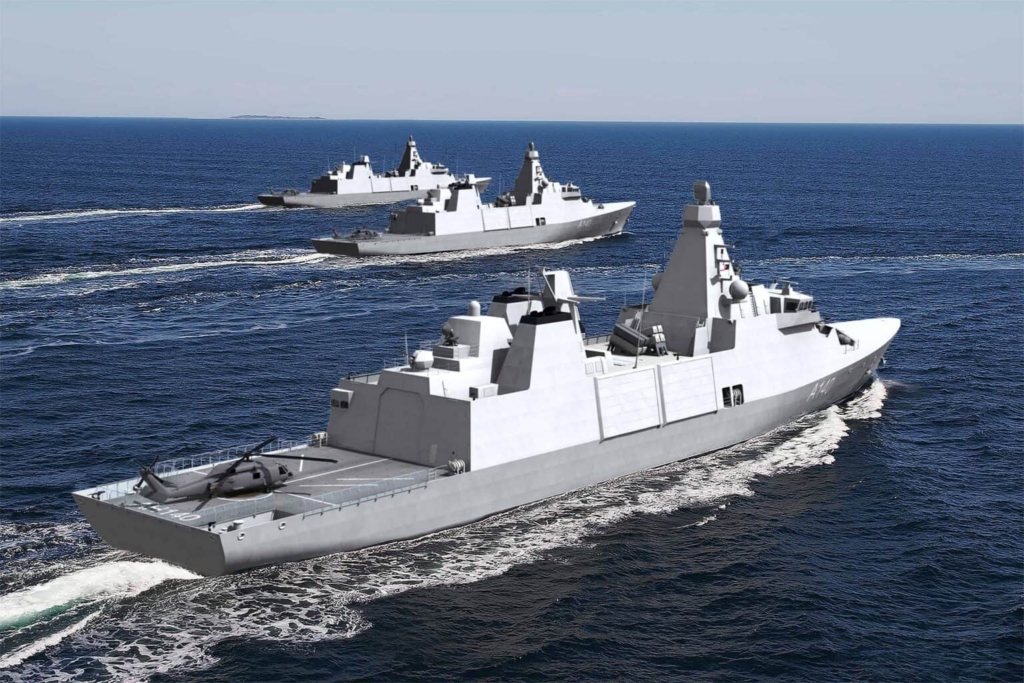
The delays are particularly concerning because the Type 31 vessels are designed to provide general-purpose capabilities, including maritime security patrols, escort duties and anti-piracy operations. Their introduction is intended to ease pressure on a fleet facing increasingly demanding commitments.
However, accelerating construction will not necessarily translate directly into earlier operational availability.
Why HMS Venturer’s delivery date is not its service-entry date
Although HMS Venturer is expected to be handed over in 2028, the ship must still complete acceptance procedures, certification, trials and preparation for operational deployment. Any shortage of suitably qualified personnel within the Ministry of Defence and Royal Navy could further complicate the process.
Navy Lookout has highlighted concerns that limited technical-assurance expertise and demanding certification procedures could delay the introduction of completed ships into service. Ensuring sufficient personnel are available to inspect, approve and commission the vessels will therefore be as important as increasing production at Rosyth.
The programme has also faced substantial financial difficulties. In May 2026, Babcock announced an expected £140 million charge associated with higher-than-anticipated rework costs, taking its cumulative losses on the Type 31 contract beyond £300 million, according to Reuters.
Type 31 delays put UK shipbuilding capacity in focus
The Type 31 programme is important not only for naval capability but also for the future of British shipbuilding. Construction at Rosyth supports thousands of skilled jobs, apprenticeships and businesses across the domestic supply chain.
Delays and cost overruns risk undermining confidence in the programme, while uncertainty over future workloads could threaten the retention of skilled workers and specialist expertise. Conversely, successfully accelerating production could strengthen industrial capacity and demonstrate that Britain can deliver complex warships more efficiently.
The challenge is to increase output without compromising quality, safety or financial sustainability. For the Royal Navy, the priority is clear: getting new frigates into service sooner. Whether additional shipyard shifts and recruitment can deliver that outcome will depend on funding, workforce availability and the Ministry of Defence’s ability to bring completed ships into operational service without unnecessary delays.
Sign up for our newsletter and get our latest content in your inbox.
Similar Reads




Sign up for our newsletter. Select all sectors relevant to you.
Related