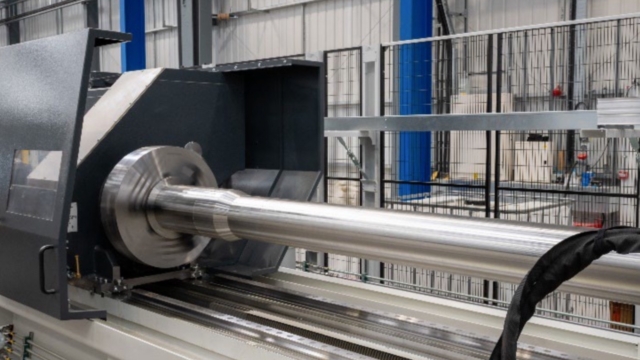


How to win the technical talent battle


Image courtesy LAVA Advisory Partners
Attracting, securing and retaining top-quality engineering talent is a massive challenge across industries. Whether you build stealth aircraft, software or satellites, the tech talent landscape is rapidly evolving and highly competitive and the talent problem cannot be solved by a shiny office with a ping-pong table and a bring-your-dog-to-work day.
Instead, engineering-led companies in the defence and aerospace sector need to turn their attention to the fundamentals: reviewing their ways of working to set themselves up for success in securing sought-after talent.
A changing field environment
Historically, combat equipment could have a lengthy obsolescence cycle with longevity and sturdiness far outweighing adaptability.
The modern theatre, by contrast, is characterised by the need for constant innovation. We have seen in Ukraine that as soon as new technologies are deployed, counter-threats are developed quickly to mitigate those technologies and none more so than in the UAS market. This means traditional, waterfall development methods – requiring each phase to be completed, documented and signed off before moving on to the next phase – can no longer keep pace.
Not only does this traditional approach mean any delays have a direct impact on the release schedule, but it also means risks and errors can go undiscovered right up until implementation, rendering a project far more costly and complex than if they’d been spotted and addressed at an earlier stage.
To combat this, forward-thinking players are leveraging a spiral development model. Unlike waterfall, the planning, risk analysis, engineering and evaluation phases in a spiral process repeat and expand, continuously improving on previous iterations and making it far easier and more efficient to adapt to the evolving environment.
Younger engineers are not only more likely to be familiar with this approach, or the similar but less risk-focused Agile Manifesto but the doctrine of continuous improvement also presents them with a more varied professional experience characterised by ongoing learning and development.
Emerging generations of engineering talent are less likely to need, or want, to specialise to the nth degree when they can instead stay right at the cutting edge of technological advancement without even changing roles.
Strategic acquisition
Any company keen to embrace this pace of change could of course undertake a business transformation and pivot their entire approach but this would likely require a bevy of complex and costly consultants and strategists and a significant timeline between ideation and implementation. This is why many of the major players are turning to M&A to overhaul their operations.
By focusing on their purchasing strategy, an acquisitive company can target companies with the specific products or IP they are looking for, with the significant upside of getting both the talent who created it and the ways of working that made it possible. This can derisk the broader transformation by bringing in directly applicable expertise and providing a ready-made case study of the transition approach.
M&A can be a complex process but some key things can be done to prepare for potential transactions. On either side of the table, it is important to have a clear idea of the culture and make-up of the business, and how that helps it succeed.
If talent acquisition and retention are key drivers of a deal, it is vital to ensure any potential partner is aligned with the company’s culture and values and will provide a stable and successful home for the talent that is driving the deal.
For business owners, the key focus will be empowering the team to do their best work, simultaneously maximising a potential valuation and presenting the company in an attractive light.
- Prepare the processes: For business owners, strategic investments in talent management technologies, process optimisations and succession planning can future proof the workforce while also reducing running costs, thereby improving future valuation.
- Dig into data: Ensuring financial data, employee information, business plans and key people processes are well thought out and clearly documented will enable seamless growth and aid the due diligence phase of any future sale.
On the other side of the deal, it is equally important for acquisitive companies to have a clear picture of what they need and how to make it work.
- Mind the gaps: Taking a strategic approach to M&A means being able to clearly identify, articulate and prioritise the gaps in capability, headcount or process that the acquisition is intended to fill. This will streamline the market review stage to identify the top targets that tick the right boxes.
- Plan for post: To get the most from a talent-led acquisition, the buyer needs a solid plan for how to make it work after the ink is dry. From seamlessly onboarding the new team(s), to integrating them into the company, and bringing the existing employees along for the ride, having a clear view of the future is key to gaining and retaining the trust of the talent and maximising the return on investment.
In short, while the defence and aerospace industries are in no danger of stagnation, the industry is certainly at an inflection point.
Companies who fail to adapt to the ever-changing requirements of the modern battlefield are at risk of being left behind and without the very latest people, processes and products, it will only get harder to catch up.
Sign up for our newsletter and get our latest content in your inbox.
Similar Reads




Sign up for our newsletter. Select all sectors relevant to you.
Related