Poseidon, Rivet Joint, and Wedgetail: The RAF’s surveillance aircraft fleet explained
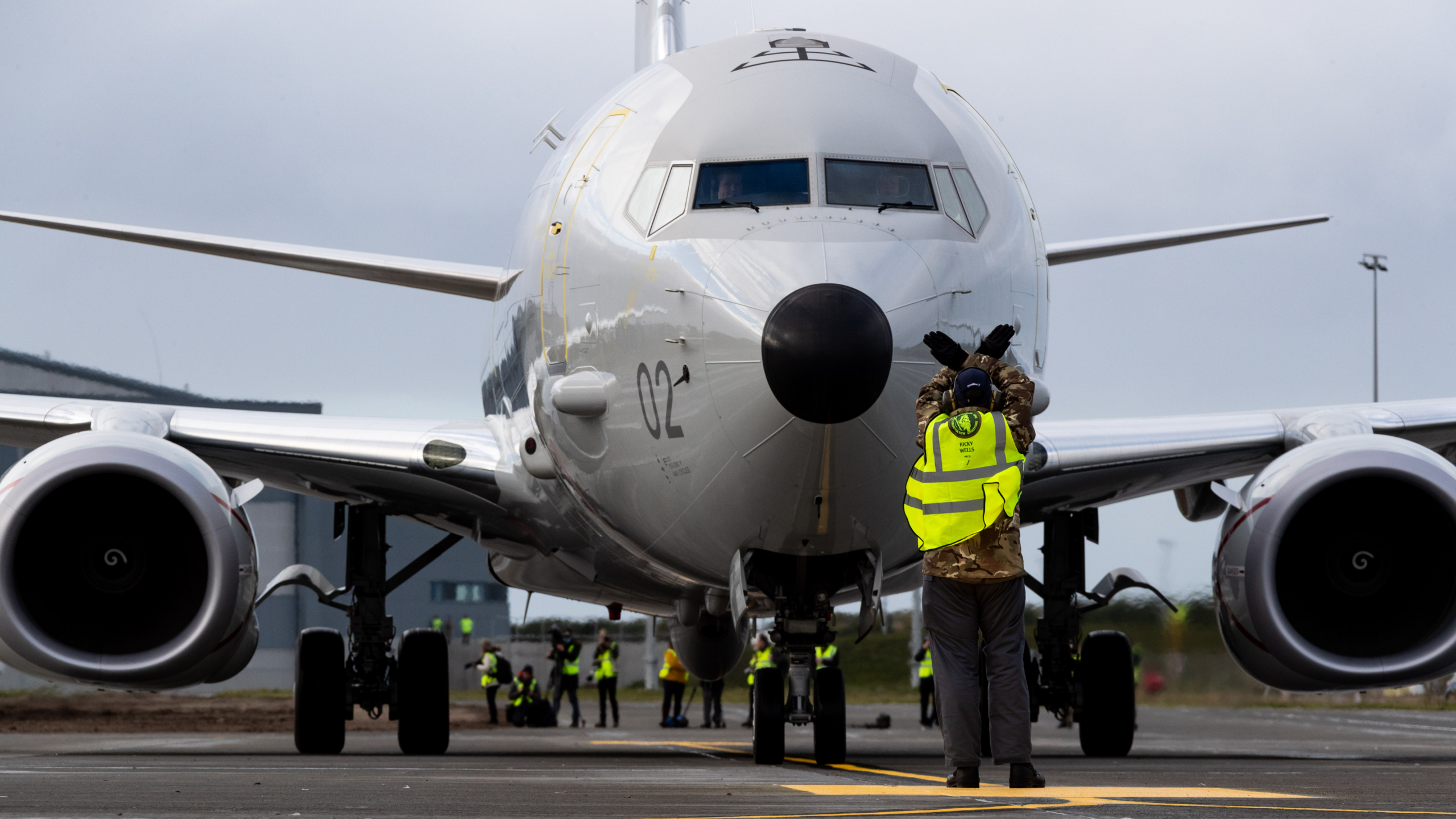
The Royal Air Force (RAF) operates a specialised fleet of surveillance aircraft designed to detect potential threats, gather intelligence and coordinate military operations. Three important platforms are the Boeing P-8A Poseidon, Boeing RC-135W Rivet Joint and Boeing E-7A Wedgetail.
Although they all contribute to the UK’s intelligence, surveillance, target acquisition and reconnaissance (ISTAR) capabilities, each aircraft has a distinct role, ranging from hunting submarines to monitoring electronic signals and directing fighter aircraft.
According to FlightGlobal’s 2025 World Air Forces Directory, the RAF has nine Poseidons, three Rivet Joints and three Wedgetails listed in its active inventory.
Boeing P-8A Poseidon: Maritime patrol and anti-submarine warfare (9 aircraft)
The Boeing P-8A Poseidon is the RAF’s maritime patrol aircraft (MPA), responsible for monitoring the UK’s surrounding waters and identifying potential threats at sea.
Based at RAF Lossiemouth in Scotland, the nine aircraft are operated by No. 120 and No. 201 Squadrons. The first arrived in February 2020, restoring the UK’s long-range maritime patrol capability following the retirement of the Nimrod MR2 a decade earlier.
Based on the Boeing 737-800 airliner, the Poseidon is equipped with sophisticated sensors, including the APY-10 maritime surveillance radar, electro-optical and infrared systems, and acoustic equipment.
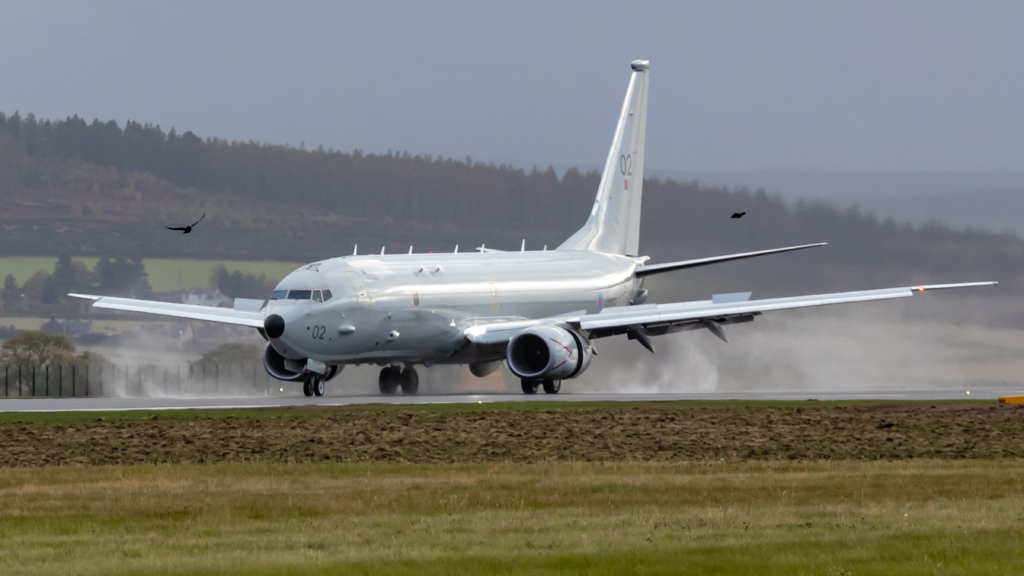
Its principal role is anti-submarine warfare (ASW). The aircraft can deploy sonobuoys to detect and track submarines underwater, providing valuable intelligence to the Royal Navy and allied forces. It can also carry Mk 54 torpedoes to engage hostile submarines.
Other responsibilities include monitoring surface vessels, protecting important maritime infrastructure, supporting search-and-rescue operations and contributing to the protection of the UK’s nuclear deterrent.
The Poseidon’s ability to operate alongside allied maritime patrol aircraft also makes it an important component of NATO’s efforts to monitor submarine activity, particularly in the strategically important North Atlantic.
Boeing RC-135W Rivet Joint: Electronic intelligence gathering (3 aircraft)
The Boeing RC-135W Rivet Joint performs a very different surveillance role, specialising in signals intelligence (SIGINT).
Known in British service as Airseeker, the RAF’s three aircraft are operated by No. 51 Squadron from RAF Waddington in Lincolnshire. They entered operational service in 2014, replacing the Nimrod R1 signals intelligence aircraft.
Based on the Boeing C-135 airframe, the Rivet Joint is equipped with specialised sensors and systems that intercept, identify and analyse electronic emissions.
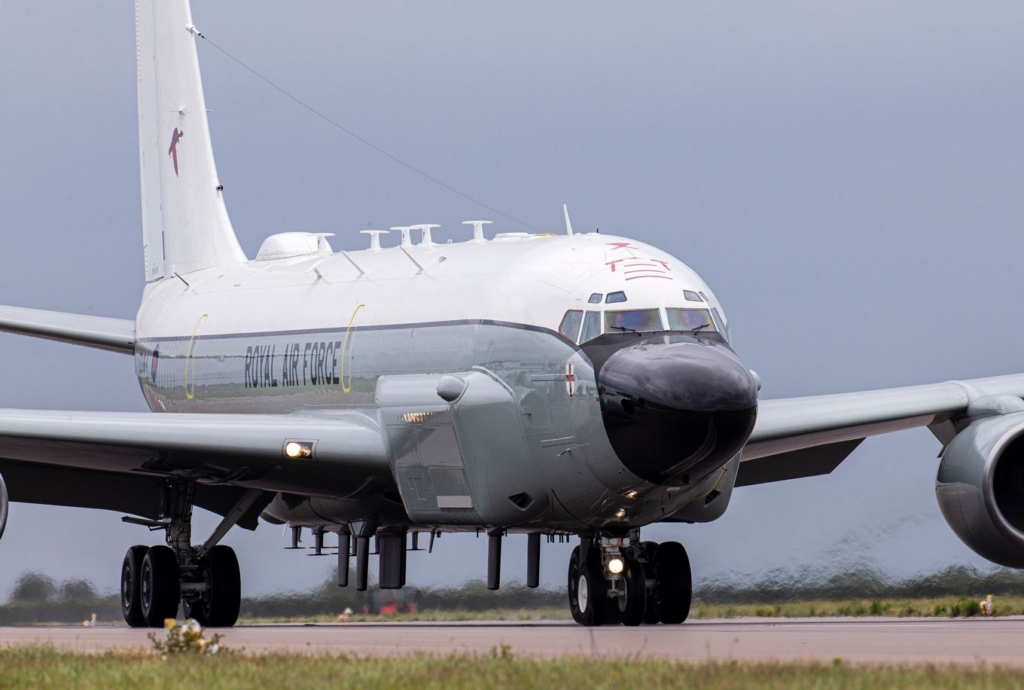
These include radar transmissions and communications signals, which can provide information about the activities, capabilities and intentions of potential adversaries.
This intelligence is valuable to military commanders, helping them understand the electronic environment in which operations are taking place and identify potential threats.
Unlike the Poseidon, which concentrates on detecting physical activity in the maritime environment, the Rivet Joint listens to electronic signals to build an intelligence picture.
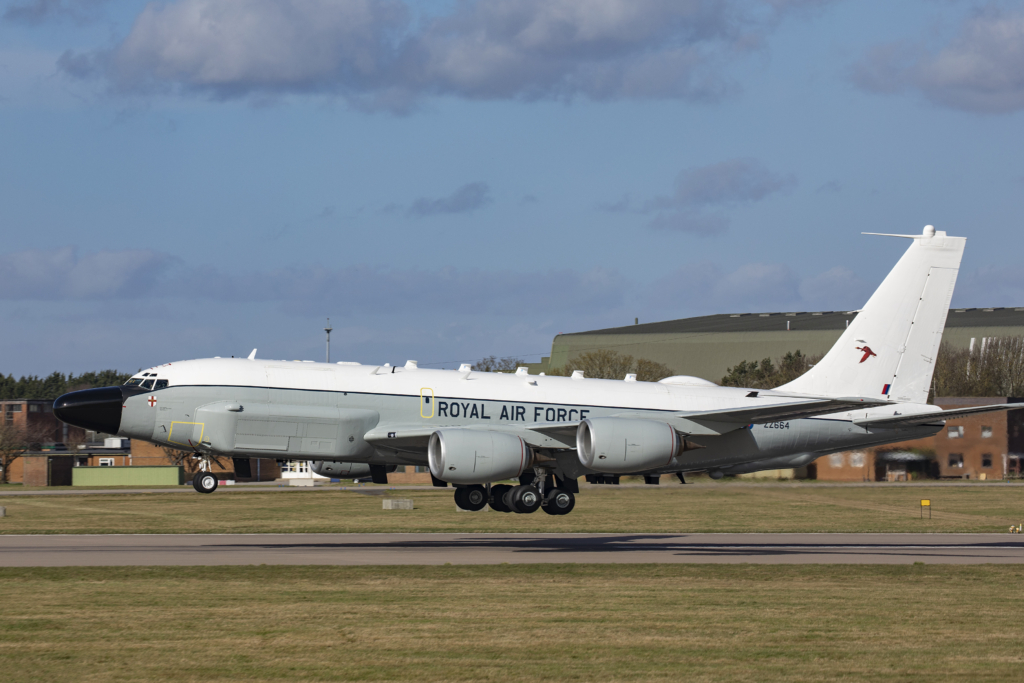
Its information can support both strategic planning and tactical military operations, while cooperation with NATO and other allied forces allows intelligence to be shared across international operations.
Boeing E-7A Wedgetail: Airborne early warning and control (3 aircraft)
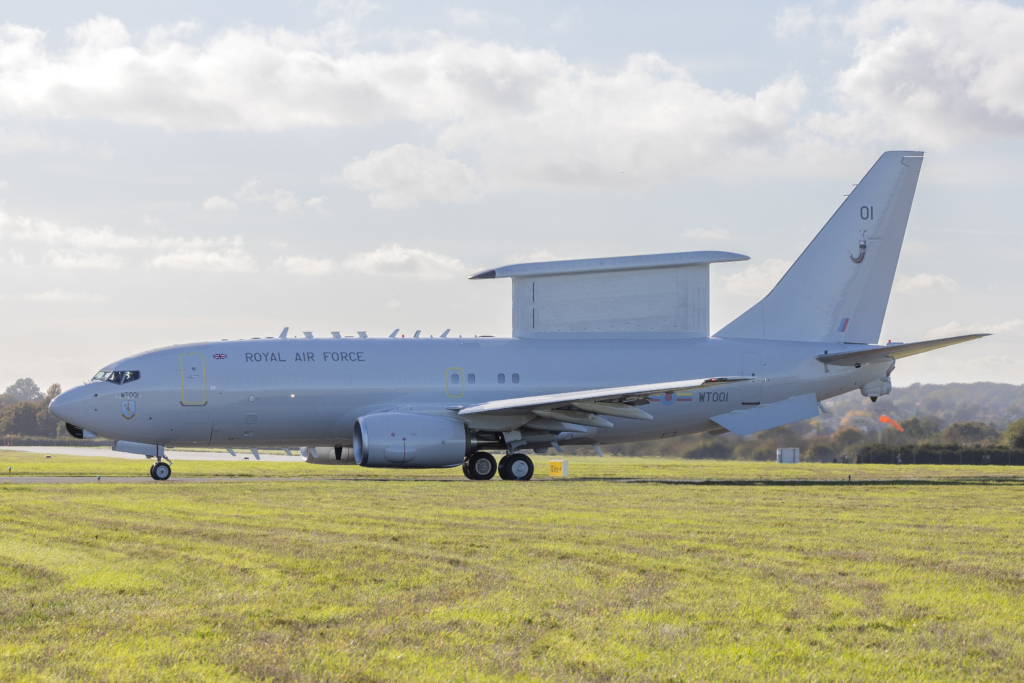
The Boeing E-7A Wedgetail is the RAF’s next-generation airborne early warning and control (AEW&C) aircraft. Its primary purpose is to detect airborne and maritime threats over long distances and coordinate friendly military aircraft.
The RAF’s three-aircraft fleet is intended to be operated by No. 8 Squadron at RAF Lossiemouth. The first aircraft arrived at the Scottish base on 21 May 2026, although it was still undergoing testing and evaluation ahead of formal entry into RAF service.

Based on the Boeing 737 Next Generation airliner, the Wedgetail is distinguished by its large radar array mounted above the fuselage.
Its Northrop Grumman Multi-role Electronically Scanned Array (MESA) radar provides 360-degree surveillance, allowing the aircraft to detect and track multiple targets over a substantial area.
However, the Wedgetail does considerably more than identify potential threats. Its mission crew can coordinate fighter aircraft, manage air operations and provide commanders with an overview of the developing battlespace.
For example, during an air-defence mission, the aircraft can detect approaching hostile aircraft, establish their positions and relay information to friendly fighters to help coordinate an interception.
; Ministry of Defence
The Wedgetail is intended to replace the RAF’s retired Boeing E-3D Sentry fleet, restoring an important airborne early warning and command-and-control capability. It will also strengthen the UK’s contribution to NATO air operations.
Three aircraft, three different roles
Although all three aircraft contribute to the RAF’s wider ISTAR capability, they perform complementary rather than interchangeable tasks.
The Poseidon concentrates on maritime surveillance and submarine detection, the Rivet Joint gathers electronic intelligence, while the Wedgetail provides airborne early warning and coordinates friendly forces.
Together, the three platforms give the RAF important capabilities across the maritime, electronic and airborne surveillance environments, helping the UK monitor potential threats, support NATO operations and provide military commanders with the intelligence needed to make informed decisions on the UK’s security.
Sign up for our newsletter and get our latest content in your inbox.
Similar Reads



Sign up for our newsletter. Select all sectors relevant to you.
Related