Royal Engineers trial new construction methods for conflict and disaster zones

Soldiers from the Corps of Royal Engineers have completed a three-week research programme investigating how concrete can be used more effectively to rebuild infrastructure in conflict zones, disaster areas and other environments with limited resources.
The research, delivered through MKC Training and the Holdfast partnership, examined a range of construction challenges commonly encountered during military and humanitarian operations, including sub-zero temperatures, limited availability of aggregates, water scarcity and the need for rapid deployment.
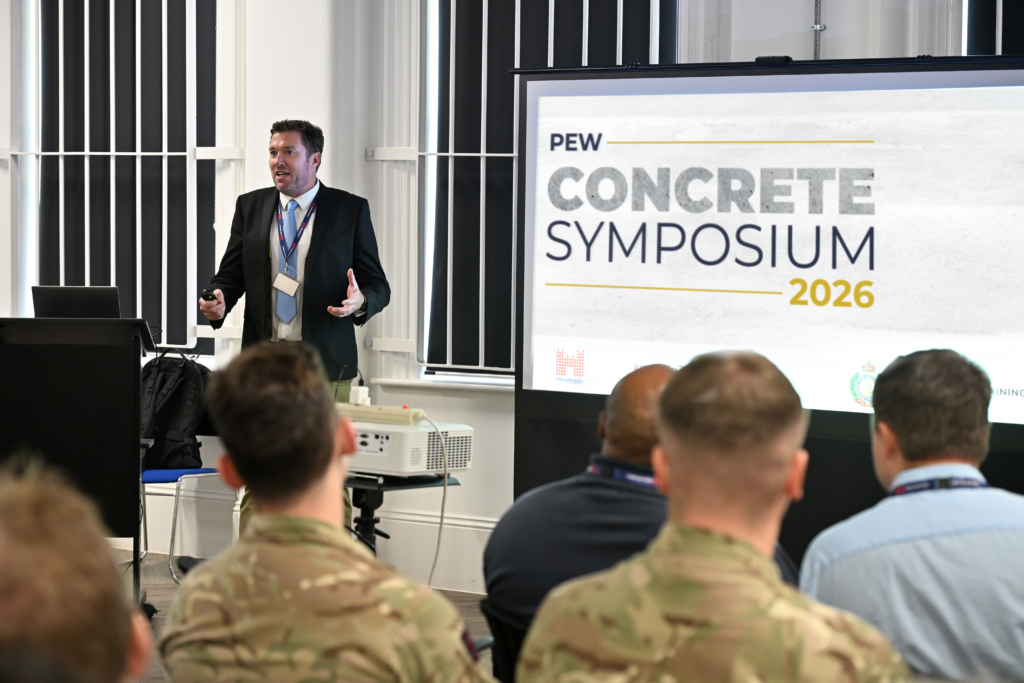
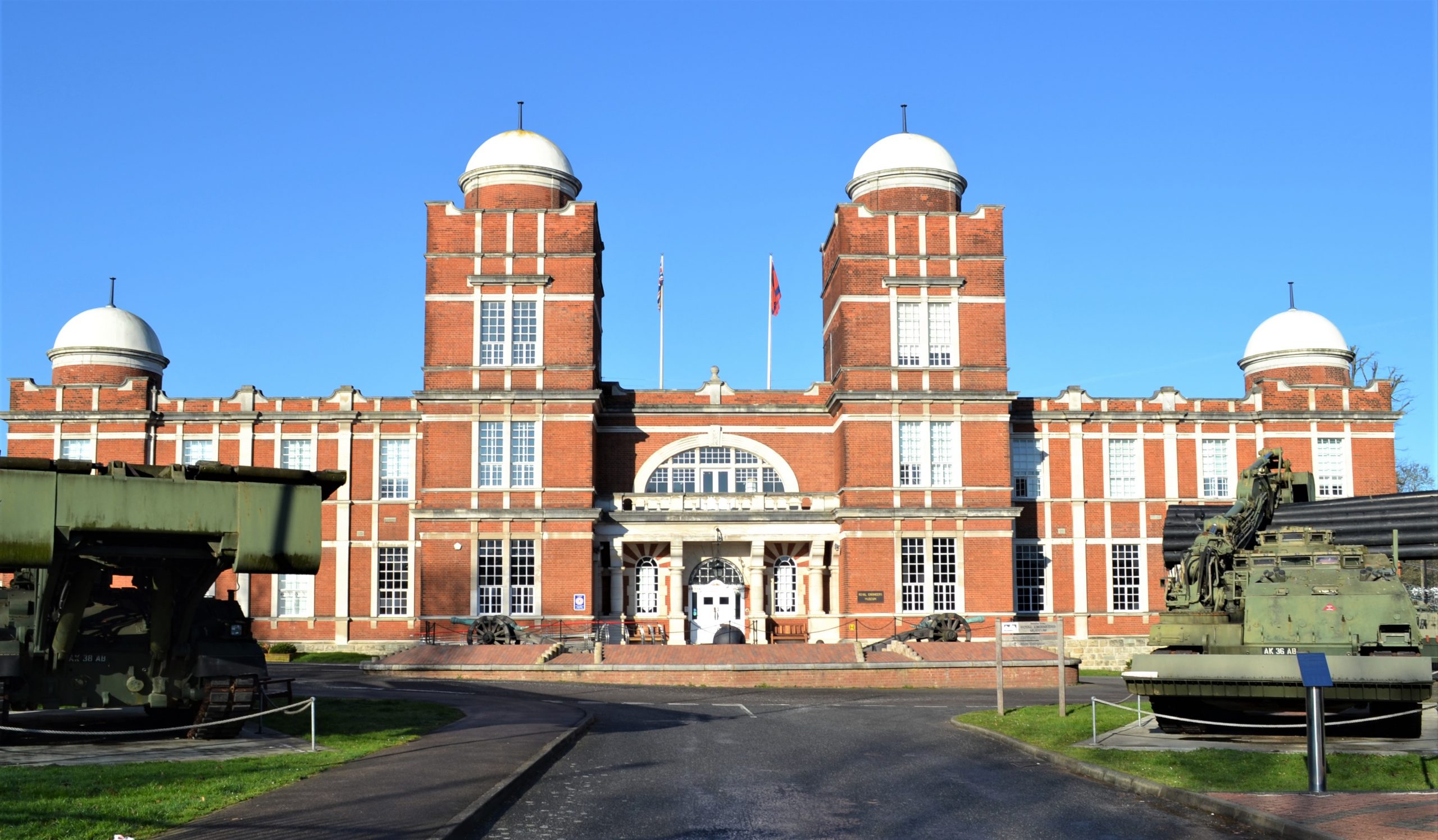
The findings were presented (earlier in October) at the annual Concrete Symposium held at the Royal Engineers Museum in Gillingham, Kent and will contribute to ongoing research aimed at strengthening military engineering capability and wider construction-sector knowledge. The programme focused on developing practical solutions for environments where conventional materials, equipment and labour may be unavailable.
Alex Soles, a lecturer from MKC Training and recent winner of the ICE Princess Royal Award International Final said: “We run experiments on potential real life military scenarios. Then we can showcase findings to help share innovative solutions that benefit the wider construction industry. By sharing our learnings, we hope others can build on this work and develop new approaches for the future.”
Captain Alistair Thom from the Royal Engineers said the programme was designed to simulate the pressures faced in operational environments: “We are sourcing local materials for aggregate and using salt water instead of fresh. We have rubble in abundance sadly in conflict and disaster zones. Soldiers have been doing all these experiments in just three weeks. This has been recreating the pressure of a conflict zone.”
How 3D printing can be used to make concrete structures
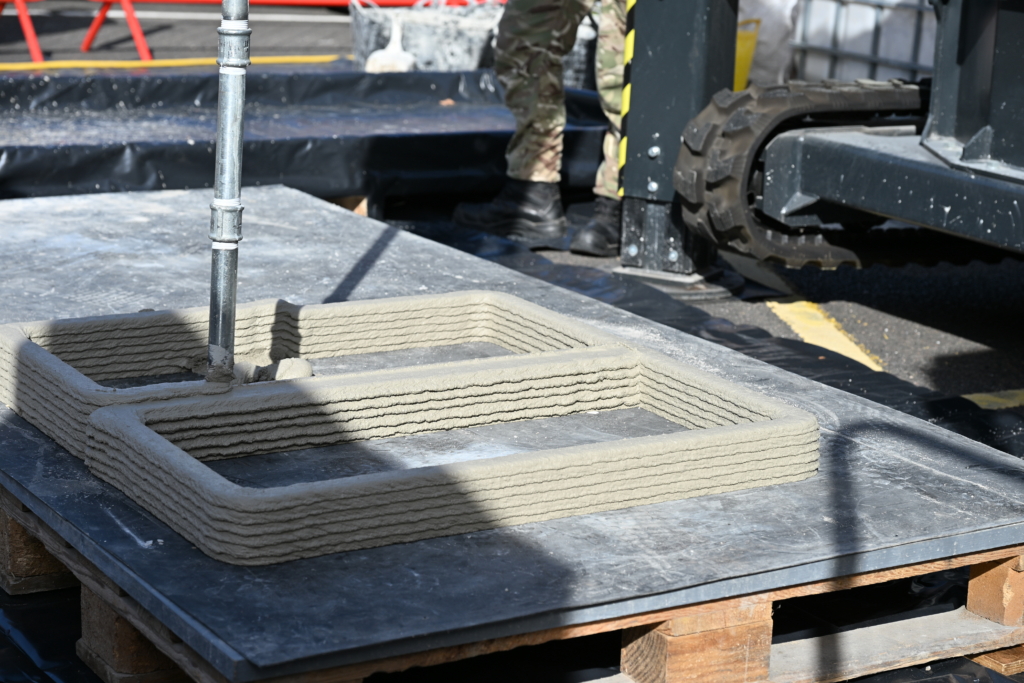
One of the most significant areas of research focused on concrete 3D printing. During the trials, soldiers successfully printed concrete anti-tank obstacles, known as dragon’s teeth, within minutes. Researchers believe the technology has potential applications in military infrastructure, force protection and humanitarian reconstruction.
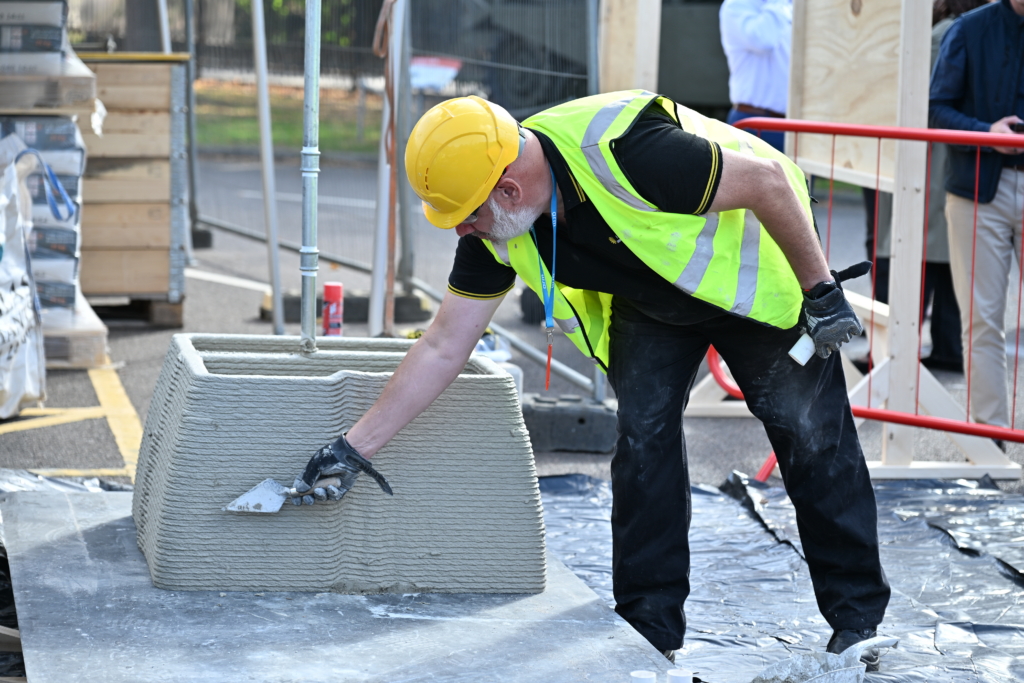
Sergeant Alex Graham, who participated in the trials said: “As you add layer upon layer it will slowly build up your structure which is being created as you pour it, until a concrete wall appears before you.
“It could eventually be something of a game changer in disaster zones. The machine only needs three people to operate – it will really reduce manpower needed in the future.”
The system used achieved an initial set in approximately three minutes and developed structural strength within around one hour.
Compared with traditional formwork-based construction, 3D printing eliminates the need for temporary shuttering and can be operated by a team of only three people. This could reduce labour requirements significantly while accelerating construction programmes.
Although still at an early stage of development, the technology has already seen adoption in military projects internationally, including by the US and Indian armed forces.
Recycled brick and rubble as concrete constituents
Researchers also examined whether rubble could substitute conventional aggregates and sand in environments like war and disaster zones.
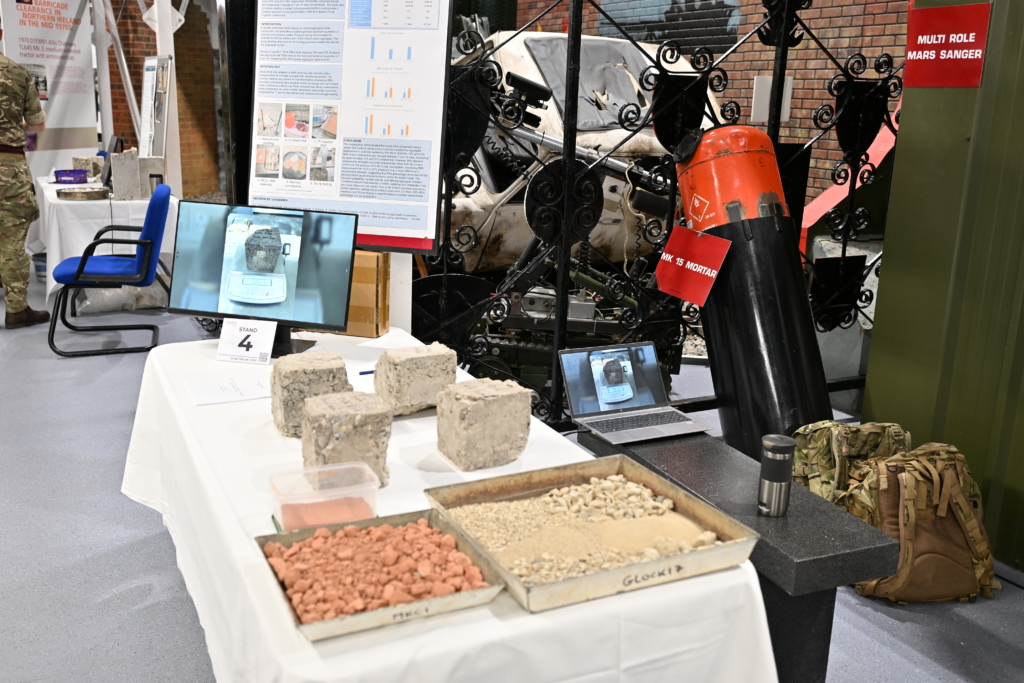
Using a simple field processing method, waste bricks were wrapped in cloth and crushed using sledgehammers before being used to make concrete cubes. The samples were assessed after seven and 14 days and continued to gain strength.
Additional experiments using finely ground brick dust as a sand replacement
Sergeant Ben Prescott said: “This is easily something which could be done in the field, with whatever materials you can find locally.
“It’s viable for walkways and pathways and we made this without spending a penny. I sourced the bricks from old stockpiles and looked for the worst quality as that’s the kind of thing you will find in real scenarios.”
There were challenges like increased water absorption when using brick dust. Future research will investigate whether pre-soaking recycled materials can mitigate this effect.
Cold-weather concreting research for curing in extreme conditions
Cold-weather concreting formed another major element of the research programme, reflecting the environments in which Royal Engineers may be operating.
Initial testing explored concrete performance at temperatures as low as -28°C, using a range of admixtures including salt, fertiliser and haemoglobin-based additives to determine whether curing could be maintained under extreme conditions.
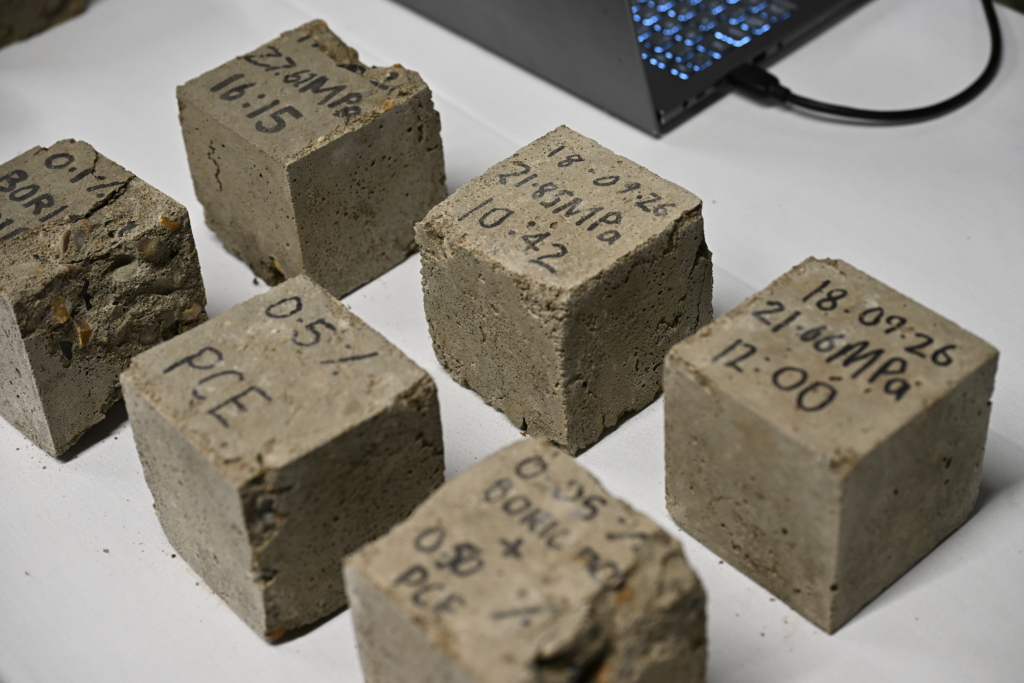
Sergeant Glen McWhinnie said: “The concrete was placed in a deep-freeze environment. The temperature reduction was so rapid the concrete froze before curing could take place.”
Future studies will focus on temperatures of -10°C and -20°C, using practical mitigation measures such as heated ground preparation and heated tents to improve the curing performance.
Evaluating salt water as an alternative to mix concrete
With fresh water often scarce in operational environments, researchers also examined whether seawater could be used as a replacement.
Tests after fourteen days indicated that concrete produced with salt water achieved compressive strengths approximately seven percent lower than equivalent mixes using potable water.
Researchers concluded that while the reduction in performance may limit some structural applications, the approach could be suitable for temporary infrastructure and non-critical construction works in disaster-response settings.
Royal Engineers supported by industry and academia in collaborative framework
Lieutenant Colonel Angela Laycock, recently appointed to Chief Instructor of the Professional Engineering Wing at the Royal School of Military Engineering praised the collaboration between soldiers, academics and industry partners.
“To see everyone supported by industry and academia is exactly what we need, I think it’s brilliant. It shows that you’re not being taught things to pass a test, you’re being taught the tools to work in the field. I’ve been really impressed by the calibre of research and I look forward to next year’s experiment findings that prepare our soldiers and take our learning forward.”
A total of 22 soldiers, including seven officers, took part in the research programme while studying towards BEng and MSc qualifications. Many of the projects will be formally published, contributing to future military engineering doctrine and informing civilian engineering and construction practices.
Sign up for our newsletter and get our latest content in your inbox.
Similar Reads


Sign up for our newsletter. Select all sectors relevant to you.
Related