

Tiberius Aerospace secures $500m Sceptre contract

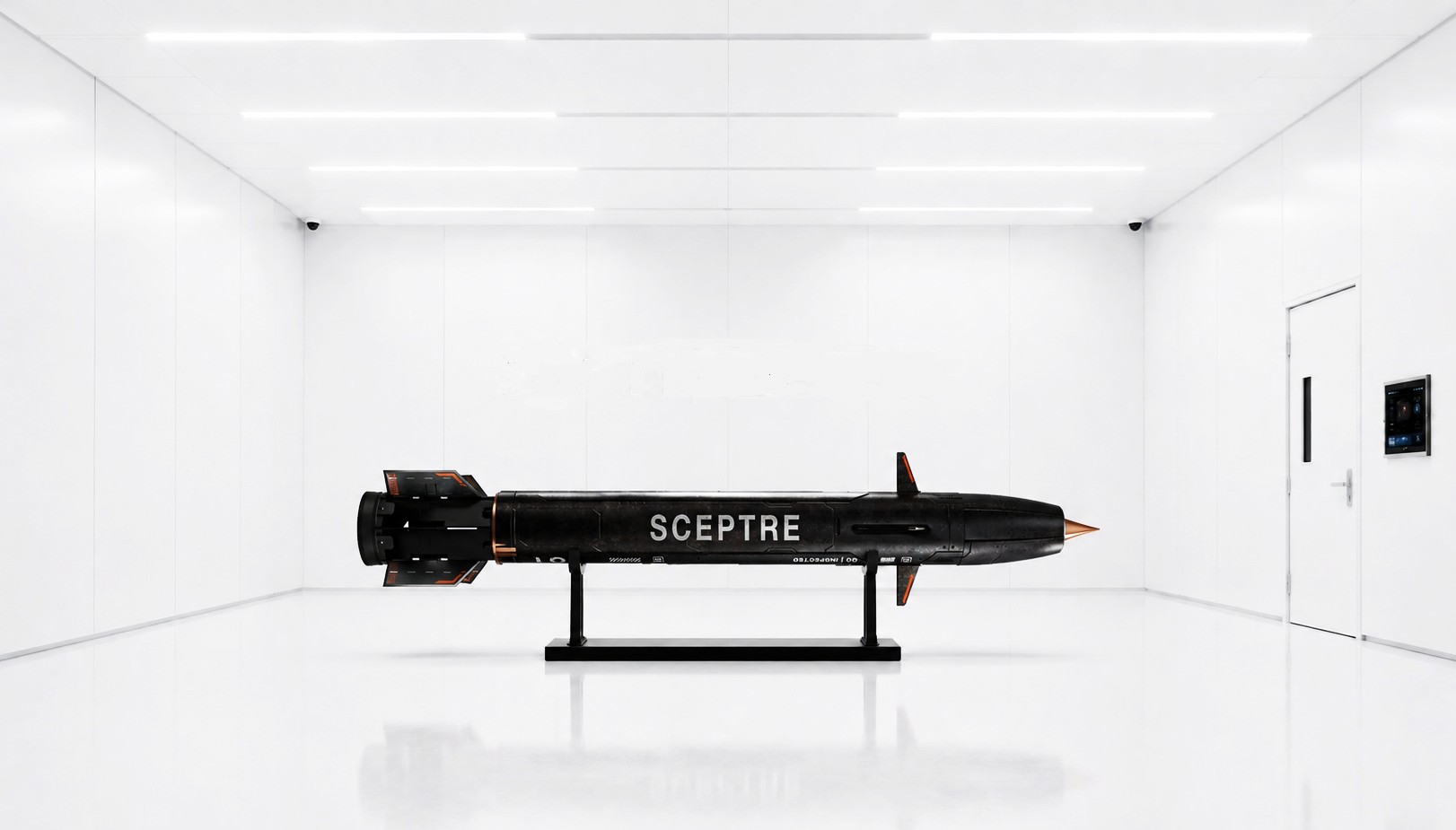
Tiberius Aerospace has announced a $500 million technology collaboration contract to manufacture, license and distribute Sceptre, its precision-guided munition. It marks the first scaled deployment of its Defense-as-a-Service model.
Moving from desktop concept to contract in just 24 months, Sceptre demonstrates a new model for allied nations to share development risk, manufacture sovereign capability and continuously improve defence systems together.
The collaboration is supported by an International Traffic in Arms Regulations Technical Assistance Agreement between Tiberius and a consortium of UK technology partners, enabling authorised cooperation across engineering, technology development and industrial participation. It builds on the US-UK relationship and provides the foundation for a wider federation of allied defence partners.
How UK-US defence cooperation could accelerate artillery development
At the centre of the model is GRAIL, Tiberius Aerospace’s AI-powered platform connecting requirements, engineering, suppliers, compliance and manufacturing. Together, Defense-as-a-Service and GRAIL are designed to turn the ingenuity and industrial capacity of allied economies into capability that can be developed faster, produced more resiliently and improved continuously.
Former US Defense Secretary Lloyd Austin has called for stronger links among allied defence industrial bases, more integrated supply chains and greater co-production of key technologies. Tiberius Aerospace’s model reflects that broader policy direction by combining centralised engineering with sovereign allied production.
Chad Steelberg, founder and CEO of Tiberius Aerospace, said: “The West’s greatest strategic advantage is the freedom to invent, compete and build. Our ambition is to turn that advantage into our greatest weapon: the collective innovative power of the free market. GRAIL connects that ingenuity, while Defense-as-a-Service provides the commercial model to bring it into service. Sceptre is the first scaled manifestation of that vision.”
How connected technology development serves to underpin allied interoperability
Traditional defence acquisition often requires individual governments to carry substantial research, development, test and evaluation costs before production begins. Allies with similar operational requirements can therefore fund parallel programmes, duplicate engineering effort and establish disconnected supply chains.
Tiberius’ Defense-as-a-Service model is designed to spread that investment and risk across a broader allied market. Tiberius develops, tests and validates technology that can then be licensed to qualified manufacturers and partner nations, enabling countries to build sovereign production capacity from a shared technology foundation.
The $500 million Sceptre contract brings that model to scale, connecting technology development, commercial demand and distributed manufacturing within a common framework.
General Sir Roly Walker, Chief of the General Staff, British Army, said: “Deterrence depends not only on having the right capability but on maintaining a strong industrial and technological base that can respond rapidly to emerging threats. The collaboration on SCEPTRE demonstrates the value of bringing together UK and US technological expertise to explore advanced artillery technologies and strengthen transatlantic defence cooperation. Initiatives such as this help mature future concepts and reinforce the industrial relationships that underpin alliance advantage.
“Modern conflict has reinforced a fundamental lesson: munitions capacity is essential to sustaining combat power. The United States is stronger when our allies and partners have the industrial capacity to produce interoperable systems at speed and scale, expand production when demand increases, and adapt as battlefield requirements change. Building greater depth, resilience, and responsiveness across the allied industrial base strengthens readiness and deterrence and gives the joint and coalition force the capacity to sustain combat operations and win” said Admiral (ret.) Gary Roughead, 29th Chief of Naval Operations.
How distributed manufacturing could improve supply-chain resilience
The Technical Assistance Agreement provides the framework for authorised technical collaboration between Tiberius and its participating UK partners, translating the US-UK special relationship into practical cooperation across engineering, testing and industrial development.
The broader Defense-as-a-Service model is designed to create a federated network of qualified allied partners, with technology access governed by applicable authorisations. By distributing expertise and production capacity, the model can reduce dependence on individual suppliers, create additional manufacturing pathways and strengthen the ability to respond to disruption or increased demand.
As Russia’s aggression underscores the need for sustained allied readiness, Tiberius Aerospace believes deterrence depends not only on the quality of defence technology but on the resilience and scalability of the industrial base behind it.
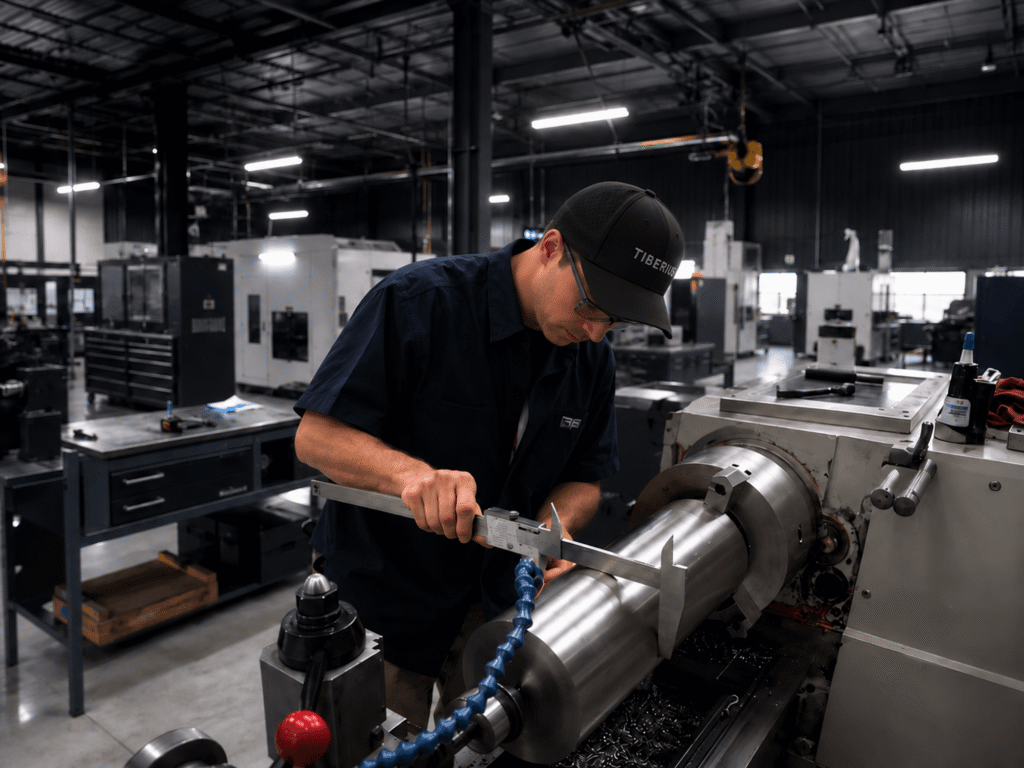
Photo: Tiberius Aerospace
How open architecture could widen access to defence innovation
GRAIL provides the connective infrastructure for this network. It enables Tiberius and any allied OEM to identify and evaluate technologies, coordinate qualified suppliers, manage compliance and support manufacturing against a controlled engineering baseline.
The platform is designed to open defence programmes to a broader pool of Western innovation, from specialist engineering businesses and advanced manufacturers to established defence suppliers, creating a route for qualified technologies to reach multiple allied markets. Sceptre’s modular, open architecture supports this model by allowing qualified components and technologies to be incorporated as the system evolves. Combined with GRAIL, it creates a framework in which advances can be assessed, integrated and made available across the participating industrial network.
Sceptre, Tiberius Aerospace’s ramjet-powered 155mm precision-guided munition, is designed to deliver extended-range precision from existing NATO-standard artillery platforms. Its development has included work under contract with the UK Ministry of Defence, support from the US Defense Innovation Unit (DIU) and a Cooperative Research and Development Agreement with the US Army Combat Capabilities Development Command Armaments Center.
Sign up for our newsletter and get our latest content in your inbox.
Similar Reads




Sign up for our newsletter. Select all sectors relevant to you.
Related