What is flowdown in an aerospace contract?

Aerospace manufacturing relies on a complex network of suppliers and subcontractors, all working to meet strict technical and quality requirements. Contractual flowdown plays a key role in communicating these obligations throughout the supply chain, supporting consistency, accountability and compliance at every stage of production.

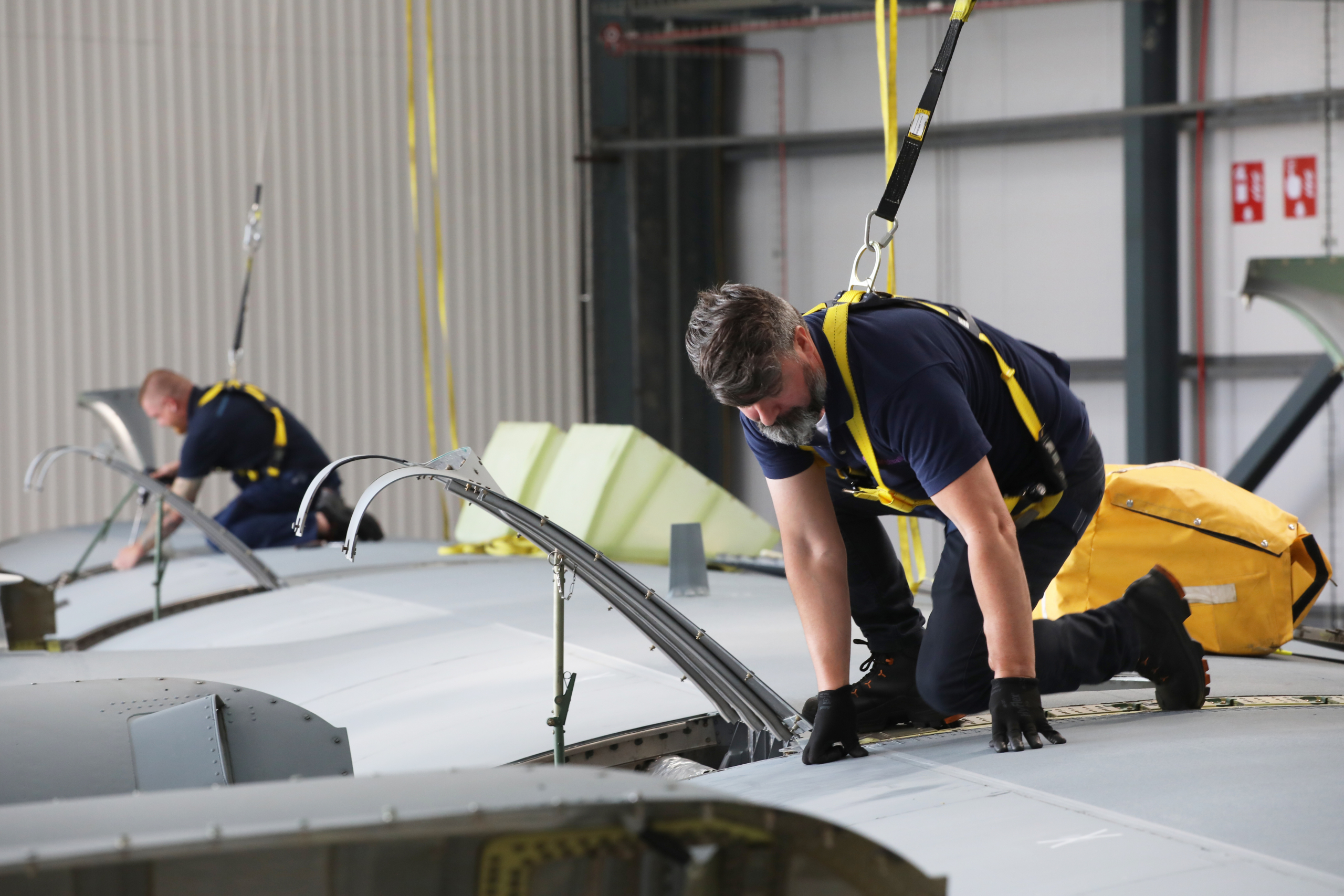
Marshall Aerospace-C-130 people working
Photo: Marshall Aerospace

An aerospace contract rarely involves just two organisations. Behind an aircraft manufacturer and its main supplier, there may be dozens of subcontractors responsible for producing components, supplying materials or carrying out specialist manufacturing processes. Each has a part to play in meeting the requirements of the original agreement.

This is where flowdown comes in. It is the process of transferring relevant contractual obligations through the supply chain, so that suppliers and subcontractors can understand the standards and conditions that apply to the work they undertake.

What does flowdown mean in an aerospace contract?

Flowdown basically means passing on the relevant requirements of a contract to other companies further down the supply chain.

For example, an aircraft manufacturer might hire a main supplier to produce a landing gear assembly. That supplier may then use other companies to make individual parts, supply materials or carry out specialist work such as heat treatment.

Although each company has its own responsibilities, they must all follow the relevant requirements set by the aircraft manufacturer.
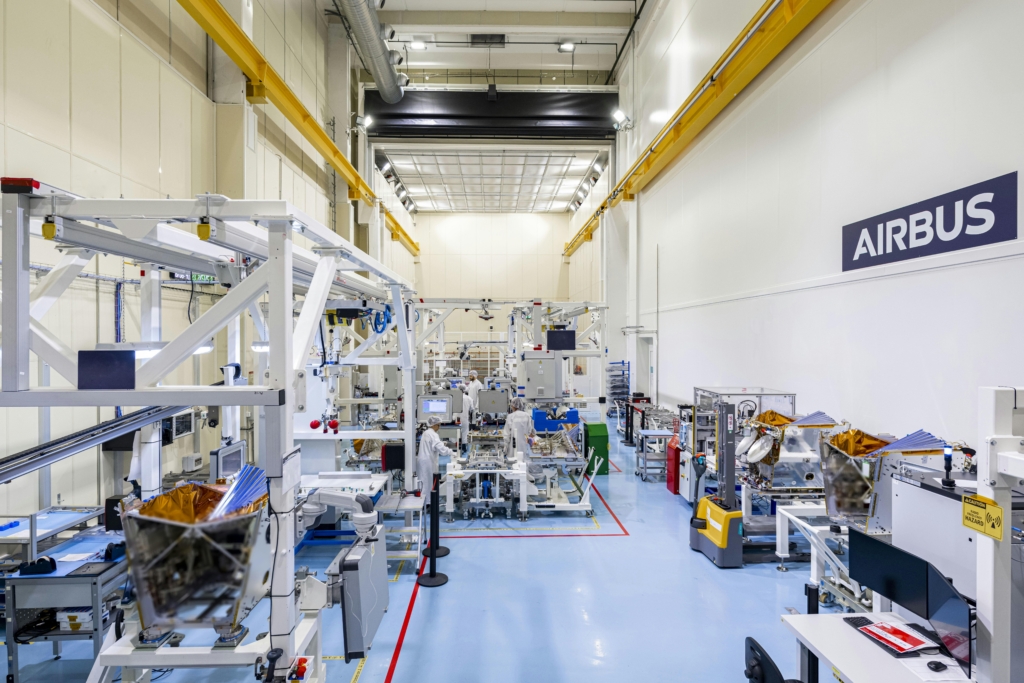
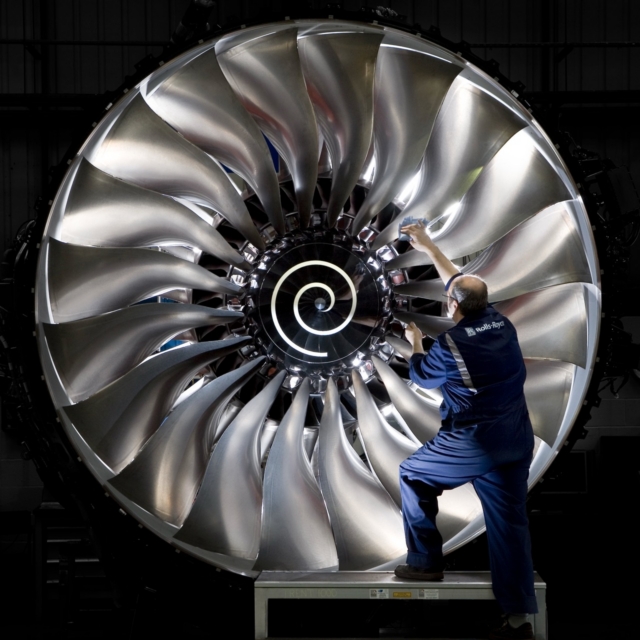
Airbus Constellation production line
Photo: Airbus

The main supplier is responsible for making sure each subcontractor knows which requirements apply to their work. These are then included in their individual contracts, covering things like technical specifications, quality standards and commercial agreements.

This helps prevent important details from being missed as work passes between different companies.

Why is contractual flowdown important in the aerospace industry?

Aerospace manufacturing relies on accuracy, consistency and proper records. Even a small problem with a component can cause wider issues, particularly when it becomes part of a larger assembly.

For instance, missing material certificates or incorrect manufacturing records could lead to rejected parts, production delays or extra inspections. Poor control of materials or manufacturing changes could also affect product quality and airworthiness.

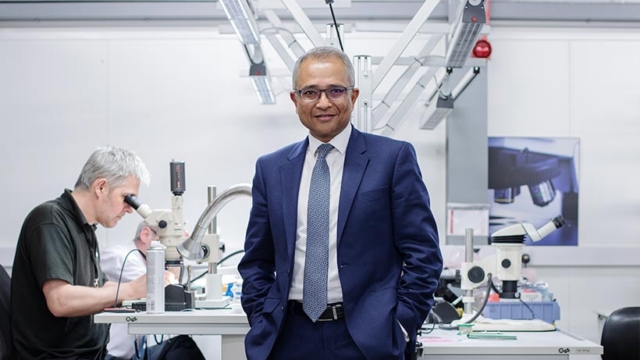
Portrait of Professional Heavy Industry Engineer.
Photo: Getac

Flowdown helps reduce these risks by making sure suppliers understand the requirements they need to follow. These can include quality standards such as AS9100, material traceability, approved drawings and specifications, and rules for managing design or manufacturing changes.

Contracts may also cover counterfeit parts, inspection records and delivery deadlines. The requirements will depend on the work being carried out and the supplier’s role in the project.

Who is responsible for flowdown in an aerospace supply chain?

The company placing a subcontract is usually responsible for passing on the relevant contract requirements. The main contractor must communicate these to its suppliers, who then need to pass on any requirements that apply to their own subcontractors.

However, the original contractor cannot simply pass on all responsibility. It still needs to keep track of its supply chain and check that the agreed requirements are being followed.

Suppliers also need to understand what their contracts mean in practice, including which rules apply to their work and what records or evidence they need to provide.
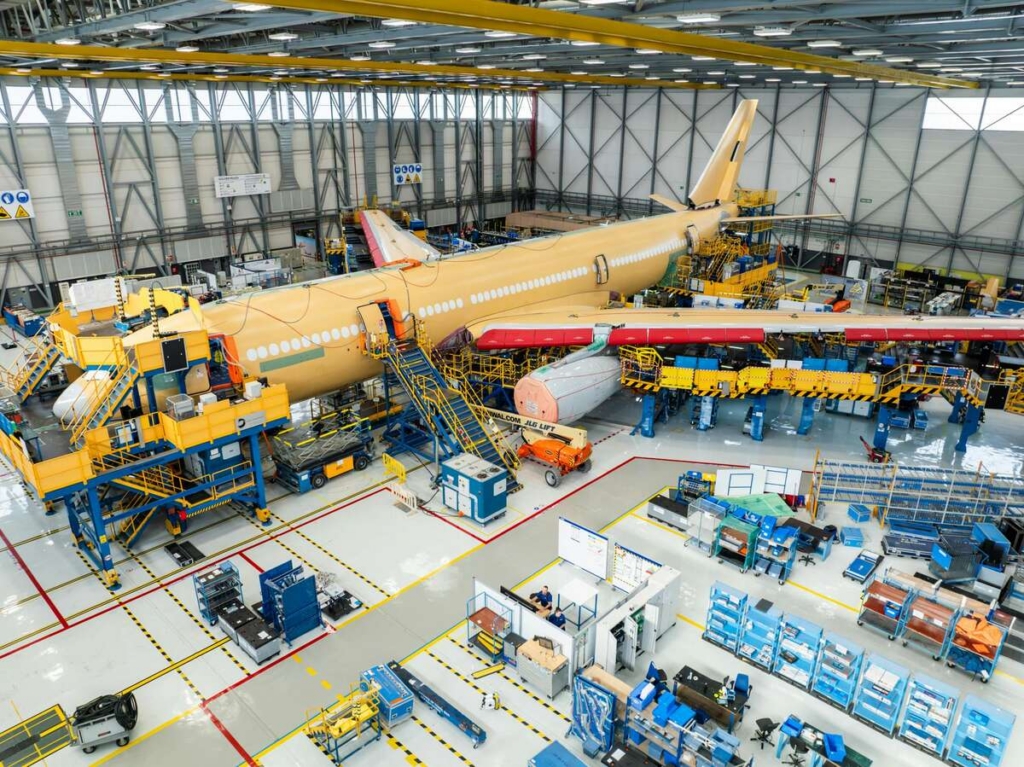
Airbus production
Photo: Airbus

Good communication between purchasing, quality and engineering teams helps avoid confusion, particularly when dealing with complex technical requirements.

What happens when aerospace contract flowdown is poorly managed?

If contract requirements are not clearly explained, it can lead to rejected parts, failed audits, production delays and extra costs. A subcontractor might work from an old drawing or forget to provide paperwork required by the aircraft manufacturer.

Passing on requirements that do not apply to a supplier can also create unnecessary work and make contracts harder to manage. That’s why it’s important to make clear which requirements each supplier needs to follow based on the work they do.

Related

Frewer Engineering completes leadership succession with ownership transfer
Dr Richard Lock, MD at Frewer Engineering
Frewer Engineering completes leadership succession with ownership transfer
Surrey engineering consultancy Frewer Engineering has completed a planned ownership transition, with managing director Dr Richard Lock acquiring a majority stake from founder Peter Frewer.
Aerospace Member News

20 Nov 2026

First UK-built Islander from revived Isle of Wight production line delivered to Falklands
FIGAS Britten-Norman Islander
First UK-built Islander from revived Isle of Wight production line delivered to Falklands
Britten-Norman has delivered the first Islander aircraft built on its revived Isle of Wight production line to the Falkland Islands Government Air Service following a three-week ferry flight.
Aerospace

20 Nov 2026

Viasat launches VIA to work across all in-flight connectivity networks
A cloud-delivered media platform that runs on any in-flight connectivity network - including via satellite - has been launched by Viasat, which can enable airlines to deliver their own branded experience across their fleets.
UK manufacturing orders rebound, with aerospace and defence demand providing a boost
British Army
UK manufacturing orders rebound, with aerospace and defence demand providing a boost
British manufacturing output rose in November for the first time since May 2024, driven by strong aerospace and defence orders, CBI says.
Defence Uncategorized

20 Nov 2026

Aircraft return to RAF Brize Norton after runway reopened
RAF Brize Norton runway
Aircraft return to RAF Brize Norton after runway reopened
Aircraft returned to RAF Brize Norton after a 16-week dispersal while the runway was replaced, forming part of a £180 million programme to strengthen RAF Brize Norton’s airfield infrastructure for the future.
Defence Member News

20 Nov 2026

Kromek receives £2.5m radiation detectors order from MoD
Arnab Basu, CEO of Kromek
Kromek receives £2.5m radiation detectors order from MoD
The UK Ministry of Defence has placed a second order with Kromek for its wearable D5 RIID radiation detection device, valued at £2.5 million.
Defence Member News

20 Nov 2026

ESA awards OHB €102m ClearSpace-1 contract
ClearSpace Titel V2
ESA awards OHB €102m ClearSpace-1 contract
Following the selection of OHB as the prime contractor for the European Space Agency's ClearSpace-1 programme, Europe has moved a step closer to realising Europe’s first active space debris removal mission.
Member News Space

20 Nov 2026

Viasat launches VIA to work across all in-flight connectivity networks
A cloud-delivered media platform that runs on any in-flight connectivity network - including via satellite - has been launched by Viasat, which can enable airlines to deliver their own branded experience across their fleets.
Hexagon and Red Bull look beyond engineering degrees to find manufacturing’s future talent
Formula 1 car at Red Bull's MK7 campus
Hexagon and Red Bull look beyond engineering degrees to find manufacturing’s future talent
At Red Bull’s Milton Keynes campus, Hexagon brought students and employers together to explore how interests in gaming, data and problem-solving could become a route into manufacturing — and what industry needs to do to open those doors.
Met launches handheld facial recognition pilot for frontline identity checks
New Scotland Yard sign
Met launches handheld facial recognition pilot for frontline identity checks
The Metropolitan Police have launched a six-month trial of a new handheld facial recognition tool that allows officers to verify a person's identity without their consent by comparing a photograph taken on a police-issued mobile device against the force's custody image database.
Security

20 Nov 2026

Hexagon and Red Bull look beyond engineering degrees to find manufacturing’s future talent
Formula 1 car at Red Bull's MK7 campus
Hexagon and Red Bull look beyond engineering degrees to find manufacturing’s future talent
At Red Bull’s Milton Keynes campus, Hexagon brought students and employers together to explore how interests in gaming, data and problem-solving could become a route into manufacturing — and what industry needs to do to open those doors.
Expert shares what SMEs should do in the first two hours of an energy or cyber disruption
Server racks creating data center corridor 3d
Expert shares what SMEs should do in the first two hours of an energy or cyber disruption
Cyber attacks, grid failures and rising electricity demand are creating new business risks. Dr Phil Wu explains the three actions SMEs should take in the first two hours of a disruption.
Security

19 Nov 2026