General Atomics

Defence Investment Plan puts UK drone delivery challenge in focus

The UK's DIP allocates billions for drones, but that could be a drop in the ocean before the UK can capitalise on the drone economy.

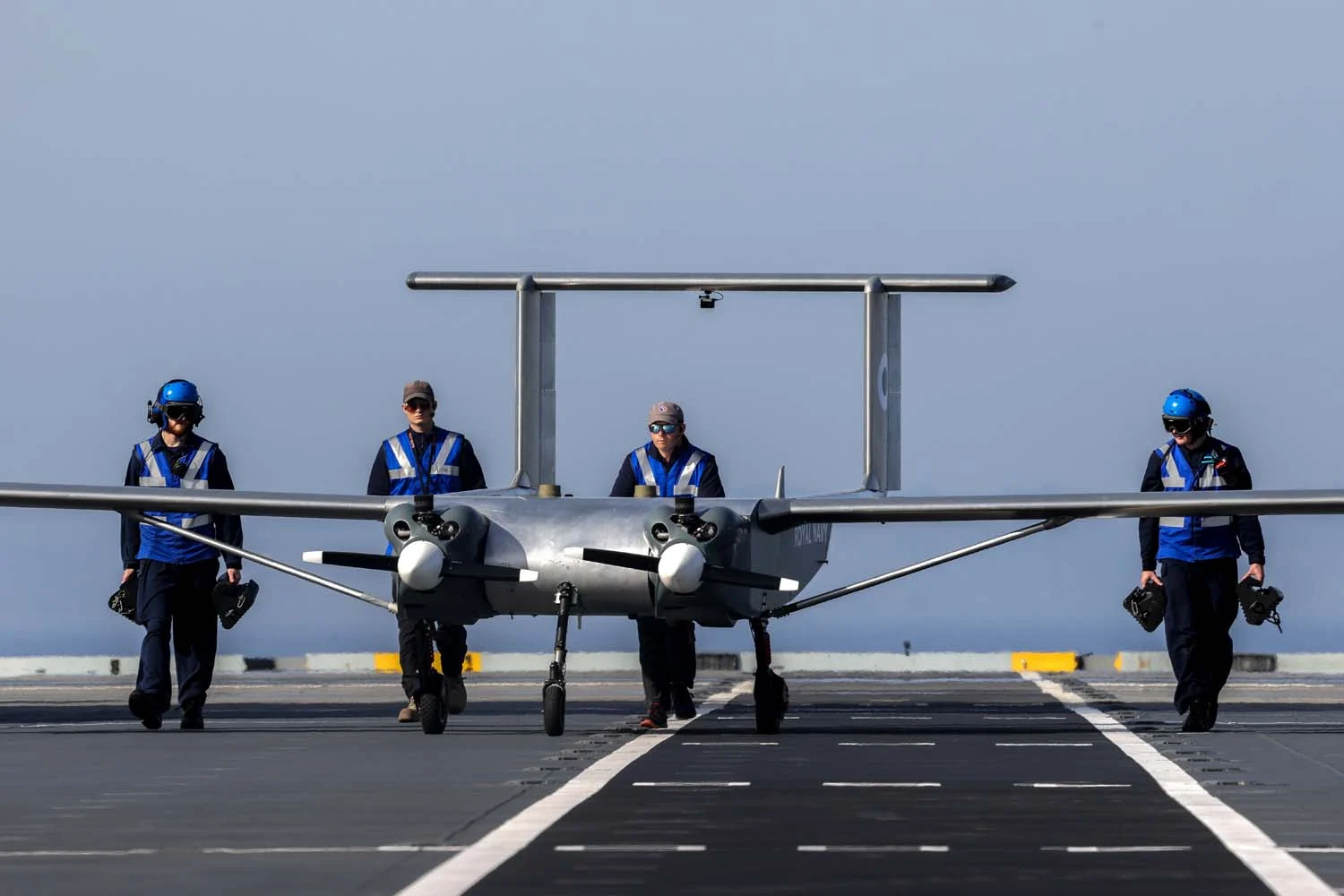
Royal Navy Drone
Photo: UK MoD

The UK’s Defence Investment Plan has confirmed more than £5 billion for drones over the next four years, moving uncrewed systems from the margins of defence innovation into the centre of military planning.

The funding sits within a wider £298 billion four-year defence settlement and follows the Strategic Defence Review’s call for a more integrated, technology-led force.

But now the plan has been published, the critical question for government, the Armed Forces and industry is no longer whether drones are important. It is whether the UK can deliver them at the speed modern conflict demands.

Recent wars have shown how quickly uncrewed systems can change the battlefield. Low-cost drones are being used for surveillance, strike, logistics, electronic warfare and force protection, often with development cycles measured in weeks rather than years.

That creates a major challenge for a defence system still largely built around long procurement timelines, complex requirements and major platform programmes.

From drone funding to drone delivery

The DIP points to a broad shift across all three services. The Army is expected to receive first-person-view drones, interceptor drones, uncrewed ground vehicles and systems designed to operate alongside helicopters.

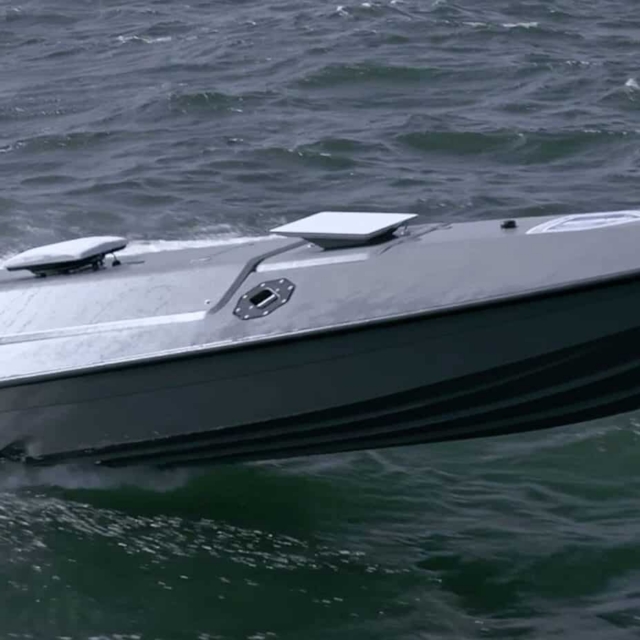
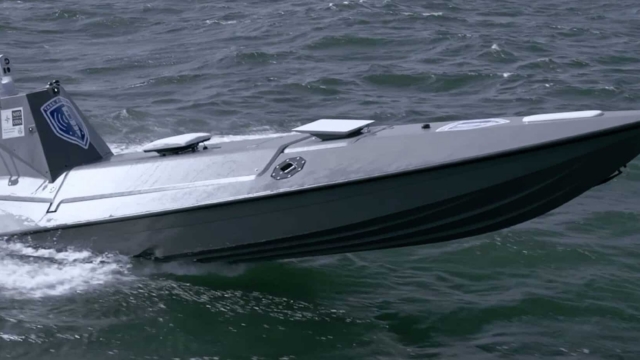
The Royal Navy is moving towards a hybrid fleet that combines crewed ships with uncrewed vessels, mine-hunting systems and autonomous submarine-hunting platforms.
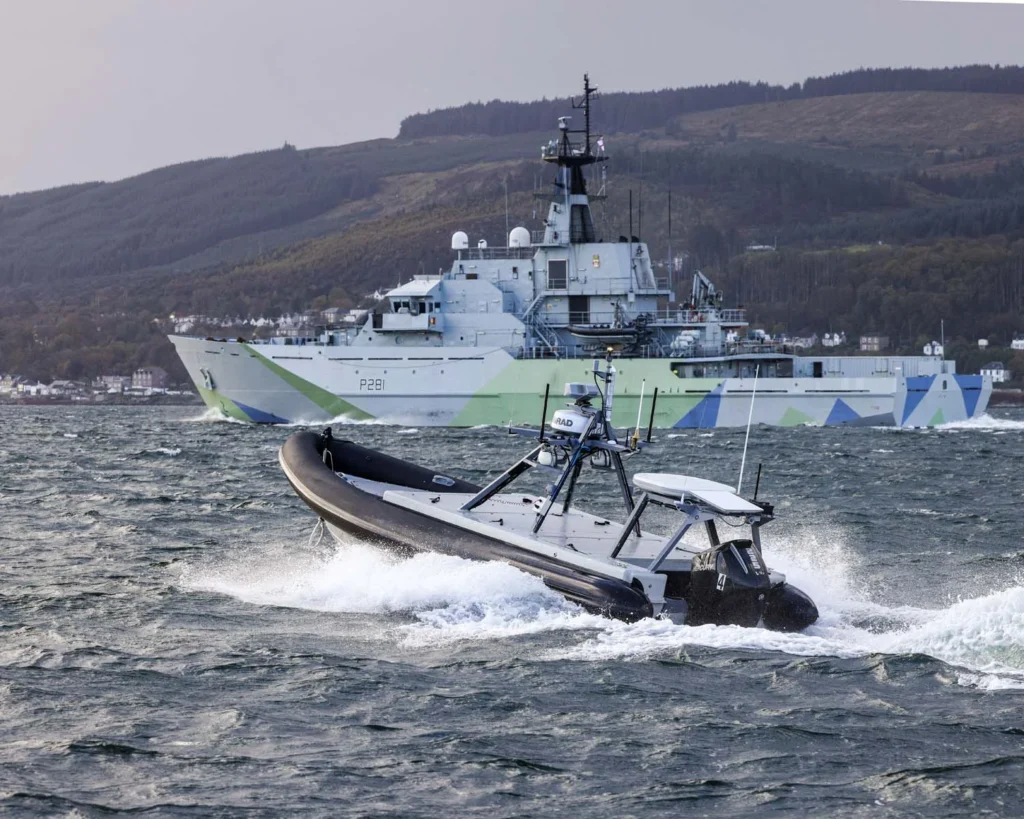
Royal Navy drone boat
Photo: Royal Navy

For the RAF, investment includes collaborative combat aircraft, autonomous electronic warfare through Storm Shroud, and work under Project Pantheon to explore a hybrid carrier air wing involving drones and F-35B aircraft.

“Drone” now covers everything from cheap expendable systems to advanced autonomous aircraft. For industry, that means opportunity across software, sensors, propulsion, manufacturing, AI, integration, training and through-life support.

Scale, speed and integration will decide success

The most significant part of the DIP may not be the individual systems listed, but the attempt to build the machinery around them. Investment in the Uncrewed Systems Centre in Swindon and the new Uncrewed Systems Taskforce is designed to help the UK develop, test and field autonomous capabilities more quickly with industry.

Buying drones is not the same as building a drone-enabled force. The UK will need production capacity, secure supply chains, rapid upgrade pathways and closer feedback loops between users and manufacturers.

Ukraine has demonstrated the value of mass, iteration and operational learning. The UK’s commitment to supply 120,000 drones to Ukraine in 2026 also gives British companies direct exposure to the demands of high-intensity conflict.

Ministry of defence drone
Photo: UK MoD

For ADS members and the wider defence supply chain, the DIP is a market signal as much as a spending pledge. The companies best placed to benefit will be those able to scale quickly, adapt designs rapidly and integrate into wider command, control and targeting networks.

The £5 billion drone commitment is a major statement of intent. Its real test will be whether the UK can turn that intent into deployable capability before the technology moves on again.

Related

Airbus A350F takes flight for first time in major freighter milestone
A350F takes off on first flight
Airbus A350F takes flight for first time in major freighter milestone
Airbus’ new A350F has taken to the skies for the first time, beginning a 400-hour flight-test campaign for its next-generation large freighter.
Aerospace

29 Sep 2026

UK-Canada seabed to space programme adds The Structural Battery Company
The SB Co. Heavy-lift drone demo
UK-Canada seabed to space programme adds The Structural Battery Company
Innovate UK has brought The Structural Battery Company onboard its UK-Canada seabed to space programme.
Windracers ULTRA safely transports anti-doping blood sample in Alaska
Windracers ULTRA
Windracers ULTRA safely transports anti-doping blood sample in Alaska
Conducting its first BVLOS Windracers ULTRA flight in North America, flying an anti-doping blood test sample for several hours over 1,000km in Alaska, Windracers has shown autonomous flights are a reliable option for safely transporting time sensitive cargo in difficult conditions.
UK records largest share of European defence manufacturing investment since 2024
Former Defence Secretary John Healey MP is given a tour of the UK's Storm Shadow production line at MBDA's facility in Stevenage on 31 May 2025. Image: MOD Crown Copyright/Rosie Hallam
UK records largest share of European defence manufacturing investment since 2024
From munitions plants to drone production lines, the UK has attracted more defence manufacturing projects than any other European nation since 2024, according to new research.
Defence

29 Sep 2026

UK-Canada seabed to space programme adds The Structural Battery Company
The SB Co. Heavy-lift drone demo
UK-Canada seabed to space programme adds The Structural Battery Company
Innovate UK has brought The Structural Battery Company onboard its UK-Canada seabed to space programme.
Shield AI and Kraken demonstrate autonomous USV teaming in Portsmouth
Shield AI and Kraken Technology Group demonstrate Hivemind
Shield AI and Kraken demonstrate autonomous USV teaming in Portsmouth
Shield AI is trialling its Hivemind mission software, using teaming and swarming technology originally developed for autonomous aircraft in maritime roles.
Defence

29 Sep 2026

UK-Canada seabed to space programme adds The Structural Battery Company
The SB Co. Heavy-lift drone demo
UK-Canada seabed to space programme adds The Structural Battery Company
Innovate UK has brought The Structural Battery Company onboard its UK-Canada seabed to space programme.
KBR prepares to launch Trinzic as independent mission technology business
KBR's headquarters in Houston
KBR prepares to launch Trinzic as independent mission technology business
The planned January 2027 separation will create a publicly traded company focused on national security and space.
Member News Security Space

28 Sep 2026

NSSLGlobal Group acquires MetOcean Telematics (UK) Ltd
NSSLGlobal
NSSLGlobal Group acquires MetOcean Telematics (UK) Ltd
Through this acquisition, NSSLGlobal has expanded its communications and security capabilities with asset tracking by satellite, cellular and radio for blue light, border force and security services.
ACUA Ocean and Forssea Robotics integrate ARGOS ROV with USV Pioneer
USV-ROV deployment
ACUA Ocean and Forssea Robotics integrate ARGOS ROV with USV Pioneer
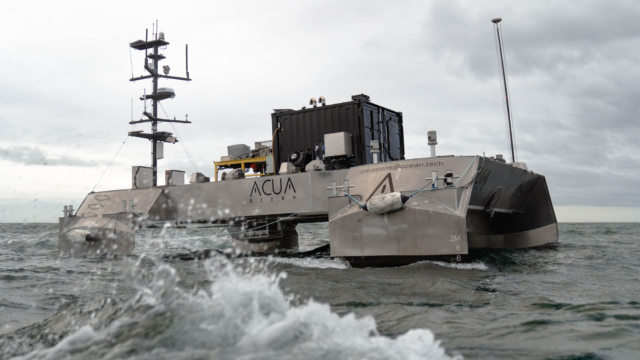
The culmination of three weeks of operations in Plymouth have proved that fully remote subsea inspection and light intervention from an uncrewed surface vessel can be conducted safely in weather that conventional crewed vessels struggle to operate.
KBR prepares to launch Trinzic as independent mission technology business
KBR's headquarters in Houston
KBR prepares to launch Trinzic as independent mission technology business
The planned January 2027 separation will create a publicly traded company focused on national security and space.
Member News Security Space

28 Sep 2026

First Turkish Typhoon pilots begin training at RAF Coningsby
Turkish Air Force Pilots Begin Typhoon Training in the UK
First Turkish Typhoon pilots begin training at RAF Coningsby
Two Turkish combat pilots have joined RAF Coningsby for Typhoon conversion and instructor training ahead of the first deliveries in 2030.
Aerospace Defence Security

28 Sep 2026