

UK and Netherlands sign £2.4bn deal for new NATO amphibious ships


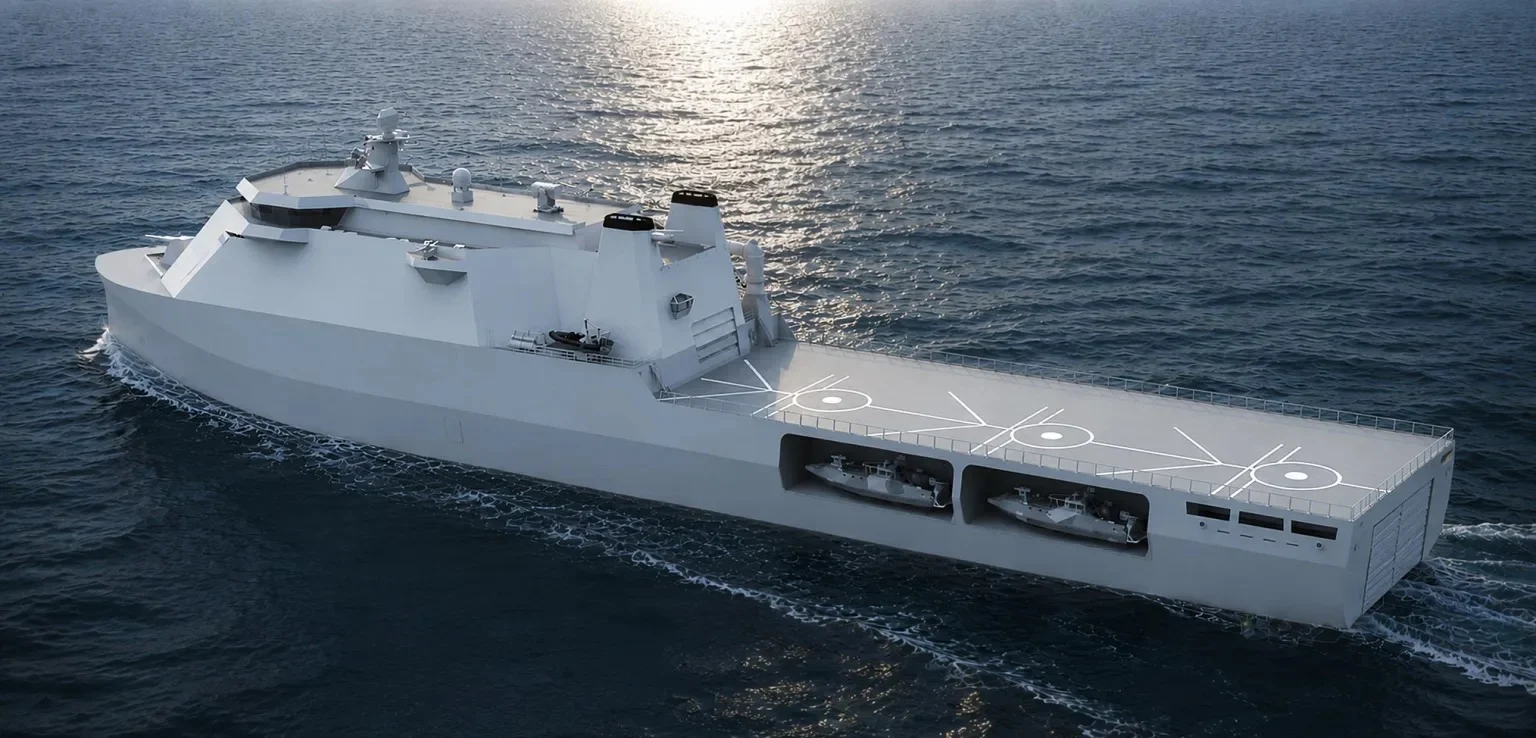
The United Kingdom and the Netherlands have signed a new £2.4 billion maritime partnership that will see the two NATO allies jointly develop and procure a new generation of amphibious transport ships, deepening more than five decades of naval cooperation while strengthening the Alliance’s ability to respond rapidly to crises across Europe and beyond.
Announced during the NATO Summit in Ankara on 7 July, the agreement will deliver eight new amphibious transport ships—four for each navy—that will be built in British shipyards using a Dutch-led design.
The vessels will form the backbone of an expanded UK-Netherlands amphibious force while also serving as a platform for closer cooperation on autonomous and uncrewed maritime technologies.
The programme marks one of the most significant Anglo-Dutch naval initiatives in recent years and comes as European allies continue to strengthen collective defence in response to a deteriorating security environment stretching from the North Atlantic to the High North and the Baltic region.
Prime Ministers Keir Starmer and Dick Schoof signed the agreement during the summit, describing it as a long-term investment in NATO interoperability, European security and industrial cooperation.
The deal is also expected to support hundreds of skilled jobs across the UK’s shipbuilding sector as construction moves forward in British yards.
Prime Minister Starmer said: ”This partnership is not just about building ships, it is also about delivering long-term security for both the UK and the Netherlands, ensuring we are able to stay ahead of the threats of tomorrow.
“Combining the UK’s industrial expertise with the Netherlands’ design and sea-faring experience to deliver first-rate platforms for our elite amphibious forces, this partnership will strengthen NATO.”
UK-Netherlands ship deal to strengthen NATO amphibious forces
Unlike previous generations of amphibious ships designed primarily for large-scale beach assaults, the new vessels are intended for a much broader range of modern military operations.
At approximately 160 metres in length and around 15,000 tonnes displacement, they will be capable of transporting troops, vehicles and equipment while operating helicopters, long-range drones and future autonomous aircraft from their flight decks.
The ships are also expected to support humanitarian assistance, disaster relief, non-combatant evacuation operations and logistics missions alongside traditional amphibious warfare, reflecting the wider range of tasks increasingly assigned to European navies.
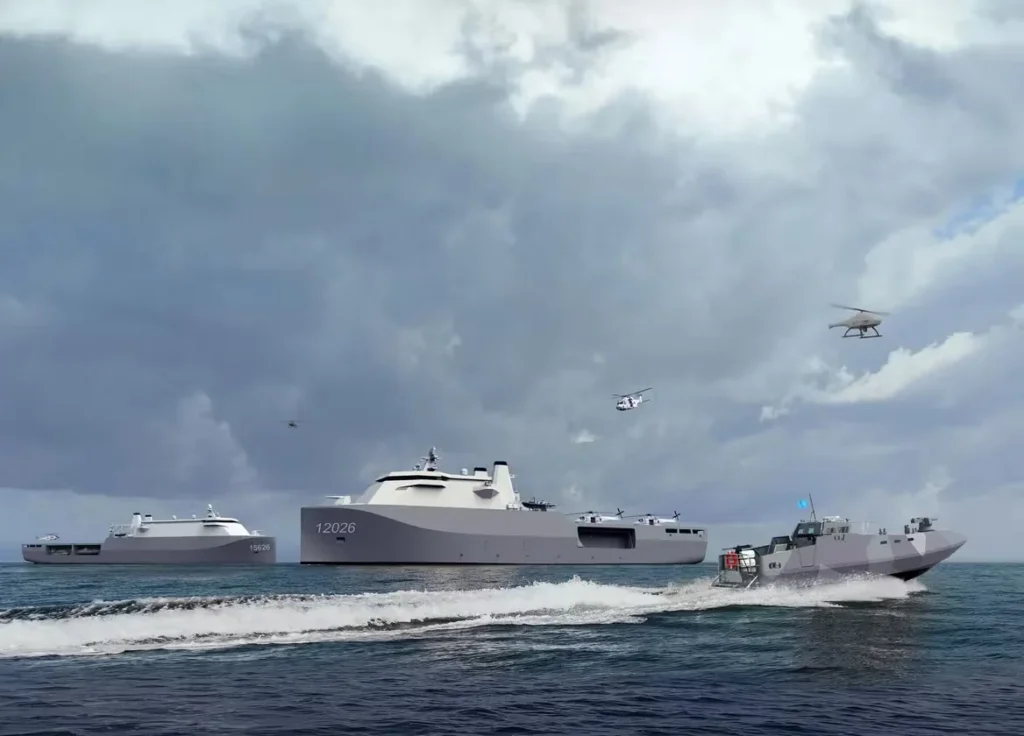
The agreement also reflects the Royal Navy’s transition towards what the UK describes as a “hybrid navy”, combining conventional warships with autonomous surface and underwater systems to improve operational flexibility while reducing risk in contested environments.
Both governments have agreed to work together on developing future maritime autonomous technologies alongside the ship programme.
Common amphibious ship design to replace ageing fleets
Although neither government has officially identified the final ship design, defence analysts expect the vessels to be based on Damen Naval’s Enforcer family of amphibious transport ships, which has been under consideration for several years as a common platform for both navies.
Rather than focusing solely on traditional amphibious assaults, the design places greater emphasis on flexible mission bays, aviation facilities, command-and-control capabilities and support for dispersed littoral operations, reflecting lessons learned from recent conflicts and NATO’s evolving operational requirements.
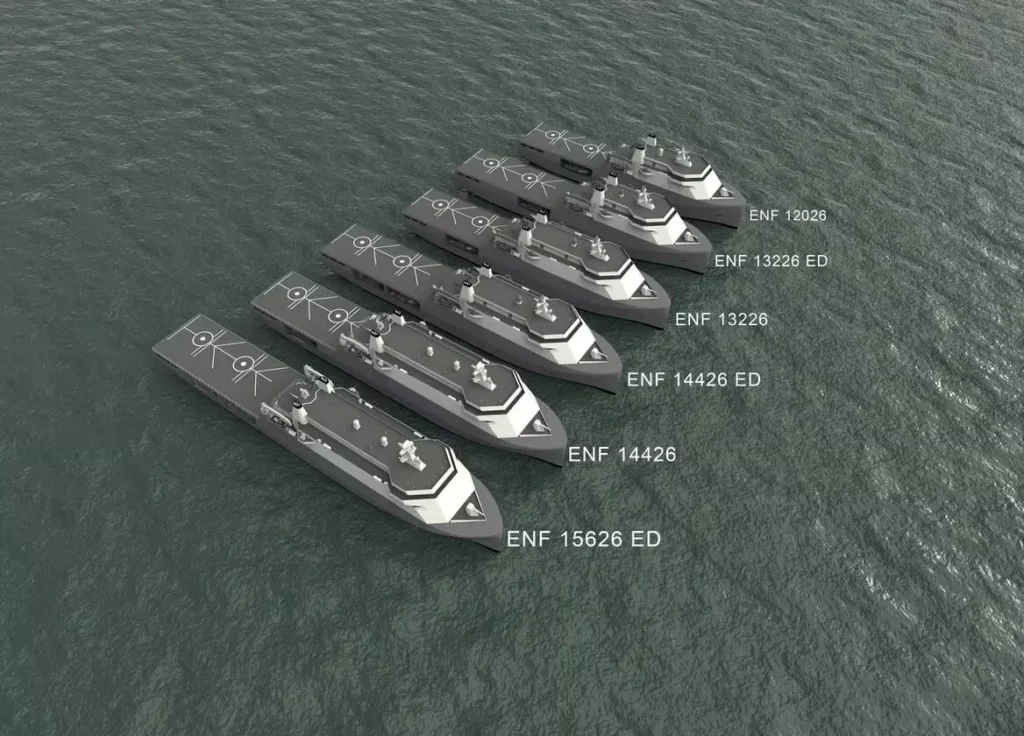
The programme also represents a significant shift from Britain’s earlier Multi-Role Strike Ship (MRSS) concept. Initial planning envisaged replacing several ageing amphibious vessels with up to six new ships, but the proposal was subsequently scaled back as the Ministry of Defence revised its force structure and spending priorities.
The new joint programme instead focuses on four ships for the Royal Navy while leveraging a common design with the Netherlands to deliver greater capability through closer integration.
Despite the reduction in planned numbers, defence planners argue that operating identical ships will simplify logistics, streamline training, reduce long-term support costs and enable British and Dutch forces to deploy seamlessly as a single amphibious task group during NATO operations.
The programme builds on more than five decades of UK-Netherlands amphibious cooperation
The agreement builds on one of NATO’s longest-standing military partnerships.
The UK-Netherlands Amphibious Force, established more than 50 years ago, has become one of the Alliance’s most integrated multinational formations, with Royal Marines and the Netherlands Marine Corps regularly training, deploying and exercising together.
The new ships are expected to deepen that relationship by allowing both navies to operate common platforms equipped with compatible combat systems, communications and future autonomous technologies, making multinational deployments easier and improving operational readiness across the Alliance.
New amphibious ships support NATO focus on the High North
Beyond shipbuilding, London and The Hague have committed to expanding cooperation in protecting critical undersea infrastructure and strengthening maritime security across the North Atlantic and the High North.
The timing reflects NATO’s increasing attention on Europe’s northern flank, where allied nations have expanded naval patrols, undersea surveillance and joint exercises following heightened Russian military activity in the Arctic and North Atlantic.
The two countries are already key contributors to the Joint Expeditionary Force, which focuses on northern European security and rapid crisis response.
The new maritime partnership further strengthens that cooperation by providing modern amphibious forces capable of deploying quickly across northern waters and supporting NATO’s deterrence posture.
“We are building an even stronger amphibious force with the Netherlands, strengthening our defence and deterrence as close NATO allies and JEF partners,” said Defence Secretary Dan Jarvis MBE MP. “Our forces will operate the same equipment and deploy on exercises together, so if they need to, we can fight and win together. In close partnership, we are responding to the threats we face to make our nations and Europe safer.”
For Britain’s defence industry, the programme also represents another major opportunity for domestic shipbuilding following recent naval export successes, including Norway’s selection of the Type 26 frigate.
Building the new vessels in UK shipyards is expected to sustain highly skilled employment while expanding industrial collaboration with Dutch naval designers and suppliers.
Sign up for our newsletter and get our latest content in your inbox.
Similar Reads


Sign up for our newsletter. Select all sectors relevant to you.
Related