GE Aerospace to power UK’s AW149 New Medium Helicopter fleet


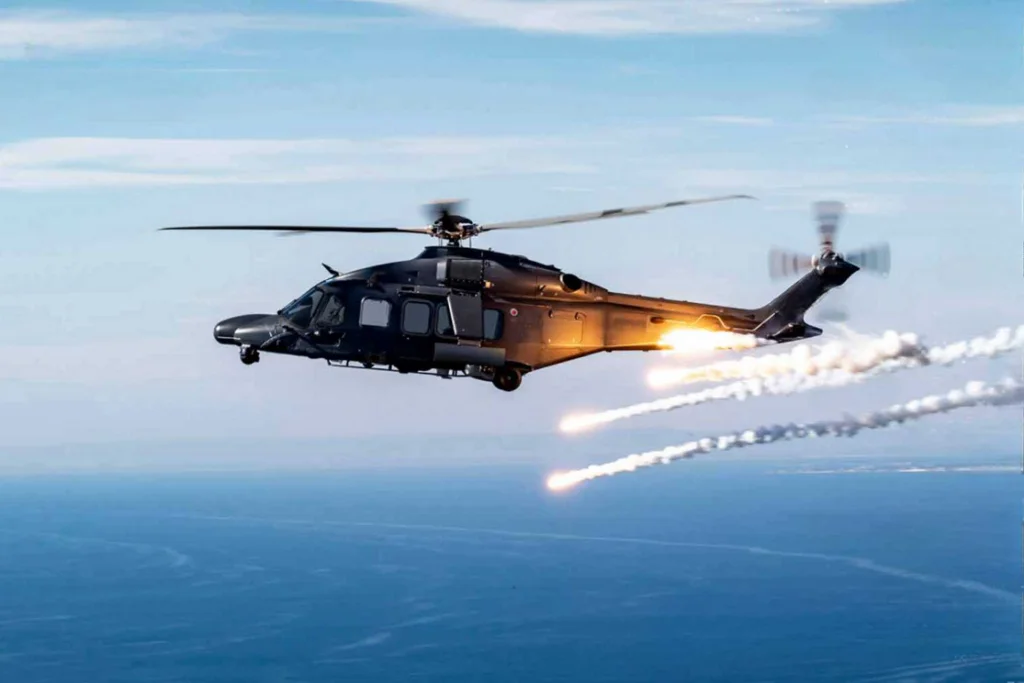
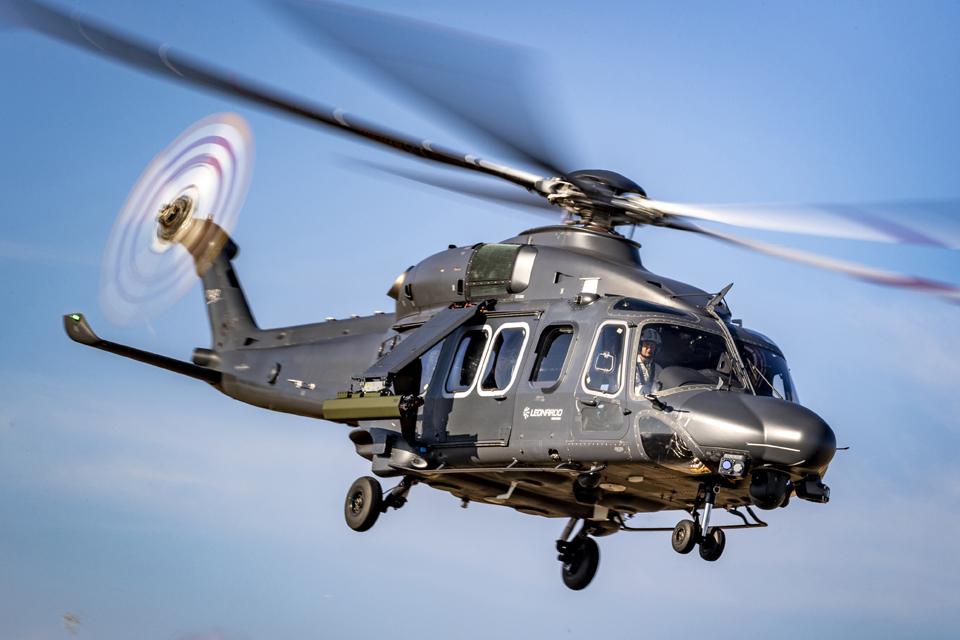
GE Aerospace will power the United Kingdom’s future fleet of AW149 helicopters after Leonardo selected the CT7-2E1 engine for all 23 aircraft being acquired under the Ministry of Defence’s £1 billion ($1.35 billion) New Medium Helicopter (NMH) programme.
The agreement completes another major milestone in one of Britain’s most significant rotorcraft procurements in recent years, while reinforcing the UK’s industrial base through domestic engine support and manufacturing.
The agreement covers engines for all 23 helicopters as well as spare engines, spare parts, long-term support and other services.
The CT7-2E1 will power the AW149 fleet that will replace several ageing helicopter types across the British Armed Forces, providing a common medium-lift platform capable of undertaking a broad range of military missions.
The engine selection follows the Ministry of Defence’s decision earlier this year to award Leonardo the NMH contract after a procurement process that stretched over several years.
GE engine deal expands UK workshare
Beyond supplying engines, GE Aerospace will support Leonardo through a broad UK industrial programme linked to the NMH contract.
Maintenance, repair and overhaul work for the CT7-2E1 engines will be undertaken at StandardAero’s Gosport facility, while Barnes Aerospace’s Newton Abbot site will manufacture engine components for both the UK fleet and future export programmes.
GE Aerospace also plans to involve its facilities in Cheltenham, Cardiff, Prestwick and Gloucester in engineering support, skills development and apprenticeship initiatives.
The arrangement complements the wider industrial strategy behind the NMH programme, which positions Yeovil as Leonardo’s global centre for military helicopter production and future exports while preserving the UK’s sovereign helicopter manufacturing capability.
The government has said the programme secures around 3,300 jobs in Yeovil and supports approximately 12,000 jobs across the wider UK supply chain.
“The CT7 engine’s track record as a highly reliable, workhorse powerplant is indisputable,” said Breanne Escalante, general manager of Rotorcraft & Turboprop Engines at GE Aerospace.
CT7 brings proven performance and fleet commonality
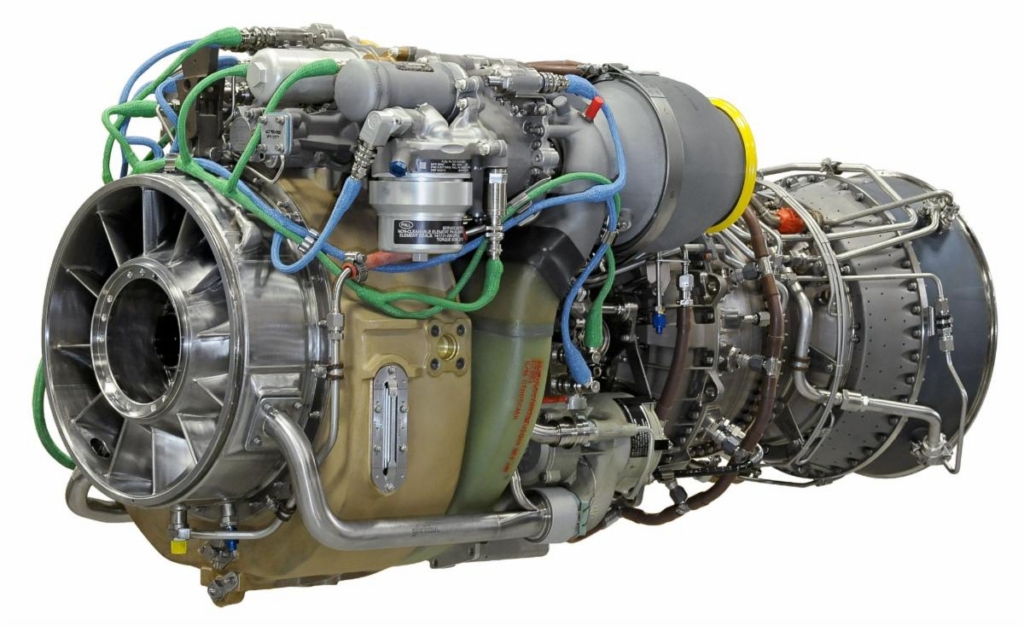
The CT7-2E1 is already the standard powerplant for most operators of the AW149 and the civil AW189 helicopter.
More than 300 engines have been delivered worldwide, accumulating over 500,000 flight hours across a wide range of operating environments.
The engine forms part of GE Aerospace’s wider T700/CT7 family, one of the most widely used military helicopter engine families in service, with more than 25,000 engines delivered and over 130 million flight hours accumulated.
One of the engine’s distinguishing features is its modular design. Individual modules can be removed and replaced in the field without returning the entire engine to a depot, reducing maintenance downtime and improving aircraft availability.
The CT7-2E1 also offers lower fuel consumption and reduced maintenance requirements compared with other engines in its power class, according to GE Aerospace.
For the UK Ministry of Defence, the selection also provides fleet commonality with T700-series engines already operated by the British Armed Forces, simplifying logistics, maintenance and training while benefiting from an established global support network.
NMH contract ends years of procurement uncertainty
The engine announcement represents the latest stage in a procurement programme that has taken several years to reach contract award.
The NMH programme was launched to replace the Royal Air Force’s Puma HC2 fleet together with Bell 212, Bell 412 and AS365 Dauphin helicopters operated across the British Armed Forces.
Originally announced in 2021, the competition attracted bids from Airbus, Bell, Boeing, Leonardo, Lockheed Martin and AceHawk Aerospace before narrowing to Airbus Helicopters UK, Leonardo Helicopters UK and Lockheed Martin UK in early 2024.
The competition changed significantly later that year after Airbus and Lockheed Martin withdrew, citing concerns over programme affordability and the reduced fleet size, leaving Leonardo as the sole remaining bidder.
The subsequent delay in announcing a winner prompted growing concern within Parliament and industry over the future of Yeovil, the UK’s last remaining end-to-end military helicopter manufacturing facility.
Members of Parliament repeatedly warned that prolonged uncertainty risked both sovereign industrial capability and thousands of highly skilled jobs.
The Ministry of Defence eventually awarded Leonardo the contract in March 2026, confirming that all 23 AW149 helicopters will be assembled at Yeovil.
The agreement also included continued investment in Leonardo’s Proteus autonomous rotorcraft programme and expanded UK workshare for future export opportunities.
Government estimates suggest international sales could generate up to £15 billion ($20 billion) in exports over the next decade if additional AW149 orders are secured.
AW149 prepares to replace Britain’s ageing helicopter fleets
The AW149 has been selected to undertake multiple roles using a single aircraft type, replacing several legacy helicopter fleets with a common platform capable of troop transport, logistics, search and rescue support, humanitarian assistance and other operational tasks.
As GE Aerospace secures a long-term role in supporting one of the UK’s most important helicopter modernisation programmes, the Ministry of Defence completes another critical element of the NMH programme.
Sign up for our newsletter and get our latest content in your inbox.
Similar Reads

Sign up for our newsletter. Select all sectors relevant to you.
Related