Aerospace Bristol launches major restoration of Europe’s last Bristol Type 170 Freighter


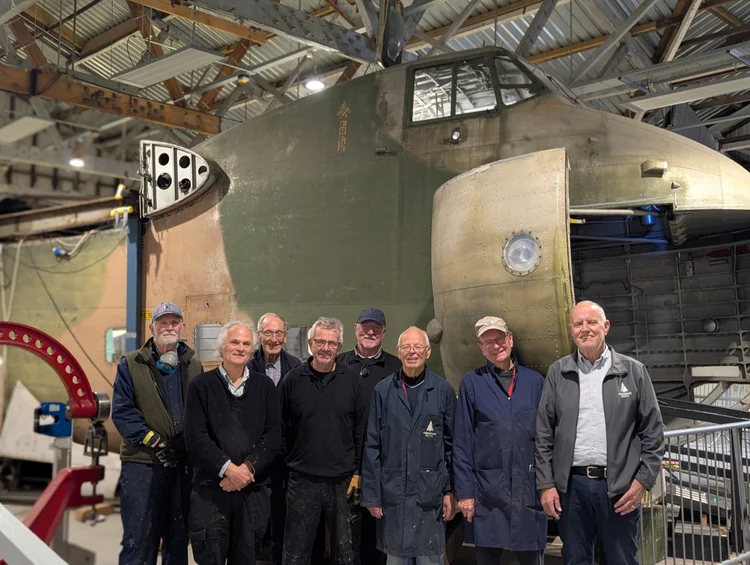
Aerospace Bristol has embarked on its most ambitious restoration project to date, announcing on 21 May this year the full conservation and restoration of Bristol 170 Freighter NZ5911 at its Filton museum near Bristol.
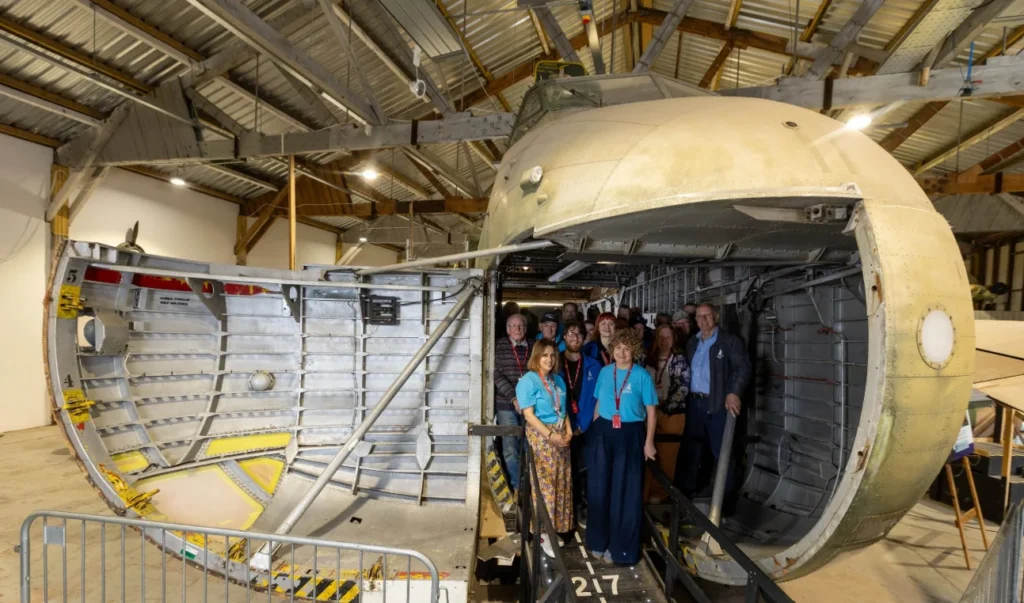
The aircraft, the last surviving Bristol Type 170 anywhere in Europe, will be restored to full display condition over the coming years by a dedicated team of volunteers. Once completed, it will become the centrepiece of a new outdoor exhibition, allowing visitors unprecedented access via viewing platforms and entry points to the cockpit.
Built in 1953 as a Freighter Mk.31M, NZ5911 entered service with No. 41 Squadron of the Royal New Zealand Air Force (RNZAF) in April 1954. During its military career, it operated extensively throughout New Zealand, the Pacific and Southeast Asia, undertaking transport and support missions, including service during the Vietnam War. The aircraft remained in RNZAF service until its retirement in 1977.
The following year, the Freighter was purchased by Dwen Airmotive and registered ZK-EPG. On 31 August 1978, it was ferried from Whenuapai Airfield to Ardmore Airport, south of Auckland, in what proved to be its final flight before entering long-term storage.
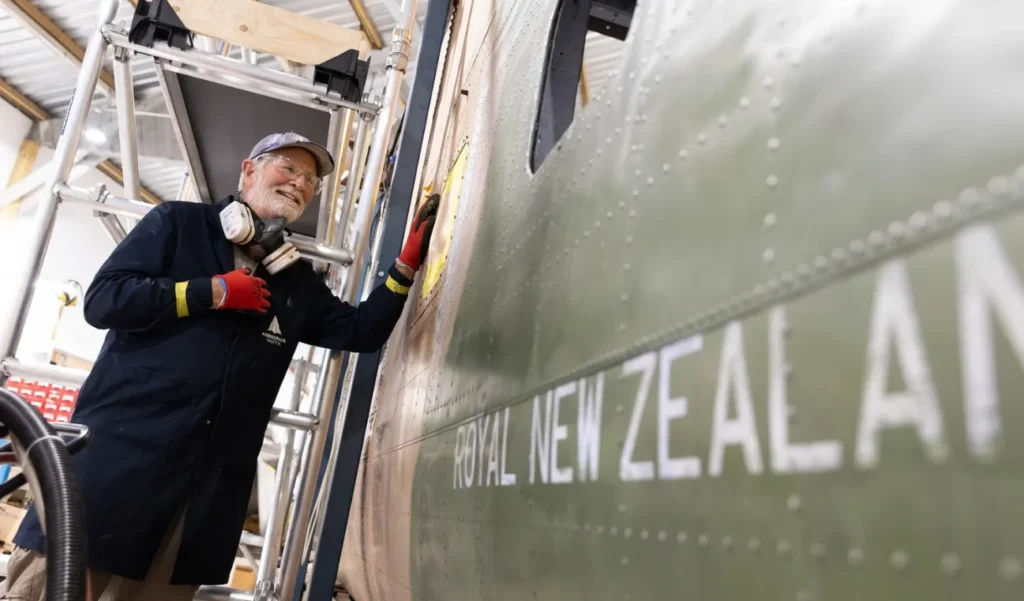
After decades in New Zealand, the aircraft was recovered by Aerospace Bristol in 2018 and transported back to its birthplace in Bristol in sections. Since then, it has awaited its place in the museum’s restoration programme.
The project will be undertaken by a team of up to 50 highly skilled volunteers, many of them former aerospace engineers and ex-employees of the Bristol Aeroplane Company. Collectively, they are expected to contribute more than 10,000 hours to returning the aircraft to display condition.
Because the Bristol Freighter is too large to fit inside the museum once its wings have been reattached, the aircraft will be carefully moved from its current indoor location and reassembled outdoors. The final stages of the project will include extensive corrosion treatment, weatherproofing and the implementation of a long-term conservation plan designed to preserve the aircraft for future generations.
The return of NZ5911 to Bristol in January 2018 was itself a major undertaking. The dismantled aircraft was shipped from Ardmore Airport with support from several organisations, including the Association for Industrial Archaeology, while the restoration is being led by Aerospace Bristol’s volunteer team.
Renovating a classic aircraft for future generations
Kate Rambridge, Interpretation Lead at Aerospace Bristol, described the project as “a once-in-a-generation opportunity to conserve and share the story of an extraordinary aircraft.”
“The Bristol Freighter connects Bristol’s world-leading aviation heritage with global histories of innovation, conflict and travel,” she said. “This project enables us not just to conserve this aircraft but to bring those stories to life for new generations.”
Sally Cordwell, Chief Executive of Aerospace Bristol, said the restoration reflects the museum’s wider mission.
“This project represents everything Aerospace Bristol stands for. It’s about preserving our history, celebrating the contribution and stories of the people behind Bristol’s aviation legacy, and inspiring future generations.”
When complete, the restored Bristol Freighter will stand as a fitting tribute to one of Britain’s most distinctive post-war transport aircraft and ensure that Europe’s sole surviving example continues to tell its remarkable story for decades to come.
Sign up for our newsletter and get our latest content in your inbox.
Similar Reads



Sign up for our newsletter. Select all sectors relevant to you.
Related