

Beyond the hype: Where do air taxis really fit in urban transport?


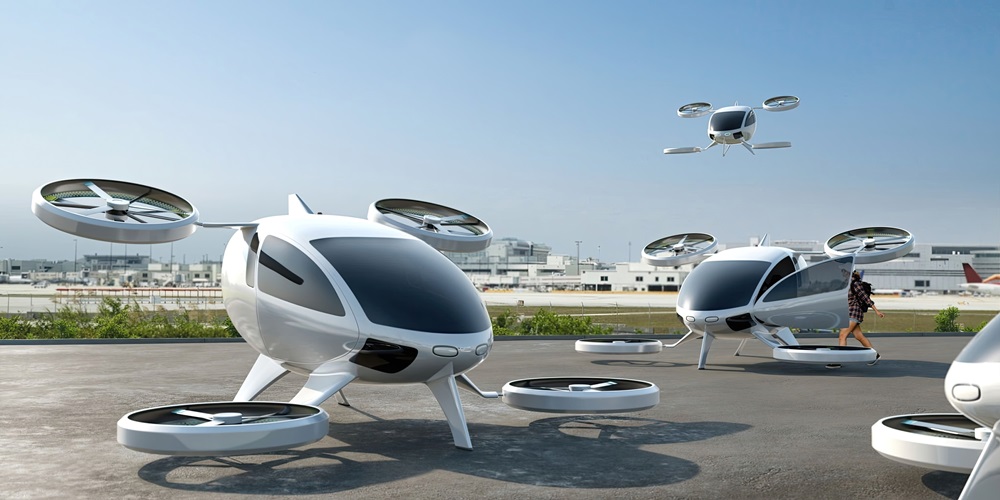
Virgin Atlantic and Joby Aviation are targeting the end of the decade to launch electric air taxi services in the UK, while Bristol-based Vertical Aerospace is in discussions with the government over plans that could see eVTOL manufacturing expand in Britain.
However, despite growing momentum, experts believe air taxis are unlikely to become part of everyday commuter transport any time soon.
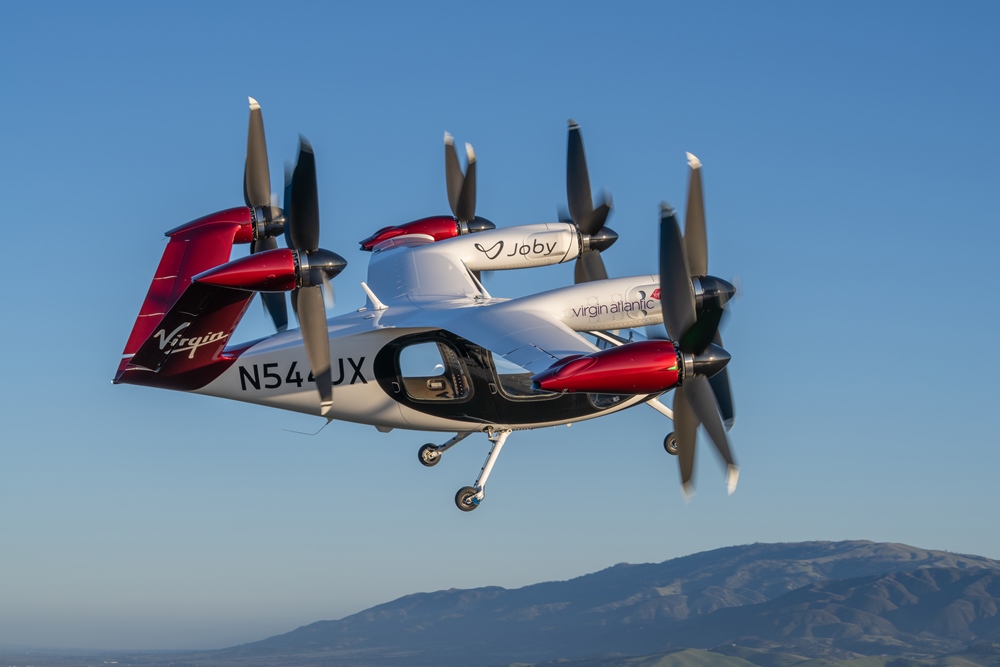
Air taxi services unlikely to become part of everyday urban transport
Dr Safaa Sindi, Assistant Professor of Supply Chain Operations at Coventry University’s Research Centre for Future Transport and Cities, said electric vertical take-off and landing (eVTOL) aircraft are more likely to serve specialist public services than replace cars or trains.
“It is highly unlikely that eVTOLs will become a practical part of everyday urban transport for the general public by 2035,” she said. “Instead, they are destined for a crucial, but niche, role supporting public services and high-value logistics.”
Economics remains one of the biggest barriers. According to Sindi, operating costs will keep fares well above those of conventional transport, making services more comparable to executive helicopter flights than daily commuting. Infrastructure also presents a major challenge, with cities requiring extensive networks of vertiports, charging facilities, and integrated airspace management to support large-scale operations.
Near-term business case for eVTOLs is in public support services
Rather than focusing on passenger transport, Sindi believes the strongest near-term business case lies in medical logistics.
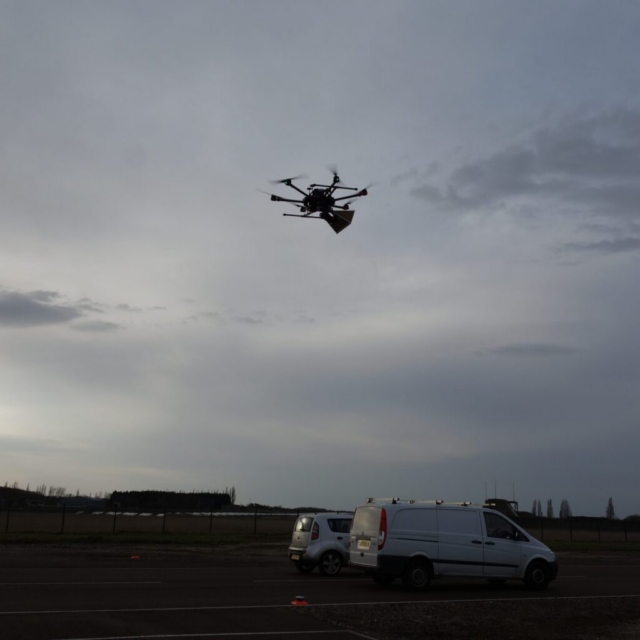
Projects such as the UK’s Urban Ascent Medical Air Bridge, on which Coventry University collaborated, have already demonstrated the potential to transport blood, pathology samples, and donor organs between hospitals, where the value of the cargo justifies the cost of flight.
Other promising applications include inspecting railways, bridges, and power infrastructure, as well as supporting emergency response by rapidly deploying specialist equipment or medical personnel. In these cases, eVTOLs complement existing transport networks rather than replace them.
Public acceptance will also be critical. Although quieter than helicopters, eVTOLs would introduce persistent low-altitude rotor noise over urban areas. Sindi said routing aircraft along existing motorway and rail corridors could help reduce the impact, but concerns around visual intrusion, privacy, and social equity remain.
“If eVTOLs primarily serve wealthy passengers while everyone else experiences the noise and visual impact, public support will be difficult to secure,” she said. Demonstrating wider community benefits, such as faster healthcare logistics and industrial investment, will be essential.
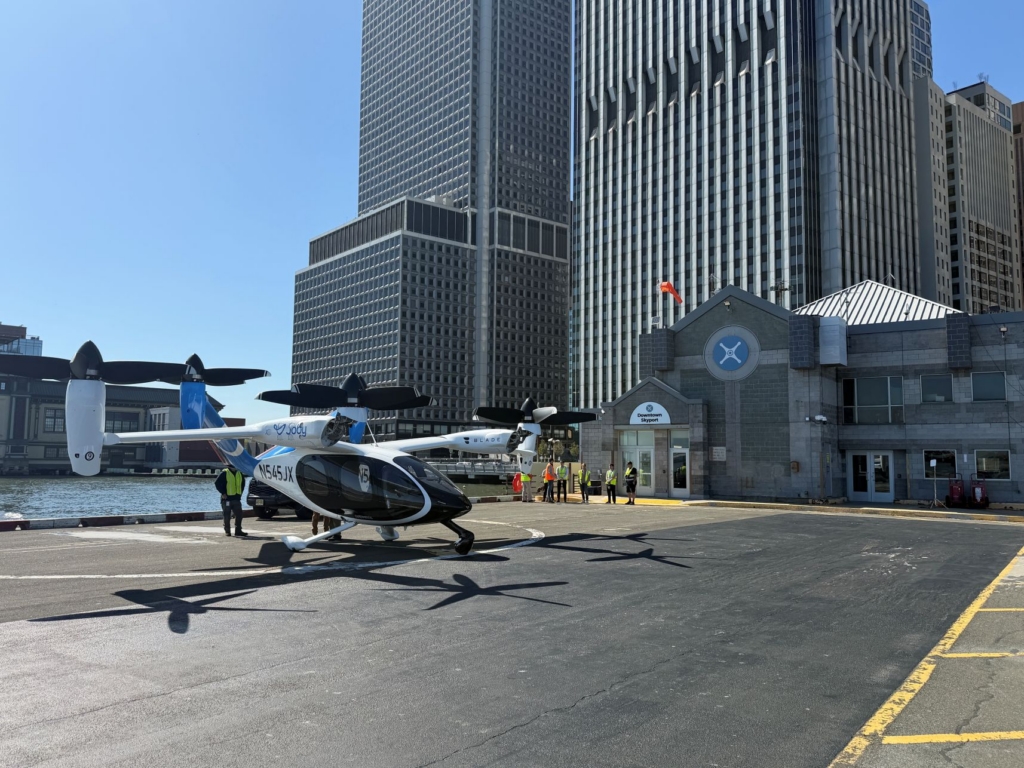
eVTOL certification remains the primary hurdle
Certification also remains a significant hurdle. Aircraft must satisfy safety requirements set by the UK’s Civil Aviation Authority (CAA) and the European Union Aviation Safety Agency (EASA) before commercial services can begin. Beyond certification, operators must overcome challenges around airspace integration, energy supply, grid capacity, all-weather operations, and vertiport development.
Despite those obstacles, Sindi believes the UK is well-positioned to play a leading role in advanced air mobility. Partnerships such as Joby Aviation and Virgin Atlantic, alongside the UK’s aerospace manufacturing base, regulatory expertise, and research capability, provide strong foundations for future growth.
Coventry University has been supporting the Urban Ascent programme with independent analysis of infrastructure planning, operational modelling, and supply chain logistics, helping identify where advanced air mobility can deliver genuine public value rather than simply offering a new mode of premium transport.
Sign up for our newsletter and get our latest content in your inbox.
Similar Reads


Sign up for our newsletter. Select all sectors relevant to you.
Related