

Gatwick faces two-day fuel shortage as airlines contend with higher costs


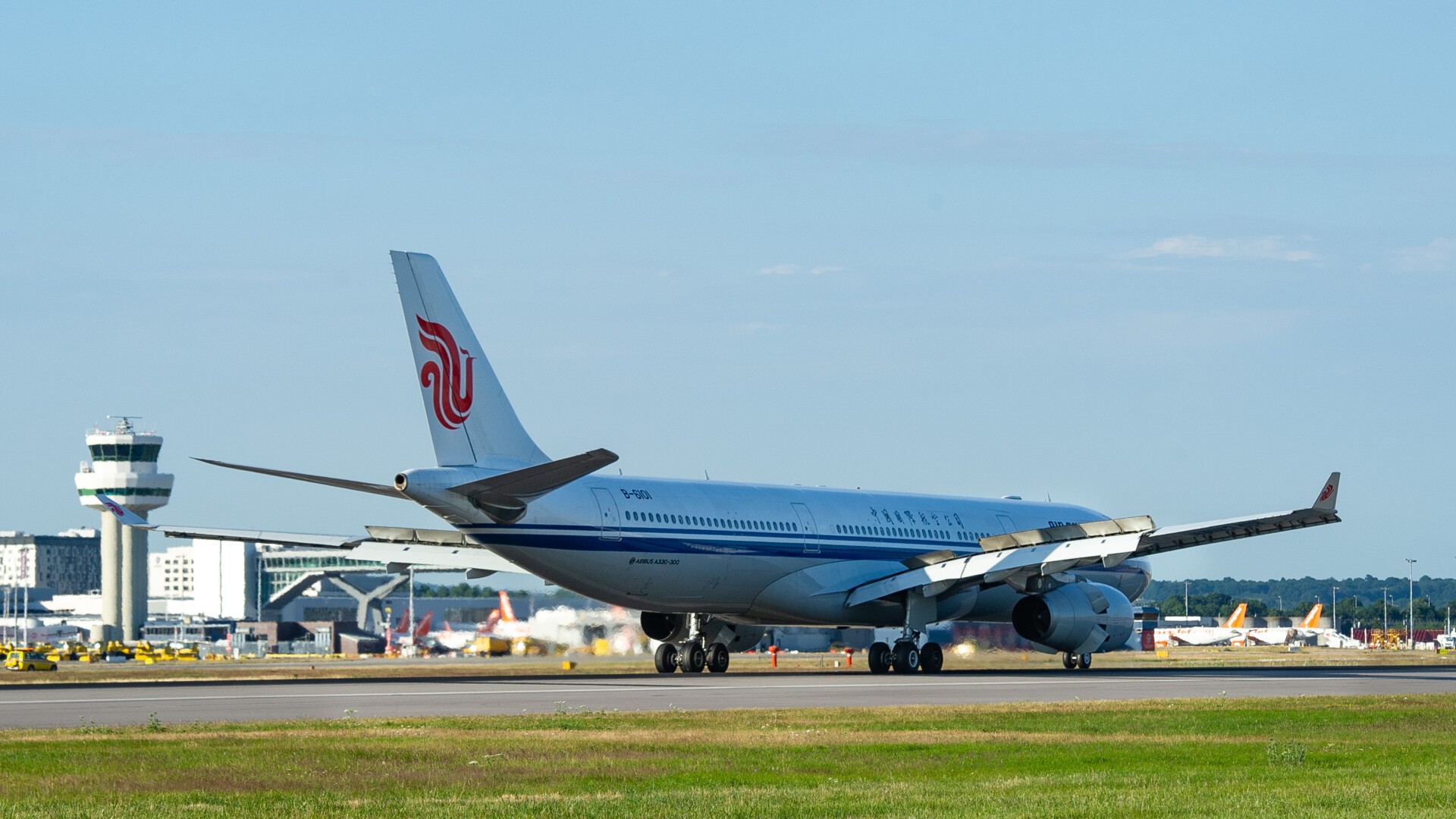
London Gatwick Airport has warned airlines of a temporary jet fuel shortage that could disrupt some flights during the busy summer travel period.
The airport has reportedly advised airlines to load as much fuel as possible at their departure airports before flying to Gatwick, following a technical issue affecting one of its fuel storage facilities. The initial warning, issued on Sunday, 2 August, applies for two days, giving engineers time to resolve the issue.
Gatwick’s fuel shortage comes as airlines face rising fuel prices due to supply disruptions stemming from the blockade of the Straight of Hormuz during the Iran conflict.
Gatwick issues memos notifying crews and airlines of shortages
As first reported by The Sun, Gatwick issued a memo instructing flight crews to “uplift max possible fuel at outstations” before operating flights into Gatwick. Another memo warned of a “potential disruption to the Gatwick fuel supply.”
The current disruption is understood to stem from a technical fault at one of Gatwick’s fuel farms rather than a lack of jet fuel reaching the UK.
The Sun quotes a spokesperson for Gatwick as saying, “Following a technical issue impacting fuel supply to the airport, airlines have been advised to monitor fuel availability. We are working closely with external suppliers to resolve the issue as quickly as possible and minimise any potential disruption. All airlines are operating as normal.”
The Gatwick fuel supply issue comes amid broader jet fuel supply concerns throughout Europe earlier this year following disruptions to fuel shipments through the Strait of Hormuz.
Long-haul flights particularly affected
The fuel shortage is expected to affect all airlines operating at the airport until the technical fault is resolved. Aircraft arriving from long-haul destinations may face the biggest challenge as they may not be able to carry enough additional fuel due to weight restrictions.
“Pilots will try and take on as much fuel as they can from their foreign destinations to bring back to the UK. But they will be limited by factors such as the maximum take-off weight and the maximum landing weight back at Gatwick,” an airline spokesperson told The Sun. “Most flights beyond 2.5 hours will still need extra fuel in Gatwick.”
Flights are reported to be operating normally at the airport, but airlines may need to make operational adjustments, including tanker fuel strategies, additional refuelling stops or schedule changes if the shortage persists.
Airlines contend with higher fuel prices and limited supply
Since the start of the conflict in Iran earlier this year, airlines have had to adapt to uncertainty in jet fuel supply and a sudden spike in fuel prices.
The International Air Transport Association (IATA) has forecast that jet fuel costs will increase by nearly 40% to $350 billion this year. Fuel accounts for around 30% of total airline operating expenses.
Industry analyst John Strickland has warned that airlines may reduce flight frequencies in their winter schedules this year due to higher fuel prices, which could also force carriers to cut routes with soft demand from their networks.
“No matter how much airlines reduced prices to stimulate demand, they still wouldn’t be covering the cost of the higher price of fuel. And I think we’ll see more planes on the ground as a result,” Strickland said during a World Aviation Festival webinar on 16 July.
“I think what we’ll see this winter is a higher level of cancellations,” Strickland added. “I don’t see airlines suddenly cutting prices left, right, and centre in order to stimulate demand.”
Sign up for our newsletter and get our latest content in your inbox.
Similar Reads