Who pays for Heathrow’s third runway before it is built?


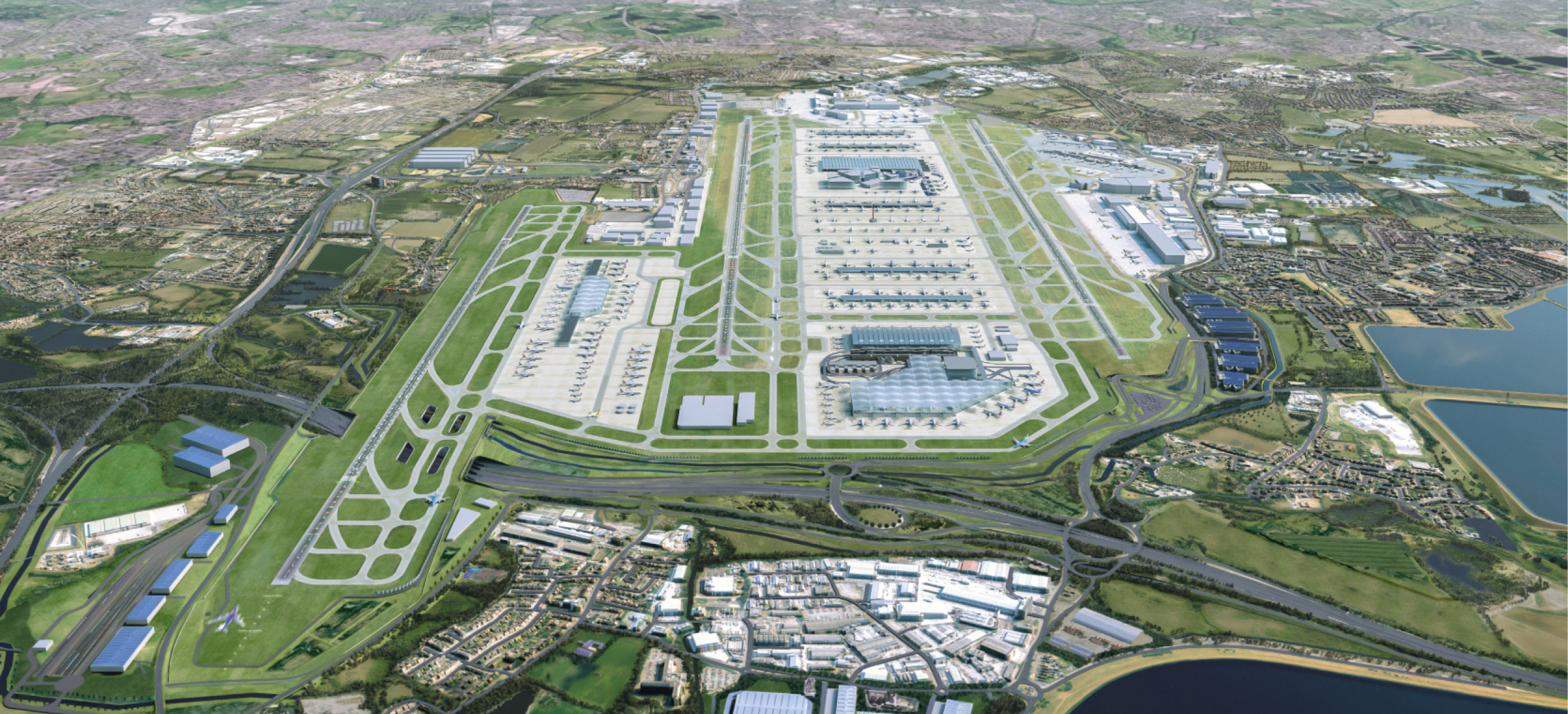
Heathrow’s third runway has not received planning permission and construction has not started. But airlines — and potentially their passengers — are already being asked to help pay for the work needed to get it that far.
The UK Civil Aviation Authority (CAA) has confirmed that Heathrow Airport Limited can recover up to £320 million of efficiently incurred expansion costs from 2025 and 2026 through the charges it levies on airlines.
That means some of the financial risk involved in developing the runway proposal is being transferred from Heathrow and its shareholders to the airlines currently using the airport.
For passengers, the sums involved at this stage are relatively small. The CAA estimates the decision will add around 15p to Heathrow’s maximum airport charge per passenger in 2028, potentially rising to about 30p in later years. The costs could be recovered over 20 to 25 years.
But airlines are concerned about the principle involved — particularly as Heathrow moves towards the much more expensive stages of developing its expansion plans.
What Heathrow will spend £320 million on long before it pays for a third runway
The £320 million will not pay for runway construction. It covers the work required to turn the expansion concept into a detailed project that can be submitted to the UK’s planning system.
The CAA describes these as “early costs”. They include planning and design work, as well as preparation for a future Development Consent Order (DCO) application. Earlier CAA guidance identified environmental assessments, legal advice, architectural design, land surveys and public consultation as examples of the work that can fall into this category.
In other words, Heathrow has to spend substantial sums before it can obtain permission to start building the third runway.
The CAA has imposed a £320 million cap, in 2024 prices, on the costs Heathrow can recover from 2025 and 2026. It has also commissioned independent scrutiny from consultancy Steer and requires costs to be efficient rather than simply accepting whatever Heathrow spends.
The regulator has stressed that allowing these costs to be recovered does not amount to an endorsement of the expansion itself. It argues that refusing recovery could delay the development process and, in turn, delay any future benefits from additional Heathrow capacity.
Airlines express concern over shared risk
The disagreement between Heathrow and the airlines that operate there comes down to who should carry the risk while Heathrow’s third runway remains uncertain.
Under Heathrow’s regulated model, approved investment can ultimately be reflected in the airport charges airlines pay. Heathrow therefore has greater certainty that money spent developing expansion can eventually be recovered.
Airlines argue that this can weaken the incentive for the airport and its investors to keep early spending under tight control.
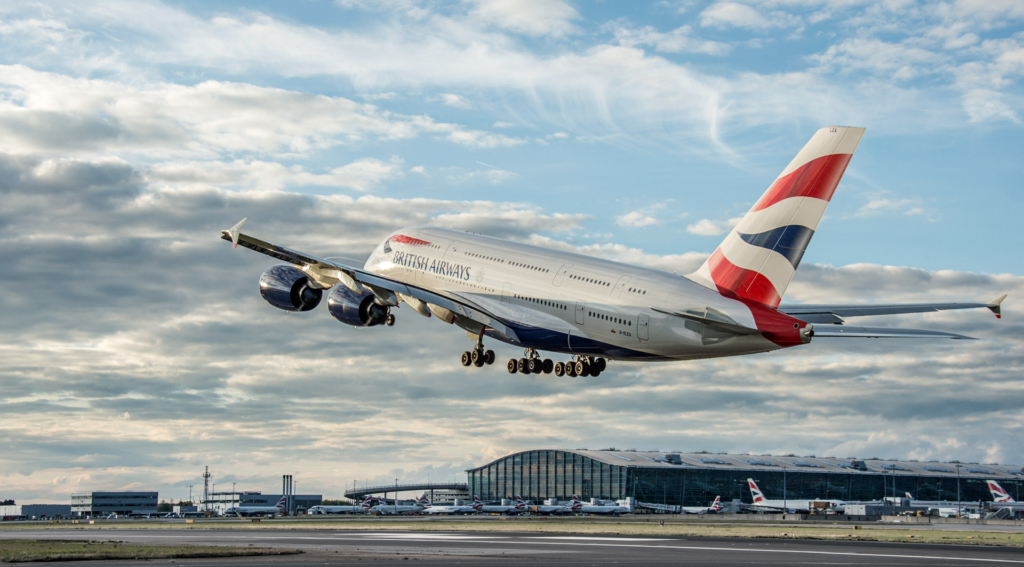
British Airways and other carriers have also questioned whether passengers should be paying today for infrastructure they may not use for years — and which could ultimately never be built.
In comments to the CAA during the process, BA warned that allowing Heathrow to recover early expansion costs risked making the project unaffordable for consumers and undermining its benefits case.
There is another practical concern. Airlines generally pass airport charges into the economics of their fares. That does not mean a 15p increase in Heathrow charges automatically results in a 15p increase on every ticket. Fares are set according to demand, competition and many other costs.
But ultimately, airline customers provide much of the revenue that airports charge for.
What happens to the money if the runway is never built?
The CAA’s consumer protection controls the amount that can be recovered and ensures that expenditure is efficient. It does not guarantee that passengers will only pay if a runway is completed.
The £320 million covers work that Heathrow must undertake before the government decides whether to grant the project a Development Consent Order. The CAA’s framework specifically describes early costs as expenditure incurred before that decision.
Once the CAA has determined that those costs were efficiently incurred and allowed them to be recovered, they will not simply disappear if the runway project fails later.
This means that passengers and airlines could end up paying for planning and development work on infrastructure that is never actually constructed.
There is a precedent. The CAA has allowed Heathrow West, the rival expansion proposal backed by the Arora Group, to recover £4.1 million of qualifying costs incurred before the government selected Heathrow Airport Limited’s proposal as its preferred scheme.
The £320 million in Heathrow spending the CAA has authorised is only the beginning
Heathrow’s wider expansion programme could cost tens of billions of pounds. The airport still needs to develop the project through planning before the major construction programme can begin.
That means additional expenditure could be incurred before the runway opens.
Future costs are already adding up. According to British Airways parent company, IAG, in its response to the CAA’s draft decision, Heathrow had advised the airline group that the airport would seek to secure £9 billion in financial commitments during 2026 for future spending before a Development Consent Order is granted. That figure is separate from the £320 million already approved. IAG raised concerns with the CAA that its current approach to 2025-2026 costs could establish a problematic precedent.
“It is essential that the CAA instead establishes a robust, CAA-led ex ante regulatory framework, with sufficient lead time to enable meaningful scrutiny before costs are permitted, before commitments are made and before irreversible decisions are taken,” wrote Raghbir S. Pattar, IAG’s Director, Corporate Development – London, in the letter to the CAA. “Failure to do so would risk repeating the deficiencies identified in the current Draft Decision at a materially greater scale.”
The CAA has not yet authorised Heathrow to recover the additional £9 billion from airlines and their passengers. Future expansion costs will require separate regulatory decisions. But airlines are paying close attention to the process.
For passengers, the first increase may amount to only a few pence. The regulatory decisions that follow could cost considerably more.
Sign up for our newsletter and get our latest content in your inbox.
Similar Reads