

British Army delivers blood by drone

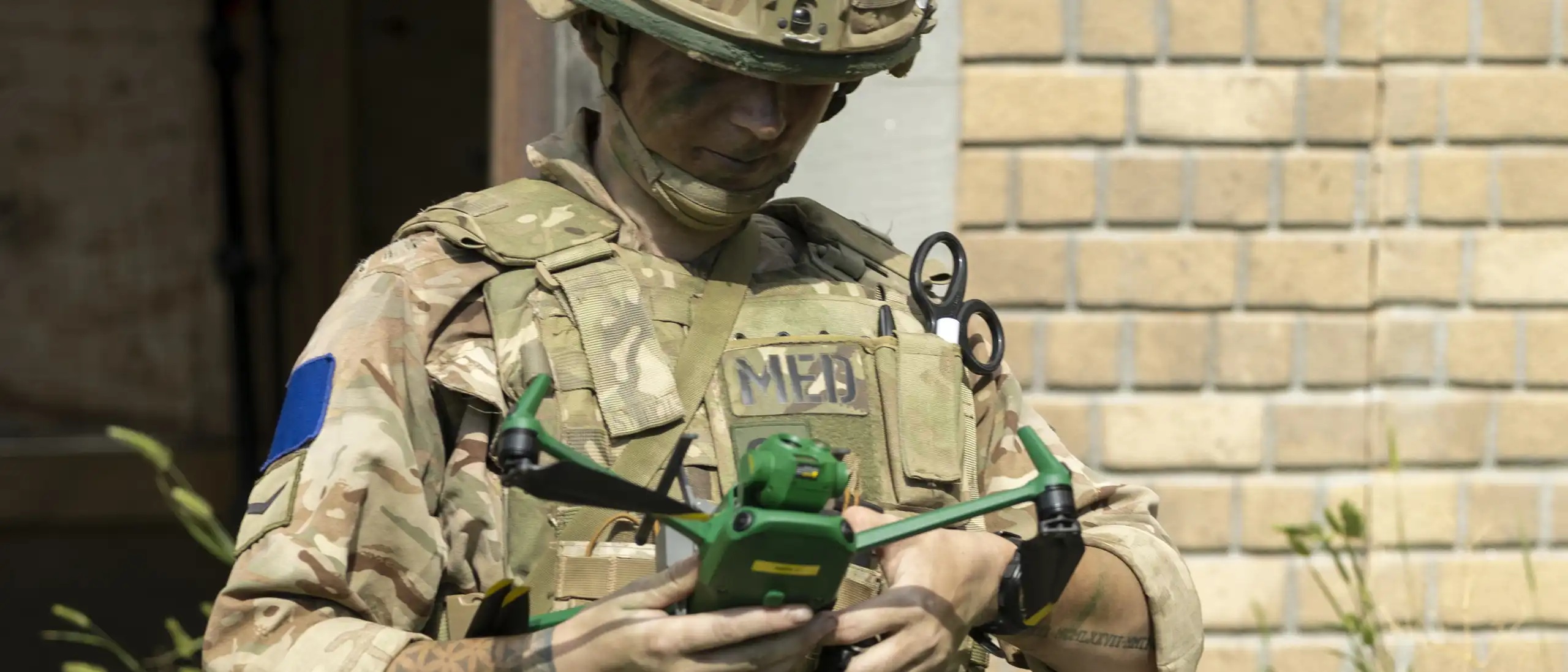
Medics from the British Army‘s 2nd Battalion The Parachute Regiment (2 PARA) are flying drones to deliver blood and video calling medical specialists thousands of miles away for advice on treating the wounded.
The medical innovations were tested on Exercise Rhino Bizz, which saw 16 Air Assault Brigade training in Canada to rehearse how they would fight and win on a battlefield dominated by drones and electronic warfare.
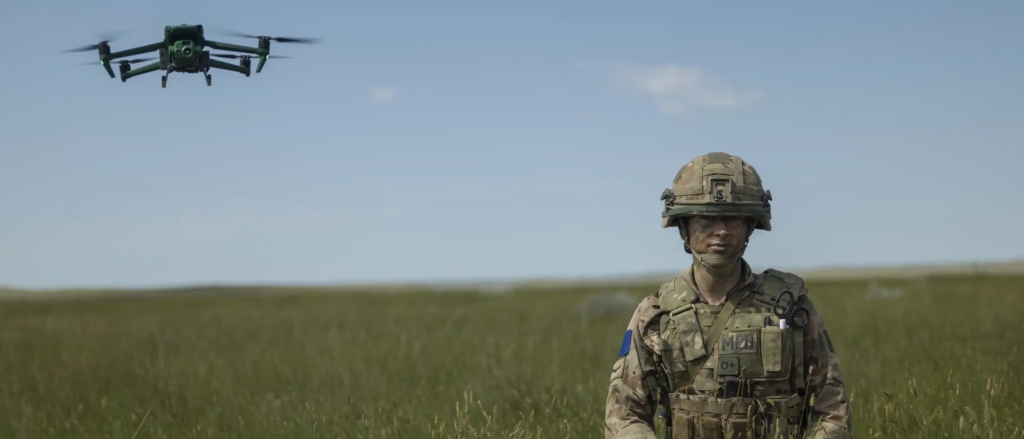
Photo: British Army / MoD
As airborne forces, 2 PARA could find themselves dropped behind enemy lines and cut off from resupply.
Sergeant Mark Gordon, 2 PARA’s medical sergeant, said: “We need to be able to operate with what we have carried into battle. Blood has always been challenging – it is a live product that is difficult to carry forward and keep usable. If a casualty is losing blood, they will die if we cannot stop the bleeding and replace what they’ve lost.”
Using drone technology to deliver blood and save lives
To solve the problem, 2 PARA has created its own blood donation network. Every paratrooper has had their blood type tested and their location on the battlefield is tracked on live digital mapping. If a casualty needs blood, a medic can take it from the nearest suitable donor, with a drone flying the blood to where it is needed.
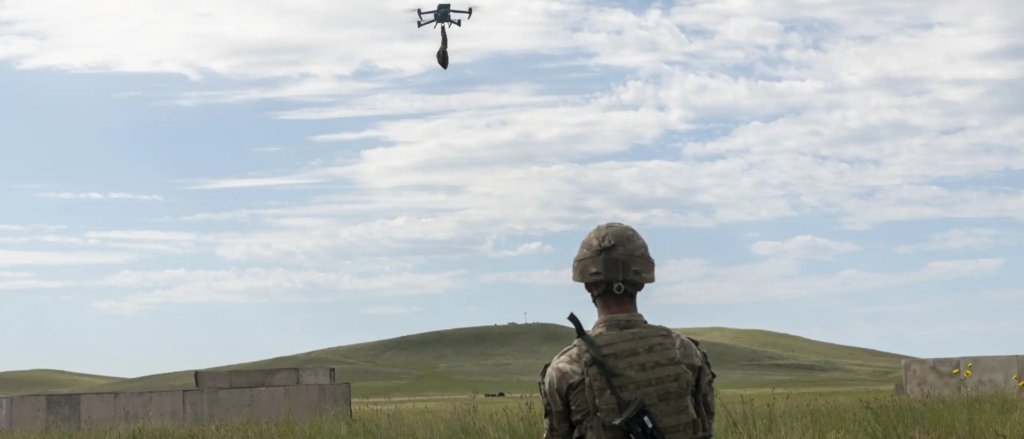
Photo: British Army / MoD
Lance Corporal Olivia Snoots is a Combat Medical Technician – providing care at the point of wounding – and a qualified drone pilot. She said: “When I signed up as a medic, I had no idea that flying drones would be part of the job. 2 PARA has a real spirit of innovation – we’re encouraged and supported to try things out that could make us more effective. For this project, I’ve done courses to work with blood and qualified as a drone pilot.
“Drones are being used to kill and wound, and I like that we are using the same technology to save lives.”
Calling on specialist medical advice for a second opinion
Recently, 2 PARA received MPU5 radios, which give troops secure voice and data links over a self-healing mesh network. The medics are using the improved communications kit to video call specialist clinicians for advice on how best to treat a complex injury.
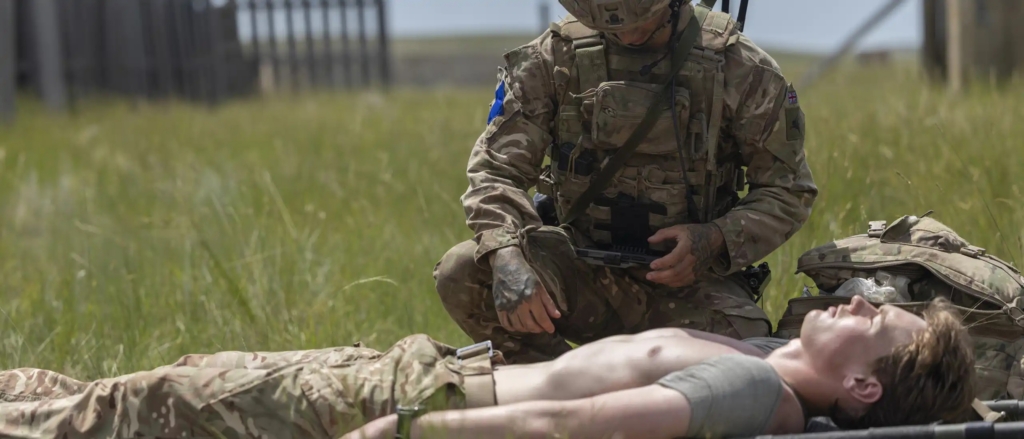
Photo: British Army / MoD
Sergeant Mark Gordon, 2 PARA, said: “A medic on the battlefield can call a consultant back in the UK and they can see the casualty’s injuries. Having that expert advice will give the casualty a better chance of surviving and gives the medic confidence, because they know they’re not on their own.”
Sign up for our newsletter and get our latest content in your inbox.
Similar Reads
Sign up for our newsletter. Select all sectors relevant to you.
Related