

BAE Systems proves complete counter-drone kill chain in Scotland trials


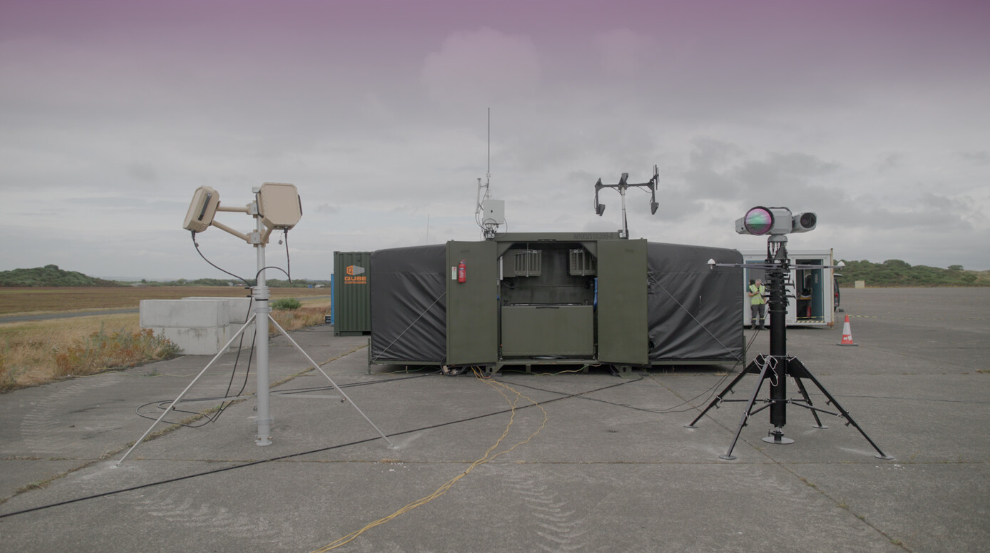
BAE Systems has completed live trials of a counter-drone system that brings detection, decision-making and the means to defeat a hostile drone under a single command-and-control network, as the UK steps up investment in protection against increasingly cheap and capable uncrewed aircraft.
The two-week trial in Scotland put the BAE Systems Anti Threat System, or BATS, through the complete sequence needed to counter a drone: detect it, identify and track the threat, decide how to respond and then direct an appropriate countermeasure.
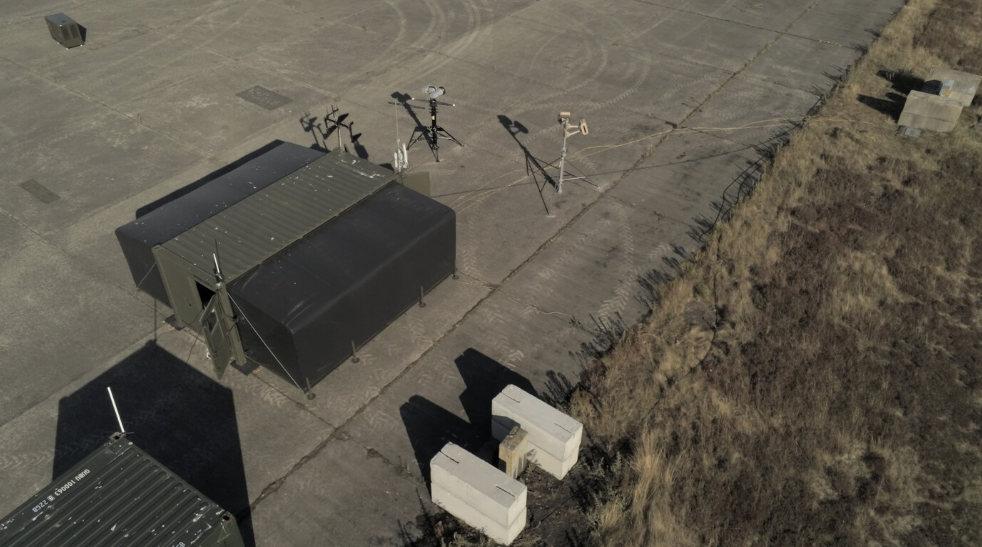
Both electronic warfare and a gun system were demonstrated, allowing BATS to show that it could coordinate non-kinetic and kinetic responses through the same command-and-control architecture. BAE Systems said the trials validated the system’s complete “sense, decide, effect” chain against uncrewed aerial threats.
The trials take BATS a significant step beyond the integration and deployment testing completed earlier this year. In July, BAE Systems said the system had progressed from its initial concept to field testing in eight months, including work with MSI-Defence Systems at a secure site in Norfolk. The company said at the time that live trials using kinetic and non-kinetic countermeasures would follow. The latest work has now brought those elements together.
Finding a drone is only the beginning
Countering a drone presents a different problem from simply detecting one.
A defender first has to find what can be a very small target, establish whether it poses a threat and track it among other activity. Operators then need to decide how to deal with it. Depending on the circumstances, that could mean disrupting the drone electronically or physically destroying it.
BATS is intended to manage those steps through one system.
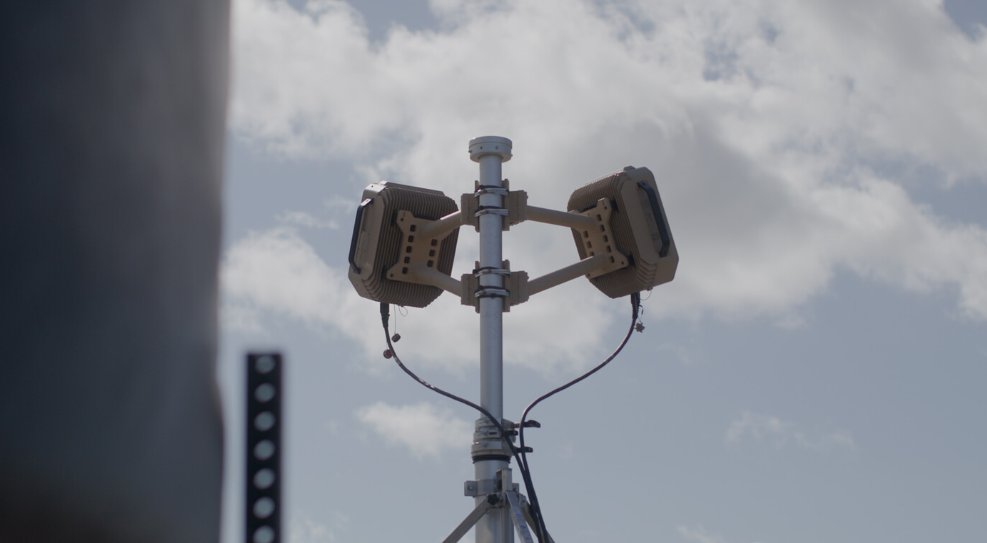
Rather than being a single radar, jammer or weapon, it is built around software that connects sensors, intelligence, command and control, decision support and different countermeasures.
BAE Systems says its modular architecture means customers do not necessarily have to replace equipment they already own. BATS is designed to work with existing and future sensors and effectors from BAE Systems as well as third-party suppliers.
That also allows the response to be matched to the threat. A drone that can be stopped electronically does not necessarily require a missile or gun round, while a system resistant to jamming may demand a physical response.
BAE Systems has previously described BATS as capable of combining radar, electro-optical and infrared sensors, acoustic detection and passive radio-frequency sensors. Its architecture can then connect those sources with both kinetic and non-kinetic means of defeating a target. Human operators remain involved in deciding how a threat should be handled.
Three scenarios put BATS through its paces
The Scottish trials were divided into three scenarios, beginning with the basic problem of understanding what is in the air.
In the first, BATS combined information from several sensors to create a common operational picture. Operators had to detect, identify and track aerial objects while separating potential threats from harmless activity.
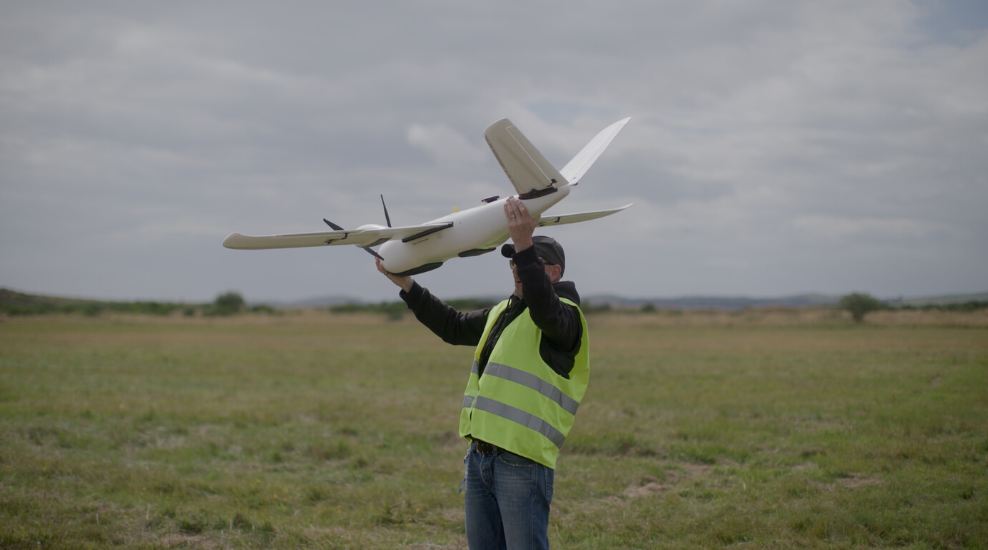
The second concentrated on electronic warfare. Software-defined radio and electronic warfare technology were connected to BATS, allowing operators to apply non-kinetic effects against targets they had confirmed as threats.
The final scenario brought the complete chain together in a more complicated tactical setting. Operators identified different categories of drones and selected an appropriate response for each.
The trial included an integrated gun system as well as an electronic warfare kill chain.
That combination is important because the rapid development of drones is making a single countermeasure increasingly difficult to rely upon. Radio-frequency disruption may work against a drone dependent on a command link, for example, but autonomous or fibre-optic-controlled aircraft can require another means of defeat.
BAE Systems itself has said software-defined radios can be rapidly reconfigured as communications and electronic warfare conditions change, while radar and other sensors can help identify drones that are more resistant to electronic attack.
One operator, rather than a collection of separate systems
For BAE Systems, one of the objectives is to reduce the amount of information an operator has to process while an attack is developing.
“Drones are becoming increasingly capable, accessible and difficult to counter, creating new challenges for armed forces and critical infrastructure operators,” Louise Heywood, Head of Strategy at BAE Systems Digital Intelligence & Land, said.
“These trials demonstrated BATS’ ability to bring together sensing, decision-making and response options within a single system, enabling operators to identify and defeat threats more rapidly and with greater confidence.
“This is designed to reduce cognitive burden for individual operators by using a single integrated system to identify, confirm and target drones.”
That becomes particularly important when defenders are faced with several targets or different types of drone at the same time.
BAE Systems says BATS can fuse sensor information into a common threat picture, allowing an operator to assess individual targets and allocate countermeasures rather than moving between separate detection and weapon systems.
The company is also examining how the same information could be shared between different locations.
“Throughout the trial, we also explored how BATS could support future networked operations, enabling threat information to be shared securely across multiple locations,” Heywood said.
“This enables operators to build a broader understanding of the airspace, improving coordination and response across distributed sites.”
UK puts greater emphasis on counter-drone defence
The trial comes as the UK is putting drones and counter-drone systems much higher on its defence agenda.
The UK’s 2025 Strategic Defence Review called for uncrewed and autonomous systems to be introduced into the Integrated Force in large numbers over the following five years. It also said investment in attack and surveillance drones should be accompanied by investment in systems capable of defeating them, drawing heavily on lessons from Ukraine.
The government subsequently announced more than £4 billion for autonomous systems as part of a wider defence technology investment package. Counter-drone technology was among the capabilities identified as necessary to protect UK troops and other assets.
Sign up for our newsletter and get our latest content in your inbox.
Similar Reads




Sign up for our newsletter. Select all sectors relevant to you.
Related