UK nuclear submarine expansion drives demand for 65,000 skilled workers by 2030


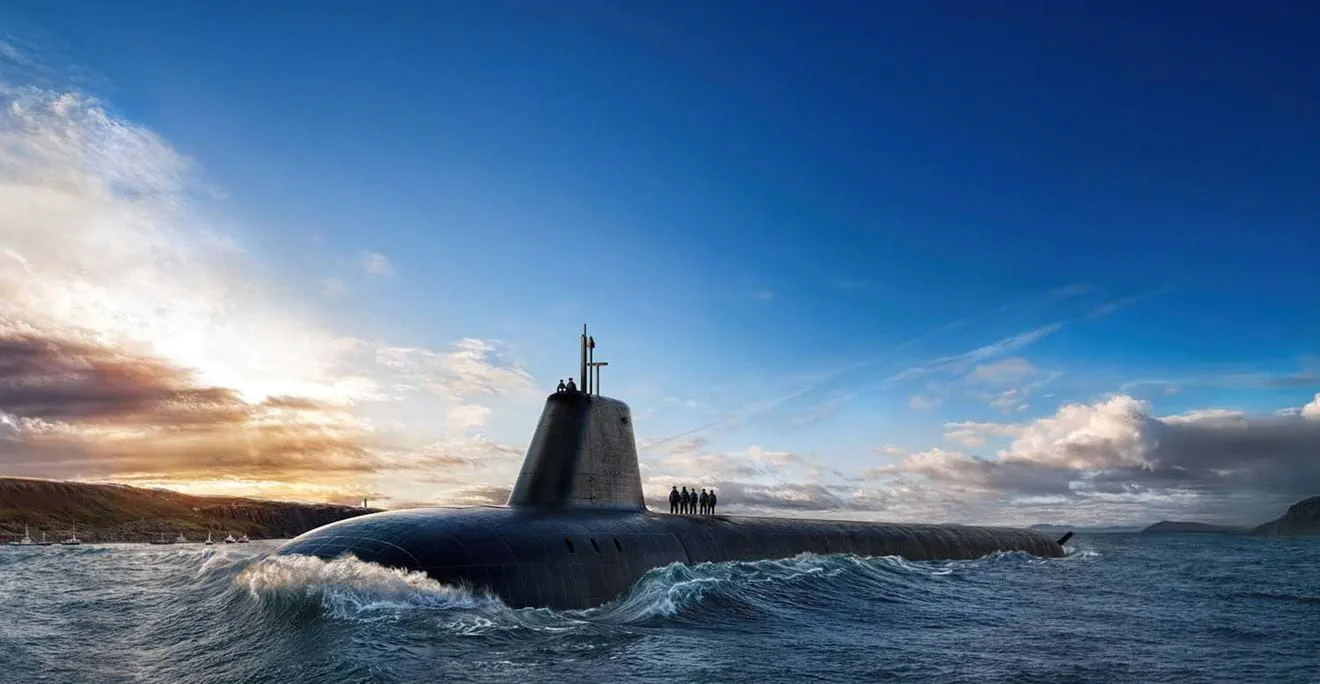
The UK’s Defence Nuclear Enterprise (DNE) expects its workforce requirement to reach around 65,000 people by 2030, as Dreadnought construction, the SSN-AUKUS programme and investment in nuclear weapons and infrastructure place growing demands on the country’s specialist skills base.
Around 47,600 jobs are supported by the enterprise today. The increase means the sector will need thousands more engineers, welders, electricians, mechanical fitters, nuclear specialists and other skilled workers before the end of the decade. The government aims to create 22,000 apprenticeships and 9,000 graduate roles over the next ten years to help meet that demand.
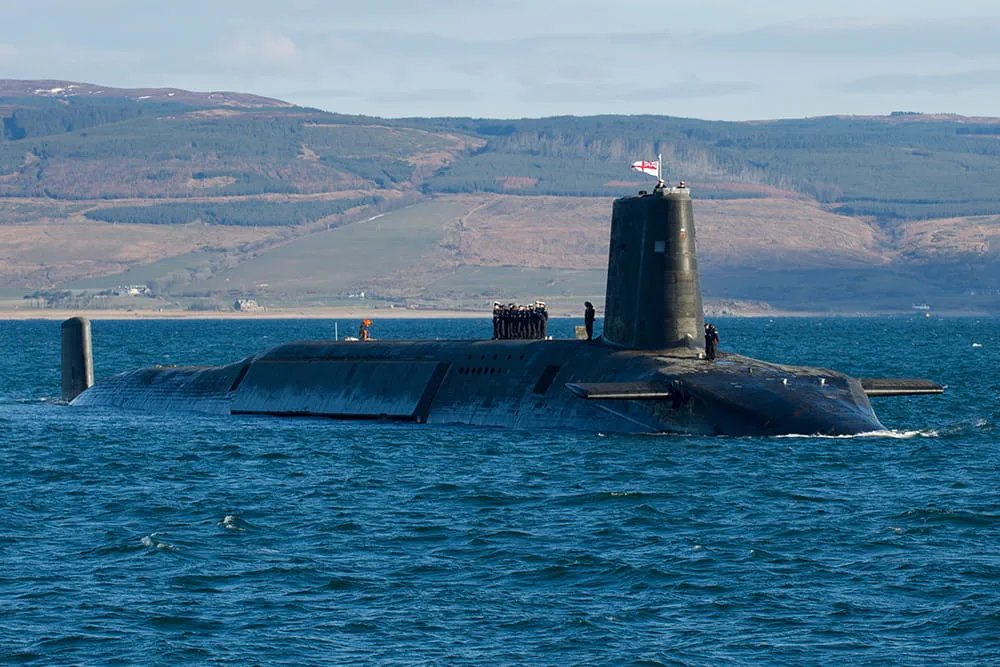
The scale of the challenge reflects the number of major nuclear programmes now running at the same time. The Royal Navy is replacing its Vanguard-class ballistic missile submarines with Dreadnought, work is gathering pace on the SSN-AUKUS attack submarine, and the UK is investing in a replacement nuclear warhead and the infrastructure needed to support the fleet.
DNE’s major industry partners – BAE Systems, Babcock International Group and Rolls-Royce Submarines – have established dedicated nuclear skills academies at their key sites in Barrow, Plymouth and Derby respectively. These provide current and future generations of its nuclear workforce with the skills and practical experience needed to sustain its largest and critical programmes.
£8.4 billion takes Dreadnought into its next major phase
The most immediate demand comes from Dreadnought.
The government has committed £8.4 billion to Delivery Phase 4, or DP4, the next major stage of the four-submarine programme. Of that, £5.9 billion will go to BAE Systems, with another £2.5 billion supporting Rolls-Royce and the wider UK supply chain.
DP4 takes the programme beyond construction of the first boat and towards operational delivery.
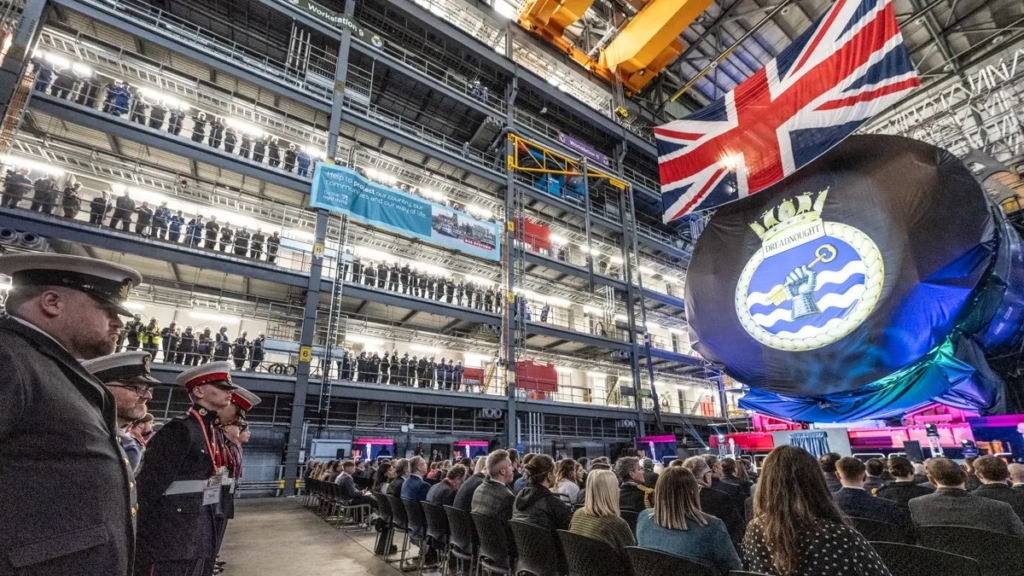
HMS Dreadnought will complete sea trials and be prepared to enter Royal Navy service in the early 2030s. The second submarine, HMS Valiant, will reach sea trials, while construction will continue on Warspite and King George VI.
The four boats will replace the Vanguard class and maintain the UK’s Continuous At Sea Deterrent, under which a Royal Navy ballistic missile submarine has remained on patrol since 1969.
At more than 150 metres long and displacing over 17,000 tonnes, the Dreadnoughts will be the largest submarines operated by the Royal Navy. Each will have a crew of around 130 and carry Trident II D5 ballistic missiles.
Barrow remains at the heart of the UK submarine industry
BAE Systems is building all four submarines at Barrow-in-Furness, where the first steel for Dreadnought was cut in 2016. The programme supports around 30,000 jobs across the UK, with more than 7,000 people working on Dreadnought at BAE Systems alone.
Barrow has expanded rapidly as production has gathered pace. BAE Systems says around £1 billion has been invested in its submarine site, while its workforce there has grown from 11,000 to approximately 16,000 over the past four years. Productivity has increased by 40% over the past three years.
But Dreadnought is far from being a Barrow-only programme.
The wider Defence Nuclear Enterprise draws on more than 6,000 companies across the UK. Nuclear reactor cores are produced by Rolls-Royce in Derby, specialist steel comes from Sheffield Forgemasters, warhead work is centred at AWE facilities in Berkshire, and Babcock maintains submarines at Devonport. Operations and support extend to the Clyde and other sites around the country.
That geographical spread is one reason the demand for specialist workers is rising well beyond the shipyard itself.
SSN-AUKUS will keep submarine construction running beyond Dreadnought
The workforce build-up is also intended to prevent the familiar boom-and-bust cycle that can leave major defence industries scrambling to rebuild skills between programmes.
Dreadnought will be followed by SSN-AUKUS, the new nuclear-powered attack submarine being developed by Australia and the UK with US support.
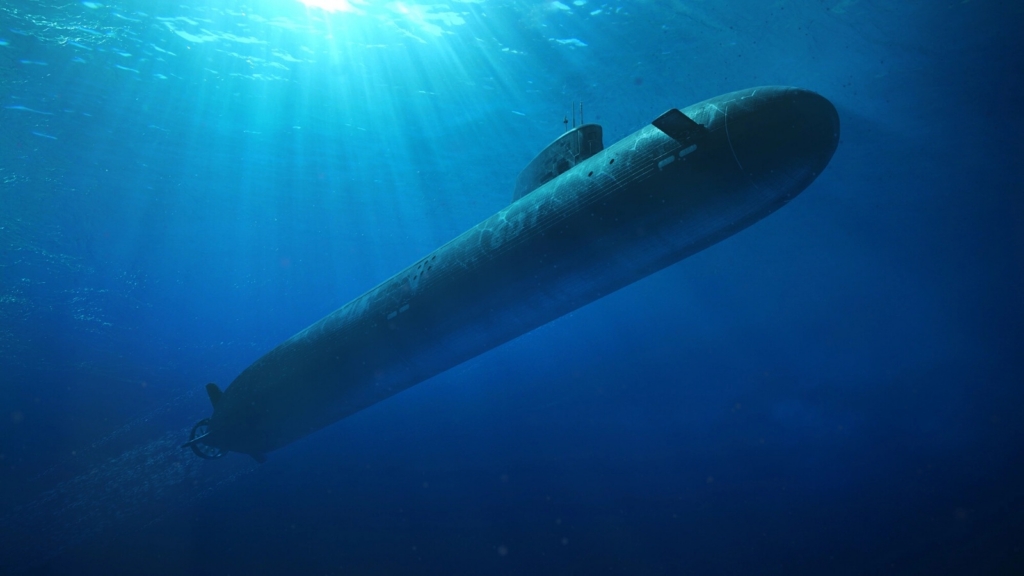
The UK boats are expected to begin entering Royal Navy service from the late 2030s. The programme is expected to support around 21,000 UK jobs, extending demand for submarine designers, nuclear engineers and production workers well beyond the current Dreadnought build.
That overlap is significant. Rather than allowing Dreadnought skills to disperse as construction winds down, the UK is attempting to carry much of the workforce and industrial capacity directly into its next submarine programme.
Nuclear investment goes beyond submarines
The pressure on skills is not coming from submarine construction alone.
The government has committed £15 billion during its current tenure to its sovereign nuclear warhead programme. That includes development of Astraea, which will replace the existing Mk4A warhead while remaining compatible with the Trident II D5 missile.
There is also investment in nuclear propulsion, infrastructure and the facilities required to maintain both the deterrent and attack-submarine fleets.
The result is a defence sector looking for many of the same highly specialised workers at the same time. The government’s challenge is therefore not simply finding another 17,000 people. Many of those recruits need years of training before they can work on nuclear submarines, reactors or warheads.
That explains the emphasis on apprentices and graduates. The intention is to build a workforce that can move from Dreadnought into SSN-AUKUS and other nuclear programmes rather than repeatedly rebuilding specialist knowledge.
Sign up for our newsletter and get our latest content in your inbox.
Similar Reads



Sign up for our newsletter. Select all sectors relevant to you.
Related