Inside the £7.1bn transformation of Devonport, the Royal Navy’s future powerhouse


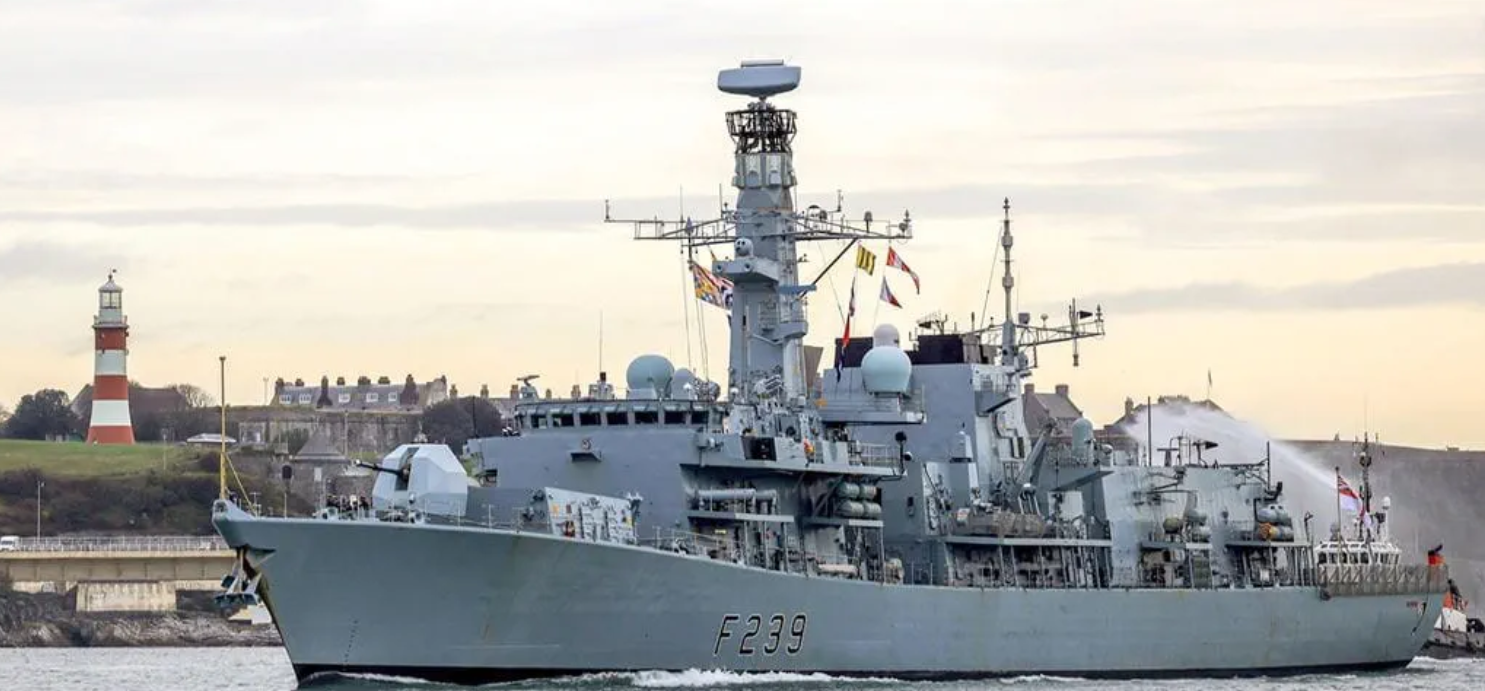
Devonport is preparing for one of the biggest transformations in its history. As the future home of the Royal Navy’s Type 26 frigates – and the UK’s only centre for the deep maintenance and defuelling of nuclear submarines – the Plymouth base is set to play an increasingly important role in the UK’s maritime strategy.
Backed by £7.1 billion of investment, Devonport is upgrading its infrastructure for a new generation of warships, submarines and emerging autonomous capabilities.
UK Defence Secretary Wes Streeting’s visit this week offered a closer look at how that transformation is taking shape.
When did Wes Streeting visit Devonport?
Streeting visited Devonport on 24 August alongside Defence Readiness and Industry Minister Luke Pollard, touring facilities under construction for the submarine fleet and meeting Royal Navy personnel and industrial teams responsible for maintaining and supporting operational vessels.
He also saw some of the equipment being introduced by the Royal Marines and UK Commando Force.
The visit offered a closer look at how Plymouth’s role is changing as the Royal Navy modernises both its ships and the infrastructure supporting them. Devonport will become home to the new Type 26 City-class frigates, while retaining its unique role in maintaining the UK’s nuclear-powered submarine fleet.
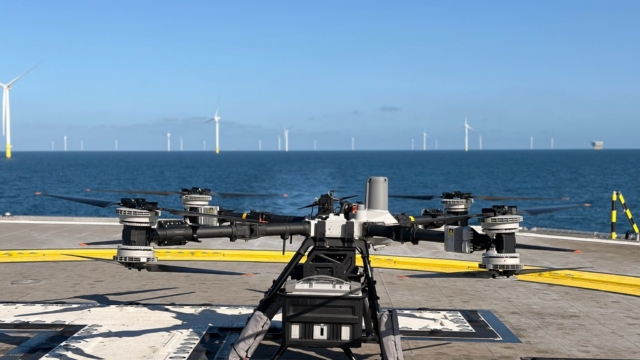
At the same time, around £500 million committed under the Defence Investment Plan will continue the transformation of the UK Commando Force, including new high-speed boats, drones and autonomous technology.
Type 26 frigates will give Devonport a bigger surface fleet role
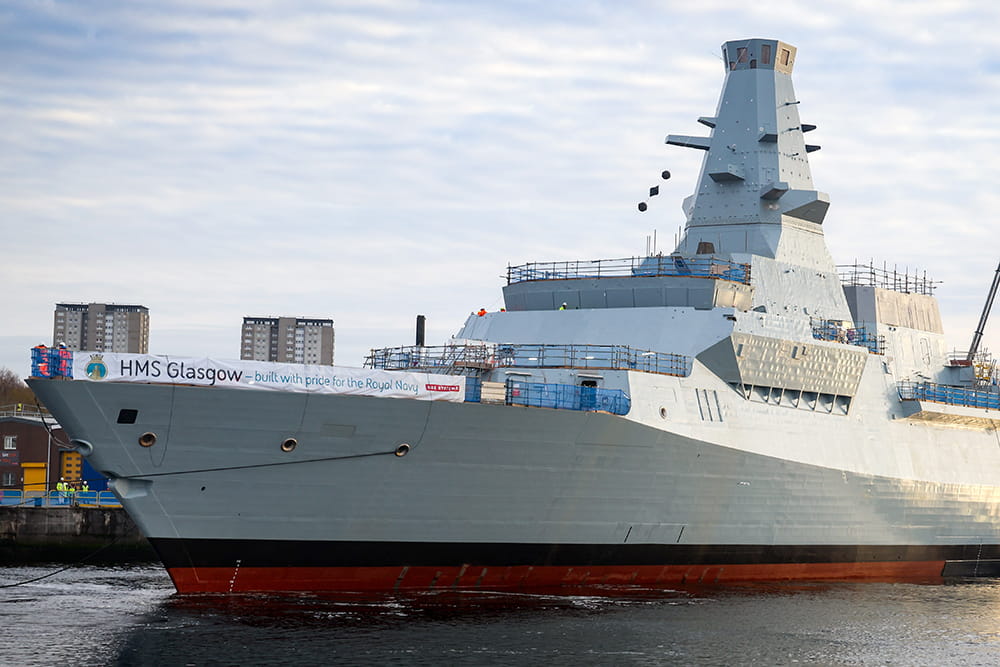
The arrival of the Type 26 fleet represents one of the biggest changes ahead for Devonport.
Designed primarily for anti-submarine warfare, the City-class frigates will replace the Royal Navy’s Type 23s in that role. Basing them at Devonport will put a new generation of surface combatants alongside a facility already deeply involved in the UK’s submarine enterprise.
“The work done here at Devonport is critical to keeping our country safe,” Streeting said during the visit, adding that bringing the Type 26 fleet to Plymouth would keep the base “at the heart of our naval power for generations to come”.
Defence runs in the blood in Plymouth. This city has a proud maritime history at the heart of our national security – and an equally exciting future.
— Wes Streeting (@wesstreeting) August 25, 2026
HMNB Devonport’s future is secure and bright as they push the frontiers of defence innovation to keep us all safe 🇬🇧 pic.twitter.com/rZJaGD8Z74
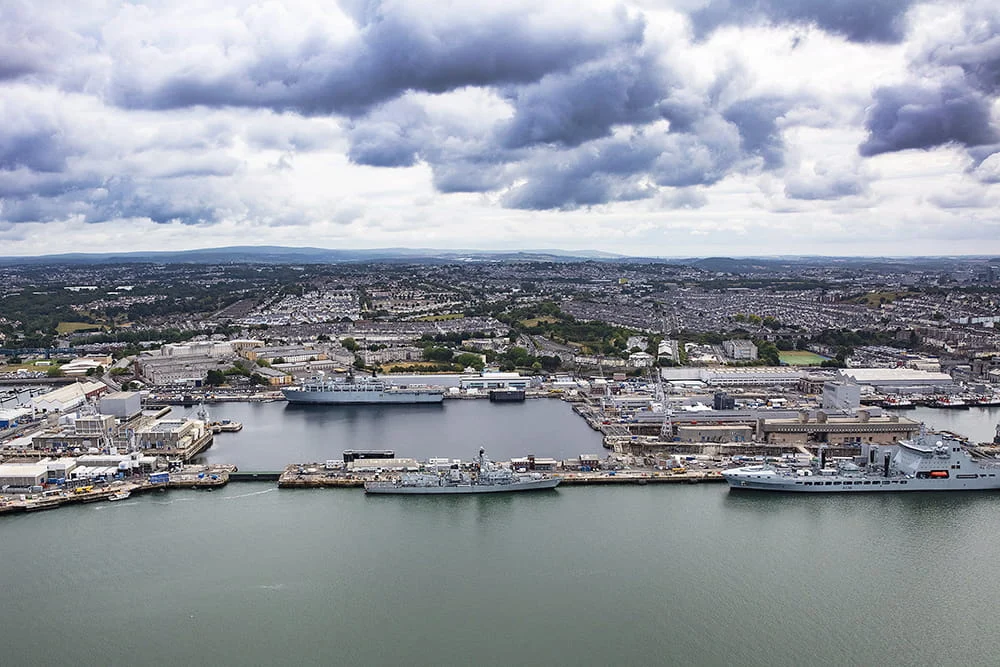
Devonport is already the largest naval base in Western Europe and has a role that cannot currently be replicated elsewhere in the UK.
It is the country’s only facility responsible for deep maintenance and defuelling of Royal Navy nuclear submarines. The maintenance operation helps sustain the Continuous At Sea Deterrent, while its defuelling capability is needed as older nuclear submarines reach the end of their service lives.
That combination of nuclear submarine maintenance, Type 26 operations, Commando Force and emerging autonomous systems explains why so much of the Royal Navy’s current infrastructure programme is concentrated in Plymouth.
£7.1bn overhaul addresses years of under-investment at Devonport
Devonport is due to receive around £7.1 billion over the next decade for new and replacement infrastructure across the naval base and dockyard.
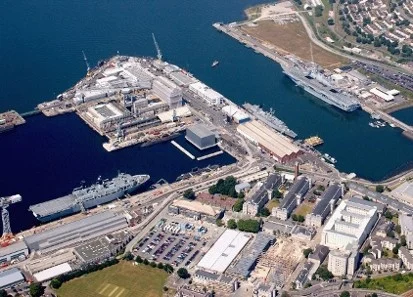
The work includes upgrades to 15 Dock, modernisation of 10 Dock and modifications to 14 Dock that will allow submarine defuelling to restart. Wider renewal and maintenance work is also planned across the site.
The Ministry of Defence has been unusually direct about why the work is required. Its July statement to Parliament said the programme reflected both previous under-investment in infrastructure and changing operational requirements.
The £7.1 billion forms part of Project Royal Oak, the £26 billion programme announced in July to modernise the Royal Navy’s three principal bases over ten years.
That wider figure is important context rather than a new announcement. Royal Oak divides investment principally between HMNB Clyde, Devonport and Portsmouth, with each being prepared for a different part of the future fleet.
Clyde is receiving the largest share, around £15.1 billion, as the UK’s submarine infrastructure expands, while approximately £3.9 billion is forecast for Portsmouth to modernise jetties, berthing and other facilities and prepare the base for the Royal Navy’s emerging Hybrid Navy.
Royal Marines add drones and autonomous systems to Devonport’s changing role
Streeting’s visit also shone a spotlight on what is happening away from the docks.
Plymouth is home to Royal Marines and UK Commando Forces, and the government is putting around £500 million into their continuing transformation. New high-speed boats will sit alongside drones and autonomous technologies as the Commandos adapt for operations increasingly dependent on sensors, uncrewed platforms and rapid movement from sea to shore.
That work fits into another emerging specialisation for Plymouth.
The city has been designated the UK’s National Centre for Marine Autonomy, bringing together the Royal Navy and industry around the development of autonomous maritime technology. The work includes systems intended to support the Navy’s wider Hybrid Navy programme.
A separate £50 million Plymouth Growth Deal is intended to encourage defence investment in the city and the South West, with the government expecting it to create hundreds of jobs and help companies working on maritime and autonomous technologies expand.
Devonport is being prepared for a very different Royal Navy
The significance of Streeting’s visit is therefore wider than another inspection of a naval base.
Devonport is being asked to do several jobs at once. It must continue maintaining nuclear submarines and eventually support the changing submarine fleet. It is preparing to receive the Type 26 frigates. Its Royal Marines are adopting drones, autonomous systems and new high-speed craft. And Plymouth is being developed as a national centre for maritime autonomy.
The infrastructure has to catch up.
That is where Royal Oak becomes relevant to the latest development. The £26 billion was announced in July; the work now under way at Devonport shows what that programme is intended to produce on the ground.
Sign up for our newsletter and get our latest content in your inbox.
Similar Reads





Sign up for our newsletter. Select all sectors relevant to you.
Related