Windracers proves ULTRA in Ukraine, but Britain poses a different drone challenge

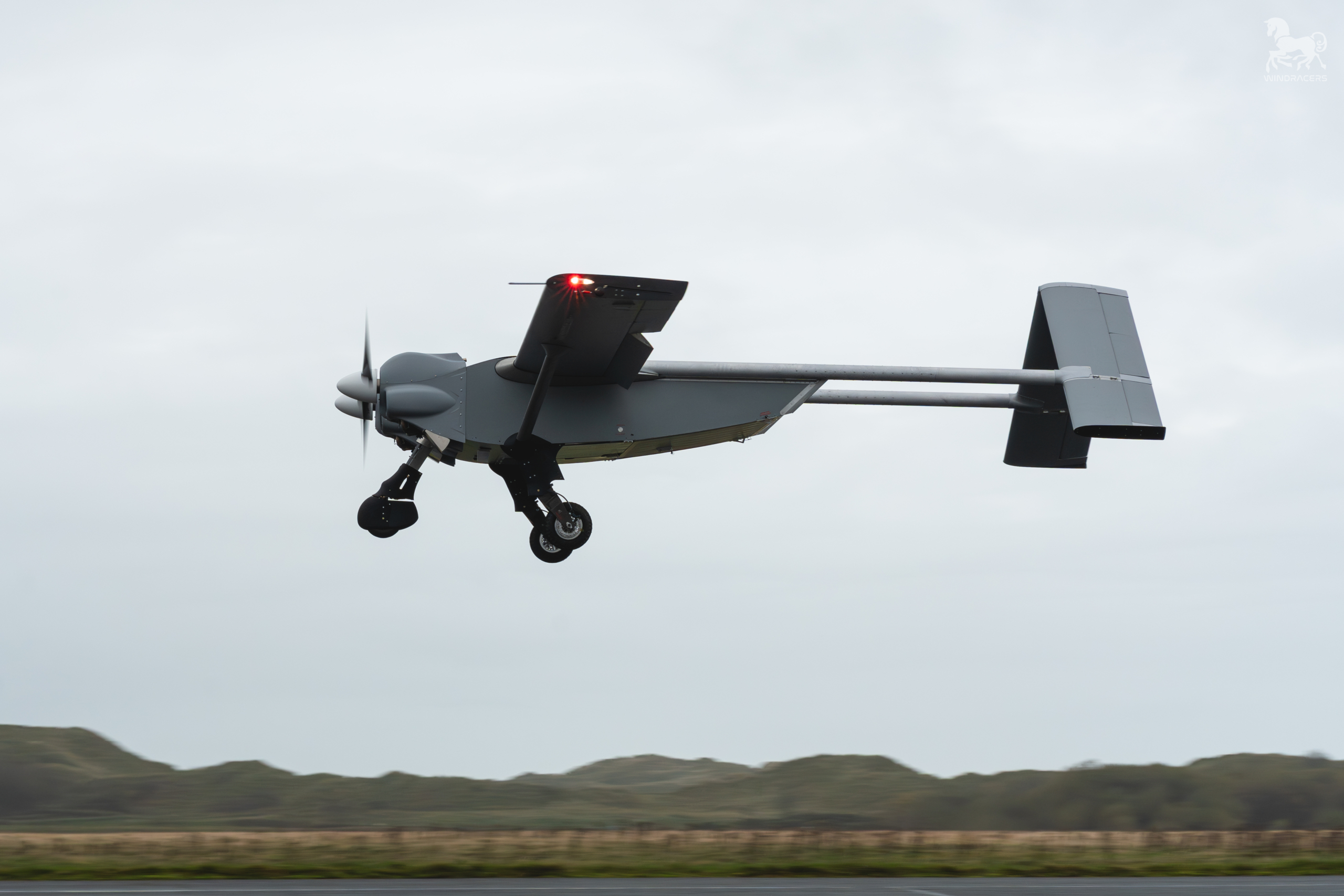
Operating its ULTRA autonomous aircraft in Ukraine has given British manufacturer Windracers access to a testing environment that cannot be replicated in the UK, according to chief of flight operations Rob Datson.
Windracers has supported the aircraft in Ukraine for the past three years, gathering direct feedback from its users and adapting the platform as operational requirements have changed.
“If you’re designing something for a particular environment, there is no substitute for exposing it to the actual environment,” Datson told ADS Advance. “You really have to be there. The old saying that no plan survives first contact with the enemy holds true. You have to expose yourself to the potential for failure in order to learn.”
The experience is helping Windracers prove what ULTRA can do, but Datson warned against assuming that Ukraine’s accelerated model of drone development can be reproduced directly in Britain.
“We’re talking about wartime versus peacetime, and we need to be cautious about drawing lessons when we’re not comparing apples with apples,” he said. “Development in an unregulated war zone is, of course, rapid, but the safety level would be intolerable in a peacetime civilian environment.”
ULTRA evolves in Ukraine
Windracers was first contacted by the Ministry of Defence in 2022 to see whether it could provide UAVs to Ukraine.
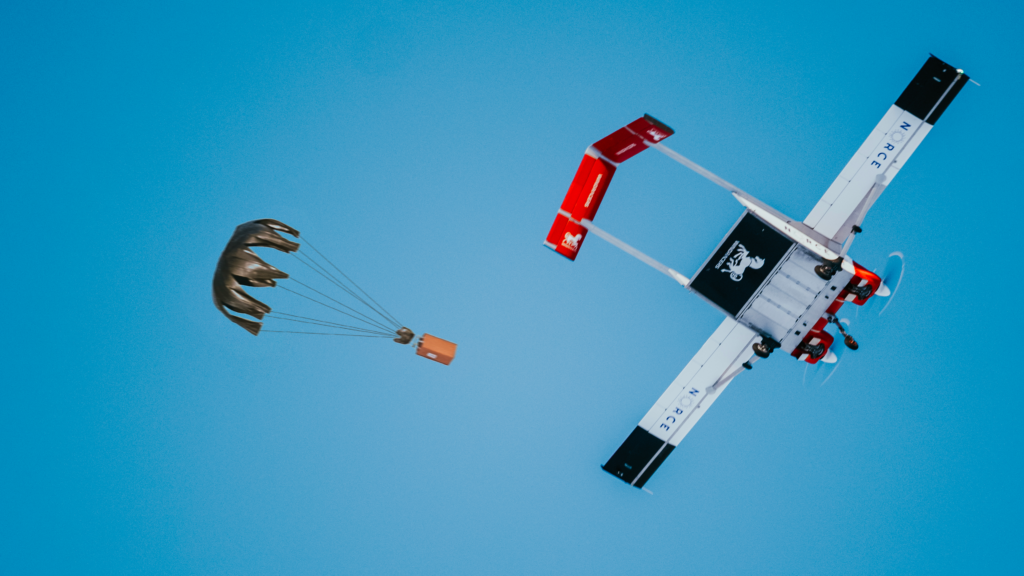
ULTRA was initially used for resupply and intelligence-gathering missions. As the conflict and Ukraine’s requirements have evolved, the aircraft has been adapted for further applications that Windracers cannot discuss publicly.
“The aircraft is very capable. It’s very large, and it goes a long way, so it’s highly utilitarian and has been adapted for other use cases,” Datson said.
Windracers decided that deploying the aircraft alone would not be enough. With ULTRA operating in a hostile environment and the technology continuing to mature, the company established an in-country presence to support it.
That has placed its team close to Ukrainian operators and the MoD, allowing feedback from the aircraft’s users to shape its development.
“Without feedback from your customers, you don’t properly understand the problem you’re trying to solve. It’s just guesswork,” Datson said. “By being there, both in the environment and exposed to that feedback, we’re able to move forwards in the right direction.”
Ukraine’s wartime risk appetite has also allowed testing, learning and development to take place more quickly than would be possible under normal civilian aviation rules.
Finding a British route to rapid development
The question for Britain is how to recreate some of that development speed without importing the risks of a war zone.
Datson believes the answer begins with recognising that civil and military drone programmes have different priorities.
“You have to distinguish between civil and military operations because they have different north stars,” he said. “In the civilian environment, it’s all about safety and public confidence. Extensive stakeholder engagement and the ability to build evidence in increasingly real-world environments are what’s needed to move the needle.”
Military development, by contrast, is driven by the need to get useful technology into service quickly and improve it through repeated testing.
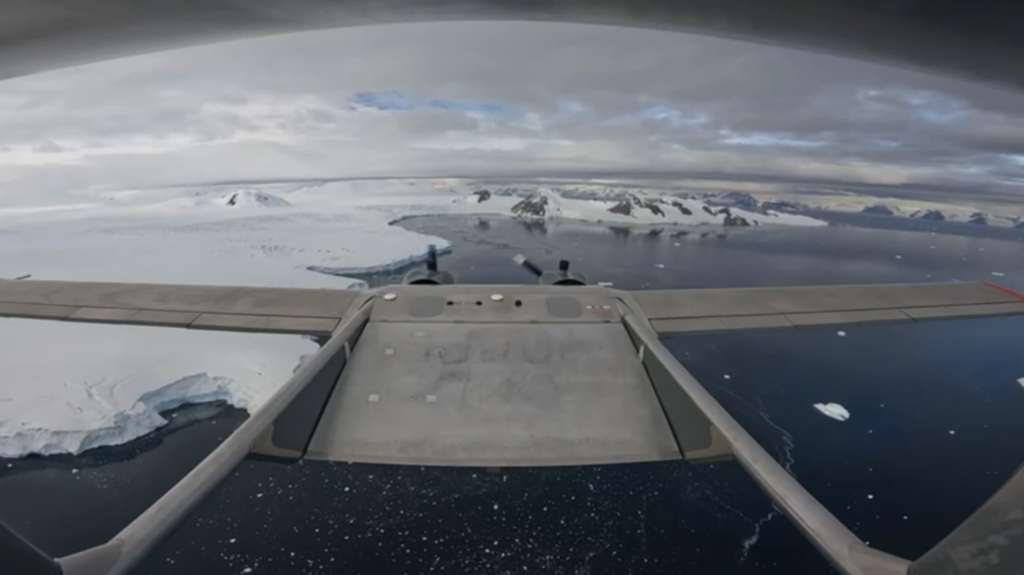
Datson suggested that access to large areas of segregated airspace, accompanied by faster approvals, could give UK developers greater freedom to test military systems while protecting other airspace users.
“For the military, it’s all about speed to capability and the opportunity for rapid iteration,” he said. “Access to large areas of segregated airspace, where a lower level of risk can be tolerated, combined with rapid approvals that recognise that lower-risk environment, would provide an appropriate balance between risk and progress.”
The Government has committed more than £5 billion for drones and autonomous systems through its Defence Investment Plan. Datson described greater investment in sovereign drone capability as good news but said the industry is still waiting to see how the funding will reach individual programmes.
“As with everything, it’s all about the execution,” he said.
For Windracers, the immediate priority is continuing to support the MoD, introduce new capabilities and move projects into operational use “at speed, at scale and at a completely new price point”.
At the same time, ULTRA has not left its original humanitarian purpose behind. Windracers is working with the World Food Programme in Madagascar, using the aircraft to deliver aid to remote and malnourished communities.
Ukraine may be proving how quickly ULTRA can evolve under wartime pressure. Britain’s challenge is to create an environment in which drone developers can learn quickly without compromising the standards expected in peacetime airspace.
Sign up for our newsletter and get our latest content in your inbox.
Similar Reads

Sign up for our newsletter. Select all sectors relevant to you.
Related