Royal Navy monitors Russian warships and shadow fleet activity as UK surveillance rises 25%


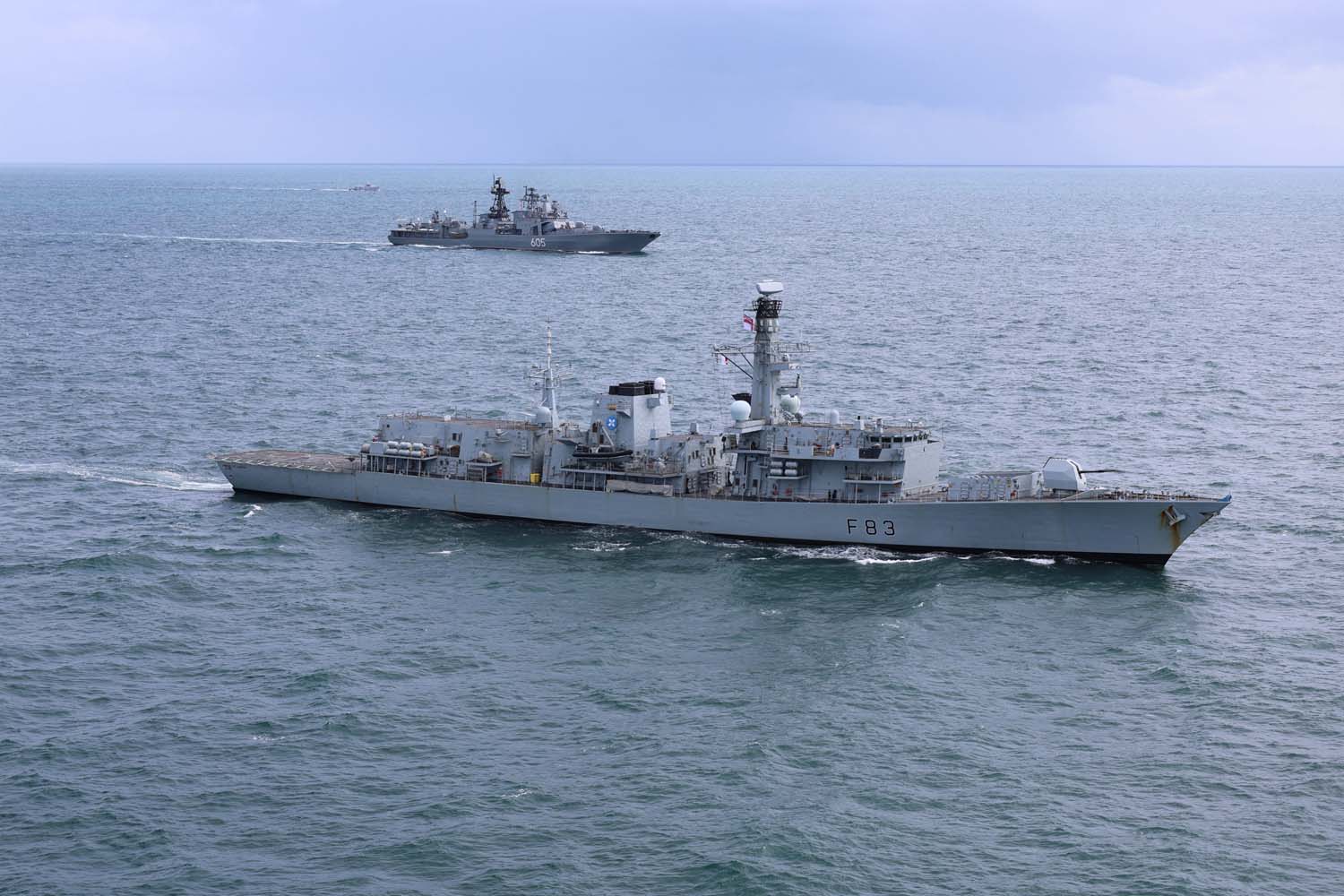
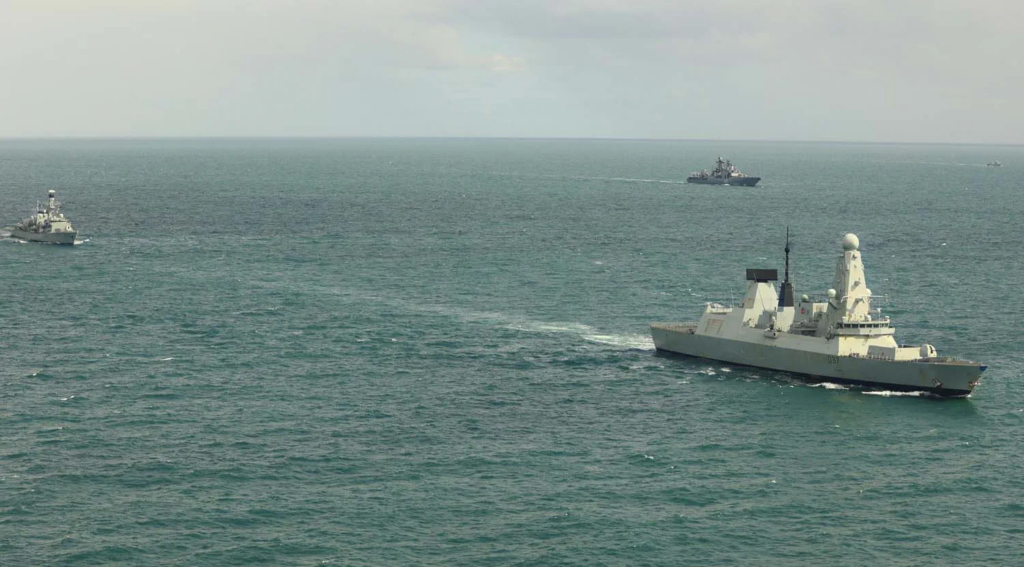
The Royal Navy has completed a 72-hour operation which saw three of its warships – HMS Duncan, HMS St Albans, and HMS Severn – monitoring four Russian vessels close to the British Isles.
The Russian ships included the sanctioned cargo vessels, the General Skobelev and Sparta, and the warships Admiral Levchenko and Neustrashimy.
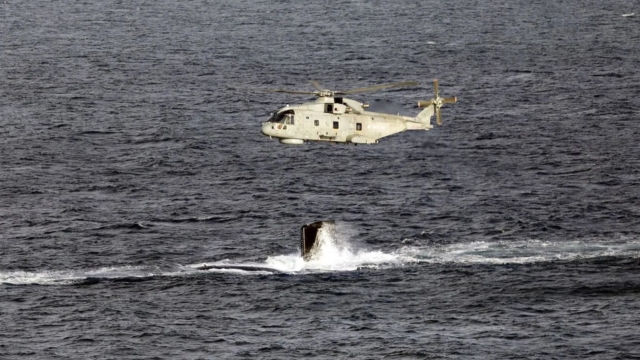
The RN says its vessels “utilised radars and sensors to monitor two Russian Navy warships and two sanctioned cargo ships through the North Sea and English Channel.” The effort included a Merlin helicopter from HMS St Albans (Type 23 frigate) while the Russian ships approached the Strait of Dover.
During this time, HMS Mersey, a River-class offshore patrol vessel, shadowed the replenishment vessel, the Akademik Pashin. The Royal Navy said the development demonstrates its “resolve to tackle and deter Putin’s shadow fleet.”
It was the third time the River-class HMS Severn has monitored Russian vessels in August, having previously tracked Neustrashimy and then the Russian frigate RFN Admiral Gorshkov, hydrographic vessel Romuald Muklevich, and the oiler Akademik Pashin.
The Type 45 destroyer HMS Duncan and two other vessels tracked the Russian destroyer, Admiral Levchenko. Monitoring duties were then handed over to France near Ushant.
Increase in Russian activity around the United Kingdom
The Royal Navy reports that its activations to monitor Russian activity have increased 25% in the first eight months of 2026, compared with the same period last year.
The uptick comes after the UK seized a sanctioned shadow fleet oil tanker, Smyrtos, in the English Channel in June. It was the first UK‑led naval capture of a shadow fleet vessel.
The vessel had departed Russia’s Ust-Luga and was en route to India. The operation was conducted by the 42 Commando and was supported by HMS Sutherland.
General Sir Gwyn Jenkins, the First Sea Lord and Chief of Naval Staff, said: “The interception of the Smyrtos was a clear demonstration that the UK and Royal Navy will act against those who seek to evade sanctions to fund Russia’s egregious war on Ukraine.”
Jenkins adds that since the operation to interdict Smyrtos, the Royal Navy has “seen Russian shadow fleet vessels increasingly forced to change their routes,” which adds cost and delays.
Royal Navy’s efforts to degrade Russian revenues
The Royal Navy notes that Russia is increasingly having to divert warships to escort shadow tankers in the North Sea and English Channel, saying it must “deploy costly military resources, including frigate Neustrashimy, to guard their illegal shipment.”
The UK has sanctioned over 500 vessels and claims Russia’s oil and gas revenues fell by 24% year-on-year in 2025.
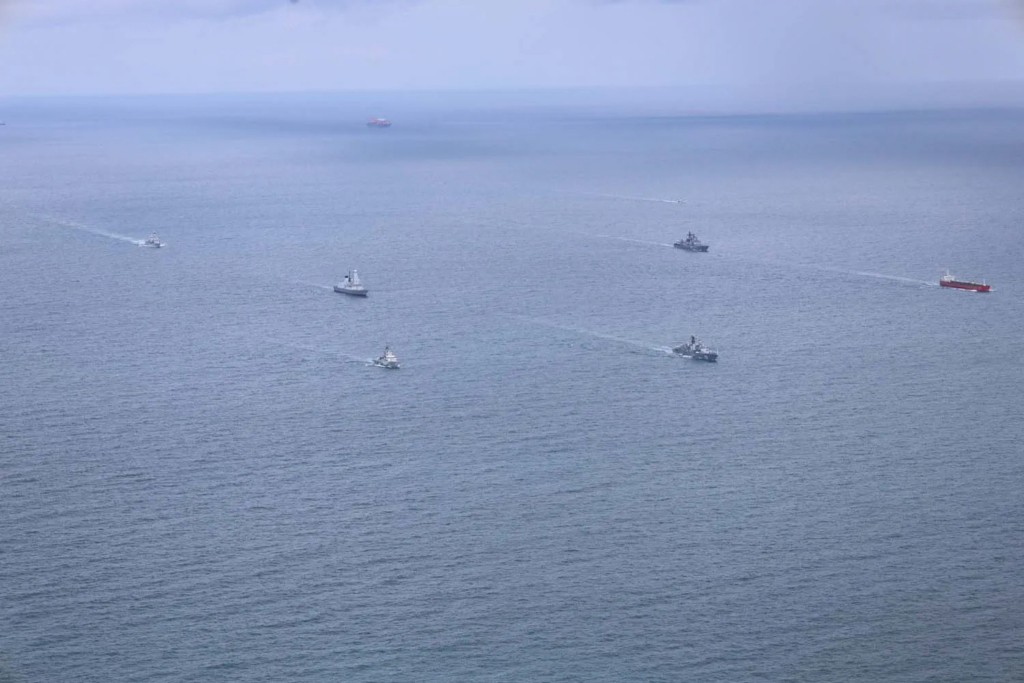
HMS St Albans Commanding Officer, Commander Oli Ayers, said, “As part of the UK’s response to increased Russian activity within UK waters, St Albans was part of a group of NATO warships and aircraft escorting Russian warships and merchant vessels through the North Sea and English Channel, monitoring their activity.”
Russian shadow vessels are considered a threat to the UK, including being a potential launchpad for drones. Earlier in 2026, there were reports that a Russian warship fired warning shots at a private British vessel.
Royal Navy ships are also taking part in defending Irish airspace as Ireland hosts the rotating EU presidency.
Sign up for our newsletter and get our latest content in your inbox.
Similar Reads




Sign up for our newsletter. Select all sectors relevant to you.
Related