UK pushes Navantia to accelerate delivery of Royal Navy support ships

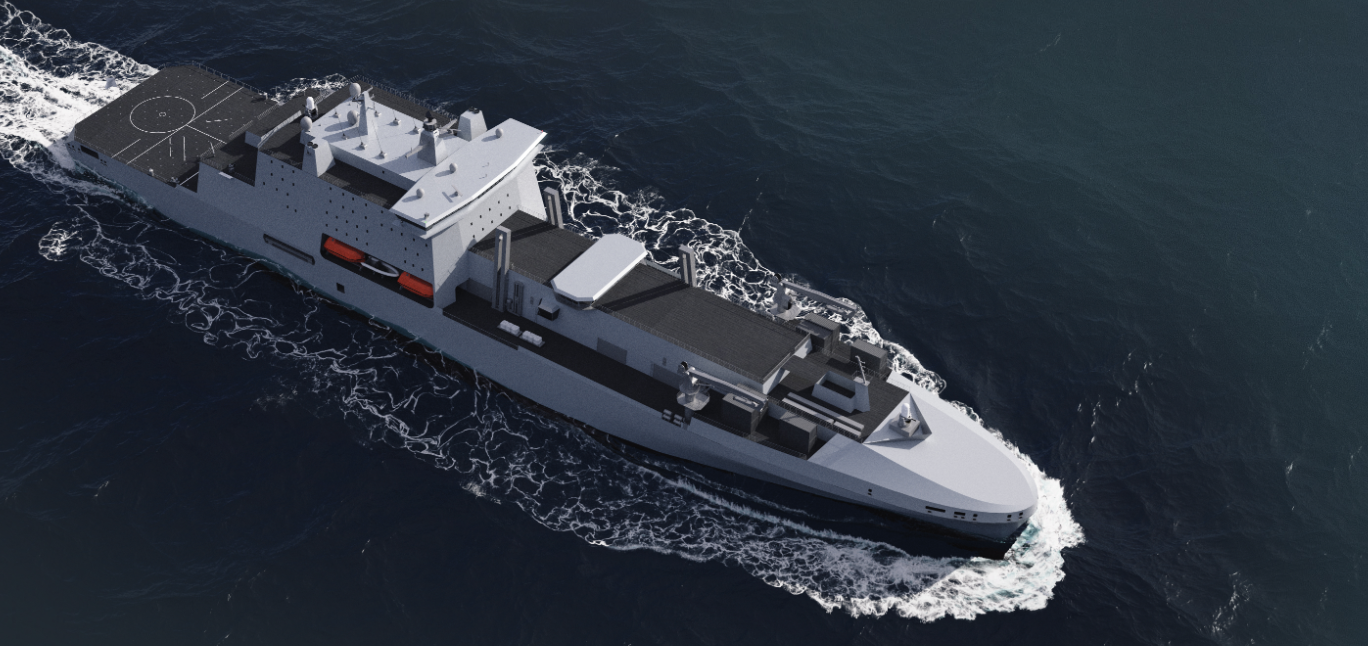
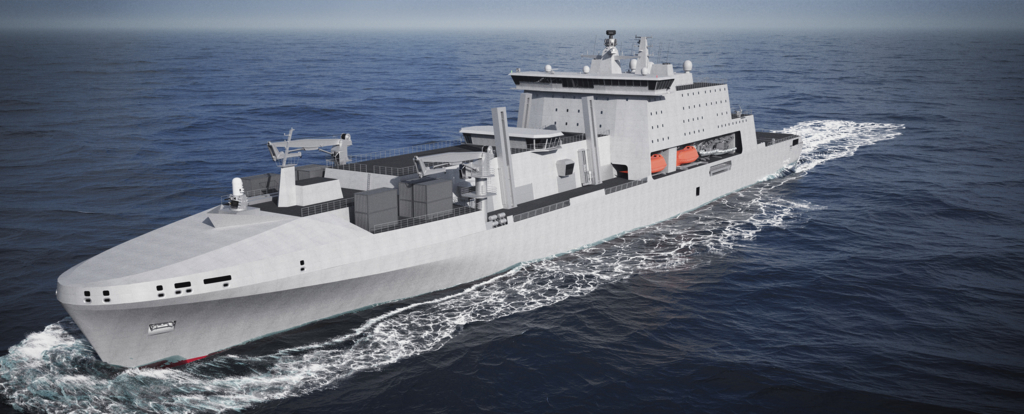
The Ministry of Defence is pressing Navantia to accelerate delivery of three new Fleet Solid Support ships as UK seeks to strengthen the Royal Navy’s ability to sustain its carrier strike force at sea.
Navantia UK chief executive Donato Martinez confirmed that the MoD wants the vessels earlier than the existing schedule, under which the first ship is expected to go to sea from 2030 and all three are due to be completed by 2032, The Times first reported on Monday.
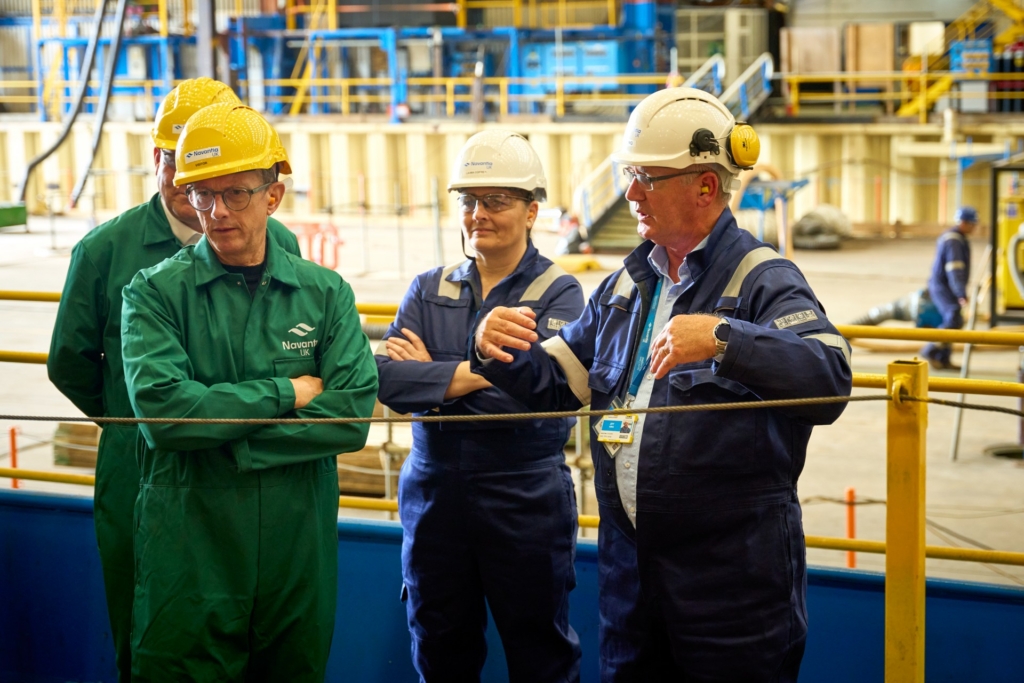
“We have a target date. But the Ministry of Defence is pursuing a quicker delivery date,” Martinez told the newspaper. “The customer is pushing. It makes it more challenging but we are trying.”
The pressure comes as construction reaches another milestone. The keel of the first ship is due to be laid at Navantia UK’s Appledore yard in Devon on 2 September, formally marking the start of construction there after a six-year gap in shipbuilding at the site.
Three large ships will sustain the Royal Navy’s carrier force far from port
The Fleet Solid Support programme will provide three ships for the Royal Fleet Auxiliary, which supplies Royal Navy warships while deployed.
The vessels are designed principally to support the UK’s Carrier Strike Group, transferring ammunition, spare parts, food and other stores at sea. That allows the force to remain deployed for longer without returning to port for replenishment.
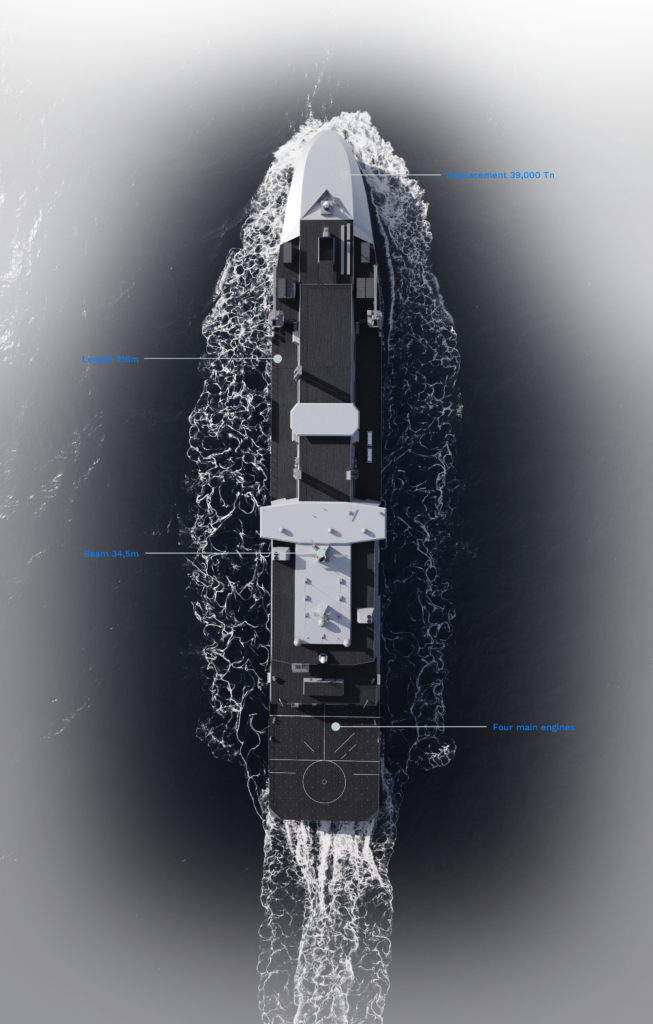
Each ship will be 216 metres long and displace more than 39,000 tonnes. That will make them the second-largest ships serving with the UK military after the Royal Navy’s Queen Elizabeth-class aircraft carriers.
The £1.6 billion manufacturing contract was awarded to Team Resolute in January 2023, with Navantia UK as prime contractor alongside Harland & Wolff and naval architecture company BMT.
The Times describes the wider programme as a £2 billion contract. Navantia’s original contract announcement, however, puts the manufacturing contract at £1.6 billion.
The requirement itself is much older. The UK identified the need for new support ships in its 2015 Strategic Defence and Security Review, meaning Wednesday’s keel-laying comes 11 years after the requirement was formally recognised.
Construction is spread between Appledore, Belfast and Spain
Work on the first vessel, RFA Resurgent, is already under way. First steel was cut at Appledore in December 2025, while construction of modules at Navantia’s facilities in Cádiz began subsequently.
The programme uses several yards. Appledore will construct the ships’ bow sections, while modules built in Spain will be transferred to Belfast, where final integration will take place.
That industrial arrangement has become more complicated since the contract was awarded. Harland & Wolff entered administration before Navantia acquired the business and its four UK shipyards in early 2025, taking control of Belfast and Appledore and responsibility for delivering the FSS programme.
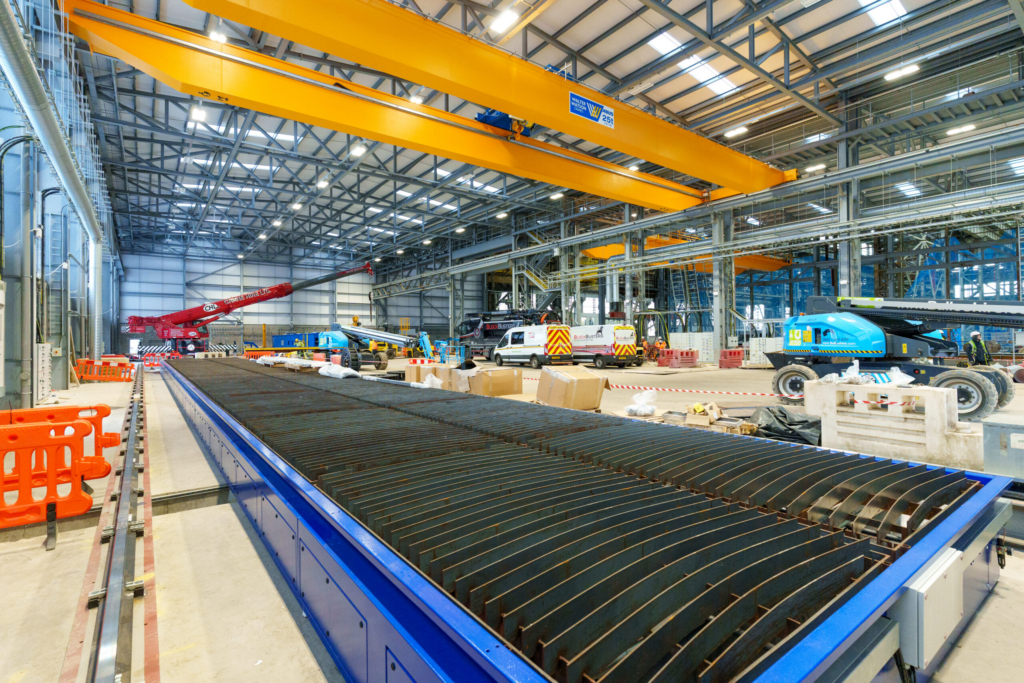
Accelerating the ships will therefore require Navantia to expand a British shipbuilding workforce that is still being rebuilt. According to The Times, Appledore now has more than 200 workers and is close to full operation. Belfast has around 500 employees but requires another 1,000 before it is ready for final assembly of the support ships.
The challenge is particularly significant in Belfast, which has not built a ship since 2003, while Appledore last delivered a vessel six years ago.
Ageing support fleet adds urgency to delivery timetable
The FSS ships fill an important gap behind Britain’s two aircraft carriers. The Royal Fleet Auxiliary currently has only one solid-support vessel, the 36-year-old RFA Fort Victoria, which The Times reported is out of service undergoing refit.
Without sufficient replenishment ships, the endurance of a carrier strike group is constrained regardless of the capability of the carrier and its escorts. The FSS programme is intended to restore that logistical depth.
The MoD’s push for faster delivery also comes as the government calls for greater military readiness amid worsening security conditions in Europe.
For Navantia, meeting an accelerated timetable could have implications beyond the three ships. Martinez told The Times that the company wants its performance on FSS to become a “differentiator” as it pursues further Royal Navy work.
That includes the planned Type 91 uncrewed weapons vessels, Type 92 submarine-hunting ships and Type 94 surveillance vessels envisaged as part of the Royal Navy’s future hybrid fleet.
Navantia is also interested in the UK’s planned eight new amphibious transport vessels.
Sign up for our newsletter and get our latest content in your inbox.
Similar Reads



Sign up for our newsletter. Select all sectors relevant to you.
Related