BMT launches Maritime Autonomous Systems e-learning course

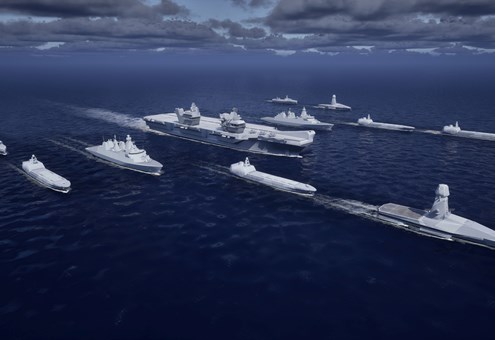
With the first International Maritime Organisation (IMO) MASS Code having taken effect on 1st July and Maritime Autonomous Systems moving rapidly into defence and commercial operations, the understanding needed to engage with autonomy is struggling to keep pace.
In response, BMT has launched a new introductory e-learning course designed to help professionals close that gap, building the knowledge and confidence to engage effectively with autonomy technologies.
Developed by BMT’s maritime autonomy specialists, the self-paced online course provides a thorough introduction to Maritime Autonomous Systems, covering autonomy fundamentals, operational considerations, safety, regulation, emerging technologies and real-world applications.
Why understanding of autonomy must be disseminated across the maritime sector
The course has been created in response to a growing industry need for broader understanding of autonomy beyond specialist engineering teams. As autonomous technologies continue to evolve, organisations across the maritime sector are increasingly being asked to make decisions about autonomous capabilities, procurement, operations and regulation without a foundational understanding of the technologies involved.
Will Alexander, Campaign Lead – Maritime Autonomous Systems at BMT, said: “Maritime Autonomous Systems are becoming part of the maritime ecosystem, whether organisations are introducing remote operations, deploying autonomous capabilities or procuring new technologies. With the IMO’s first MASS Code having taken effect on 1st July, the regulatory picture is now maturing alongside the technology – and as adoption grows, it is becoming increasingly important for a much wider audience to understand the opportunities, challenges and implications of autonomy.”
“Many organisations recognise the potential benefits of autonomy but successfully integrating these technologies requires more than technical innovation alone. It requires understanding how autonomy affects operations, safety, regulation, organisational culture and ways of working. This course has been developed to help educate and upskill professionals across the sector, building that foundational understanding.”
Who will benefit from taking the course?
The course is aimed at programme and project managers, engineers, procurement and commercial teams, regulators, compliance professionals and senior decision-makers who need to understand how autonomous technologies are reshaping the maritime sector.
Participants will gain an introduction to key concepts including levels of autonomy, autonomous system architecture, sensing and AI-enabled technologies, regulatory frameworks, safety considerations and current and emerging maritime applications.
Emma Johnson, Director of the Maritime Autonomous Systems Group at the Society of Maritime Industries (SMI), said: “BMT’s introduction to Maritime Autonomous Systems course is an excellent resource for anyone entering the maritime autonomy sector or looking to expand their understanding of this rapidly evolving field. The course is easy to navigate, well structured and presents complex topics in a clear and accessible way. Interactive quizzes throughout help reinforce learning and ensure key concepts are retained.
“I was particularly impressed by the breadth of content, covering both UK and international perspectives on maritime autonomy. Despite already working in the sector, I came away having learnt new information. This course provides a strong foundation for industry professionals seeking to better understand the technologies, opportunities and challenges shaping the future of autonomous maritime operations.”
The launch builds on BMT’s extensive experience supporting the development, integration and assurance of Maritime Autonomous Systems across defence and commercial markets. The company has worked with customers across the autonomy lifecycle, helping organisations understand risks, develop concepts of operation, evaluate technologies and integrate autonomous capabilities into maritime operations.
Supporting the adoption of autonomous and remotely operated technologies
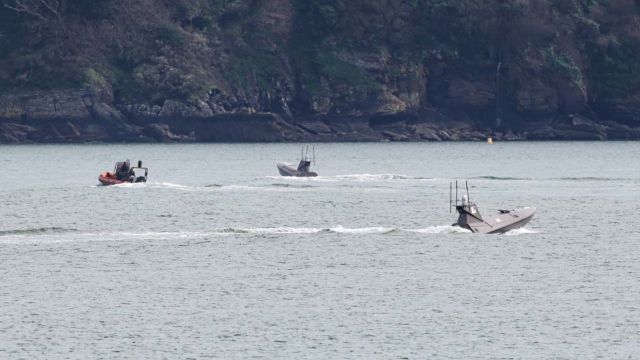
As the maritime sector’s transition towards autonomous and remotely operated technologies accelerates, building the skills and understanding needed to support adoption will be critical. Earlier this year, BMT’s award-winning Remote Operations Centre Simulator (ROC-Sim) supported SeaBot Maritime in delivering its first USV ROC Supervisor course at BMT’s Digital Innovation and Simulation Centre (DISC) in Fareham.
The programme marked ROC-Sim’s first commercial deployment and, in collaboration with Marine AI, enabled participants to develop the practical skills required to supervise multiple uncrewed vessels in a realistic, high-fidelity operating environment
The course also reflects BMT’s growing footprint in the maritime education and training space, forming part of the company’s broader growth and diversification as it continues to expand. That broader commitment also extends through BMT’s wider global training offer, helping bridge the education gap for naval architects through courses such as Warships 101 and its Whole Life Warship Capability Management training, which are designed to build technical understanding across the naval architecture community.
Sign up for our newsletter and get our latest content in your inbox.
Similar Reads




Sign up for our newsletter. Select all sectors relevant to you.
Related