


Scottish defence sector faces skills shortfall and ‘debanking’ concerns, MPs warn



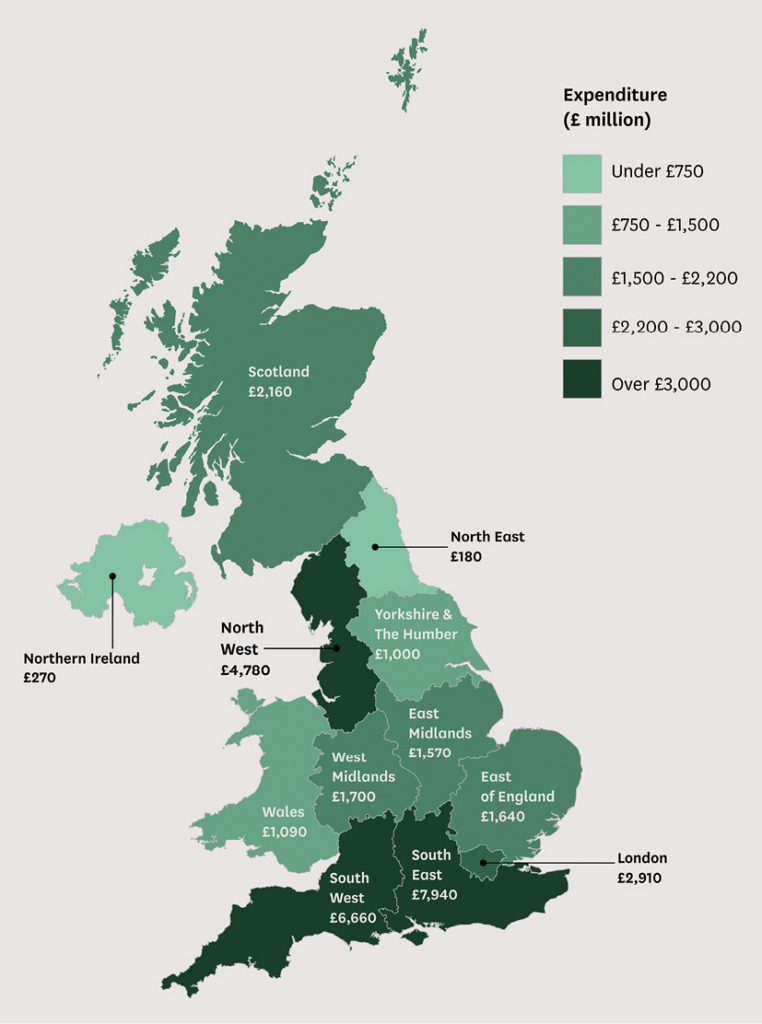
Scotland’s ability to capitalise on increased UK defence investment could be constrained by persistent skills shortages and barriers facing small and medium-sized enterprises (SMEs), according to a new report from the Scottish Affairs Committee.
Published on 15 September, the committee’s report – titled ‘Securing Scotland’s Future: Defence Skills and Jobs’ – highlights overall workforce development, supply chain access and the reported ‘debanking’ of defence firms as issues requiring action if Scotland is to expand its contribution to the UK’s defence-industrial base.
The committee said Scotland is well positioned to benefit from increased defence spending, with investment capable of supporting highly skilled employment, strengthening supply chains and contributing to economic growth.
However, it warned that the availability of suitably skilled workers will be critical to delivering those benefits while supporting the UK’s wider domestic defence and security objectives.
Commenting on this latest report, Patricia Ferguson MP – the Chair of the Scottish Affairs Committee – said: “Scotland has a world-leading defence sector and is well-placed to benefit from increased UK defence spending. However, unless long-standing skills shortages are addressed, this opportunity could be missed.”
Growing the defence skills pipeline in Scotland
Demand for apprenticeships and technical training is already high, but the committee concluded that existing provision is not keeping pace with anticipated workforce requirements.
A particular focus is the proposed establishment of two Defence Technical Excellence Colleges (DTECs) in Scotland. The colleges are intended to provide advanced technical training for the defence sector, but the committee said progress had “fallen behind” similar developments in England.
Westminster has indicated that only one of the proposed Scottish DTECs will proceed without matched funding from the Scottish government. The committee called for both governments to work together to deliver both DTECs and accelerate the development of Scotland’s defence skills base.
Ferguson added: “One of the main ways skills trainings can be expanded is through DTECs, which have the potential to strengthen Scotland’s skills pipeline and expand access to high-quality apprenticeships that can support the UK’s defence ambitions…
“The committee hopes to see the UK and Scottish governments work together to deliver both proposed DTECs in Scotland and, more widely, that Scotland can accelerate the skills base its defence sector needs,” she said.
Defence SMEs still face supply chain and finance barriers
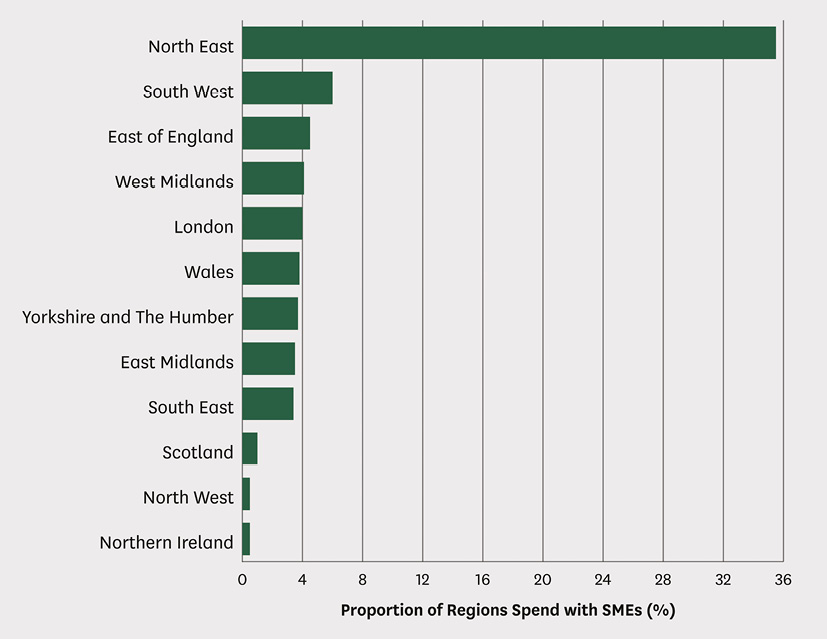
The report also highlights the importance of SMEs to the sector. SMEs account for 98.2% of businesses in Scotland, and the Scottish Affairs Committee said they face significant financial and operational barriers that could limit their ability to benefit from any increased defence spending.
It called on the UK Ministry of Defence (MOD) to improve opportunities for Scottish companies within defence supply chains and encouraged greater engagement between SMEs and prime contractors.
“It’s also important that Scottish defence SMEs get the support they need to grow. Removing barriers to defence supply chains and improving engagement with prime contractors will help unlock their full potential and help make sure economic benefits of defence investment can be felt across Scotland,” Ferguson concluded.
Access to financial services emerged as another concern. During evidence sessions, the committee heard reports that some defence SMEs had been denied banking services because of their links to the defence sector.
The committee described the practice of ‘debanking’ defence businesses as unacceptable, warning that it could affect investment, business growth and the availability of highly skilled jobs.
Luke Pollard MP, the Minister for Defence Readiness and Industry, told the committee that the MOD had seen examples of defence firms supporting UK national security objectives being ‘debanked’. He said the situation was “not acceptable” at a time of increasing security risks.
MPs call for action on defence-related ‘debanking’
The committee has recommended that Westminster assess the impact of ‘debanking’ on Scotland’s defence industry and engage with the financial services sector to address the issue. The Scotland Office has been asked to report back within six months on the findings and actions taken.
“It is unacceptable that SMEs working to deliver the UK’s national security objectives are being denied access to financial services through so-called ‘debanking’, the report said, adding that the current situation is “damaging to the UK’s national security objectives, SME growth, and the provision of highly skilled jobs in Scotland’s defence sector.”
Alongside skills and access to finance, the committee identified perceptions of the defence sector as a continuing recruitment challenge. It said the “negative public image” of defence remains a significant barrier to attracting talent, while progress towards the national conversation on defence envisaged in the Defence Industrial Strategy has been limited.
For industry, the findings underline the interconnected nature of the challenges facing Scotland’s defence ecosystem. Expanding production and strengthening supply chains will require not only increased demand, but also access to skilled personnel, finance and commercial opportunities.
The committee’s report therefore places responsibility on both governments and industry to ensure that Scotland has the industrial capacity and workforce needed to support the UK’s future defence requirements. The UK government is expected to formally respond to this report by the Scottish Affairs Committee by 14 November 2026.
Sign up for our newsletter and get our latest content in your inbox.
Similar Reads





Sign up for our newsletter. Select all sectors relevant to you.
Related