

Defender reborn: Inside JLR’s bid for the British Army LMV programme


For generations of British soldiers, the Defender was valued because it could endure punishing conditions and, when something went wrong, often be repaired in the field. JLR now believes sensors and predictive maintenance can deliver the same dependable availability for the digital battlefield.
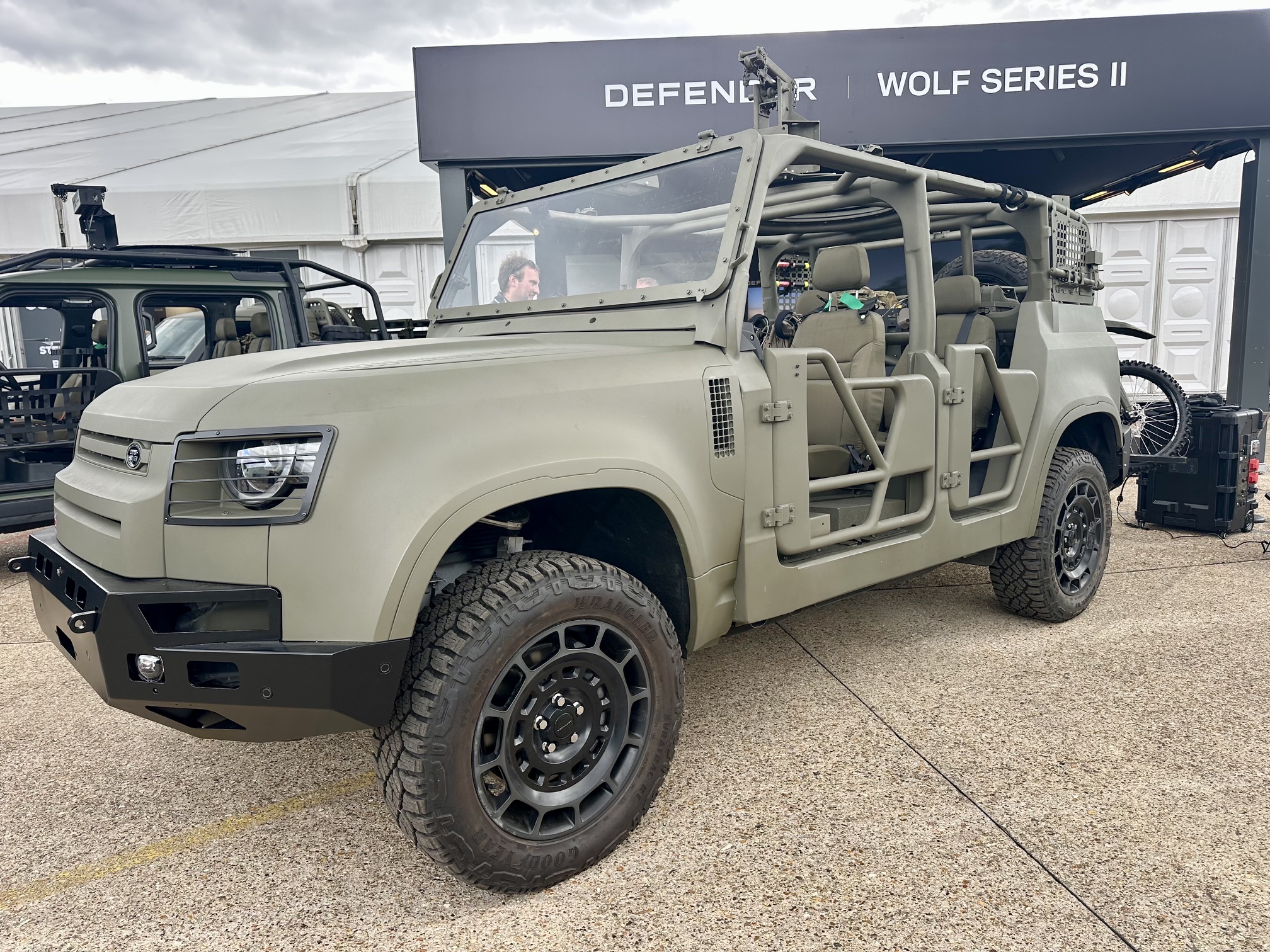
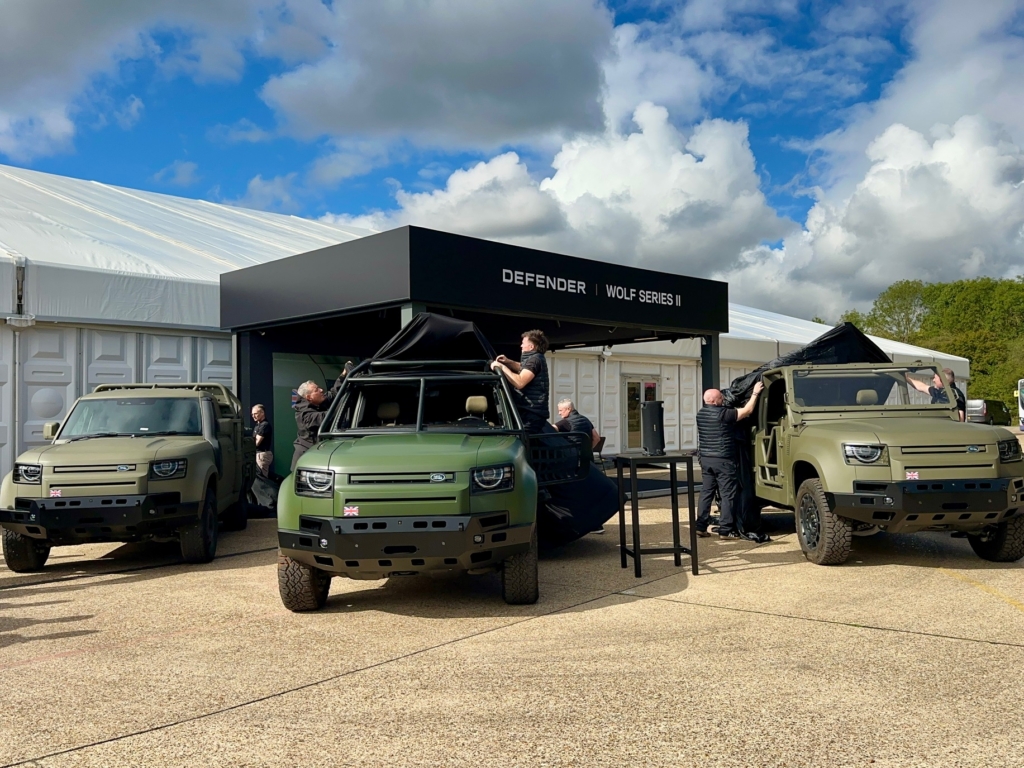
The company unveiled three Defender Wolf Series II variants at DVD 2026 as it competes for the Ministry of Defence’s Light Mobility Vehicle programme. The requirement will replace legacy fleets including almost 5,000 military Land Rovers due to leave service by 2030.
But the new Wolf is not a lightly updated version of its famously utilitarian predecessor. It is based on the aluminium monocoque architecture of the current-generation Defender and contains dozens of sensors and electronic control units.
JLR’s challenge is to persuade the MOD that it can bring Defender into the 21st century without losing the reliability and maintainability that made the original such a fixture of British military life.
A Defender for a different battlefield
British forces have operated Land Rovers since the 1950s, using them for everything from liaison and logistics to communications and patrol.
The original Wolf, officially the Defender XD or Extra Duty, entered service in the late 1990s. Strengthened beyond the civilian Defender it was based on, it became a familiar sight during operations in the Balkans, Iraq and Afghanistan.
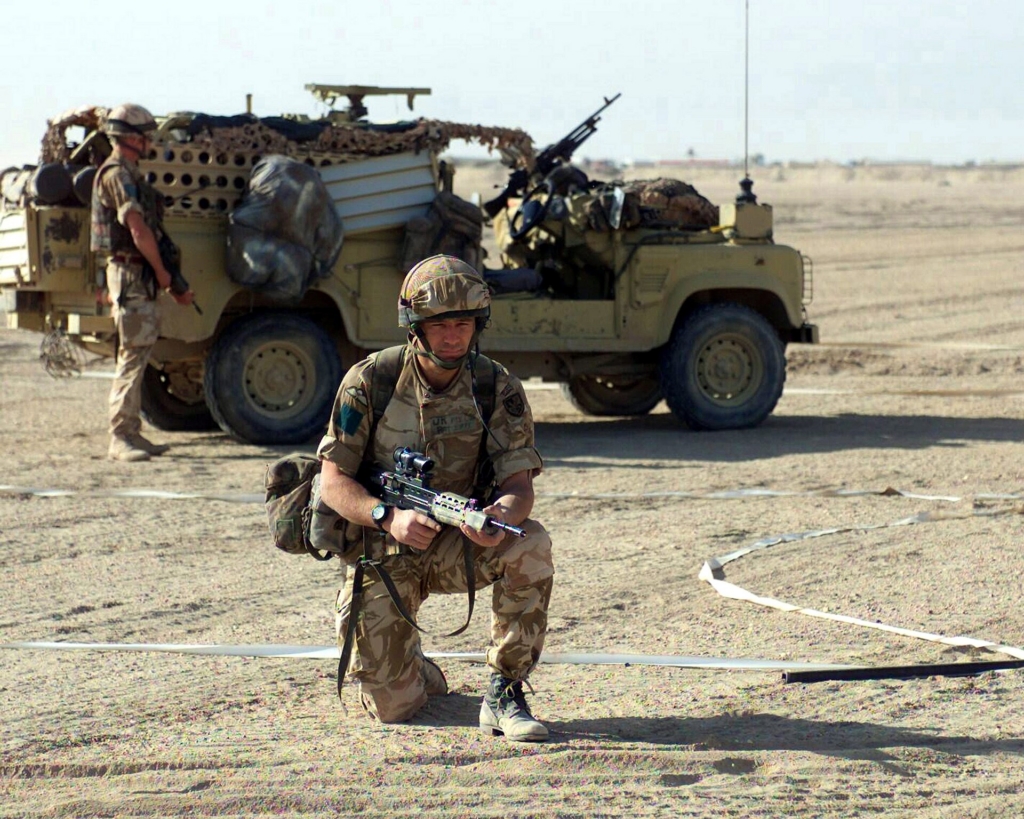
Stephen Webb OBE MC, director of JLR’s Defence Division, served for 23 years in the British Army, including as an armoured infantry company commander in Iraq and a battle group commander in Afghanistan.
“What I really wanted and valued was equipment that had my soldiers’ backs,” he said as the new vehicles were unveiled at UTAC Millbrook. “It could be relied on 100% to deliver what it needed to deliver and, on occasion, exceed expectations. That’s what I believe we have here. This vehicle has in its DNA everything that a military vehicle should have: simplicity and capability.”
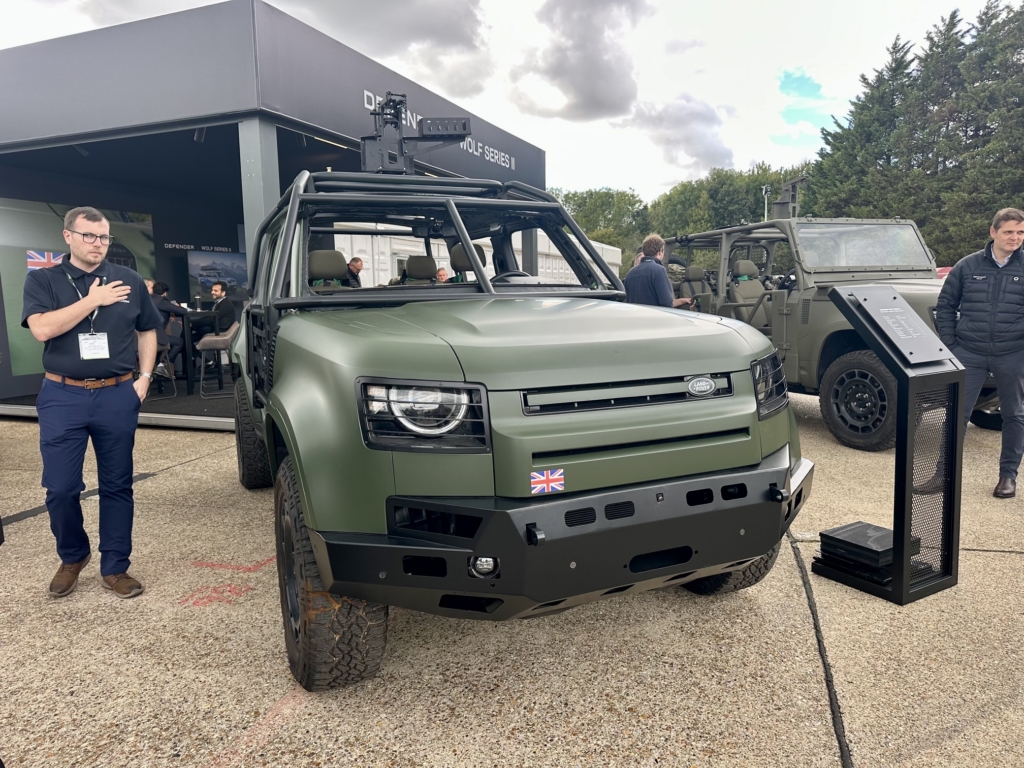
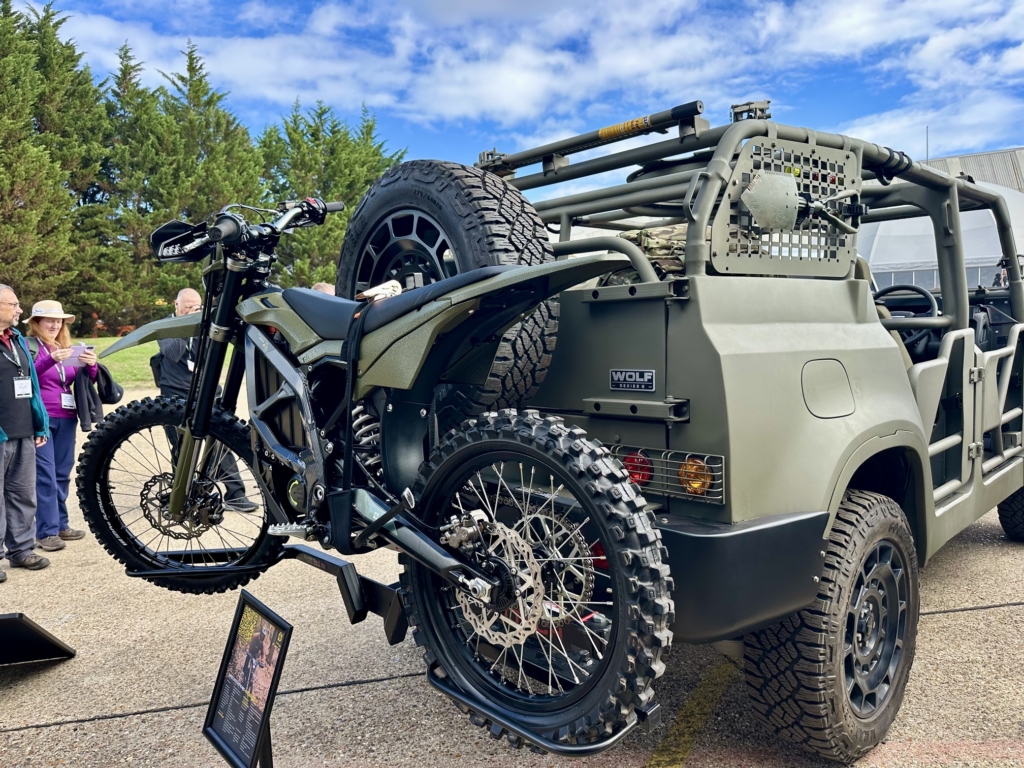
JLR unveiled a Tactical Mobility Vehicle, a Mono-Tactical Mobility Vehicle and a Utility Vehicle at DVD. Other versions displayed in illustrations included general-purpose, command-and-control and battlefield ambulance vehicles.
Webb said JLR could produce 26 variants from one platform, with 98% commonality across the drivetrain, powertrain and exhaust systems.
“Just think what that means in terms of military capability,” he said.
Common components could reduce the number of spares, maintenance procedures and training pipelines needed to support a varied military fleet.
Wolf trades ladder frame for monocoque
Wolf Series II represents a significant structural departure from the original Defender Wolf.
Instead of the traditional ladder-frame chassis, it uses JLR’s D7x monocoque construction. JLR claims torsional rigidity of 29kNm per degree, around three times that of a conventional body-on-frame design, while allowing greater payload capacity.
The platform completed more than 62,000 engineering tests and covered over 1 million miles during development.
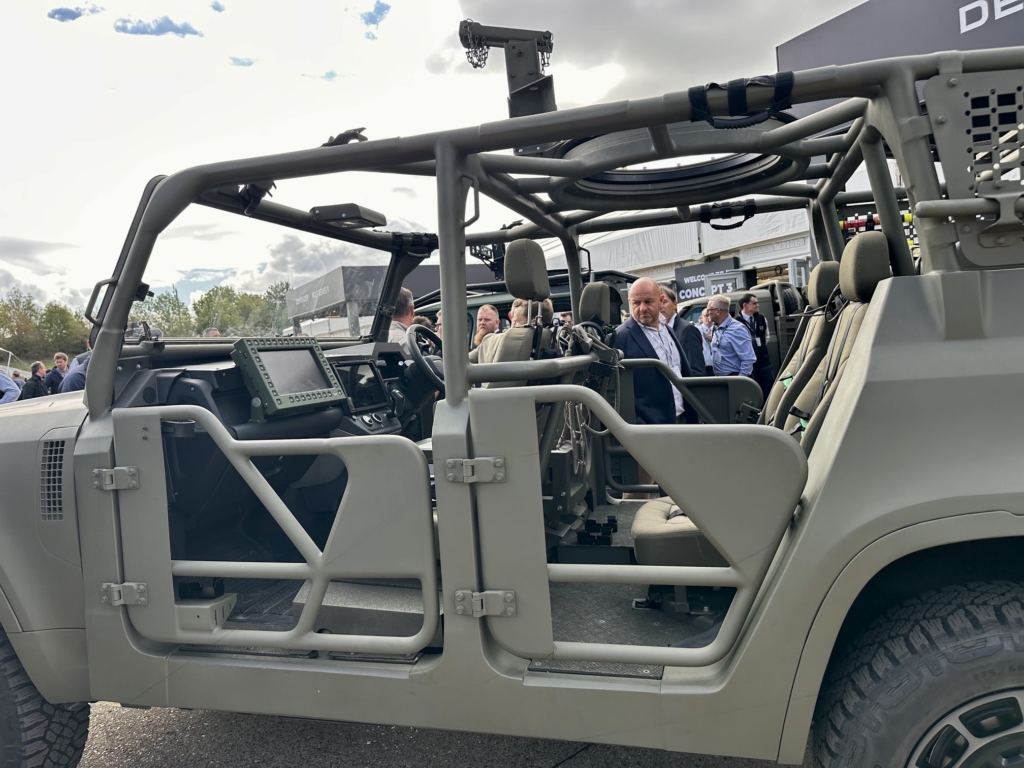
The vehicles use a six-cylinder diesel engine producing a reported 250bhp and 576Nm of torque. Ground clearance is 293mm, fording depth reaches 900mm, and maximum range is stated as 938km (583 miles).
The Defender 110-based Mono-Tactical Mobility Vehicle can carry four personnel and a 1,000kg payload while towing a braked trailer of up to 3,500kg. The longer Defender 130-based Utility Vehicle increases payload to 2,000kg and can tow up to 3,000kg. Both can be transported internally by a Chinook.
The vehicles are designed and engineered in the UK, with engines built in Wolverhampton. Speaking to Advance on the sidelines of DVD, Webb said the military integration would also be undertaken domestically.
“We take the base vehicle, bring it to the UK, and then 100% of the integration will be done in the UK,” he said.
Can electronics improve field maintenance?
The electronic complexity of a current-generation Defender appears far removed from the mechanical accessibility of its predecessor. JLR’s response is that digitisation can be used to prevent faults as well as diagnose them.
“One of the advantages we think this vehicle has is that it is digital from the ground up,” Webb told Advance. “It’s modern, so it has digital at its core.”
The platform already incorporates dozens of sensors which will be selected based on the end user’s needs.
“We will partner with the MOD to work out what sensors they want and how they want to utilise the sensors that are already on the vehicle,” Webb said. “There are 32 different sensors on the vehicle at the moment. It’s about which information the MOD wants and which information it doesn’t. We’ll take off the things they don’t want and keep the things they do.”
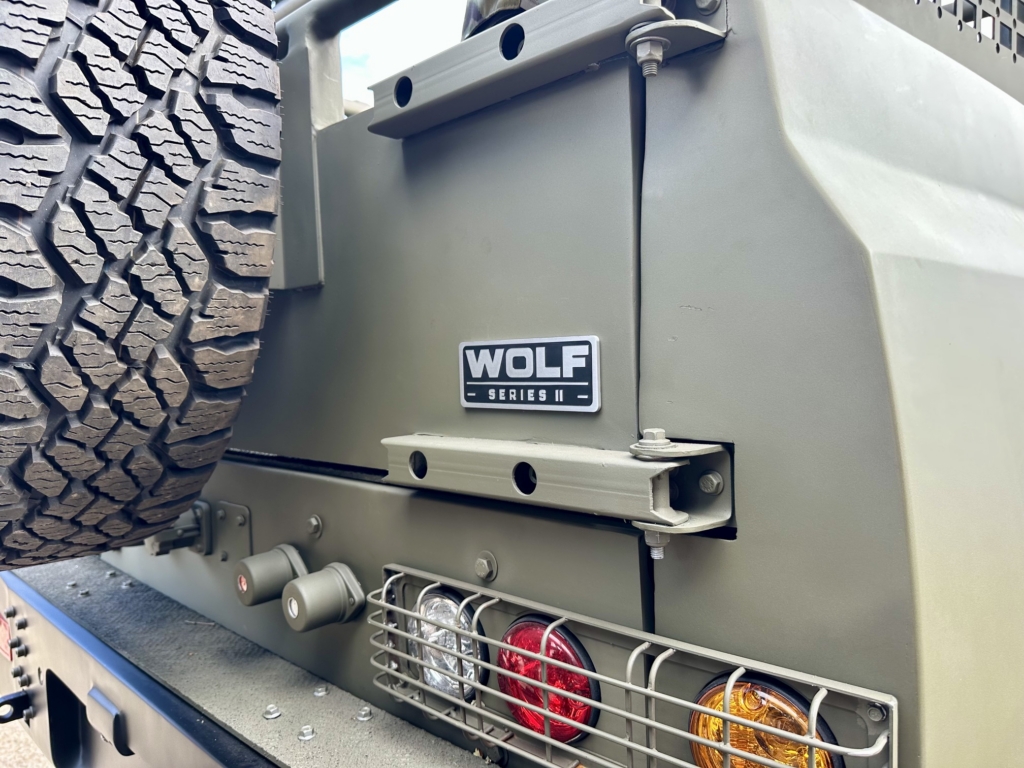
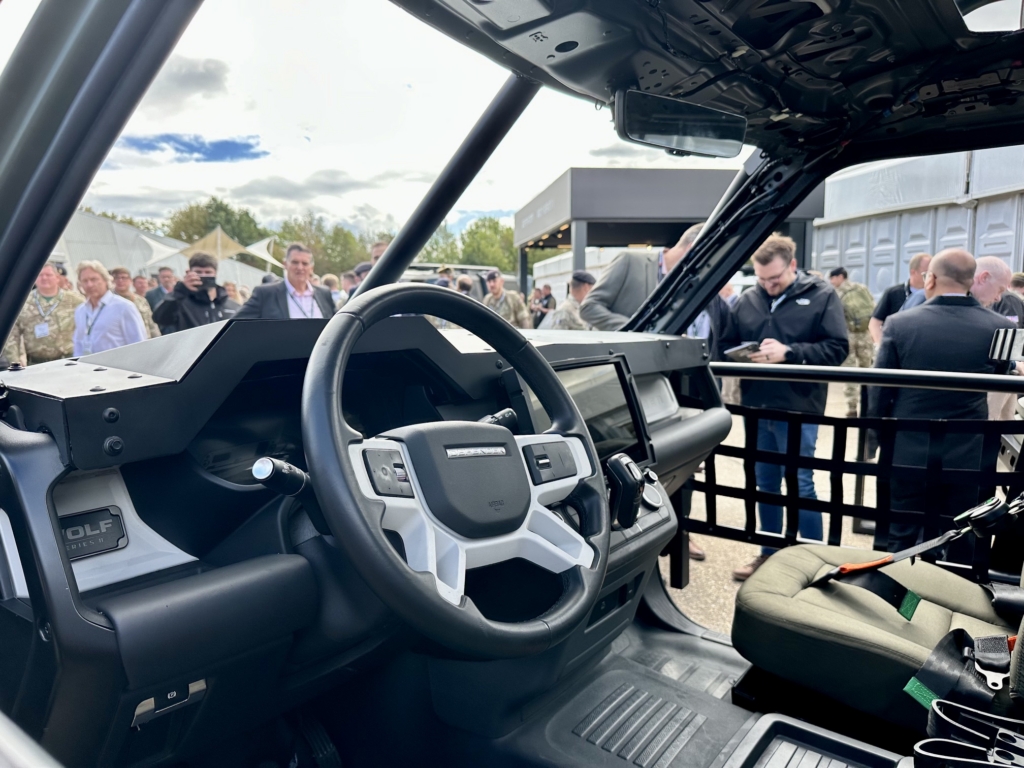
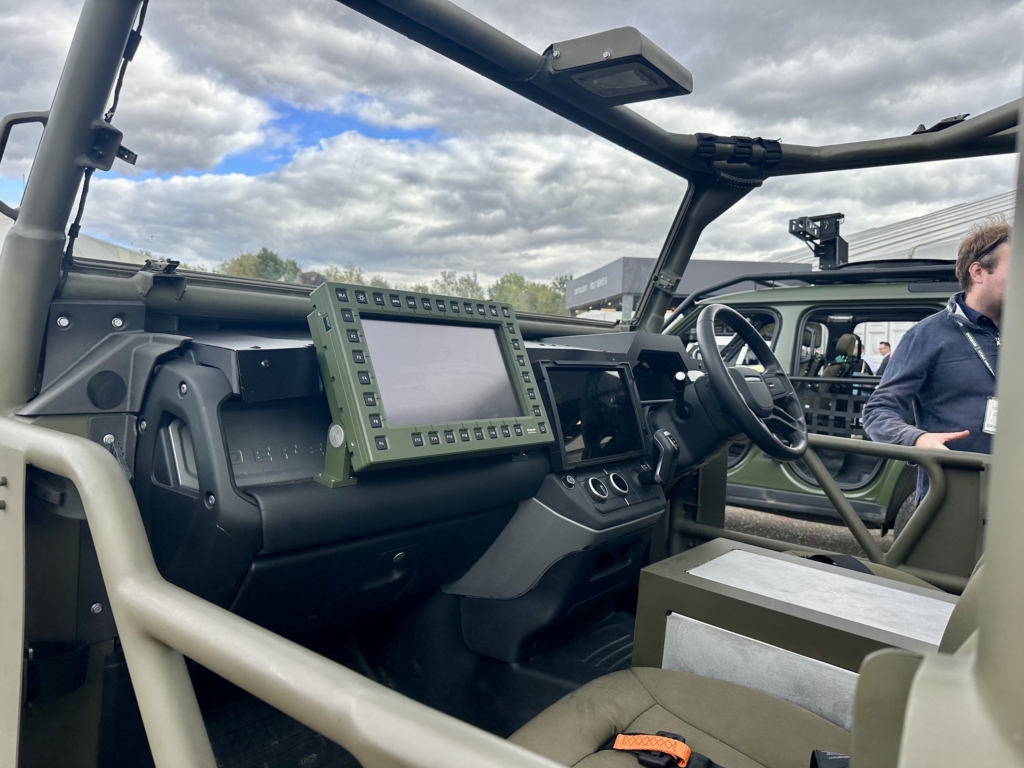
Asked how JLR had retained field maintainability, Webb said engineers had grouped six electronic control units essential to vehicle operation, including those governing the powertrain, transmission and transfer case.
“That means the diagnosis of any issue can be done straight away,” he said. “My experience as a company commander in Iraq was that vehicle availability is everything.”
“You need to be able to repair it very quickly or, even better, predict when there’s an issue coming and fix it before you get the issue. That is what our system will provide.”
The Wolf Series II is also being offered to other NATO defence organisations, but its most symbolic contest is at home. JLR is asking the MOD to replace Defender with Defender, while fundamentally changing how the vehicle is constructed, maintained and connected.
The new Wolf will ultimately be judged on the same quality Webb valued on operations: whether it has soldiers’ backs when they need it.
Sign up for our newsletter and get our latest content in your inbox.
Similar Reads